This post contains affiliate links. As an Amazon Associate we earn from qualifying purchases, at no extra cost to you. Read our disclosure.
Safety first: This is general money education, not personalised financial advice. Please read our financial disclaimer before you start.
Key takeaways
- Monthly amount = yearly cost ÷ 12 (or ÷ months until it's due).
- Start with 3 to 5 sinking funds, not 20.
- Christmas, car repairs and the vet are the most common first funds.
- Keep sinking funds separate from your emergency fund.
- Track balances on paper, in envelopes or in named bank savings buckets.
In this post29 sections
- How Sinking Funds Work: Yearly Cost Divided by 12
- Car and Transportation Sinking Funds
- 1. Car repairs and maintenance
- 2. Car insurance (if you pay every 6 or 12 months)
- 3. Registration, inspection and license renewals
- 4. Tires
- 5. Next car fund
- Home and Bills Sinking Funds
- 6. Home repairs
- 7. Appliance replacement
- 8. Annual subscriptions and memberships
- 9. Phone and laptop replacement
- 10. Insurance deductibles
- Family, Health, Kids and Pets
- 11. Medical and dental copays
- 12. Back-to-school
- 13. Kids' activities and sports
- 14. Pet care and vet
- 15. Clothing and shoes
- Holidays, Gifts and Fun
- 16. Christmas and holidays
- 17. Birthdays and gifts
- 18. Vacation
- 19. Weddings and special occasions
- 20. Hobbies and fun money
- Bonus: How Many Sinking Funds Should You Start With?
- Sinking Funds Tracker: Envelopes, Paper or Bank Buckets
- Sinking Fund Mistakes to Skip
- FAQ
How Sinking Funds Work: Yearly Cost Divided by 12
A sinking fund is money you set aside a little at a time for a cost you already know is coming. The formula is simple: yearly cost ÷ 12 = monthly amount. If a bill comes every few years, divide by the number of months until it's due.
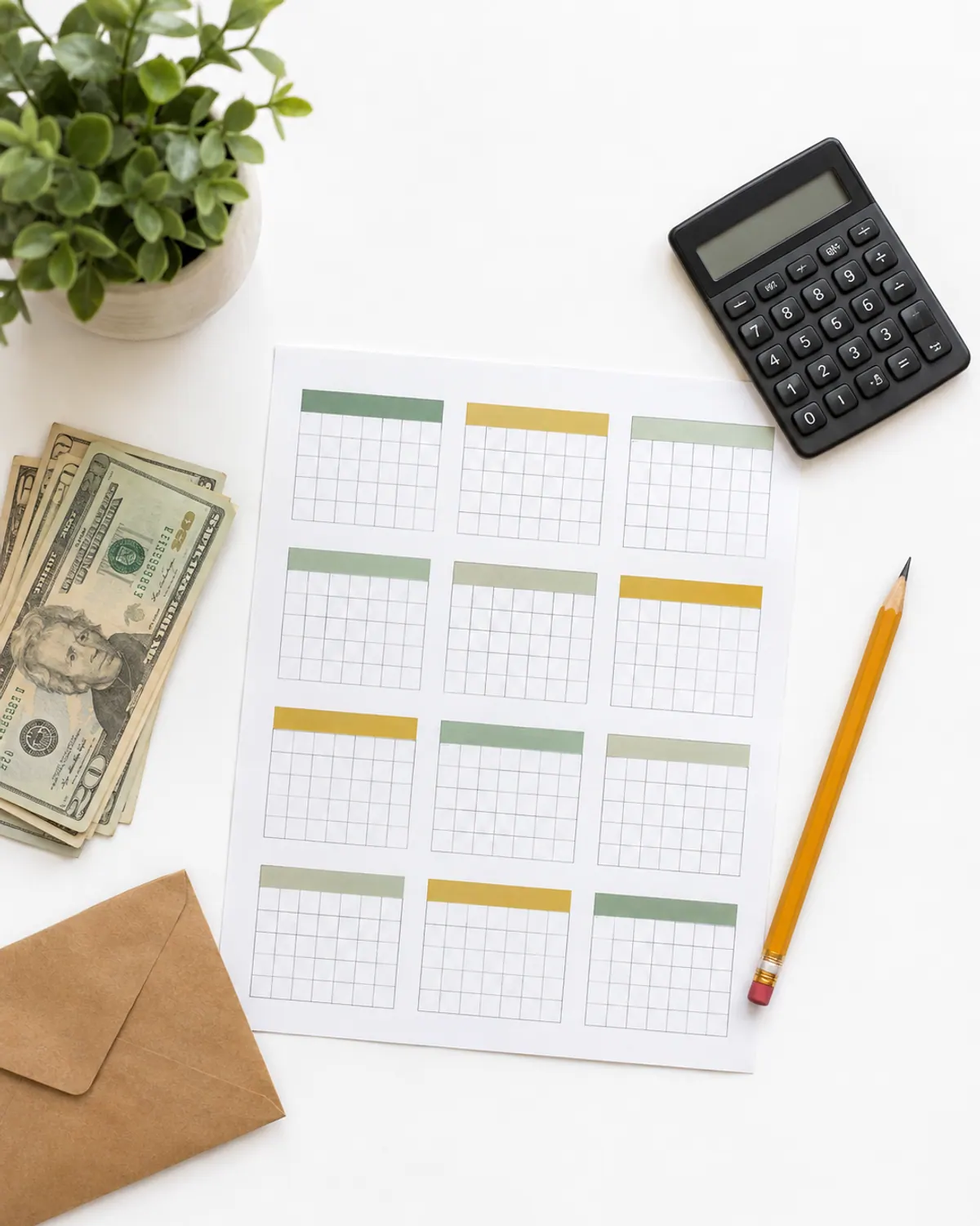
Every amount below is an example for a modest household, not financial advice. Replace it with your own number from last year's bank statements, then round up a little so prices that creep up don't catch you short.
| Cost | When it's due | Monthly amount |
|---|---|---|
| $900 Christmas | In 12 months | $75 |
| $180 car registration | In 12 months | $15 |
| $720 set of tires | In 48 months | $15 |
| $600 vet visit buffer | Any time this year | $50 |
Car and Transportation Sinking Funds
Car costs are the classic budget breaker because they're lumpy. These five turn surprise bills into planned ones.
1Car repairs and maintenance
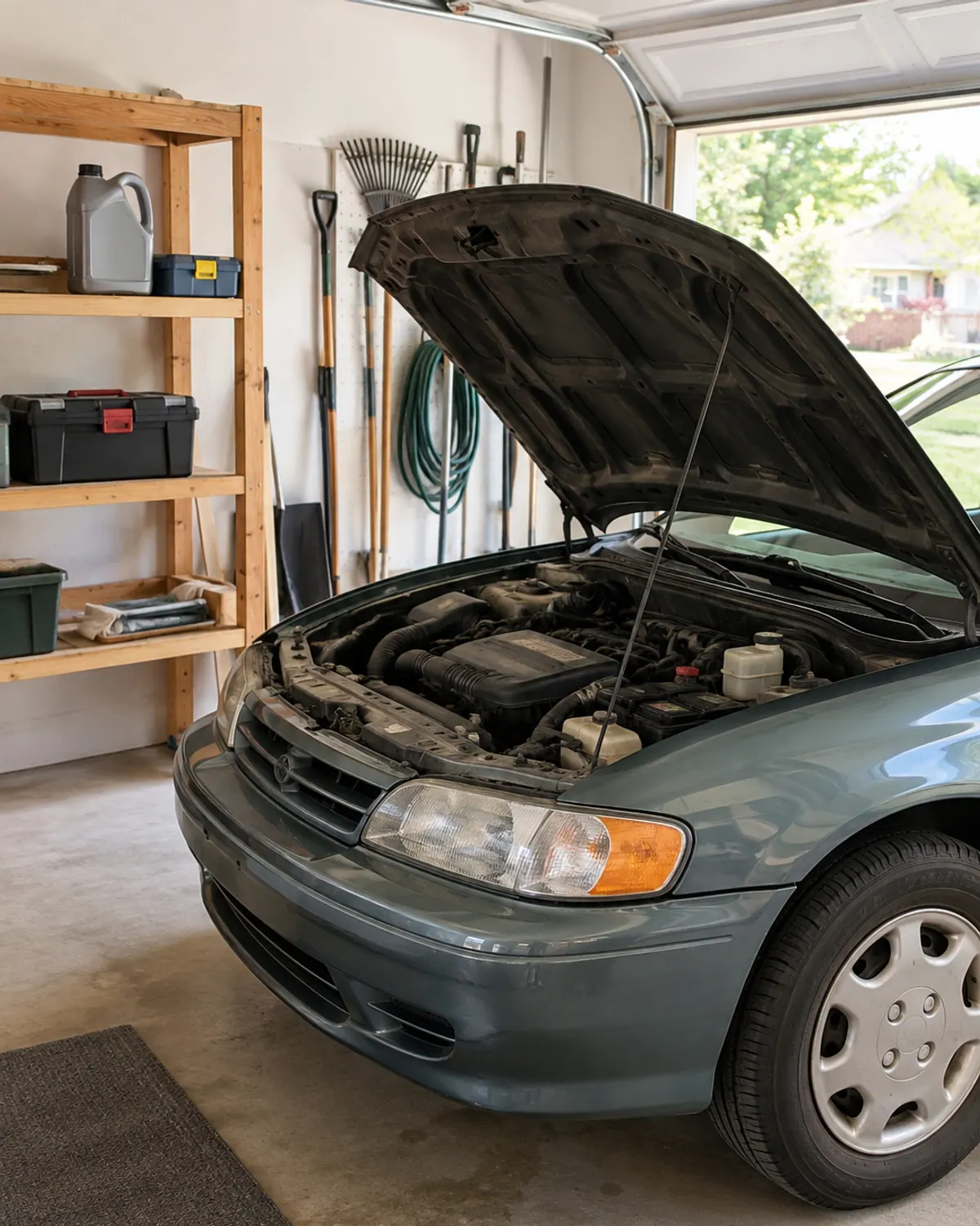
Oil changes, brakes, wipers and the random repair. Example: $600 a year = $50 a month. Older cars may need more; look at what you spent the last two years.
- Keep repair receipts in the envelope so next year's estimate is based on real numbers.
2Car insurance (if you pay every 6 or 12 months)

Paying in full can sometimes cost less than monthly payments, but only if the money is ready. Example: $1,200 a year = $100 a month.
- Note the renewal month on your calendar and check the new quote a month before.
3Registration, inspection and license renewals
Small, yearly and easy to forget. Example: $180 a year = $15 a month. Add driver's license renewals in the years they're due.
- Group every small yearly vehicle fee into this one line so you don't need five envelopes.
4Tires
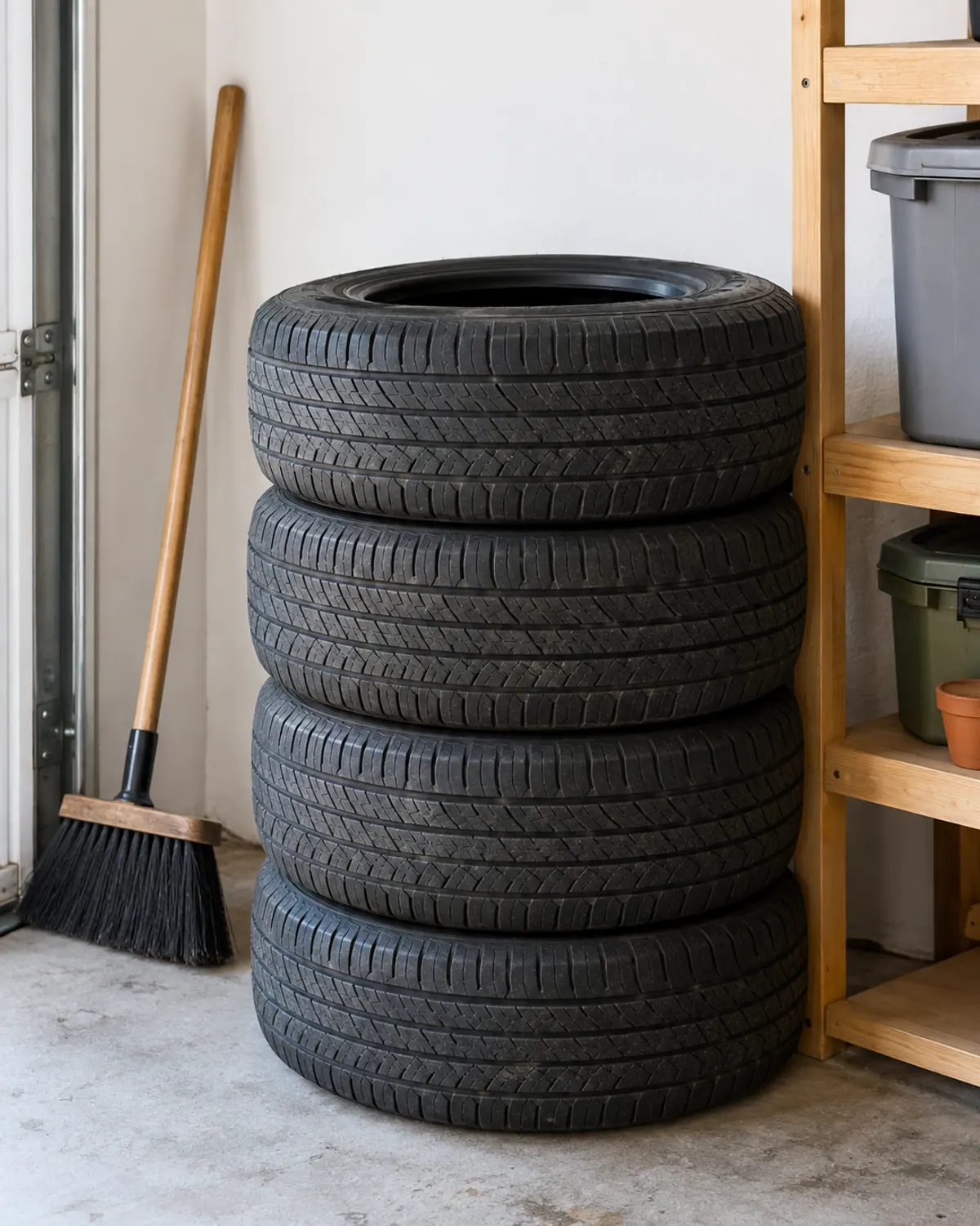
A set of tires is a surprise only once. Example: $720 every 4 years = $15 a month.
- Ask at your next oil change how much tread is left, then adjust the monthly amount.
5Next car fund
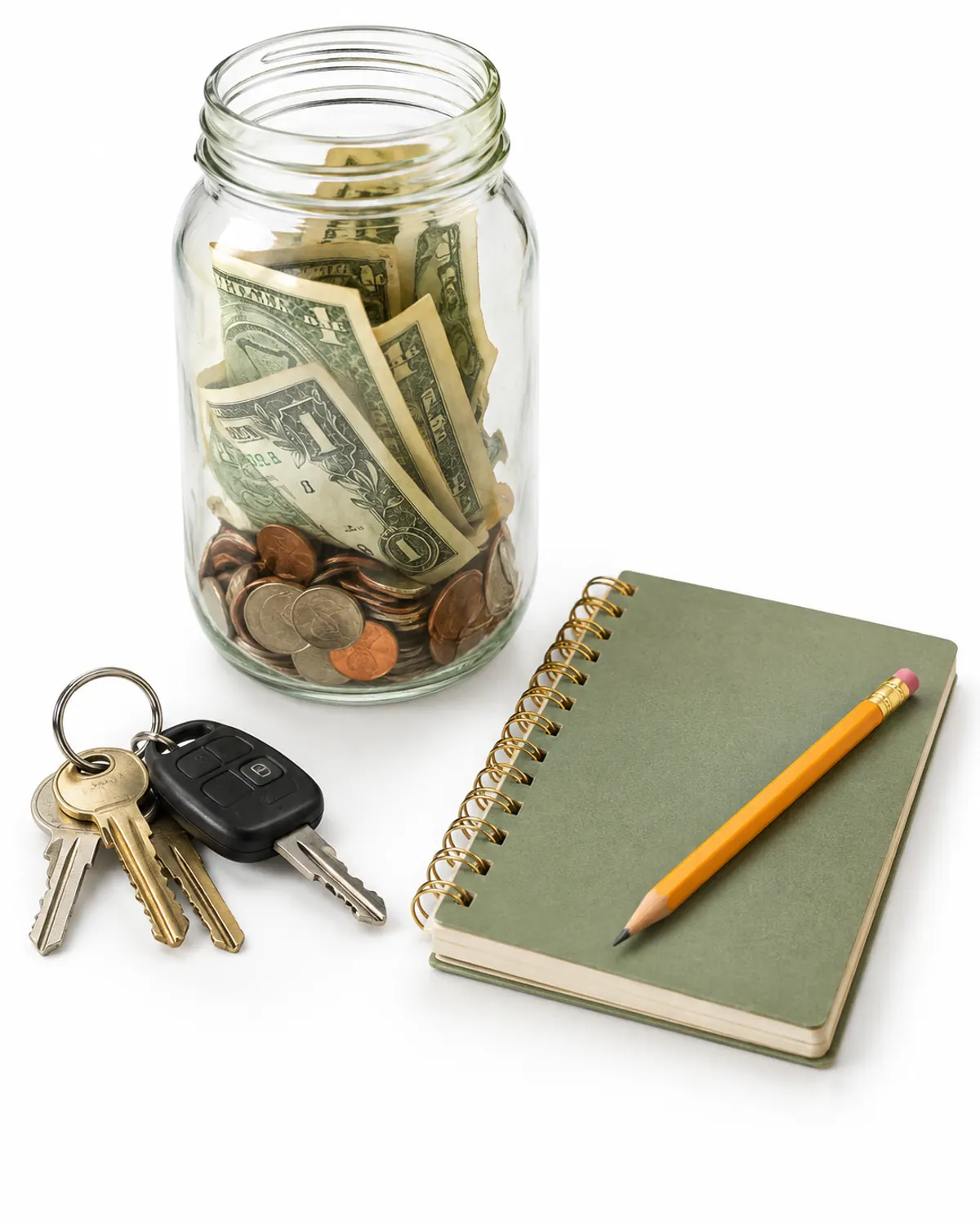
Saving toward the next car shrinks the loan or skips it. Example: $3,600 down payment in 3 years = $100 a month.
- Once your car loan is paid off, keep sending the same payment here.
Home and Bills Sinking Funds
Homes and gadgets wear out on their own schedule. These lines keep that wear from landing on a credit card.
6Home repairs
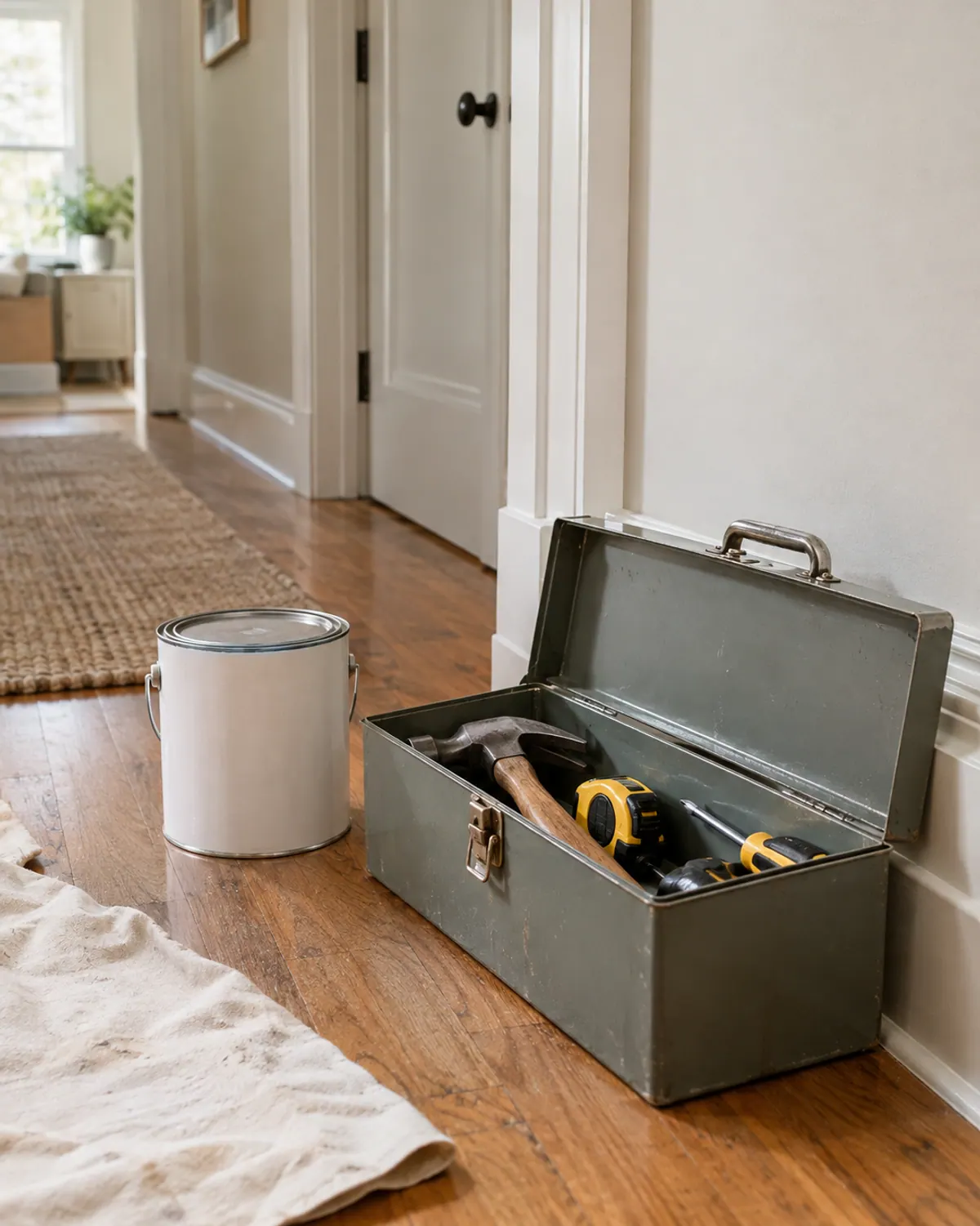
A leaky faucet, a broken fence board, a furnace tune-up. Renters still have some of these. Example for a modest home: $1,200 a year = $100 a month.
- Homeowners often hear the guideline of 1% of the home's value per year; start lower and build up if that feels out of reach.
7Appliance replacement
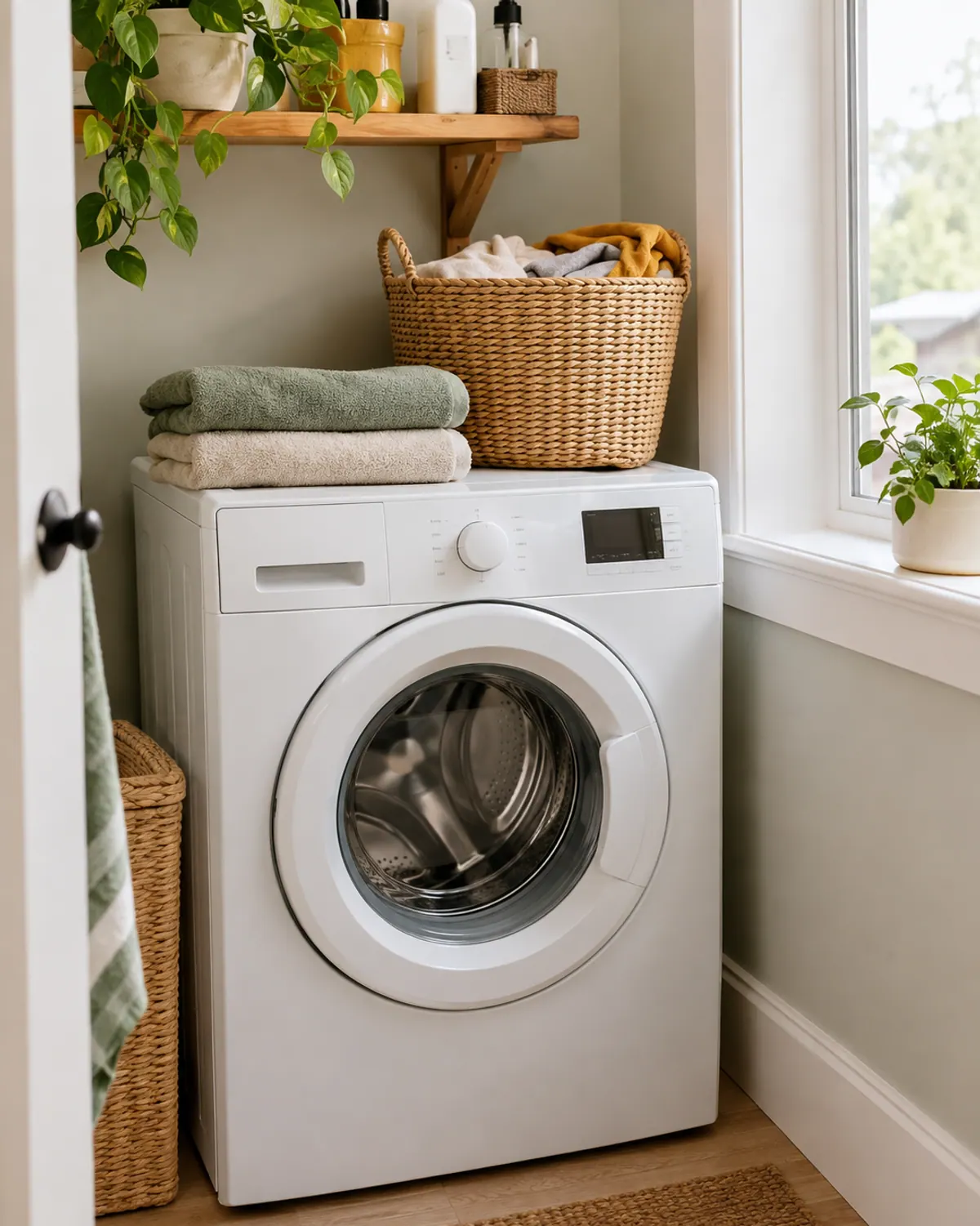
Washers, fridges and water heaters don't give notice. Example: $600 a year = $50 a month.
- If an appliance is over 10 years old, give this fund a little extra.
8Annual subscriptions and memberships
Warehouse club, streaming paid yearly, software, a professional fee. Example: $240 a year = $20 a month.
- List every yearly renewal once, then cancel what you wouldn't pay for again today.
9Phone and laptop replacement

Example: $900 every 3 years = $25 a month. When the old phone dies, the new one is already paid for.
- Keep a slightly cracked phone a few more months and let this fund grow.
10Insurance deductibles
If you had to file a claim, could you cover the deductible? Example: $1,000 deductible over 2 years = about $42 a month.
- Check your car, home or renters deductibles; this fund is how you pick a higher one with confidence.
Family, Health, Kids and Pets
11Medical and dental copays
Checkups, fillings, glasses and prescriptions. Example: $600 a year = $50 a month.
- If you have an HSA or FSA, this fund can live there instead.
12Back-to-school

Supplies, shoes, fees and that one specific calculator. Example: $480 a year = $40 a month for two kids.
- Start this fund in September so next August is already covered.
13Kids' activities and sports

Registration fees, uniforms, recital costumes and camp. Example: $720 a year = $60 a month.
- Ask for the season's full fee list at sign-up and add it here.
14Pet care and vet

Vaccines, grooming and the visit you didn't plan for. Example: $600 a year = $50 a month.
- Add the yearly checkup cost first, then a cushion for surprises.
15Clothing and shoes

Kids outgrow everything; adults need winter boots eventually. Example: $600 a year = $50 a month.
- Shop end-of-season sales with this fund instead of buying in a rush.
Holidays, Gifts and Fun
16Christmas and holidays

Gifts, food, decor and travel. Example: $900 a year = $75 a month. Starting in January makes December calm.
- Use our Christmas budget calculator to find your number first.
17Birthdays and gifts

Your family, friends' kids' parties, teacher gifts and showers. Example: $360 a year = $30 a month.
- Write every birthday on one list in January and price each gift ahead of time.
18Vacation

A road trip or a few nights away, paid in cash. Example: $1,800 a year = $150 a month.
- Pick the trip first; a real destination makes the monthly transfer easier to keep.
19Weddings and special occasions

Travel, a gift, an outfit, maybe a hotel. Example: $600 a year = $50 a month.
- When an invitation arrives, you already know what you can spend.
20Hobbies and fun money

Yarn, a fishing license, a concert. Small, guilt-free fun keeps a budget going. Example: $240 a year = $20 a month.
- Fun money you planned is never a budget failure.
| Category | Example yearly cost | Example monthly |
|---|---|---|
| Car repairs | $600 | $50 |
| Car insurance | $1,200 | $100 |
| Registration and renewals | $180 | $15 |
| Tires | $180 (a $720 set every 4 years) | $15 |
| Next car | $1,200 ($3,600 over 3 years) | $100 |
| Home repairs | $1,200 | $100 |
| Appliances | $600 | $50 |
| Subscriptions | $240 | $20 |
| Phone and laptop | $300 ($900 every 3 years) | $25 |
| Insurance deductibles | $500 ($1,000 over 2 years) | about $42 |
| Medical and dental | $600 | $50 |
| Back-to-school | $480 | $40 |
| Kids' activities | $720 | $60 |
| Pet care | $600 | $50 |
| Clothing | $600 | $50 |
| Christmas | $900 | $75 |
| Birthdays and gifts | $360 | $30 |
| Vacation | $1,800 | $150 |
| Weddings and occasions | $600 | $50 |
| Hobbies | $240 | $20 |
Bonus: How Many Sinking Funds Should You Start With?
All 20 at once would add up to about $1,100 a month in this example, which isn't realistic for most budgets. Start with three to five: the next big cost on your calendar (often Christmas), car repairs, and one more that has hurt you before. Add more as you free up money.
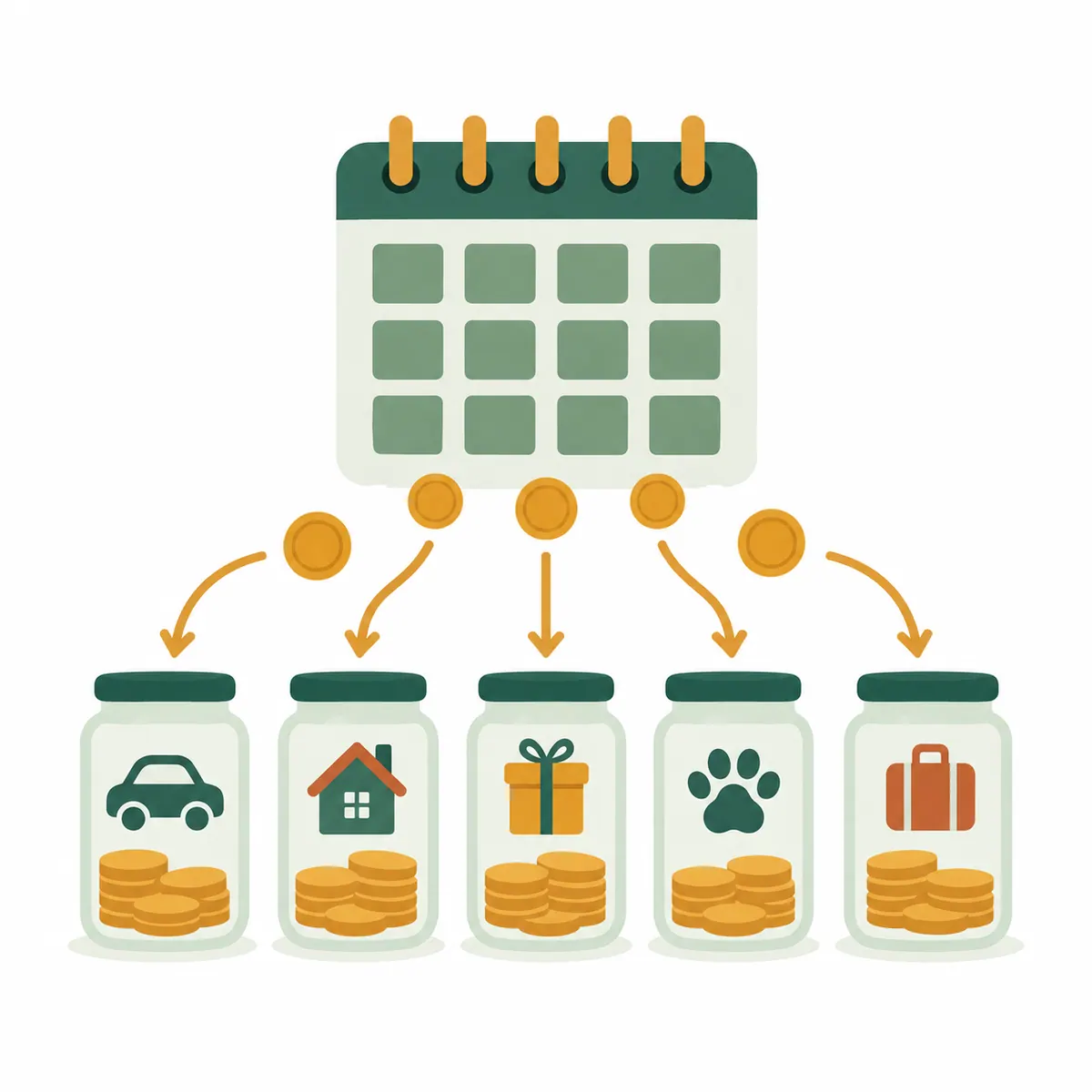
Sinking funds aren't the same as an emergency fund. Sinking funds cover costs you can predict; the emergency fund covers what you can't. See our guide on how much an emergency fund should be for that side.
Sinking Funds Tracker: Envelopes, Paper or Bank Buckets
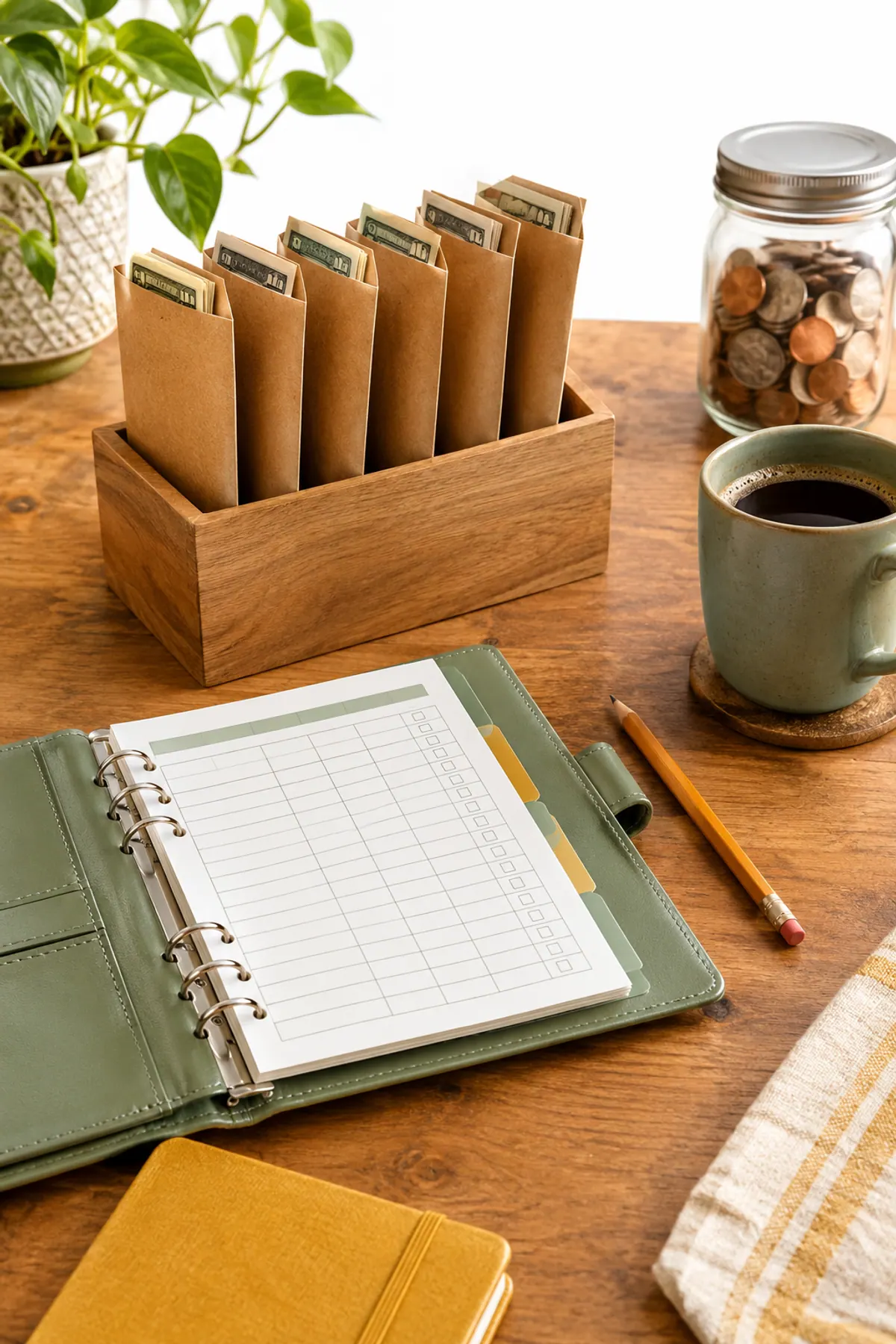
Pick one way to hold the money and one way to see it. Cash envelopes in an A6 binder work well for categories you spend in cash. Bank savings buckets (many banks let you name separate goals) work well for bigger, online bills. Either way, a paper tracker shows each balance at a glance.
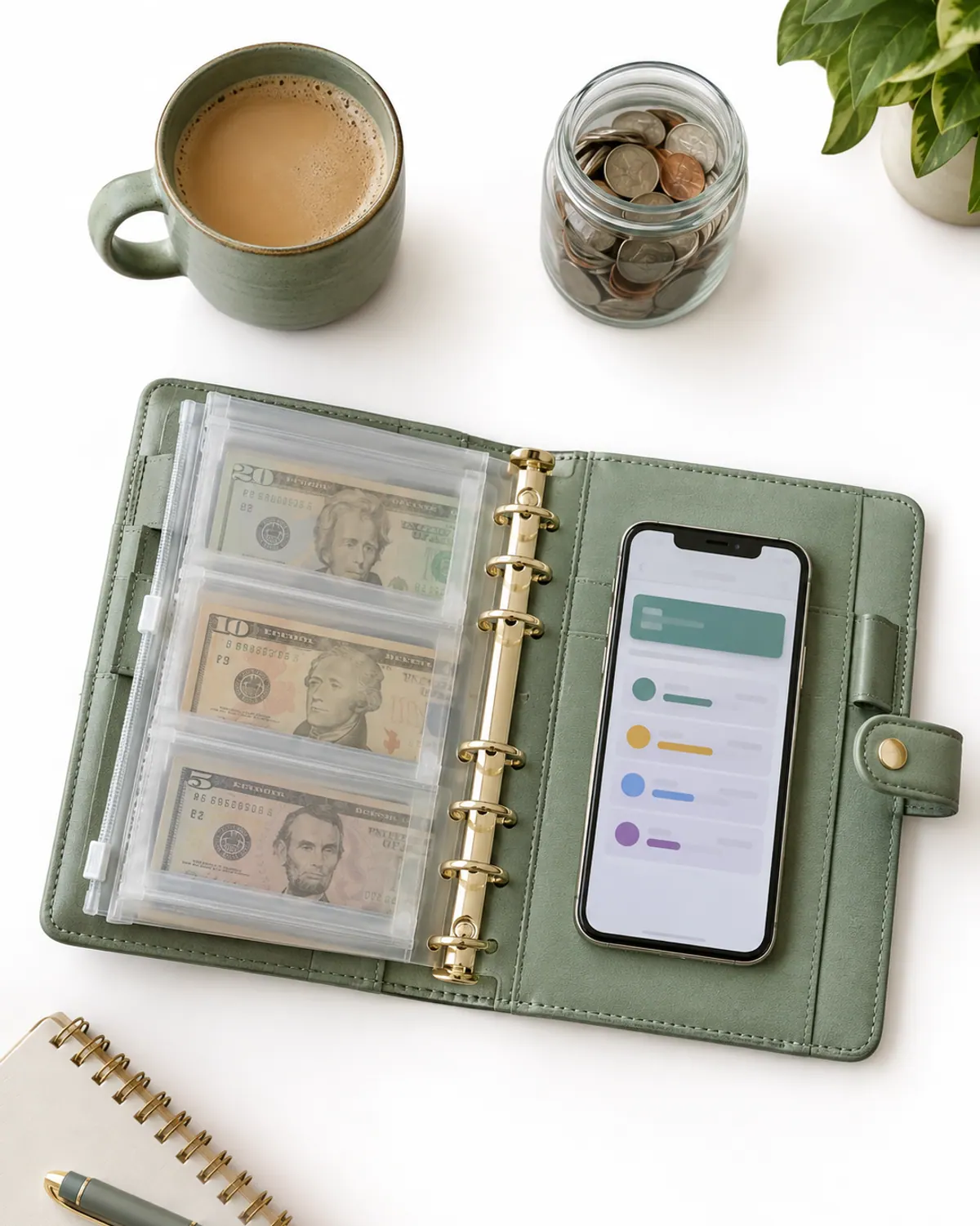
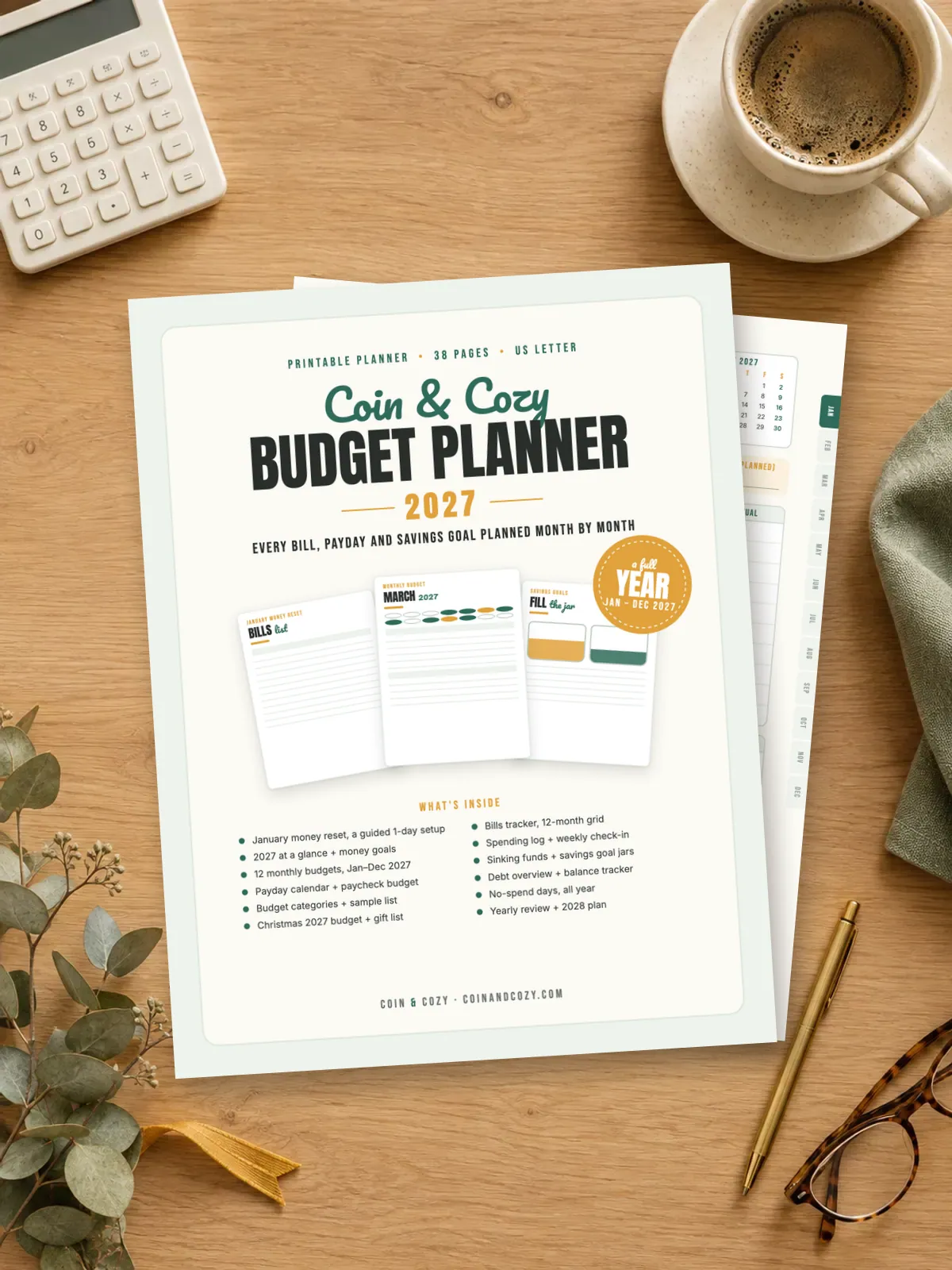
Add your sinking fund lines to your monthly plan using our free budget template, or see how they fit a zero based budget. The Cozy Budget Planner 2027 has a sinking funds tracker page beside every monthly budget, so each balance sits next to the plan.
Helpful, not required
-
Cash envelopes for budgeting
Typically $6 to $15
Sturdy envelopes for the sinking funds you keep in cash.
Check price on Amazon for Cash envelopes for budgeting -
A6 budget binder with zipper pockets
Typically $8 to $20
Holds several sinking fund envelopes and a tracker card in one place.
Check price on Amazon for A6 budget binder with zipper pockets
Sinking Fund Mistakes to Skip
Do this
- Base each amount on last year's real spending
- Start with 3 to 5 funds and add more later
- Round monthly amounts up a few dollars
- Move money on payday, before spending starts
Skip this
- Starting 15 funds and quitting in a month
- Borrowing from the Christmas fund for takeout
- Mixing sinking funds with the emergency fund
- Guessing amounts instead of checking statements
A sinking fund turns "how will we pay for that?" into "we already did."
Want the planner, the savings charts and the Christmas planner together? The Cozy Money Binder bundles all three.
Frequently asked questions
What are sinking funds?
Money you set aside a little each month for a known future cost, like car insurance, Christmas or new tires, so the bill doesn't land on a credit card.
How much should I put in each sinking fund?
Divide the yearly cost by 12, or by the months until it's due. A $900 Christmas is $75 a month. These are example numbers, not financial advice.
How many sinking funds should I have?
Start with three to five: your next big known expense, car repairs and one more that has hurt your budget before. Add more as money frees up.
Where should I keep sinking funds?
Cash envelopes work for categories you spend in cash. For larger bills, many people use a separate savings account with named goals or buckets.
Is a sinking fund the same as an emergency fund?
No. Sinking funds are for predictable costs; an emergency fund is for the unexpected, like a job loss. Keep them separate so one doesn't drain the other.
Save it for later
Pin this to your Budgeting Basics board so it's there when you need it.
Save to Pinterest