This post contains affiliate links. As an Amazon Associate we earn from qualifying purchases, at no extra cost to you. Read our disclosure.
Safety first: This is general money education, not personalised financial advice. Please read our financial disclaimer before you start.
Key takeaways
- Cash stuffing works best for a few variable categories like groceries, gas and fun money.
- Keep bills, rent and savings in the bank; cash at home earns no interest and isn't insured.
- Start with 3 to 5 envelopes and only the amount you spend in two weeks.
- A hybrid setup (cash for spending, bank for bills) suits most beginners.
- Review after month 2 and adjust amounts instead of quitting.
In this post13 sections
- Cash Stuffing in Plain Words
- Is Cash Stuffing Worth It? 6 Questions to Decide
- Who Cash Stuffing Suits (and Who Should Skip It)
- Cash Stuffing Categories for Beginners: 5 Starter Envelopes
- Try Cash Stuffing Even if You Mostly Pay by Card: The Hybrid Setup
- How to Start Cash Stuffing This Payday
- Envelope Ideas: Binder, Wallet, DIY Paper or Zip Bags
- Savings Challenges Inside the Binder (A6 Charts)
- Cash Stuffing Downsides: Interest, Theft and Awkward Checkouts
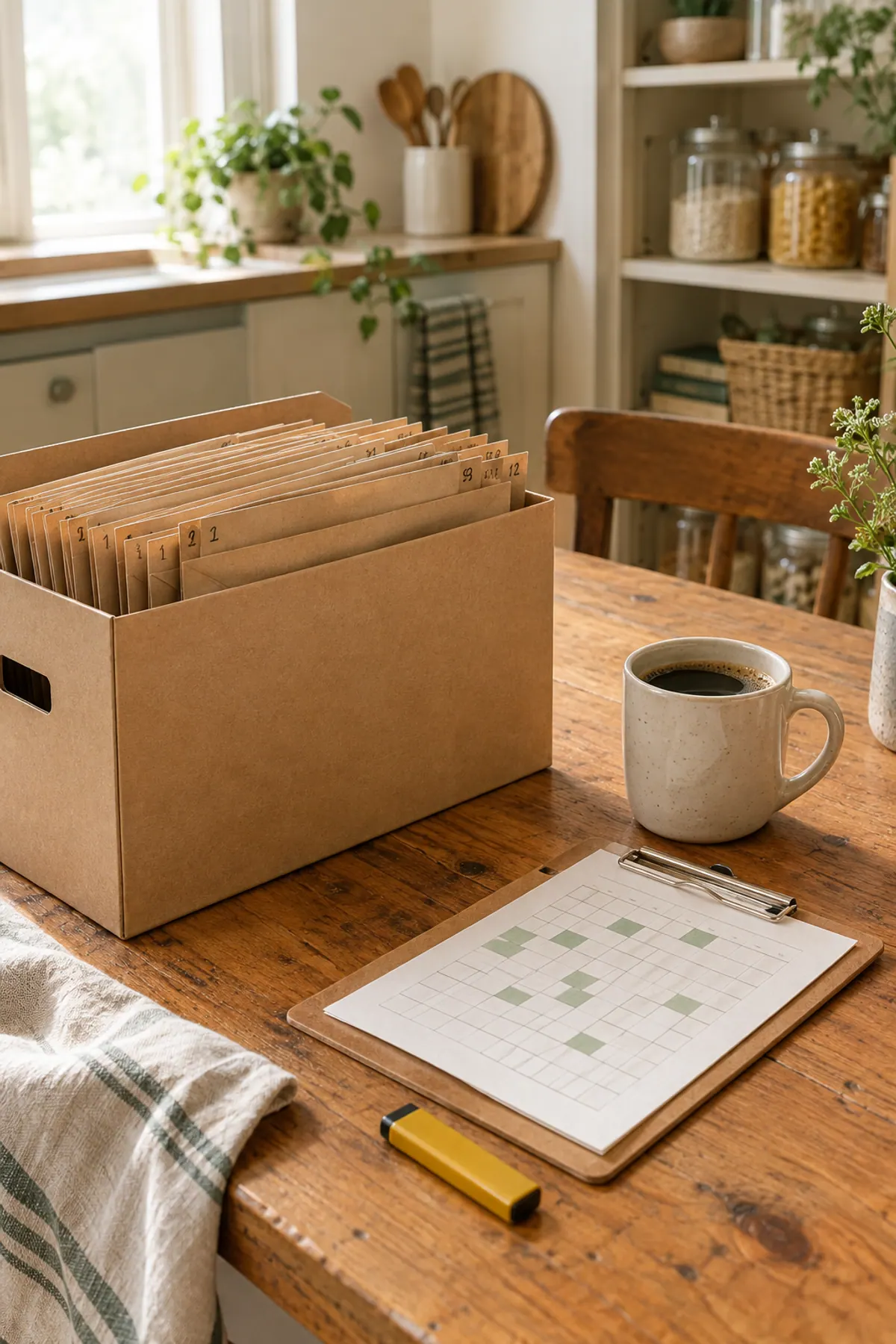
- Where to Keep Cash Safely
- Cash Stuffing Myths vs Reality
- Cash Stuffing Mistakes by Month 2
- FAQ
| Question | Short answer |
|---|---|
| What it is | Withdrawing spending money on payday and splitting it into labelled envelopes |
| Best for | Overspending on groceries, eating out, gas or fun money |
| Not for | Rent, bills, savings or large amounts |
| Start-up cost | $0 with old envelopes; binder kits are typically $9 to $17 |
| Main risks | Theft or loss, no interest, no card purchase protections |
Cash Stuffing in Plain Words
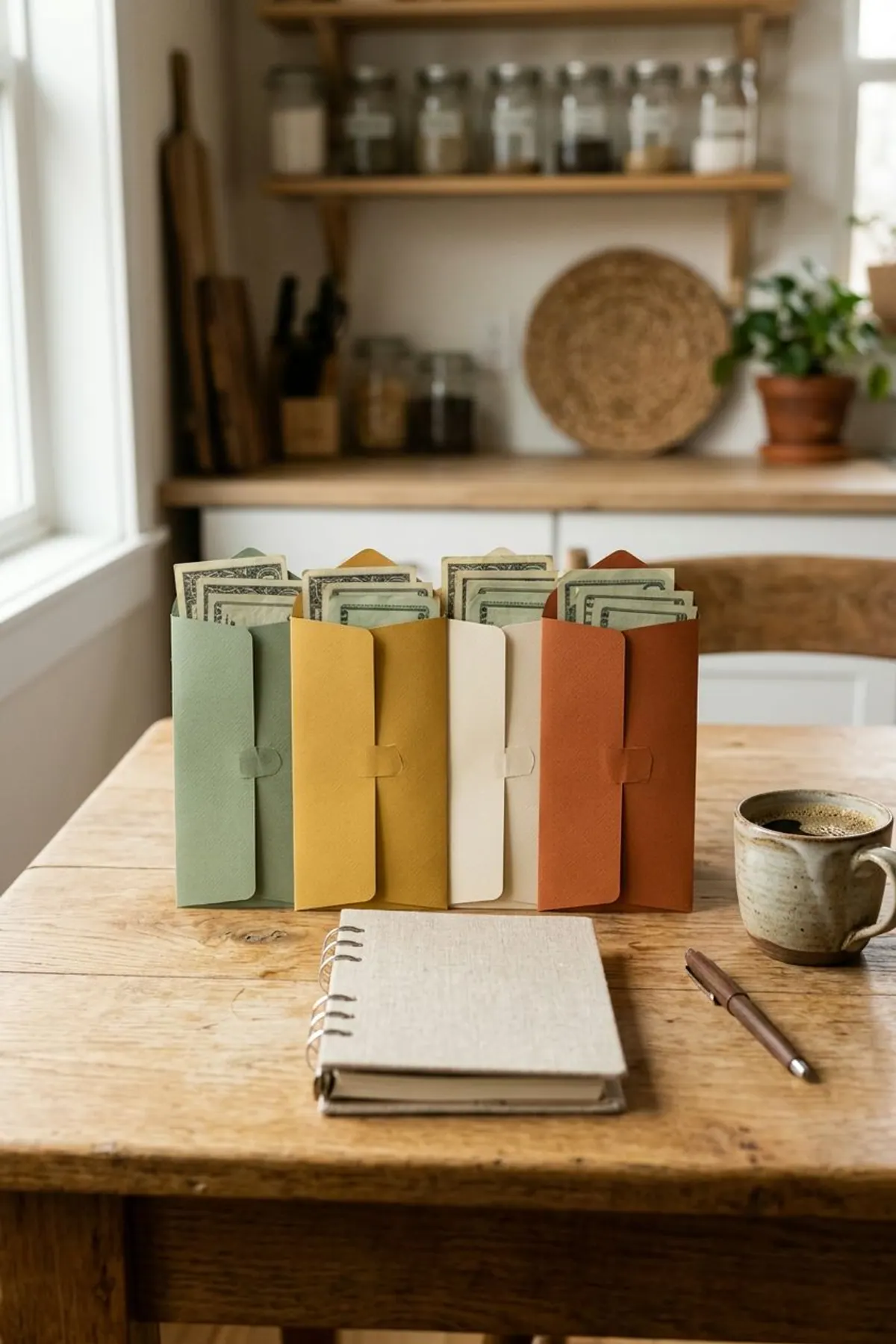
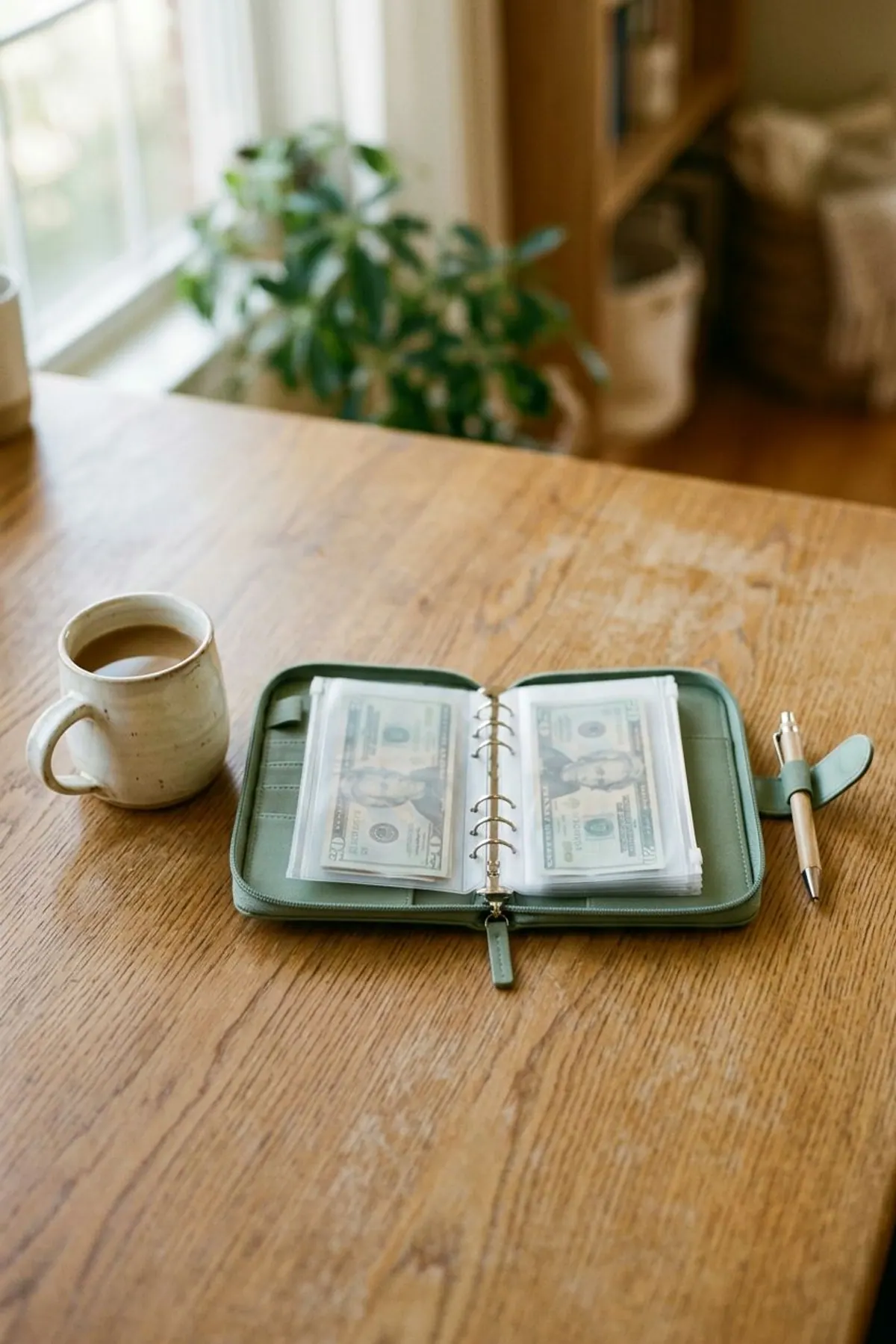
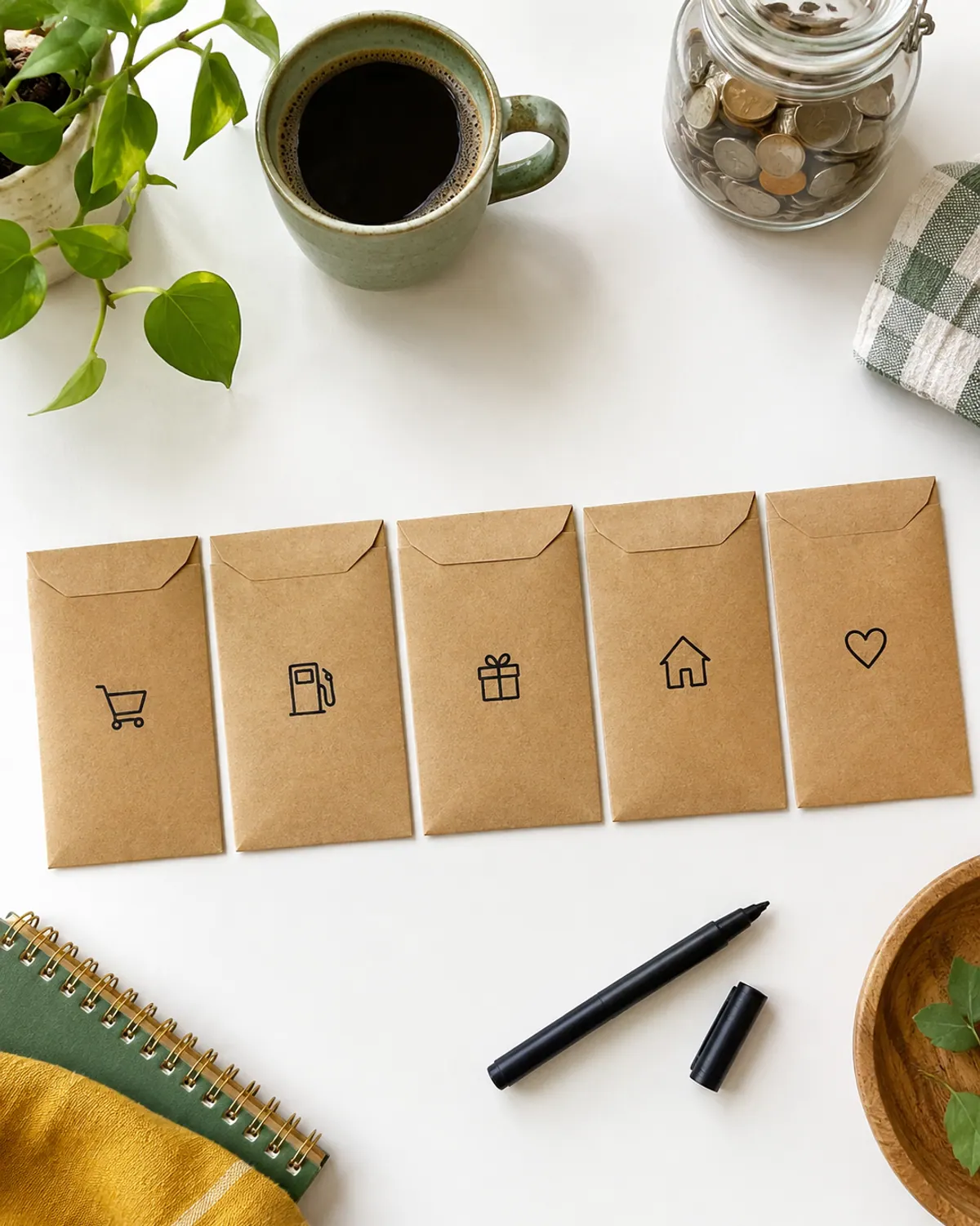
On payday you withdraw the cash you plan to spend on a few categories, then "stuff" it into envelopes labelled for each one. When the grocery envelope is empty, grocery spending stops until the next payday. It's the old envelope system with a new name, often kept in a small A6 binder with zipper pockets. For a step-by-step setup by paycheck, with sinking funds and a worked month, see how to start a cash envelope system.
Is Cash Stuffing Worth It? 6 Questions to Decide
Cash stuffing is probably worth trying if you answer yes to 3 or more
Experian lists the upside simply: it can curb impulse spending, it avoids card debt, and it's easy to understand. The same article is just as clear about the downsides, which we cover below.
Who Cash Stuffing Suits (and Who Should Skip It)
Suits
- People who overspend in a few everyday categories
- Families who want kids to see where grocery money goes
- Anyone paying off credit cards who wants a break from them
- Visual planners who like coloring in progress
Skip or go hybrid
- People carrying large balances of cash for long periods
- Anyone without a safe spot at home
- Mostly online shoppers (cash can't buy most things online)
- People building credit history who need some card activity
Cash Stuffing Categories for Beginners: 5 Starter Envelopes
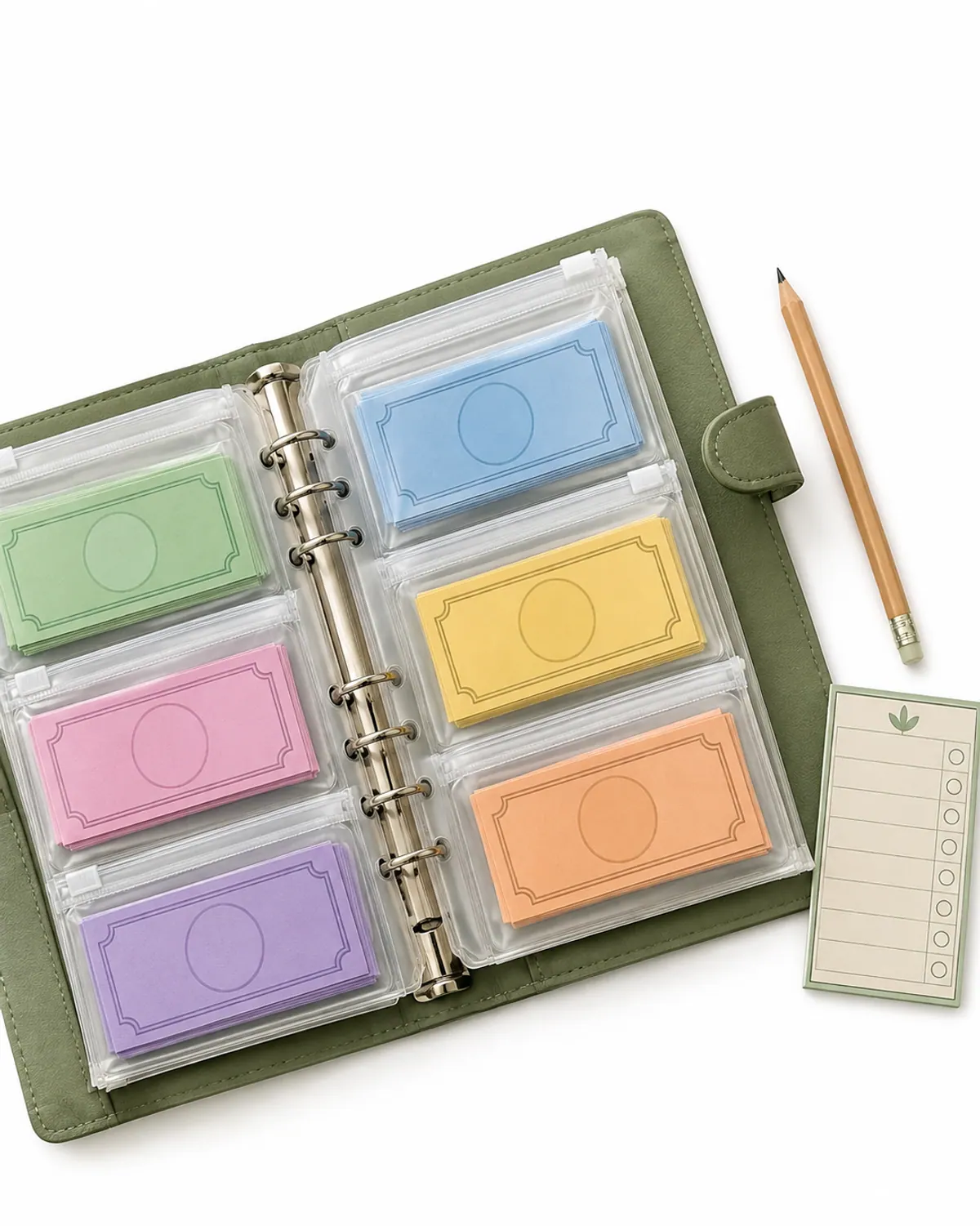
Start with categories you pay in person and that change week to week. Here's an example for one biweekly paycheck. Bills stay in the bank.
| Envelope | Example amount | Why it works in cash |
|---|---|---|
| Groceries | $250 | The biggest everyday leak for most households |
| Gas | $80 | Paid in person, easy to track |
| Household and toiletries | $40 | Stops the extra items on every store run |
| Eating out and takeout | $30 | A visible limit on the easiest overspend |
| Fun money | $40 | Guilt-free spending with a clear end |
| Total cash | $440 | Everything else stays in the bank |
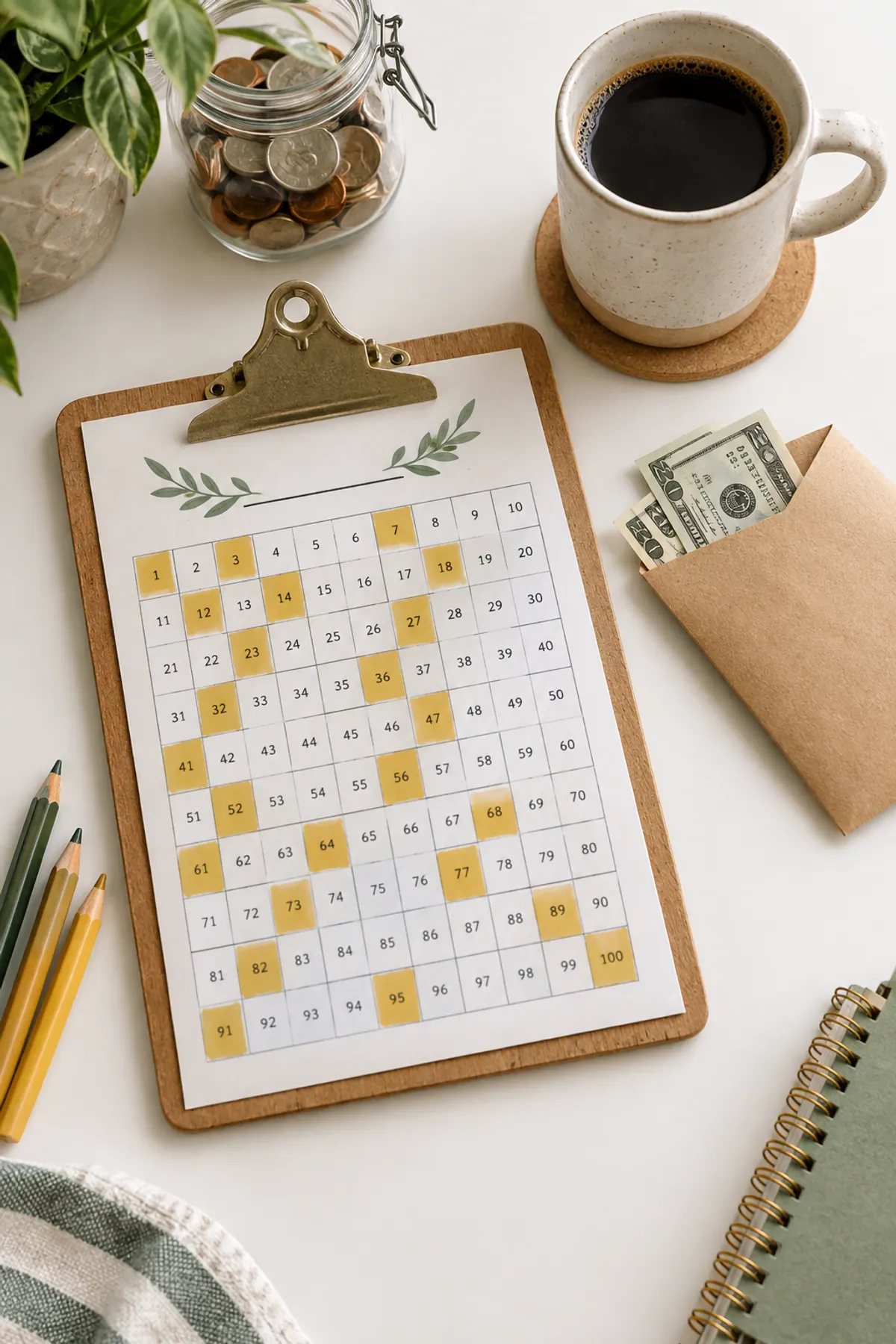
Want a free way to practice first? The 100 envelope challenge below uses the same idea for savings.
Try Cash Stuffing Even if You Mostly Pay by Card: The Hybrid Setup
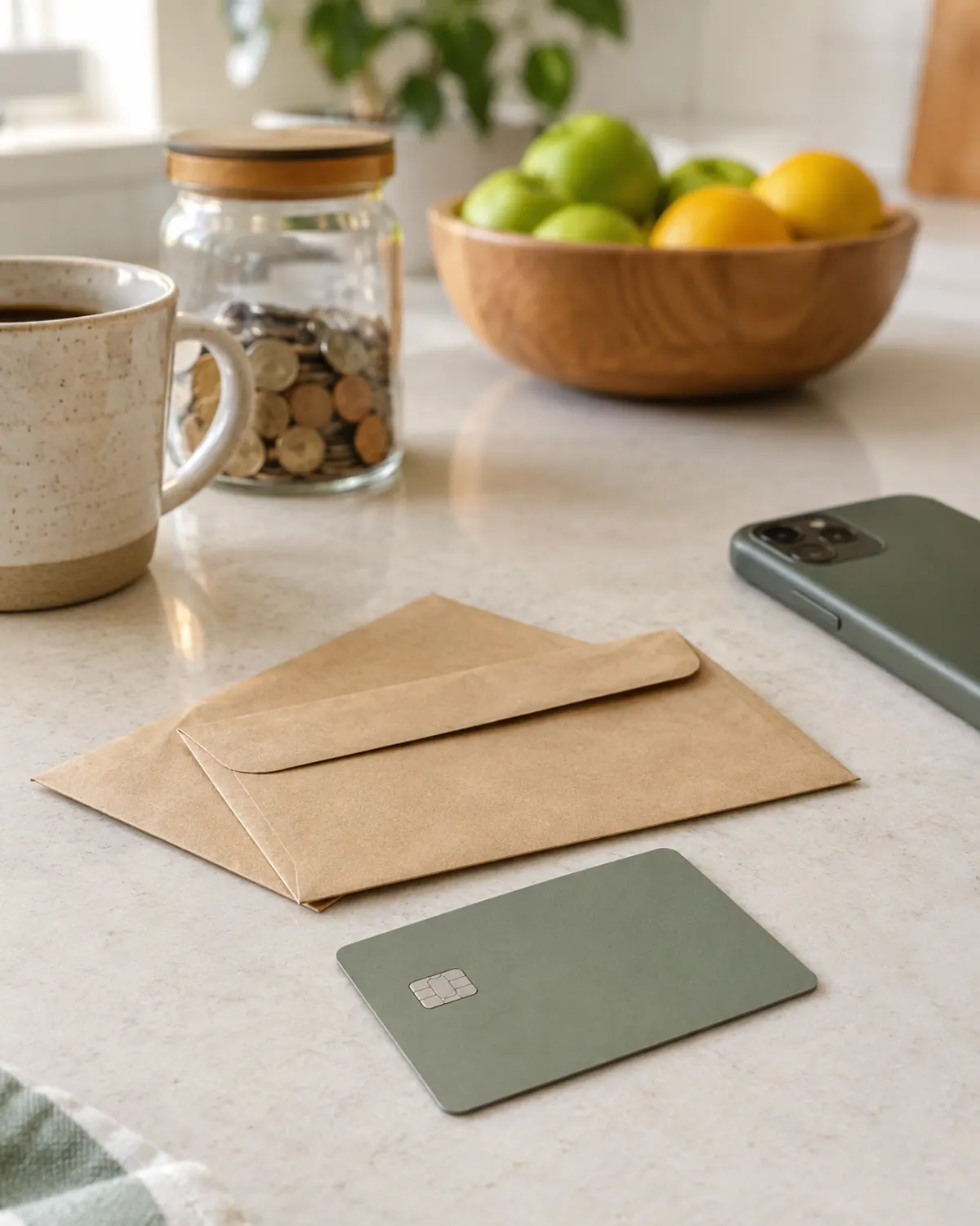
You don't have to go all-cash. In a hybrid setup, rent, utilities, insurance, subscriptions and savings transfers stay automatic from your bank account. Only the two or three categories you overspend in go into envelopes. Experian also notes you can use a card for a few small bills and pay it off in full if you want to keep building credit.
How to Start Cash Stuffing This Payday
-
Step 1: Pick 3 to 5 categories
Choose from the starter list above. Fewer envelopes are easier to keep up.
-
Step 2: Set the amounts from real spending
Look at the last two months of card statements for those categories and divide by the number of paychecks.
-
Step 3: Withdraw only what the envelopes need
One trip on payday. Ask for smaller bills so you can stuff exact amounts.
-
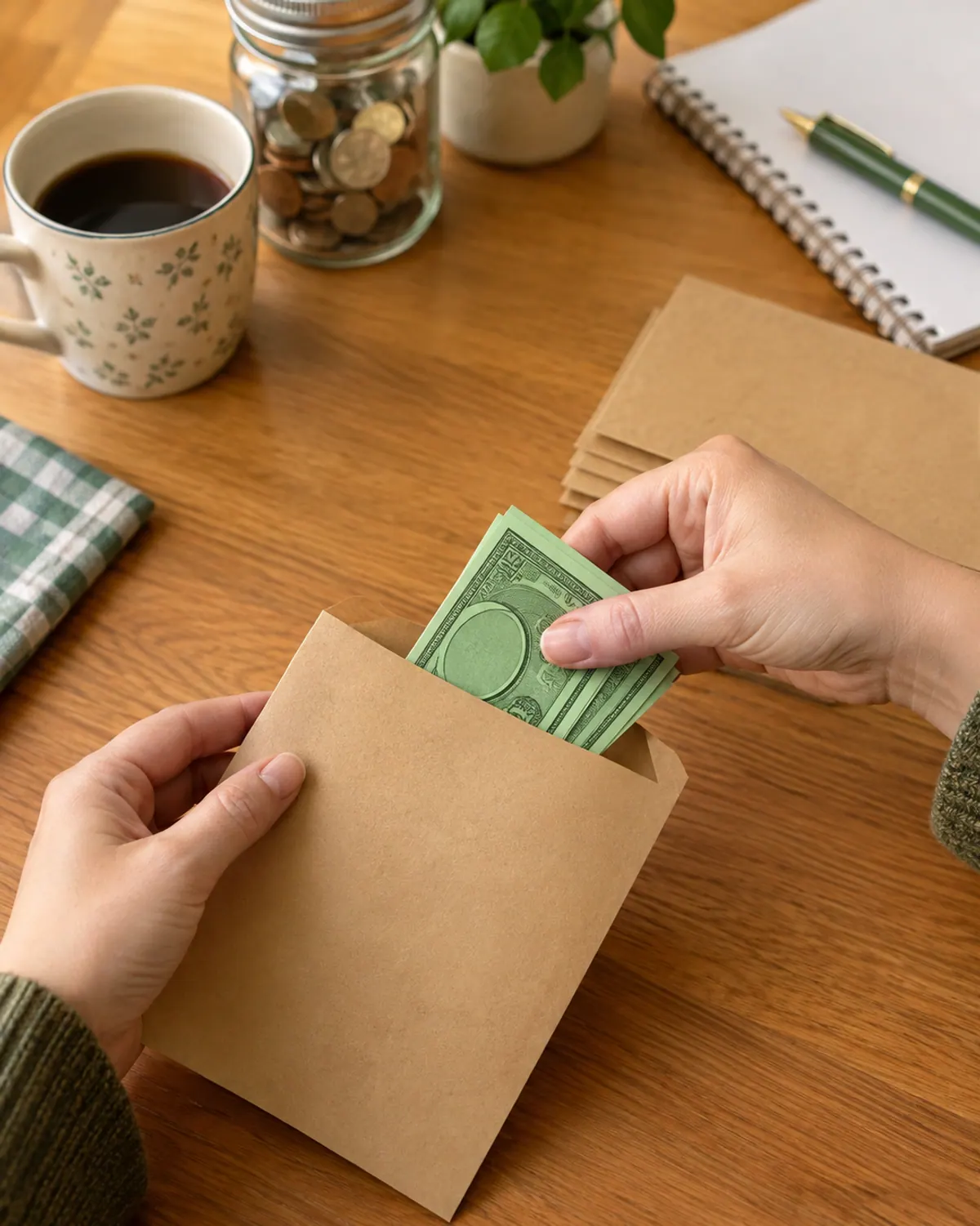
Step 4: Stuff and write it down
Put the cash in each envelope and write the amount on a small tracker card or the envelope back.
-
Step 5: Spend from the envelope only
Take the grocery envelope to the store. When it's empty, that category is done until next payday.
-
Step 6: Leftover cash gets a job
Move leftovers to a savings envelope or deposit them. That's where the challenges below come in.
Envelope Ideas: Binder, Wallet, DIY Paper or Zip Bags
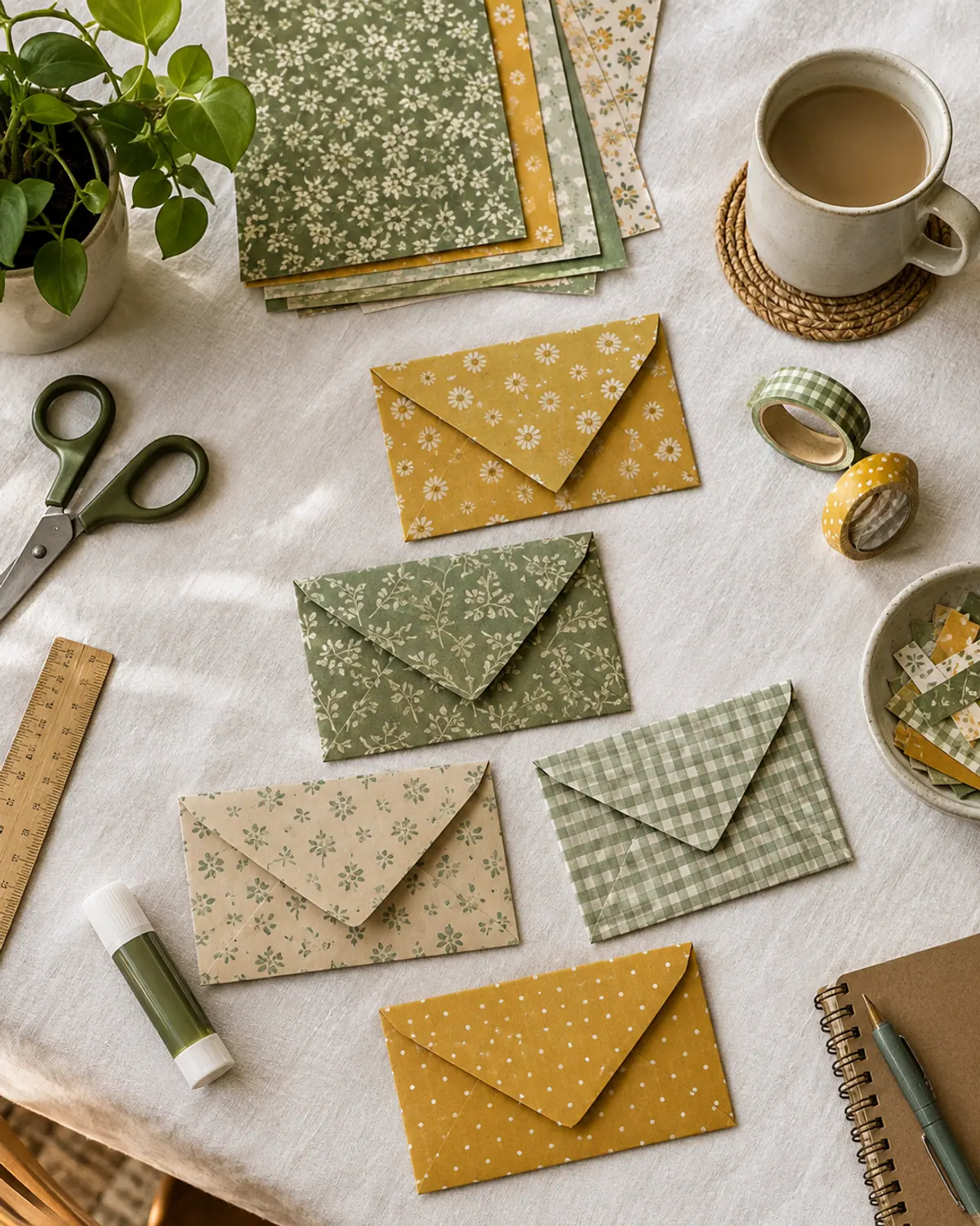
You don't need to buy anything. Old mail envelopes work. If you'd like something sturdier, here are the common options with example costs.
Helpful, not required
-
A6 cash budget binder kit
Typically $9 to $17
Zipper pockets keep coins and bills from slipping out.
Check price on Amazon for A6 cash budget binder kit -
A6 zipper envelope packs
Typically $8 to $12
Add more categories to a binder you already have.
Check price on Amazon for A6 zipper envelope packs -
Paper cash envelope pack
Typically $8 to $16
Cheapest sturdy option, easy to label.
Check price on Amazon for Paper cash envelope pack -
Small lockable cash box
Typically $10 to $20
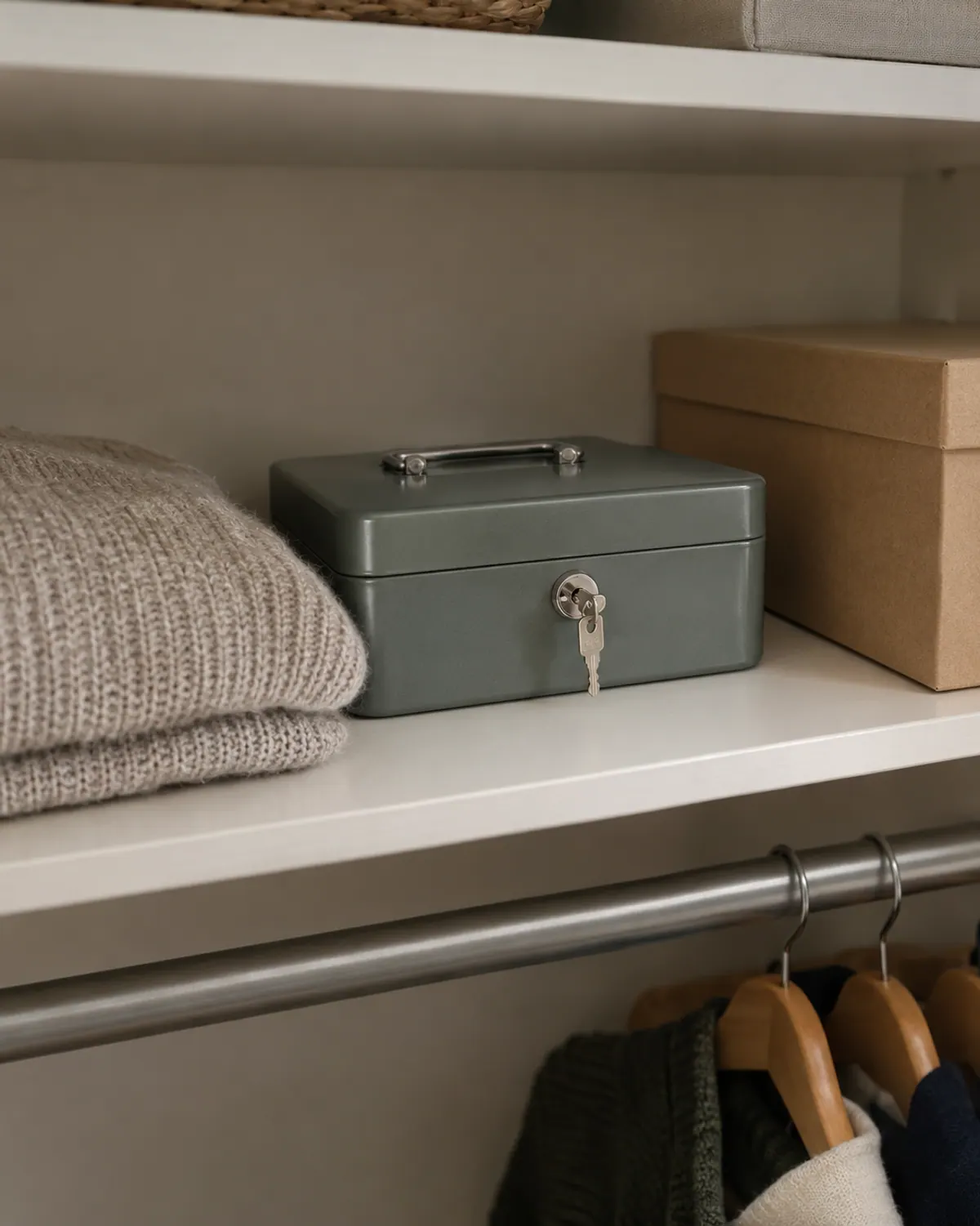
A safer place at home than a drawer.
Check price on Amazon for Small lockable cash box
Savings Challenges Inside the Binder (A6 Charts)
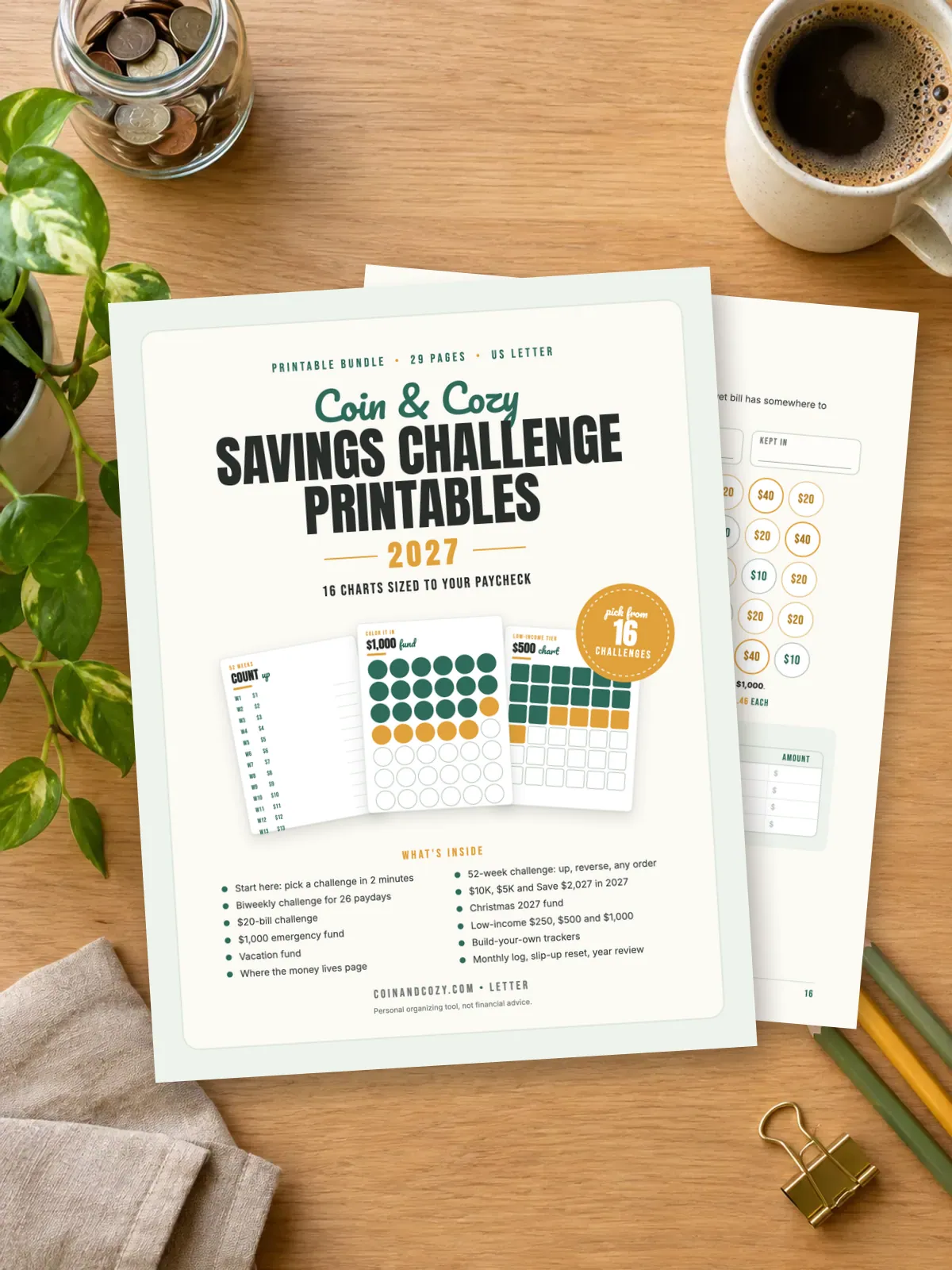
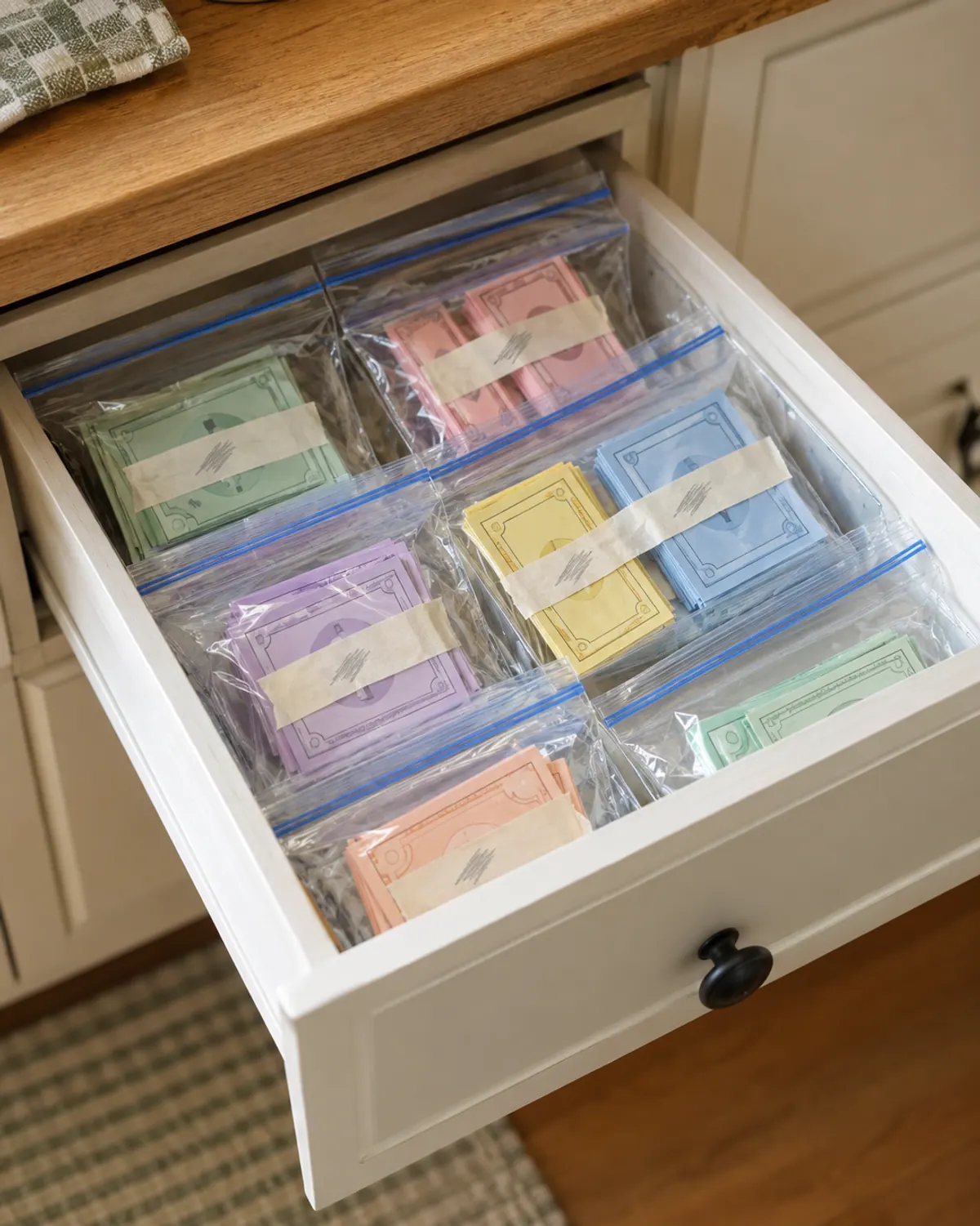
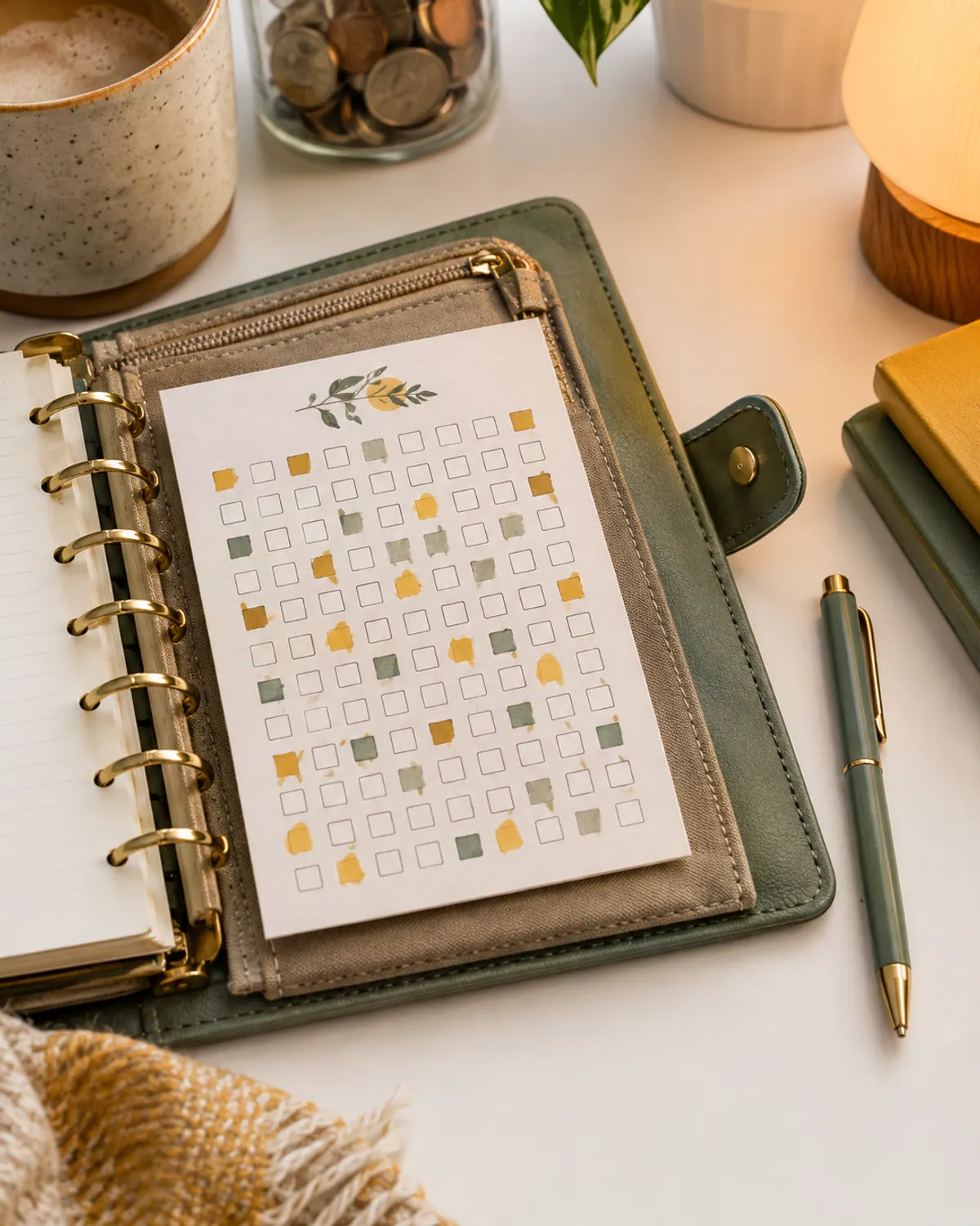
Many people add a savings envelope with a small chart in front of it and color a box each time they add money. The Cozy Savings Challenge Bundle 2027 has an A6 version of its savings challenge charts sized for cash binders, including a 52-week chart, a reverse version and smaller $250, $500 and $1,000 charts, plus a page that helps you pick a challenge that fits your paycheck.
Cash Stuffing Downsides: Interest, Theft and Awkward Checkouts
This is the part that gets skipped. Experian puts the biggest risk plainly: "If you lose your cash, it's likely gone for good." Cash at home also earns no interest, and you lose the rewards and purchase protections a card can give. Some checkouts and most online stores don't take cash at all.
Where to Keep Cash Safely
Cash Stuffing Myths vs Reality
| Myth | Reality |
|---|---|
| You need an expensive binder | Any envelope works; the system is the limit, not the binder |
| It means paying everything in cash | Most people stuff only 3 to 5 spending categories |
| Cash at home is a good place for savings | It earns no interest and isn't insured; deposit savings |
| If you overspend once, it failed | Moving cash between envelopes is part of the system |
Cash Stuffing Mistakes by Month 2
Most people who quit do it in month two. The usual reasons: amounts set too low, too many envelopes, and no plan for leftovers. Look at which envelope ran out first, raise it a little, lower another, and keep going. If you're using envelopes for savings too, our 100 envelope challenge guide shows how the math works and how to pace it.
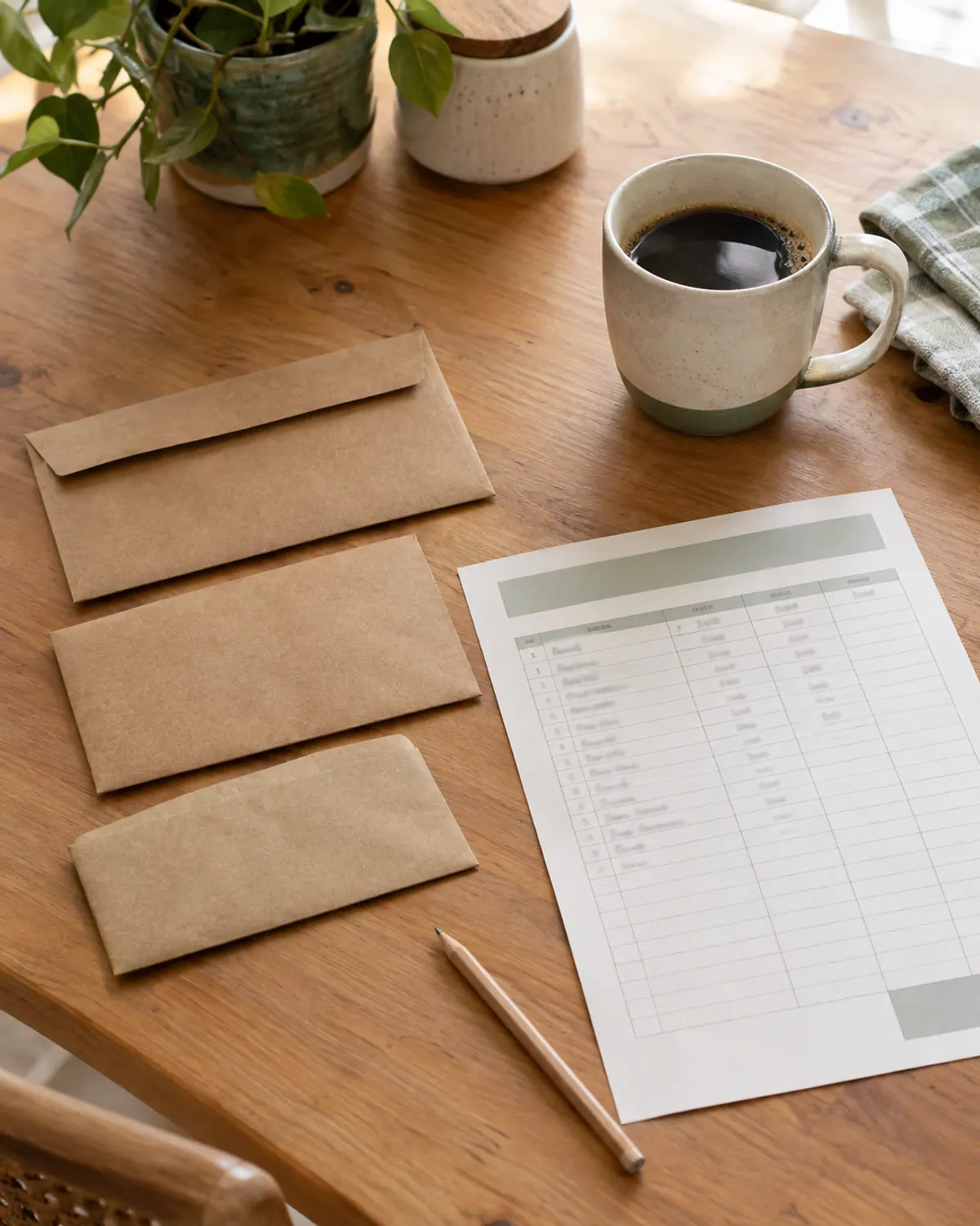
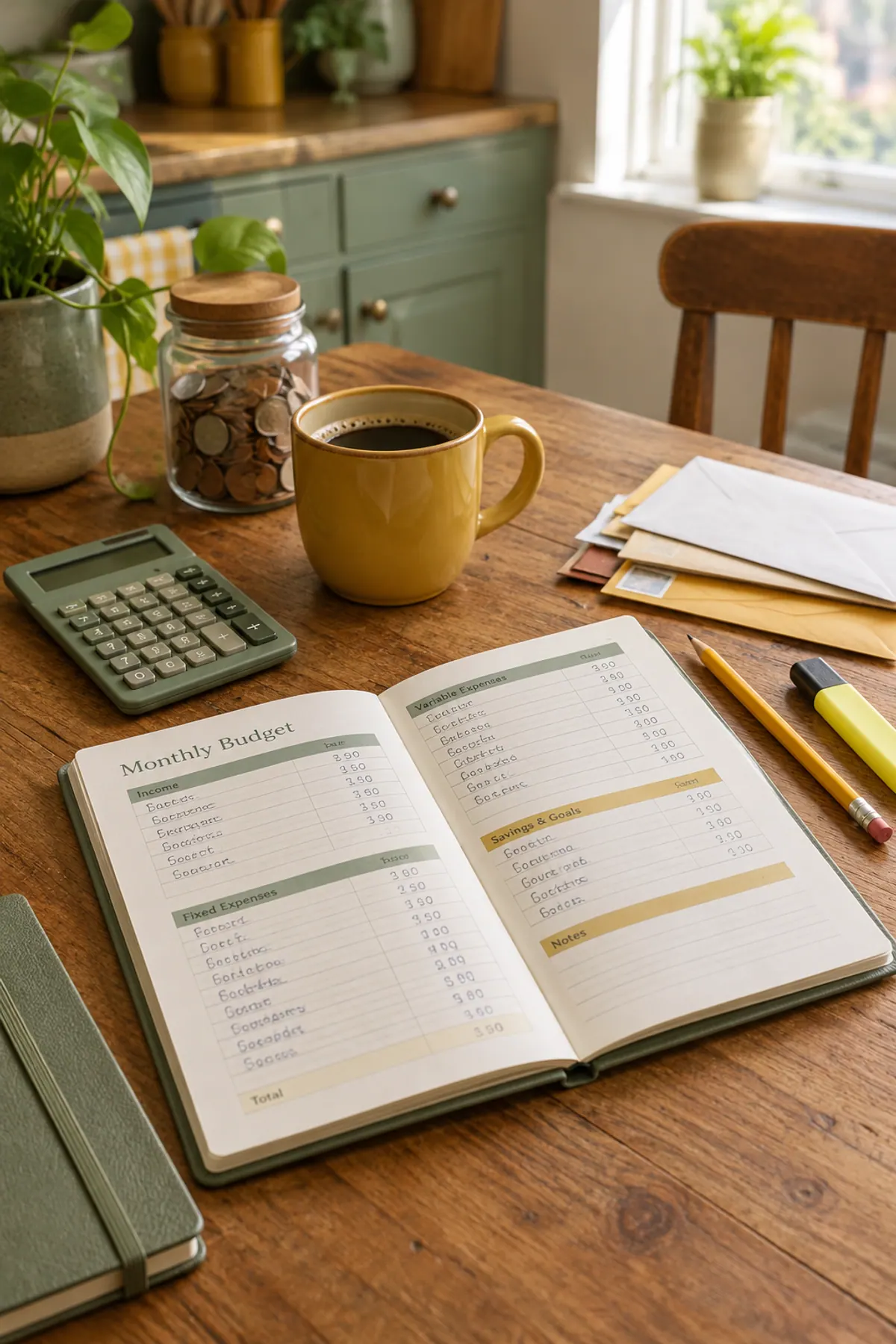
Want the whole money system together, from the budget planner to the trackers and savings charts? The Cozy Money Binder below gathers it in one bundle.
Frequently asked questions
How much money should I start cash stuffing with?
Only what you'd spend in those categories before your next payday. Many beginners start with a few hundred dollars across 3 to 5 envelopes. These are example amounts, not financial advice.
What are the best cash stuffing categories for beginners?
Groceries, gas, household items, eating out and fun money. They're paid in person and change week to week, which is where cash limits help most.
Should I put savings in cash envelopes?
It's fine for a few days as part of a challenge, but deposit savings into a bank account regularly. Cash at home earns no interest and isn't covered by deposit insurance.
Does cash stuffing hurt your credit?
Paying cash doesn't hurt your score, but it doesn't build credit history either. If you're building credit, keep a card for a small bill and pay it in full.
Can I do cash stuffing without cash?
Yes. Many banks let you create separate savings buckets, and budgeting apps offer digital envelopes. It's the same idea without carrying cash.
Save it for later
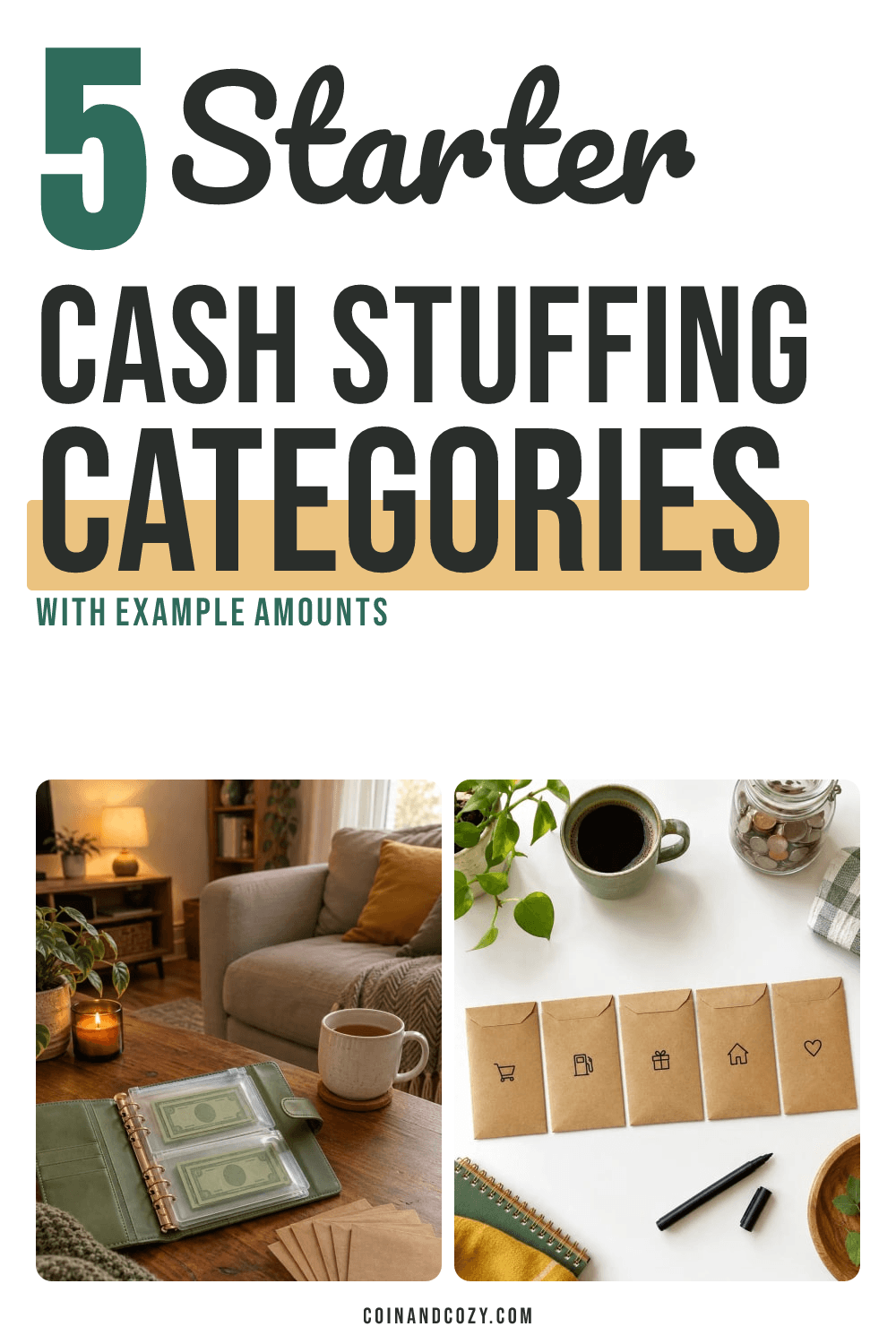
Pin this to your Budgeting Basics board so it's there when you need it.
Save to Pinterest