This post contains affiliate links. As an Amazon Associate we earn from qualifying purchases, at no extra cost to you. Read our disclosure.
Safety first: This is general money education, not personalised financial advice. Please read our financial disclaimer before you start.
Key takeaways
- Write a keep list of 3 to 5 things you never cut before you start.
- Week one is for tracking, not cutting. You cannot fix a leak you have not found.
- Fix two leaks at a time in month one; the biggest wins are usually food away from home and subscriptions.
- Cozy habits like soup night, a home spa and free entertainment make frugal living last.
- Give saved money a job right away, or it disappears into everyday spending.
In this post63 sections
- What Frugal Living Means (and Why It Is Not the Same as Cheap)
- Start Here: Write Your Keep List Before You Cut Anything
- Frugal Living Tips for Beginners: Your First Week (Track, Then Find the Leaks)
- 1. Write Down Every Purchase for Seven Days
- 2. Read Last Month's Bank Statement With a Highlighter
- 3. List Every Subscription and Rate Each One 1 to 5
- 4. Do a Pantry, Fridge and Freezer Inventory
- 5. Add Up What You Spend on Food Away From Home
- 6. Turn On Low-Balance and Large-Purchase Alerts
- 7. Unsubscribe From Store Emails and Delete Saved Cards
- 8. Pick One No-Spend Day This Week
- 9. Find Your Three Biggest Bills
- 10. Choose Your First Two Leaks
- Ways to Save Money With Frugal Living in Your First Month
- 11. Cancel or Pause the Subscriptions You Rated 1 or 2
- 12. Swap Two Takeout Nights for Two Cheap Home Dinners
- 13. Make Coffee at Home Most Days
- 14. Carry a Water Bottle and a Snack
- 15. Shop With a List and a Number
- 16. Use the Library for Books, Movies and More
- 17. Try a 24-Hour Rule for Anything Over $30
- 18. Call One Provider and Ask for a Better Rate
- 19. Use a Cashback App on Groceries You Already Buy
- 20. Turn the Thermostat Down a Couple of Degrees and Add a Layer
- 21. Unplug or Use a Smart Strip for the TV Corner
- 22. Swap the Bulbs in the Lamps You Use Most
- Frugal Living Life Hacks for the Kitchen (Reusable Basics That Pay Back)
- 23. Switch Most Paper Towels to Cloth
- 24. Store Leftovers Where You Can See Them
- 25. Cover Food With Reusable Lids Instead of Wrap
- 26. Freeze Bread, Bananas and Herbs Before They Turn
- 27. Plan One Use-It-Up Dinner a Week
- 28. Cook Rice and Beans in Batches
- 29. Pack Lunch Three Days a Week
- 30. Make Your Own Seasoning Mixes
- 31. Brew a Pot of Tea or Coffee for the Afternoon
- Cozy Frugal Habits: Free Comfort That Replaces Spending
- 32. Make Sunday Soup Night a Ritual
- 33. Do a Home Spa Night Instead of a Salon Visit
- 34. Swap Paid Entertainment for Free Nights
- 35. Host a Potluck Instead of Meeting at a Restaurant
- 36. Keep a Cozy Kit by the Couch
- 37. Use Free Workouts
- 38. Plan Fun Before You Need It
- 39. Pick One Weekly Treat on Purpose
- Secondhand, Repair and Reuse: The Frugal Middle Ground
- 40. Shop Secondhand First for Clothes and Coats
- 41. Learn Three Small Repairs
- 42. Check Buy Nothing Groups and Free Shelves
- 43. Borrow Before You Buy
- 44. Use What You Have First
- 45. Sell What You No Longer Use
- 46. Wash Clothes in Cold Water and Air-Dry Some
- 47. Buy Good Basics Once
- 48. Keep a Want List Instead of Buying Now
- 49. Gift Time and Homemade Things
- 50. Review Your Keep List Every Season
- Extreme Frugal Living Tips vs Cozy Frugal: Where to Draw Your Line
- Frugal Living Tips for Seniors and Fixed Incomes
- Single Mom Budget Frugal Living Tips
- Frugal Living Tips for Large Families
- Where the Saved Money Goes: A Challenge Chart and Your 2027 Planner
- FAQ
What Frugal Living Means (and Why It Is Not the Same as Cheap)
Cheap is about paying the lowest price. Frugal is about deciding what is worth your money and cutting the rest without guilt. A cheap person buys the $8 boots that split in one winter. A frugal person buys secondhand boots that last five, and still orders takeout on Friday because Friday takeout is on their keep list.
That difference is why so many people quit frugal living after two weeks. They cut everything at once, the house feels cold and joyless, and one bad day ends in a big spend. The tips below are ordered to avoid that: first you choose what stays, then you watch where the money goes, then you fix the leaks one at a time, and only then do the habits become part of how you live.
If you want the bill-by-bill version with dollar ranges for rent, phone and insurance, we cover it in money saving tips that add up every month. This guide is the beginner on-ramp: what to do in your first week, your first month and for the long run.
Start Here: Write Your Keep List Before You Cut Anything
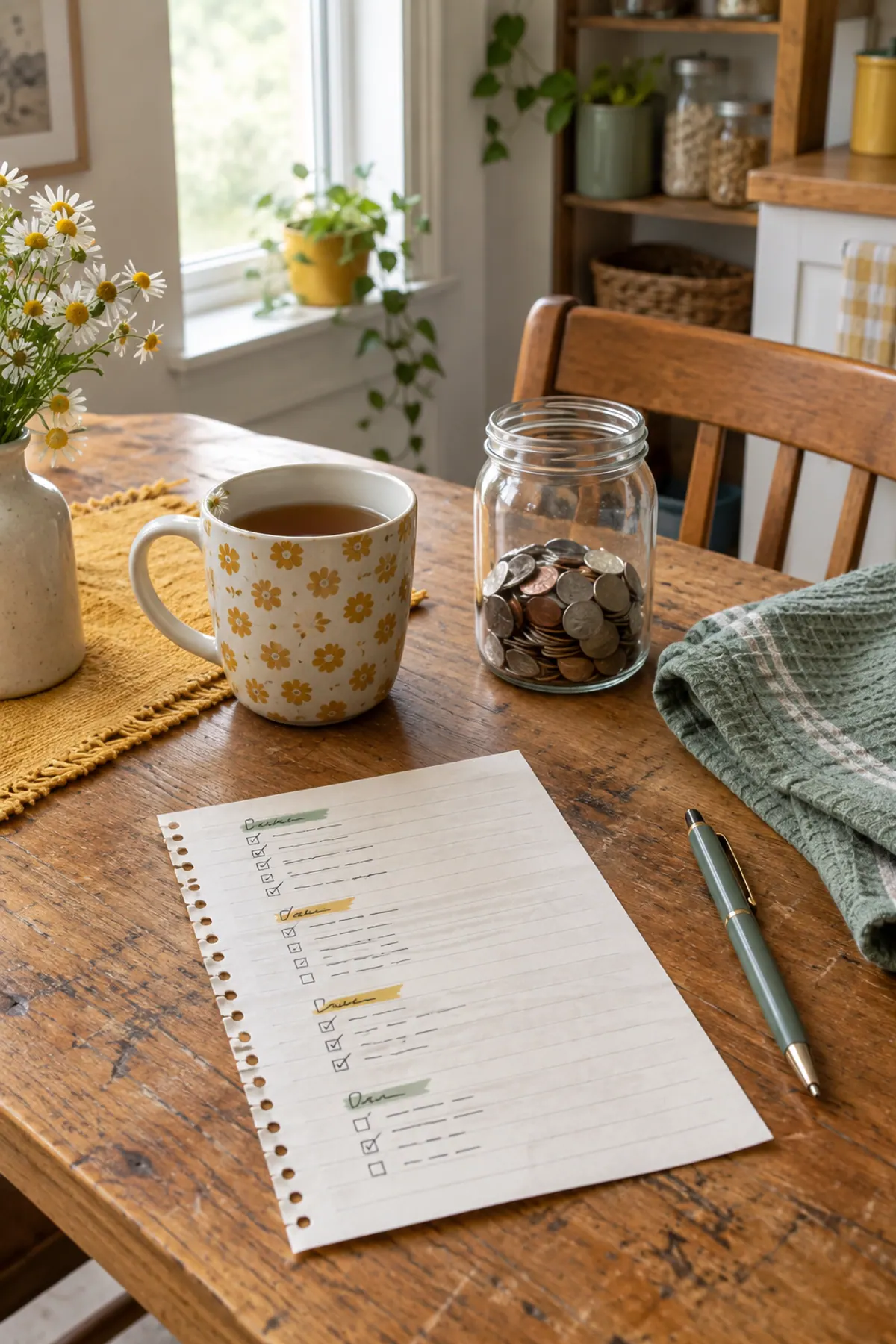
A keep list is three to five things you will not cut, no matter what. They are the reason frugal living will feel like a choice instead of a punishment. Write it down before you look at a single bank statement.

Your keep list (pick 3 to 5)
Everything else is open to change. When a tip below touches something on your keep list, skip it. There are 49 others.
Frugal Living Tips for Beginners: Your First Week (Track, Then Find the Leaks)
Week one is not about cutting. It is about seeing. Most beginners are surprised by where the money goes, and you cannot fix a leak you have not found. The example savings in this section are small on purpose, because the real payoff is the list of leaks you will work on next.
1Write Down Every Purchase for Seven Days
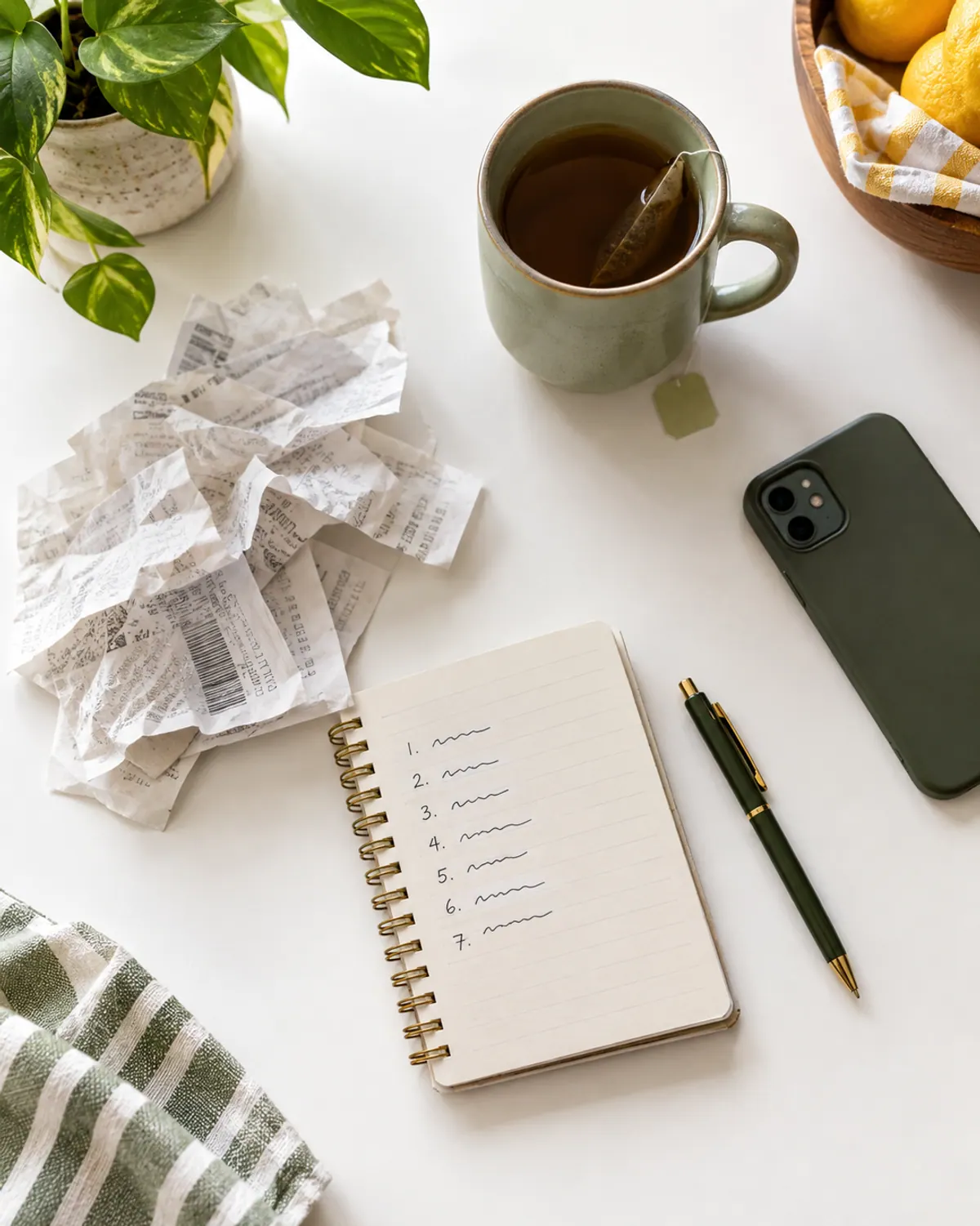
Every coffee, every app charge, every gas stop. Use a pocket notebook or the notes app, whatever you will actually open. Do not judge the list yet; just write.
- Example monthly saving: none directly. This is the map for every other tip.
2Read Last Month's Bank Statement With a Highlighter

Go line by line and highlight anything that repeats: subscriptions, delivery fees, the same store three times a week. Repeats are where most of the easy money hides.
- Example monthly saving: varies, often $20 to $60 once you act on what you find (example).
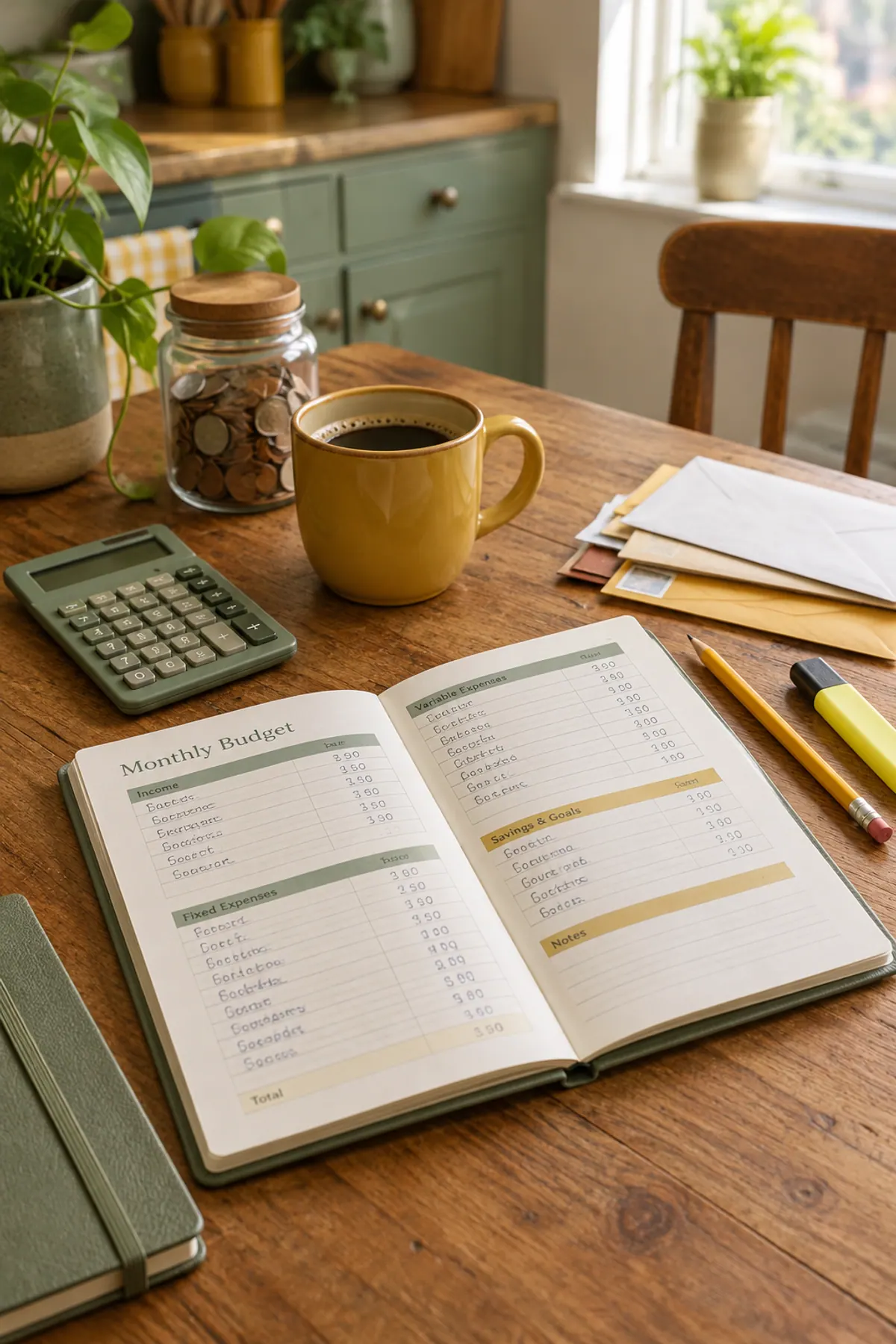
If seeing it all in one place helps, the Cozy Budget Planner 2027 has a spending tracker and a page for the monthly bills you find, so week one turns straight into a plan.
3List Every Subscription and Rate Each One 1 to 5
Streaming, apps, cloud storage, memberships, boxes. Anything you rate a 1 or 2 is a cancel candidate for week two. Anything on your keep list stays.
- Example monthly saving: $10 to $30 if you cancel two (example).
4Do a Pantry, Fridge and Freezer Inventory
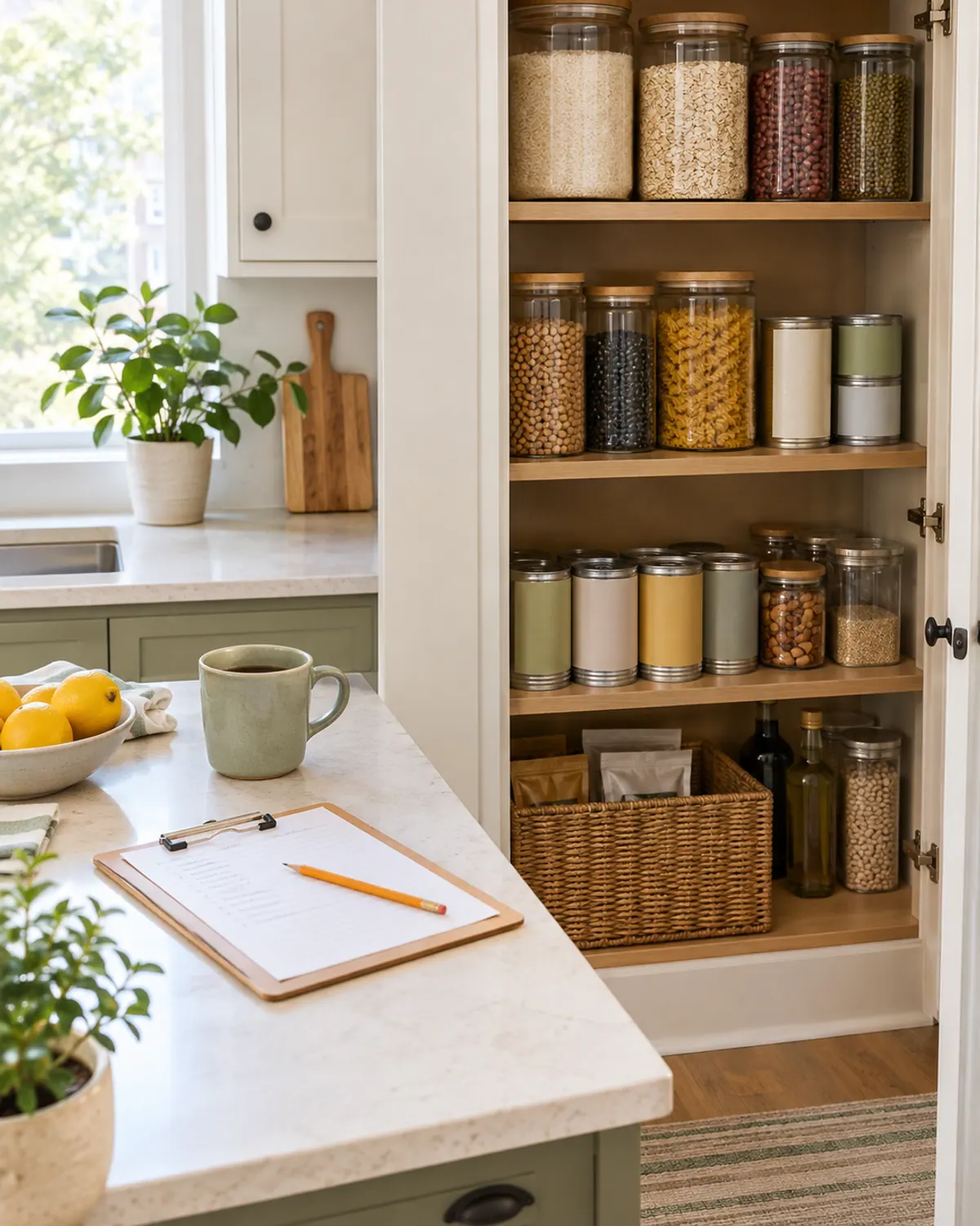
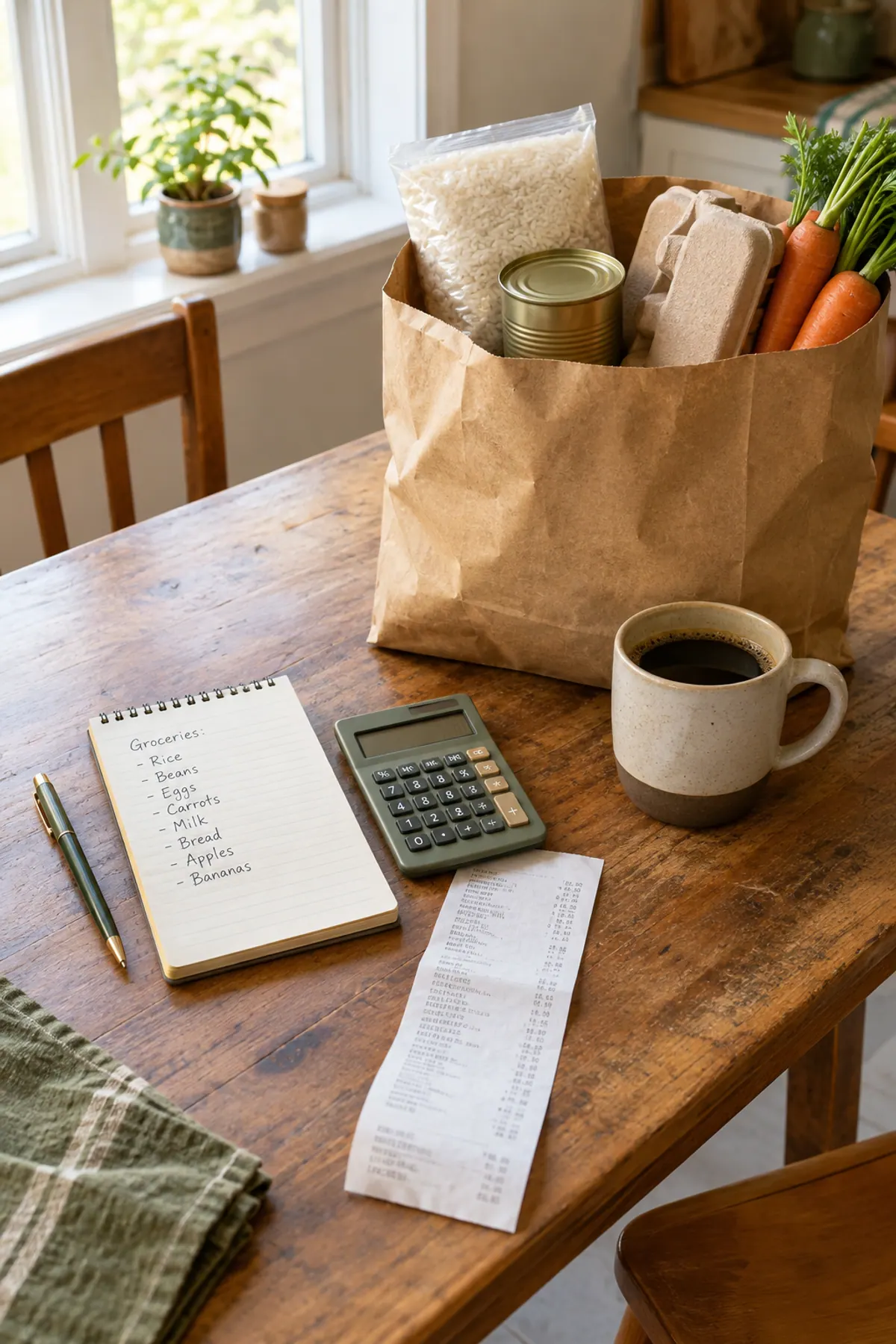
Write down what you already have before the next grocery trip. Most kitchens hold several dinners that nobody has noticed.
- Example monthly saving: $15 to $40 in groceries you do not buy that week (example).
5Add Up What You Spend on Food Away From Home
Takeout, delivery, coffee, vending and lunch out, in one number. It is often the biggest flexible line in a budget and the one people guess lowest.
- Example monthly saving: none yet, but this number sets the target for tips 12 and 13.
6Turn On Low-Balance and Large-Purchase Alerts
Most banking apps let you get a text when the balance drops under a number you pick. It is a free early warning that helps you avoid overdraft and late fees.
- Example monthly saving: $0 to $35 per fee avoided (example; fees vary by bank).
7Unsubscribe From Store Emails and Delete Saved Cards
Sale emails and one-click checkout are designed to make buying easy. Making it a little harder gives you a pause to ask if you need it.
- Example monthly saving: varies; the saving is the impulse buys that do not happen.
8Pick One No-Spend Day This Week
Just one day with no purchases at all. It shows you how much of your spending is habit, and it is easier than a full challenge.
- Example monthly saving: $5 to $25 (example).
9Find Your Three Biggest Bills
Usually housing, a car and food. Small wins are nice, but one change on a big bill can beat twenty small ones. Our beginner budget guide walks through ordering them.
- Example monthly saving: none directly; this tells you where to look first.
10Choose Your First Two Leaks
From everything you wrote down, pick two leaks to fix in month one. Two, not ten. Small wins keep you going.
- Example monthly saving: depends on what you pick; this is where the real money starts.
Ways to Save Money With Frugal Living in Your First Month
Now you cut, one leak at a time. Each tip here has an example monthly saving, rounded and based on typical prices in late 2026. Yours will be different, but the order of size is usually close.
11Cancel or Pause the Subscriptions You Rated 1 or 2
Many services let you pause instead of cancel, which is easier to say yes to. Rotate streaming: keep one at a time and switch when you have finished the show.
- Example monthly saving: $10 to $30 (example).
12Swap Two Takeout Nights for Two Cheap Home Dinners
Not all of them, just two a week. Pick dinners that are fast enough to beat the delivery app. Our cheap dinner ideas for 2 are each under $10 in our examples.
- Example monthly saving: $80 to $200 for a couple, based on swapping a $30 to $35 takeout night for an $8 dinner (example).
13Make Coffee at Home Most Days
Keep the café coffee as a treat if it is on your keep list. A bag of good beans at home costs less per cup than one café drink.
- Example monthly saving: $30 to $80 if you swap four or five café drinks a week (example).
14Carry a Water Bottle and a Snack
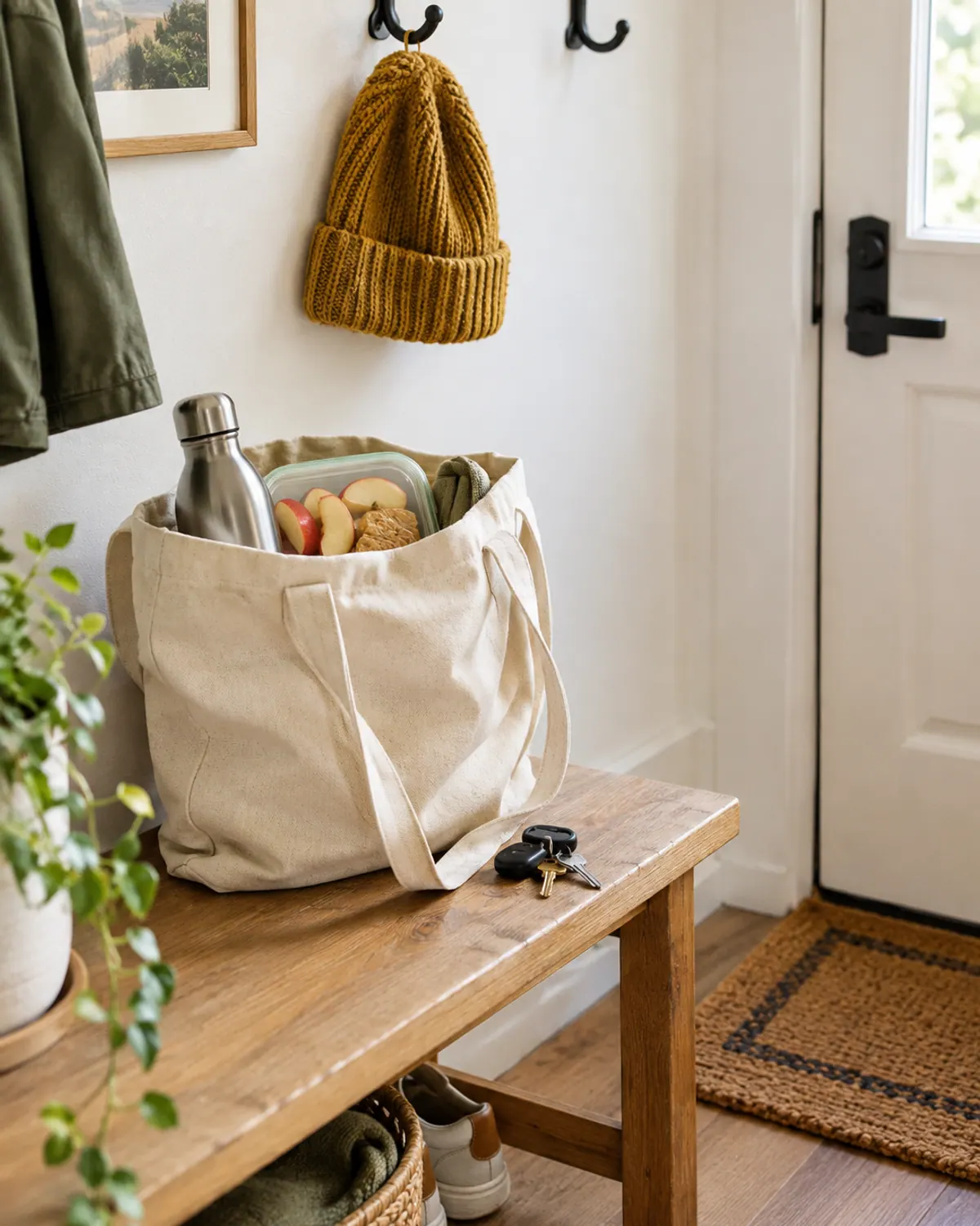
The $3 bottled drink and the $4 snack at the gas station add up fast. A packed tote by the door makes it automatic.
- Example monthly saving: $15 to $40 (example).
Keeps water cold or tea hot all day, which takes the bottled drink and coffee stop off the list.
15Shop With a List and a Number
Write the list from your inventory (tip 4), then write the total you plan to spend at the top. Our grocery tactics ranked by payoff go deeper on store brands, unit prices and pickup orders.
- Example monthly saving: $20 to $60 (example).
16Use the Library for Books, Movies and More

Library cards often cover e-books, audiobooks, movies, magazines and sometimes museum passes. Check what yours offers before you buy.
- Example monthly saving: $10 to $30 if it replaces one or two purchases (example).
17Try a 24-Hour Rule for Anything Over $30
Put it in the cart, close the app and wait a day. If you still want it tomorrow and it fits the plan, buy it without guilt.
- Example monthly saving: varies; often the biggest saving of the month for impulse shoppers.
18Call One Provider and Ask for a Better Rate
Internet, phone or insurance. Ask what promotions exist for current customers, and whether a lower plan covers what you use. The by-bill guide has a short script.
- Example monthly saving: $10 to $40 if it works (example; not every call does).
19Use a Cashback App on Groceries You Already Buy
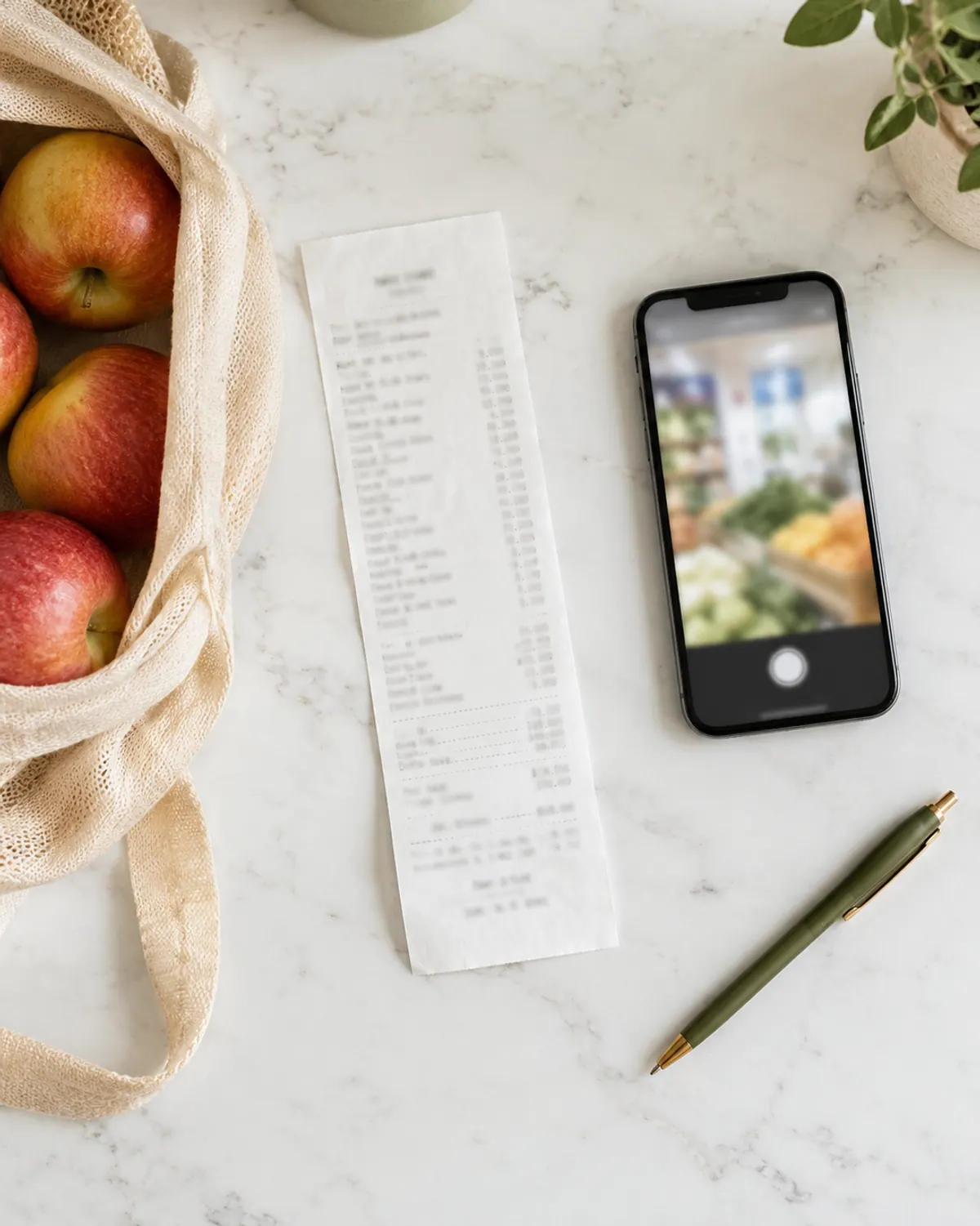
Apps like Ibotta and Fetch give small rewards for scanning receipts or picking offers. They only save money if you do not buy extra to earn points.
- Example monthly saving: $3 to $15 for most people (example).
20Turn the Thermostat Down a Couple of Degrees and Add a Layer
A warm throw, wool socks and a draft stopper make a cooler house feel cozy. The U.S. Department of Energy notes that turning heat back while you sleep or are out can trim heating costs.
- Example monthly saving: $5 to $25 in winter (example; depends on your home and fuel).
Blocks the cold gap under a door, so the room you sit in stays warmer at the same thermostat setting.
21Unplug or Use a Smart Strip for the TV Corner
Consoles, cable boxes and speakers draw a little power on standby. A smart strip turns them off together.
- Example monthly saving: $2 to $8 (example).
Cuts power to the TV, console and speakers when they are off, instead of leaving them on standby.
22Swap the Bulbs in the Lamps You Use Most
Start with the three or four lights that are on every evening. LED bulbs use much less power and last for years.
- Example monthly saving: $2 to $6 for a few bulbs (example).
Uses a fraction of the power of old incandescent bulbs and lasts for years in the lamps you use most.
Frugal Living Life Hacks for the Kitchen (Reusable Basics That Pay Back)
The kitchen is where frugal habits pay back fastest, because you are in it every day. These are small swaps that stop money from going in the trash, either as paper or as food. For the full grocery side, see our grocery savings guide.
23Switch Most Paper Towels to Cloth
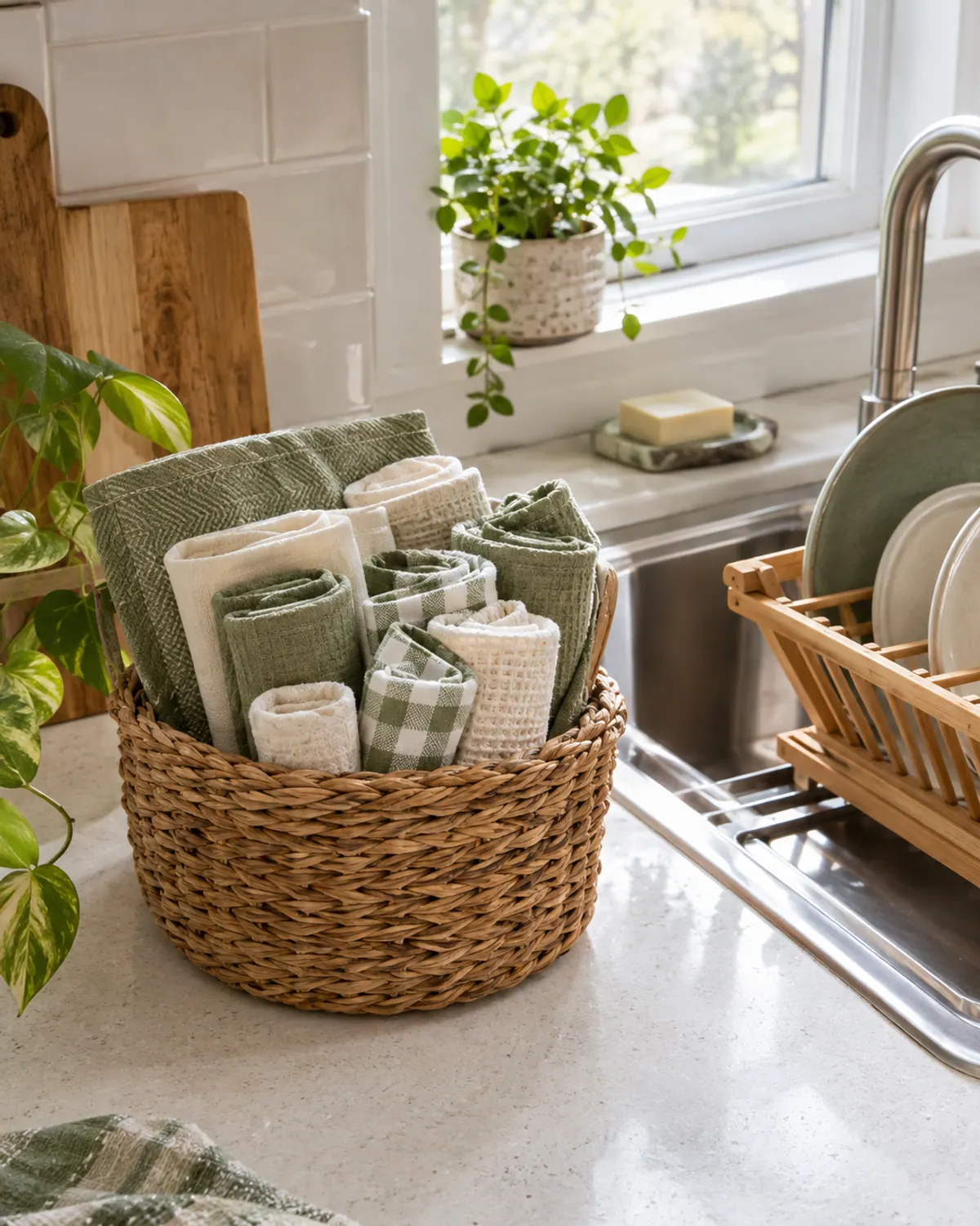
Keep one roll for the truly gross jobs and use cloth for the rest. A basket of folded cloths on the counter makes it easy.
- Example monthly saving: $4 to $12 (example).
A stack of washable cloths covers most of what a paper towel roll does, and they go in with the regular laundry.
24Store Leftovers Where You Can See Them
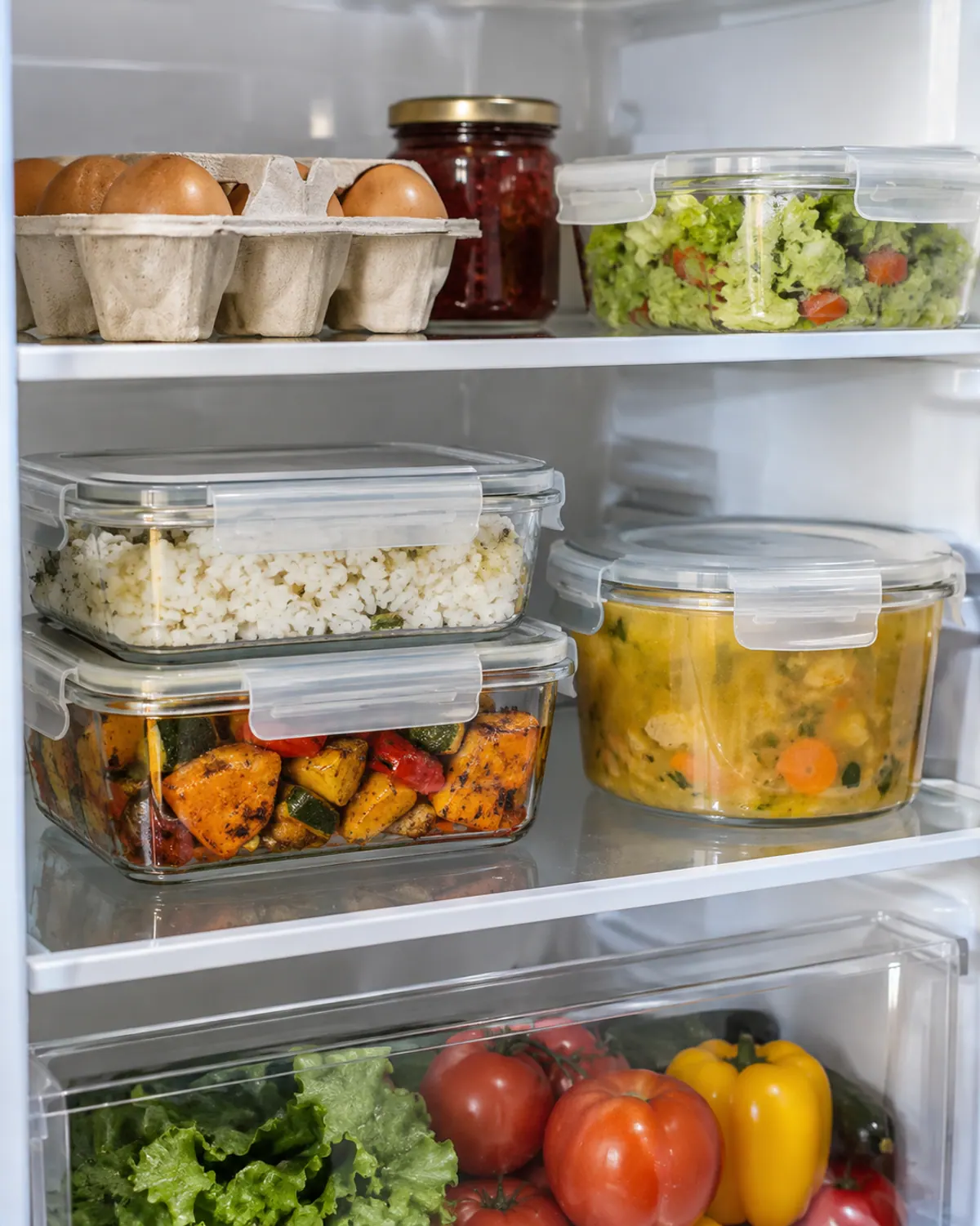
Clear containers on the front of the middle shelf get eaten. Foil packs at the back do not.
- Example monthly saving: $10 to $30 in food not thrown out (example).
Clear glass shows you the leftovers, so they get eaten instead of forgotten at the back of the fridge.
25Cover Food With Reusable Lids Instead of Wrap
Silicone lids and reusable bags replace most plastic wrap and zip bags, and they make half an onion easy to save.
- Example monthly saving: $2 to $6 (example).
Covers half a lemon, a bowl or a can without plastic wrap or zip bags that get thrown out.
26Freeze Bread, Bananas and Herbs Before They Turn
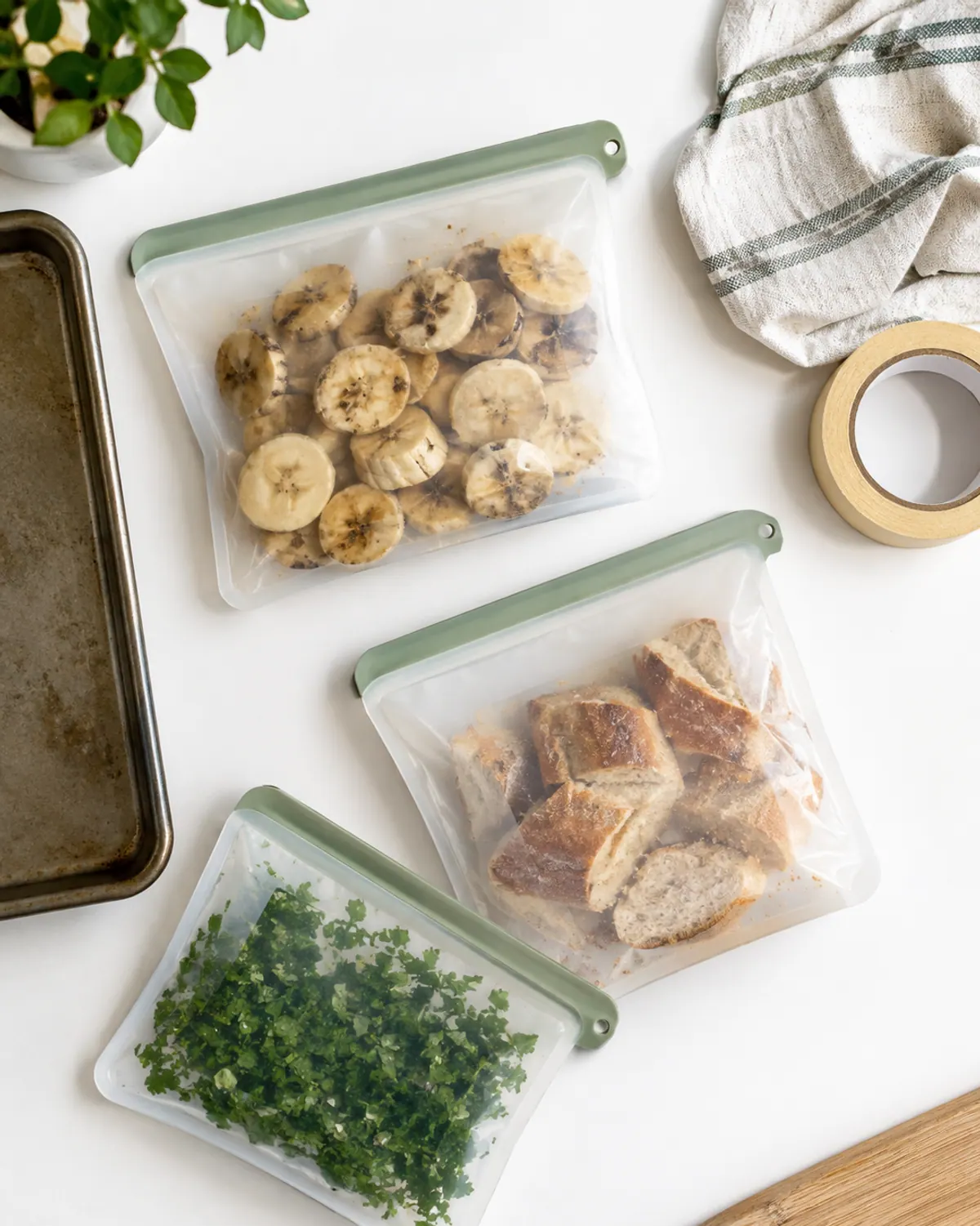
Half a loaf goes straight into the freezer. Brown bananas become smoothie packs. Herbs go in a little oil in an ice cube tray.
- Example monthly saving: $5 to $15 (example).
27Plan One Use-It-Up Dinner a Week
Fried rice, soup, a big salad or quesadillas built from whatever is left before the next shop.
- Example monthly saving: $8 to $20 (example).
28Cook Rice and Beans in Batches
A big pot on Sunday covers three or four meals. Dried beans cost less than canned, but canned is still a bargain if time is short.
- Example monthly saving: $5 to $15 (example).
29Pack Lunch Three Days a Week
Leftovers in a container are the simplest version. Three days is easier to stick with than five.
- Example monthly saving: $30 to $75 if it replaces three bought lunches a week (example).
30Make Your Own Seasoning Mixes
Taco, ranch-style and Italian blends are just spices you probably own. Packets cost much more per spoon.
- Example monthly saving: $2 to $6 (example).
31Brew a Pot of Tea or Coffee for the Afternoon

An insulated bottle of home coffee covers the 3pm café run. Our cheap meal plans pair well with this; see cheap meals on a budget.
- Example monthly saving: $10 to $30 (example).
Cozy Frugal Habits: Free Comfort That Replaces Spending
This is the part most frugal lists skip, and it is the part that keeps you going. When home feels good, you spend less trying to feel better somewhere else. None of these cost much, and several are free.
32Make Sunday Soup Night a Ritual

A pot of soup, bread and a candle on the table feels special and costs very little. It also makes Monday's lunch.
- Example monthly saving: $10 to $25 compared with a takeout Sunday (example).
33Do a Home Spa Night Instead of a Salon Visit

A hot bath, a face mask and the good towels. Save the salon for the things on your keep list.
- Example monthly saving: $15 to $50 if it replaces one paid treatment (example).
34Swap Paid Entertainment for Free Nights
Game nights, a library movie, a long walk to see the lights. Couples can find 17 priced ideas in cheap date ideas at home, and our January survival list has 31 free things to do.
- Example monthly saving: $20 to $80 (example).
35Host a Potluck Instead of Meeting at a Restaurant
Everyone brings one dish. You still see friends, and nobody pays a restaurant bill.
- Example monthly saving: $20 to $60 per get-together (example).
36Keep a Cozy Kit by the Couch
A throw, wool socks and a book. It sounds small, but it is what makes a lower thermostat bearable.
- Example monthly saving: no direct saving; it makes tip 20 stick.
37Use Free Workouts
Walks, free video classes and a library yoga mat cover a lot. If the gym is on your keep list, keep it.
- Example monthly saving: $10 to $50 if it replaces a paid class (example).
38Plan Fun Before You Need It
Bored weekends turn into shopping trips. Write two free plans on the calendar each weekend.
- Example monthly saving: varies; often the weekend spending you do not do.
39Pick One Weekly Treat on Purpose
Choosing your treat on purpose makes it feel better and keeps it from spreading into five small ones.
- Example monthly saving: no saving; it is what makes the rest work.
Secondhand, Repair and Reuse: The Frugal Middle Ground
You do not have to give up nice things. Buying used, fixing what breaks and using what you own lets you keep good quality at a lower price. This is where frugal and cozy meet.
40Shop Secondhand First for Clothes and Coats
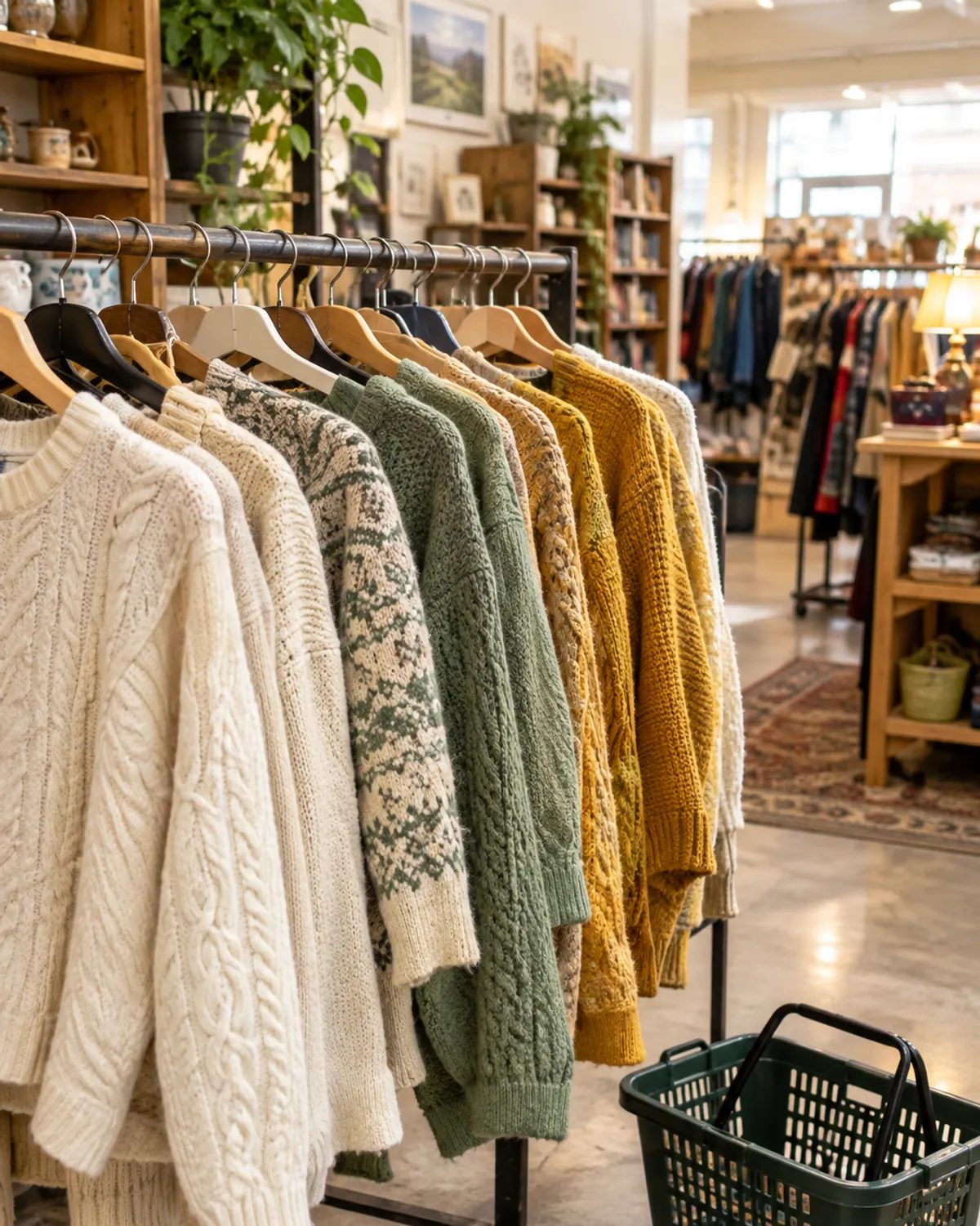
Thrift stores, consignment and online resale often have wool sweaters and winter coats for a fraction of new. Go with a list.
- Example monthly saving: $15 to $60 in a season you buy clothes (example).
41Learn Three Small Repairs
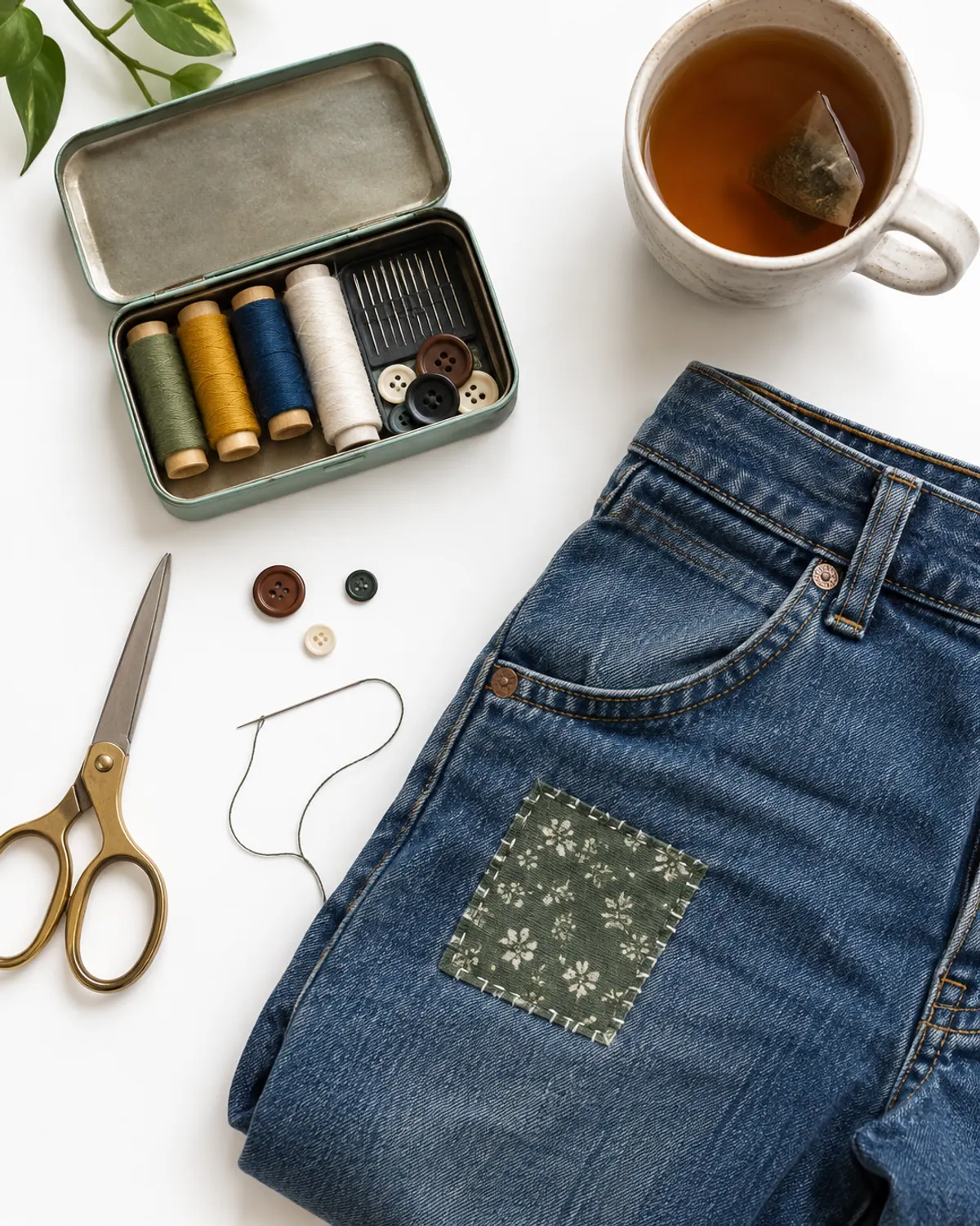
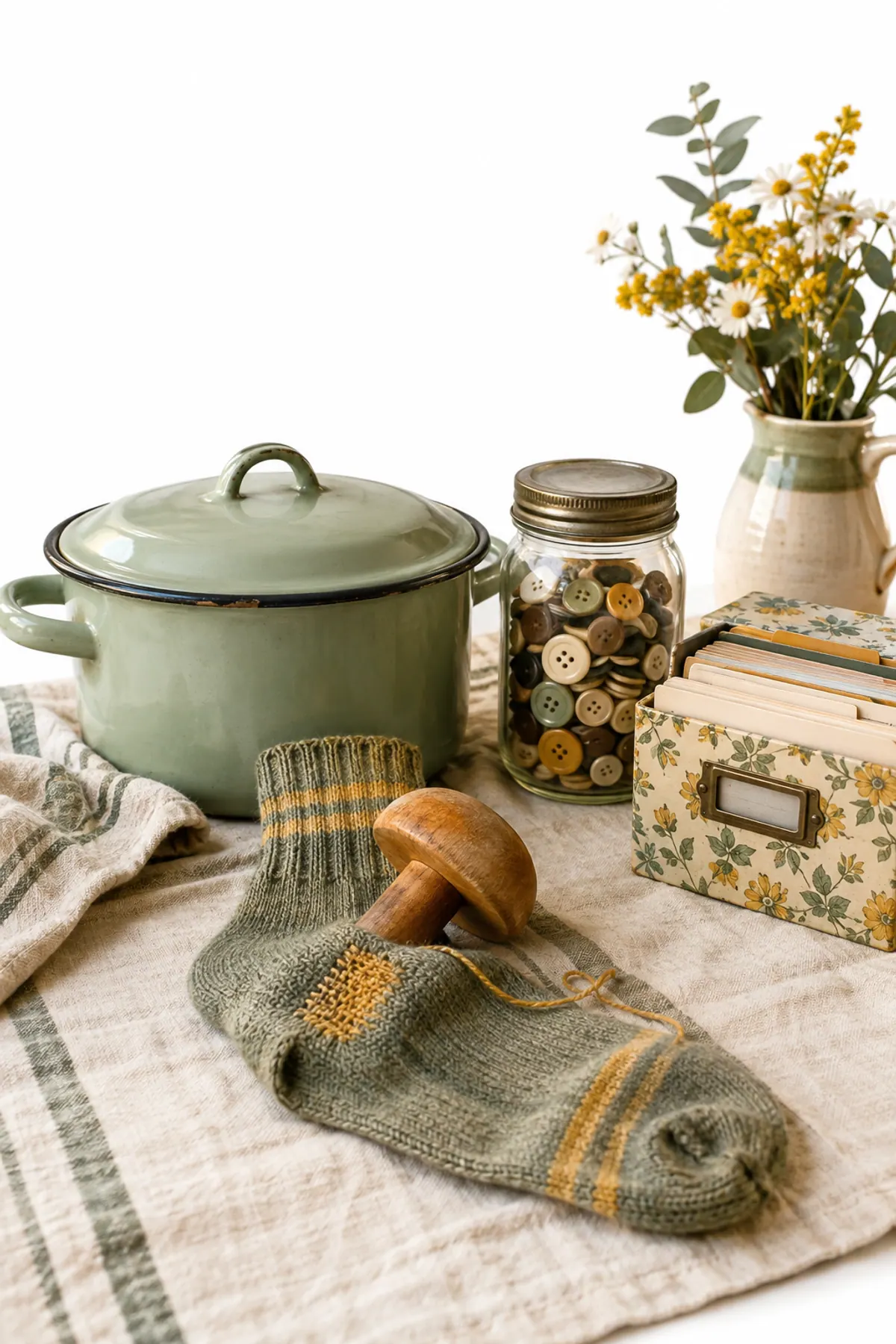
Sewing a button, fixing a hem and patching a hole keep clothes in use for years. Online video tutorials cover all three for free.
- Example monthly saving: $5 to $20 (example).
Needles, thread and spare buttons for the small repairs that keep a favorite sweater in the closet instead of the trash.
42Check Buy Nothing Groups and Free Shelves
Local giving groups and library free shelves are good for kids' clothes, books, jars and kitchen gear.
- Example monthly saving: varies; sometimes the whole cost of an item.
43Borrow Before You Buy
A ladder, a carpet cleaner, a pasta maker. Ask a neighbor, a friend or a tool library first.
- Example monthly saving: $10 to $50 per thing you borrow (example).
44Use What You Have First
Finish the lotion, the shampoo and the half-used notebook before you buy new.
- Example monthly saving: $5 to $20 (example).
45Sell What You No Longer Use
Clothes, kids' gear and furniture sell well locally. The money can go straight into savings.
- Example monthly saving: varies; one-time money, not monthly.
46Wash Clothes in Cold Water and Air-Dry Some
Cold washes and a drying rack for sweaters and jeans save energy and help clothes last longer.
- Example monthly saving: $3 to $10 (example).
47Buy Good Basics Once
For things you use every day, like a skillet, boots or a winter coat, a well-made used one can beat a cheap new one.
- Example monthly saving: none monthly; it pays back over years.
48Keep a Want List Instead of Buying Now
When you want something, write it on a list with the date. If it still matters in a month, it goes in the plan.
- Example monthly saving: varies.
49Gift Time and Homemade Things
A batch of cookies, a framed photo or a handwritten note can mean more than a store gift. Our Christmas gift saving guide has more.
- Example monthly saving: varies; can be large in December.
50Review Your Keep List Every Season
Your keep list will change. Look at it each season, add what you miss and drop what you no longer care about.
- Example monthly saving: no direct saving; it keeps frugal living from feeling like a punishment.
Extreme Frugal Living Tips vs Cozy Frugal: Where to Draw Your Line
Extreme frugal living, like reusing foil, cutting the cable bill to zero or living on one income in a big city, works well for some people. Many do it to pay off debt fast, save for a house or retire early, and they get results. It is a choice, not a joke.
Cozy frugal is a gentler version that fits most beginners. The difference is mostly about speed and comfort, not about which is better. You can move between them as your goals change.
| Extreme frugal | Cozy frugal | |
|---|---|---|
| Main goal | Save as much as possible, fast | Save steadily without feeling deprived |
| Keep list | Very short or none | 3 to 5 things you never cut |
| Food | Cooking nearly everything from scratch | Mostly home cooking, with planned treats |
| Home | Lowest bills, few extras | Lower bills, plus cheap comforts |
| Best for | Short sprints toward a big goal | Long-term habits for most households |
Frugal Living Tips for Seniors and Fixed Incomes
On a fixed income, the bills that rise each year matter more than small daily habits. A few places to look:
- Review your Medicare plan during open enrollment. It runs October 15 to December 7 each year, and plans change their costs and drug lists annually.
- Ask about senior discounts. Many stores, restaurants and transit systems offer them, but not all advertise it.
- Check energy assistance. The federal LIHEAP program helps eligible households with heating bills; call 211 to find local help.
- Use the library and senior centers for free classes, events and computer help.
- Look at your phone plan. Some carriers offer plans for customers 55 and older; compare against what you use.
Single Mom Budget Frugal Living Tips
When one income covers everything, the goal is fewer emergencies, not getting every line right. Focus on:
- A small emergency fund first. Even $250 to $500 can stop a car repair from turning into credit card debt. Our savings challenge printables include a $250 chart.
- Batch dinners on the weekend so weeknights do not end in takeout.
- Swap with other parents: clothes, rides and babysitting trades save real money.
- Call 211 to find local food, utility and child care help you may qualify for.
- Plan one free family outing each weekend so fun does not depend on spending.
Frugal Living Tips for Large Families
Bigger households save the most by buying and cooking at scale:
- Buy staples in bulk when the unit price is lower and you have space to store them.
- Cook double batches and freeze the second meal.
- Run a hand-me-down system with labeled bins by size.
- Set a family grocery list on the fridge so everyone adds what runs out.
- Use our 4-week frugal meal plan for cheap family dinners.
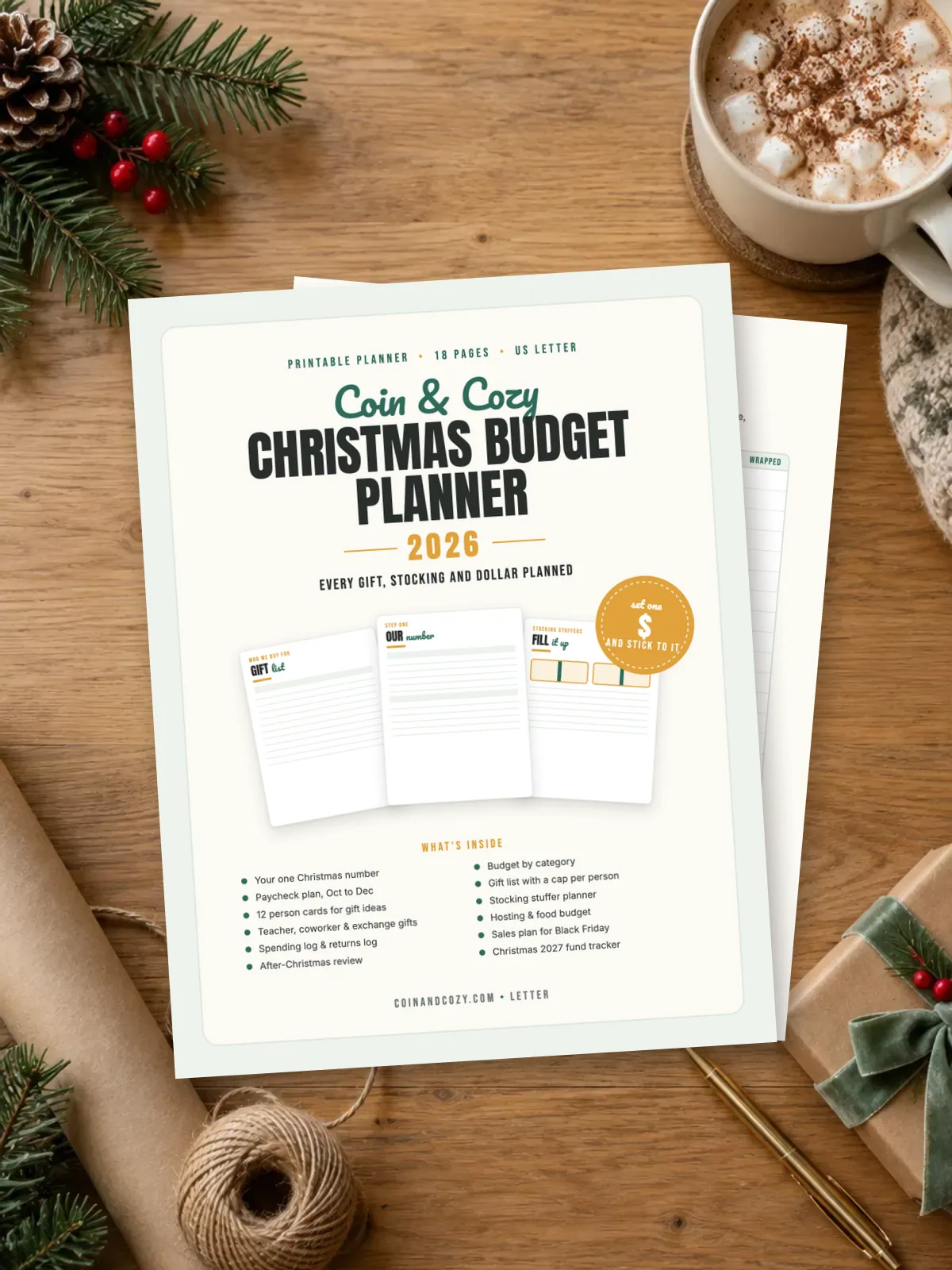
Christmas is the biggest spending month of the year for a lot of families, so it is the best place to put these habits to work first. The Cozy Christmas Budget & Gift Planner 2026 helps you set one Christmas number, give every dollar a line, and track each gift and receipt.
Where the Saved Money Goes: A Challenge Chart and Your 2027 Planner
Money you save but do not move tends to disappear into everyday spending. Give it a job: an emergency fund, a debt, a Christmas 2027 fund or a trip.
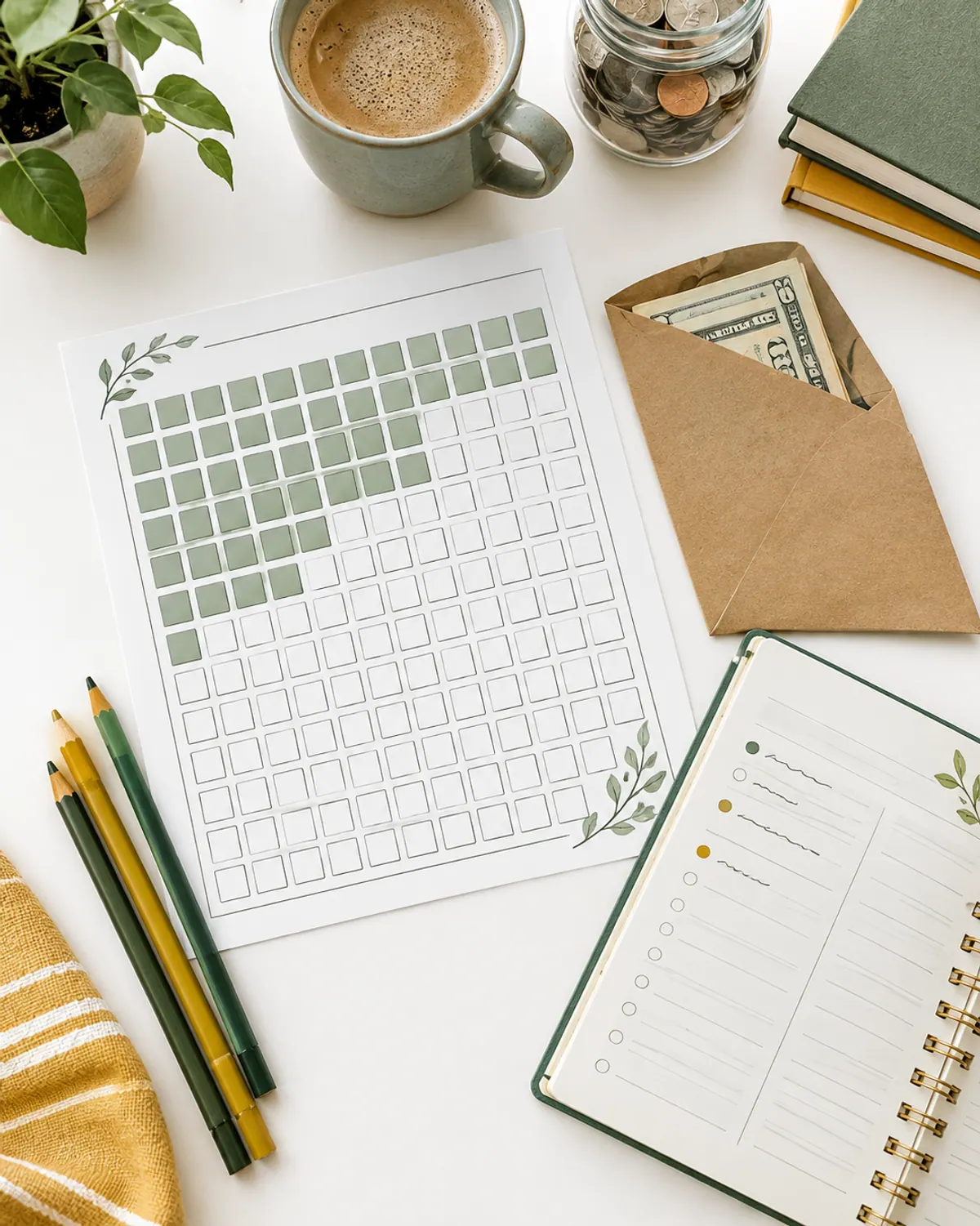
Here is example math: if your first month of tips frees up $150, and you keep it up for a year, that is about $1,800 in this example. Your numbers will be different, but even half that is a real emergency fund.
The Savings Challenge Bundle 2027 has a 52-week chart, a biweekly chart, $250, $500 and $1,000 charts, plus emergency, Christmas 2027 and vacation fund trackers. Color in a box each time a tip saves you money.
This article is general frugal living information, not financial advice. Every saving here is a rounded example, not a promise. If you want to start free, the Cozy Savings Challenge Pack has a 100-envelope chart and a no-spend tracker.
Frequently asked questions
How do I start living frugally?
Start with a keep list of three to five things you will not cut. Then track every purchase for a week, highlight repeats on your bank statement, and pick two leaks to fix in your first month. Add new habits a few at a time.
What is the difference between frugal and cheap?
Cheap means paying the lowest price, even if quality suffers. Frugal means spending on what matters to you and cutting what does not. A frugal person might pay more for boots that last, and still keep a weekly treat.
How can I live frugally without feeling deprived?
Protect a few things on purpose with a keep list, make home comfortable with cheap cozy habits, and change a little at a time. Most people who feel deprived cut everything at once.
How much can frugal living save per month?
It depends on your income, bills and habits. In our examples, the first month of tips can free up $100 to $300 for many households, mostly from food away from home and subscriptions. These are examples, not promises.
What should a beginner cut first?
Start with what you rated lowest during your tracking week, usually unused subscriptions and takeout. Those two often give the biggest saving with the least pain.
What are extreme frugal living tips?
Extreme frugal living goes further: cooking nearly everything from scratch, cutting most extras and very low bills. It works well for short sprints toward big goals. Cozy frugal is a gentler version for long-term habits.
Save it for later
Pin this to your Frugal Living Tips board so it's there when you need it.
Save to Pinterest