This post contains affiliate links. As an Amazon Associate we earn from qualifying purchases, at no extra cost to you. Read our disclosure.
Safety first: This is general money education, not personalised financial advice. Please read our financial disclaimer before you start.
Key takeaways
- USDA's Thrifty Food Plan for May 2026 put a family of four (two adults, kids 6 to 8 and 9 to 11) at about $235 a week, so that is the yardstick, not a target.
- The highest-payoff tips happen before you shop: a weekly number, a pantry check and a list written around the sale ad.
- Store-brand staples and unit-price checks are low-effort swaps you can make on your next trip.
- Aldi is cutting prices on about a third of its regular products through at least November 3, 2026 (KCTV5, September 23, 2026), which makes this fall a good time to run a store price check.
- Write down 30 days of receipts before you judge any of this. Real totals beat estimates every time.
In this post36 sections
- How Much Should Groceries Cost? USDA Thrifty Food Plan Numbers as a Yardstick
- Before You Shop: 6 Planning Habits That Save the Most
- 1. Pick a weekly grocery number before you plan a single meal
- 2. Shop your pantry, fridge and freezer first (the 5-minute inventory)
- 3. Plan dinners around the weekly ad, not around cravings
- 4. Write the list by store section and treat it as the whole trip
- 5. Shop once a week, after a meal
- 6. Give leftovers a job before you cook
- Easy Ways to Save Money on Groceries at the Store (No Coupons Needed)
- 7. Switch plain staples to the store brand
- 8. Read the unit price, not the shelf price
- 9. Look low and high on the shelf
- 10. Buy whole, not pre-cut or pre-shredded
- 11. Skip snack-size packaging and portion at home
- 12. Use the store's free loyalty card and the digital coupons that clip themselves
- Aldi, Walmart or Your Regular Store? When Switching Stores Pays
- 13. Run a one-time 10-item price check
- 14. Split the trip only if both stores are on your route
- Grocery Hacks for Meat, Produce and Dairy (the Expensive Aisles)
- 15. Buy family packs of meat and split them into freezer portions the same day
- 16. Stretch meat with beans, lentils and eggs
- 17. Buy produce in season, and frozen the rest of the year
- 18. Buy block cheese, bigger milk and plain yogurt
- 19. Shop the markdown rack for same-day or freezer cooking
- Cut Food Waste: Storage and Leftover Habits That Keep Money in the Fridge
- 20. Keep an "eat first" bin and do a 5-minute fridge check before shopping
- 21. Store produce the way it wants to be stored
- 22. Freeze it before it turns
- 23. Cook once, eat twice (double the cheap dinners)
- Cash Back and Loyalty Apps: What They Actually Return
- 24. Scan receipts with a cashback app, but never shop for the offer
- 25. Keep every receipt for 30 days and write the totals down
- Grocery Shopping Mistakes That Quietly Cost a Family Every Month
- A 30-Day Grocery Savings Plan: Which Tips to Start With
- Track It: Your Grocery Budget Page (Cozy Budget Planner 2027)
- FAQ
How Much Should Groceries Cost? USDA Thrifty Food Plan Numbers as a Yardstick
Before you try to save money on groceries, it helps to know what "normal" looks like. The USDA publishes a monthly Cost of Food report, and its Thrifty Food Plan is the lowest-cost level. It assumes nearly every meal is cooked at home.
| Household | Thrifty plan, about per week |
|---|---|
| Woman, 20 to 50 | $58.20 |
| Man, 20 to 50 | $73.20 |
| Family of 4 (two adults, children 6 to 8 and 9 to 11) | $235.00 (about $1,018 a month) |
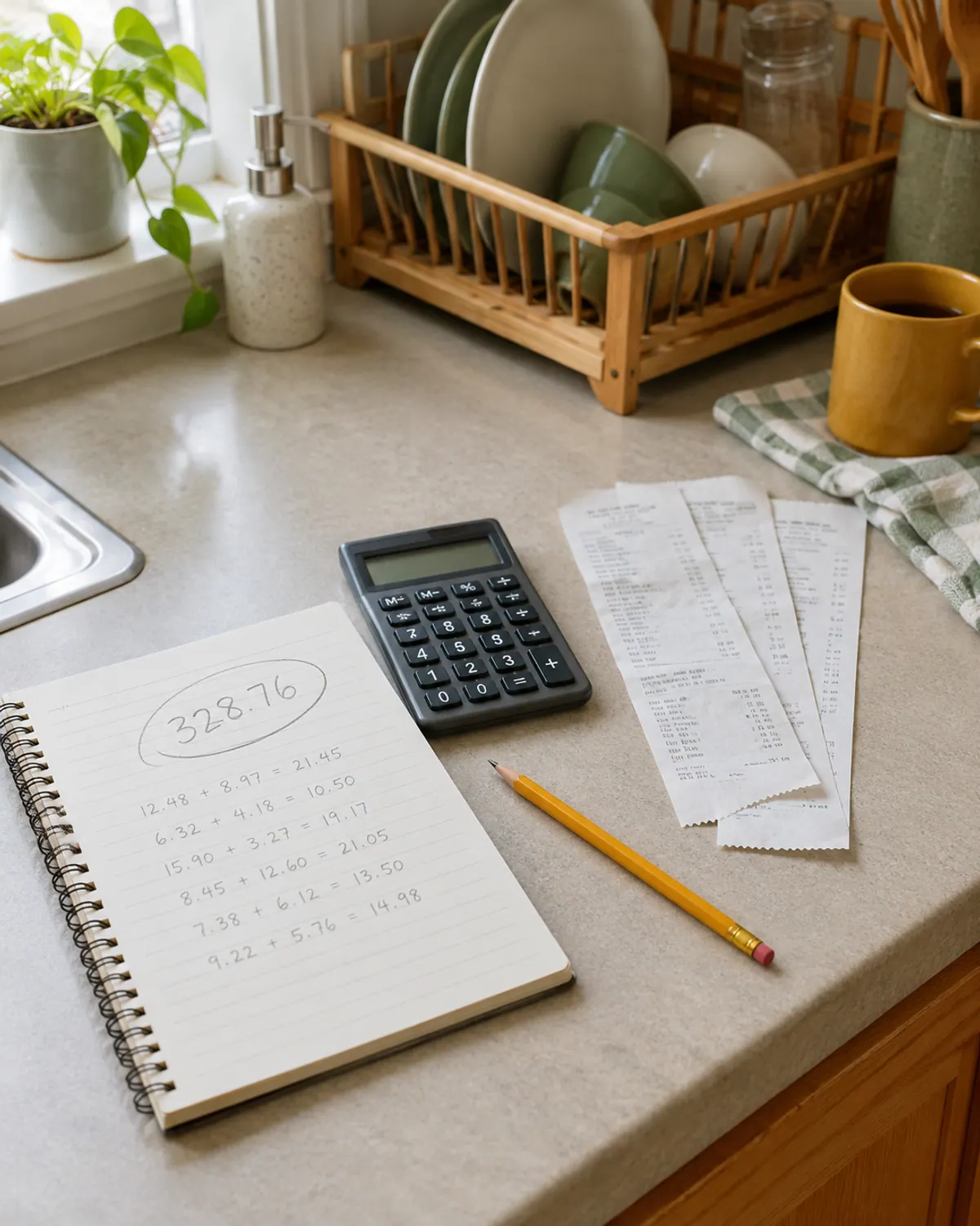
If your family of four spends $300 a week, the gap to that thrifty number is real money. If you already spend less, the goal is to hold the line while prices move. Either way, the tips below are ranked so the low-effort, high-payoff ones come first in each group.
One honest note: nobody can promise you a dollar amount. Where we show a number it is an example, and your store, your region and your family's appetite will move it.
Before You Shop: 6 Planning Habits That Save the Most
The biggest grocery savings happen at the kitchen table, not in the aisle. These six take 5 to 20 minutes a week and cost nothing.
1Pick a weekly grocery number before you plan a single meal
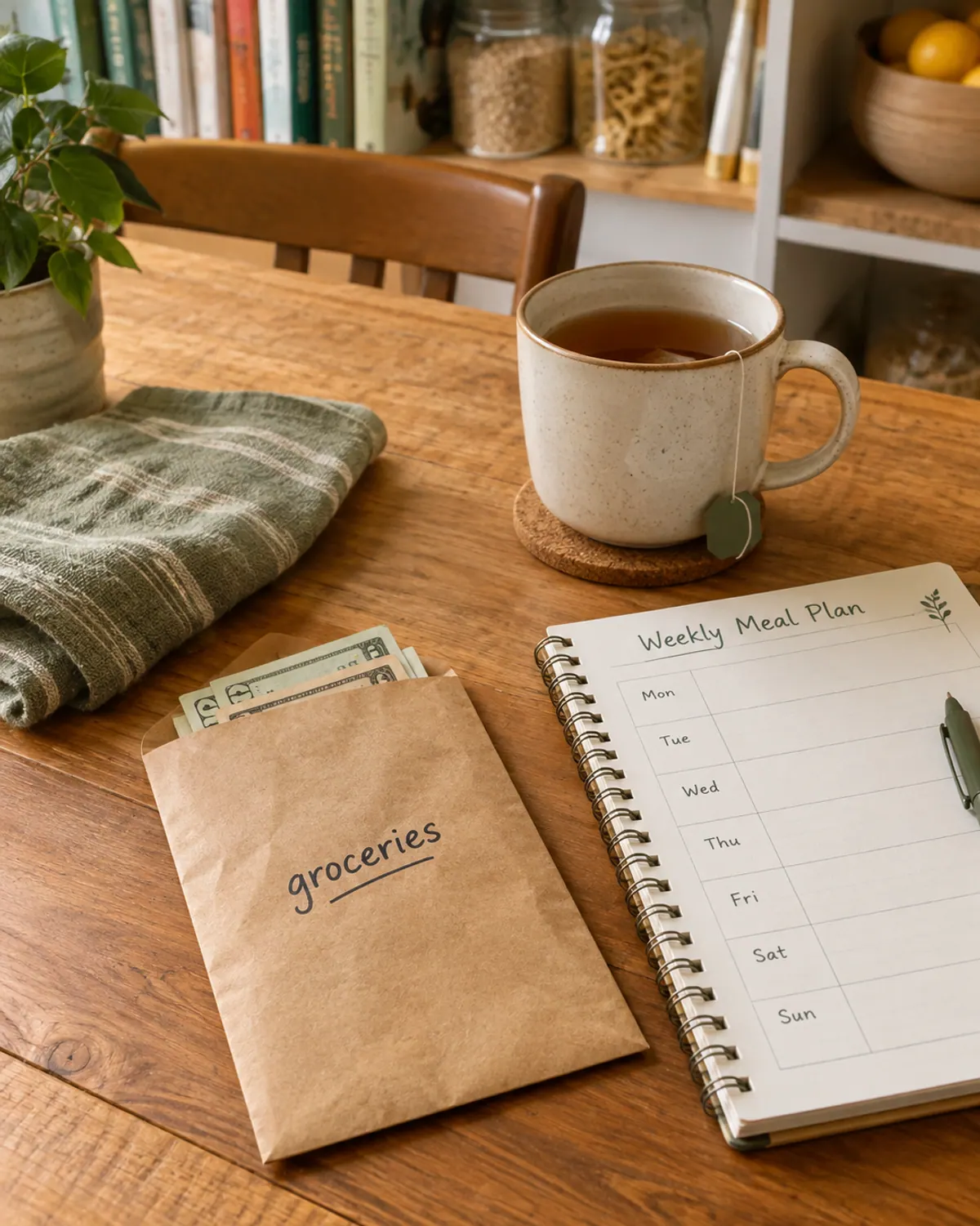
Most families shop to a list, not to a number, so the total surprises them at the register. Pick one weekly amount, write it at the top of your list, and plan meals to fit under it.
Use the USDA table above as a sanity check. If your number is well under it, plan simpler meals; if it is well over, you have room to trim without anyone noticing.
- Effort: low. Payoff: high. Example: a family that drifts from $220 to $190 a week keeps about $120 a month.
2Shop your pantry, fridge and freezer first (the 5-minute inventory)
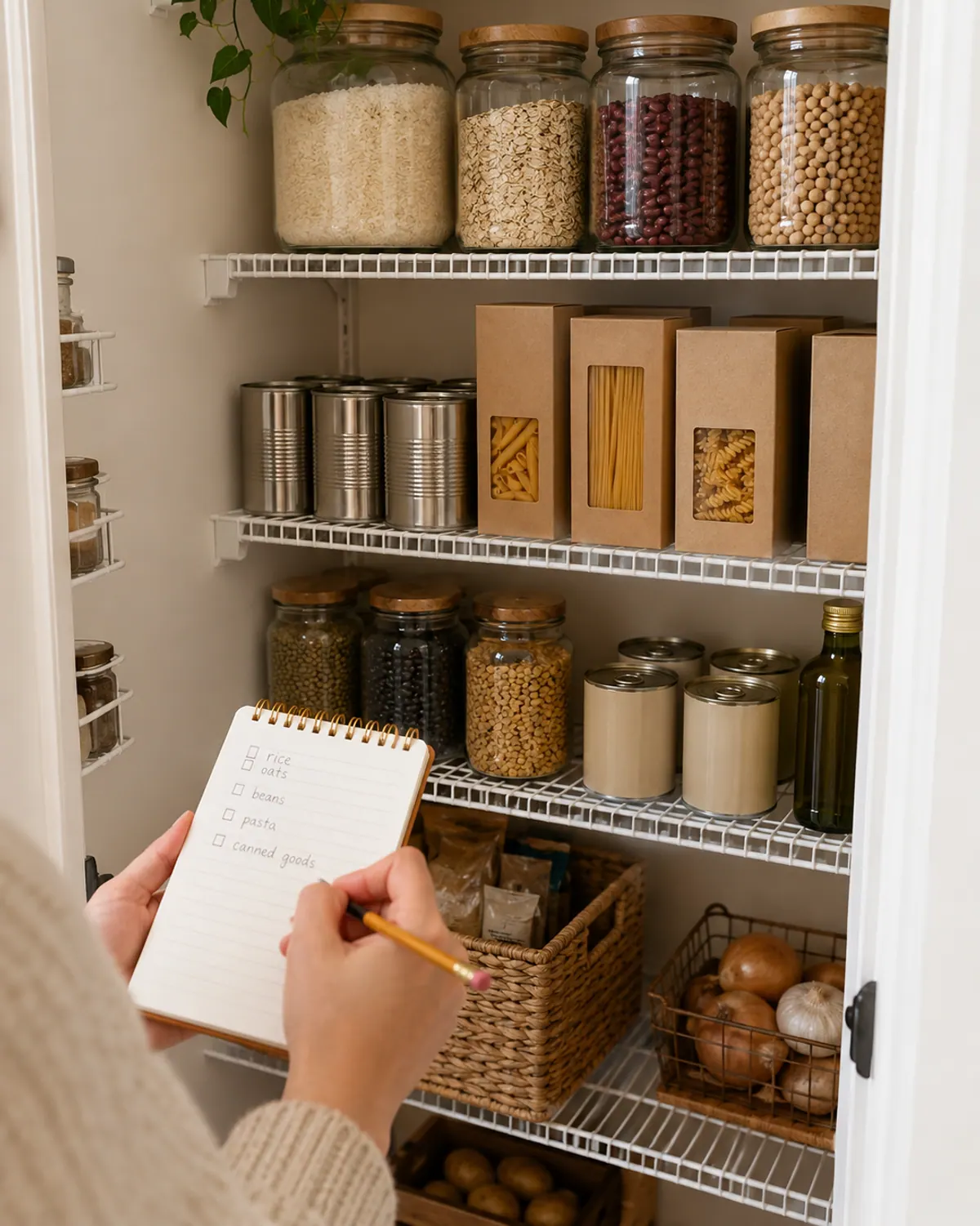
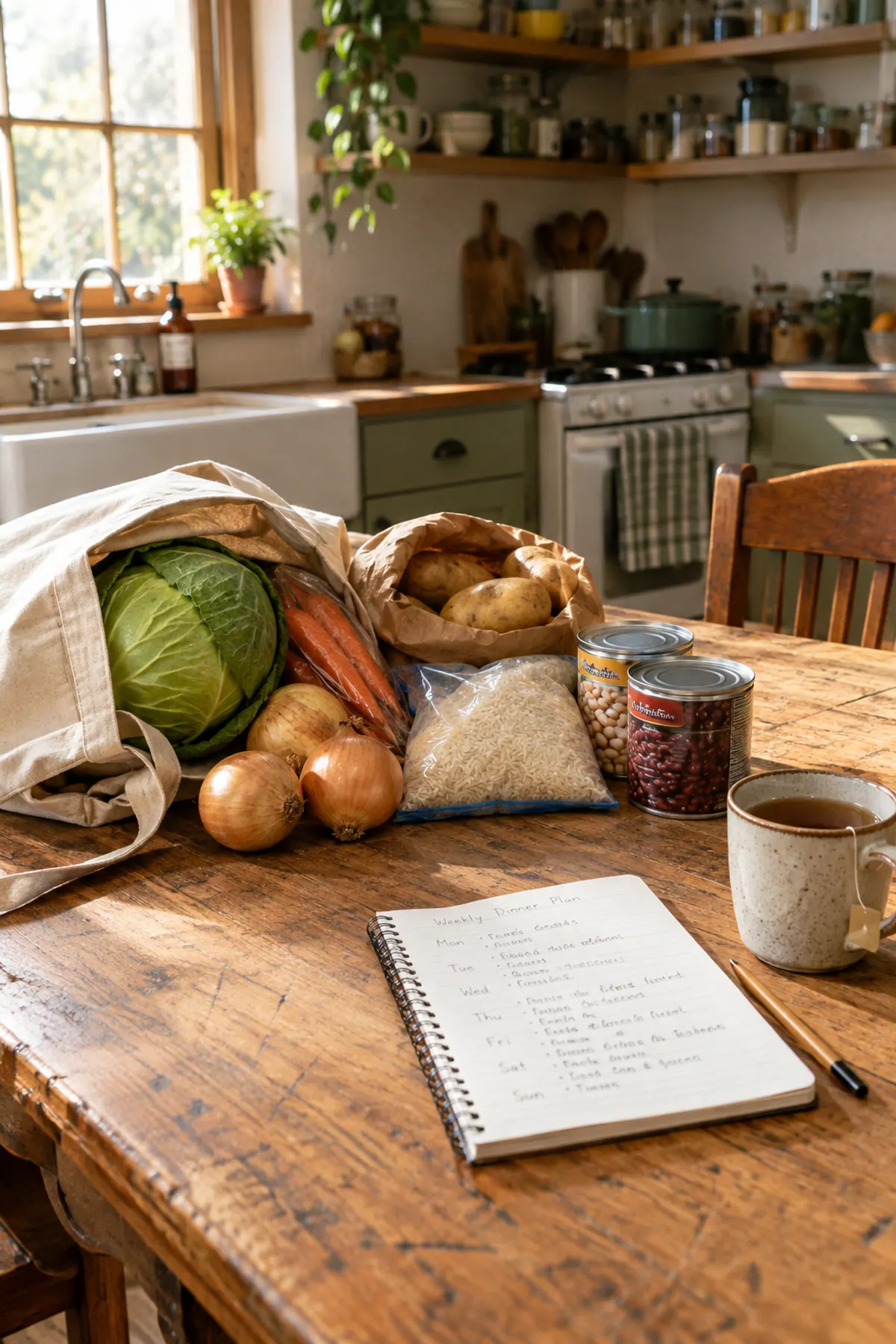
Open every door and write down what needs using: half a bag of rice, two potatoes, a bag of frozen peas, the chicken at the back of the freezer. Plan two dinners from that list before you look at any ad.
This is the habit that quietly stops double-buying. Almost every kitchen holds one or two meals it forgot about.
- Effort: low. Payoff: high. Example: two "found" dinners a week is roughly $15 to $25 you don't spend.
3Plan dinners around the weekly ad, not around cravings

Open your store's app or paper ad and circle the proteins and produce on sale. Then pick dinners that use them. A chicken sale becomes three meals; a cabbage sale becomes slaw and a stir-fry.
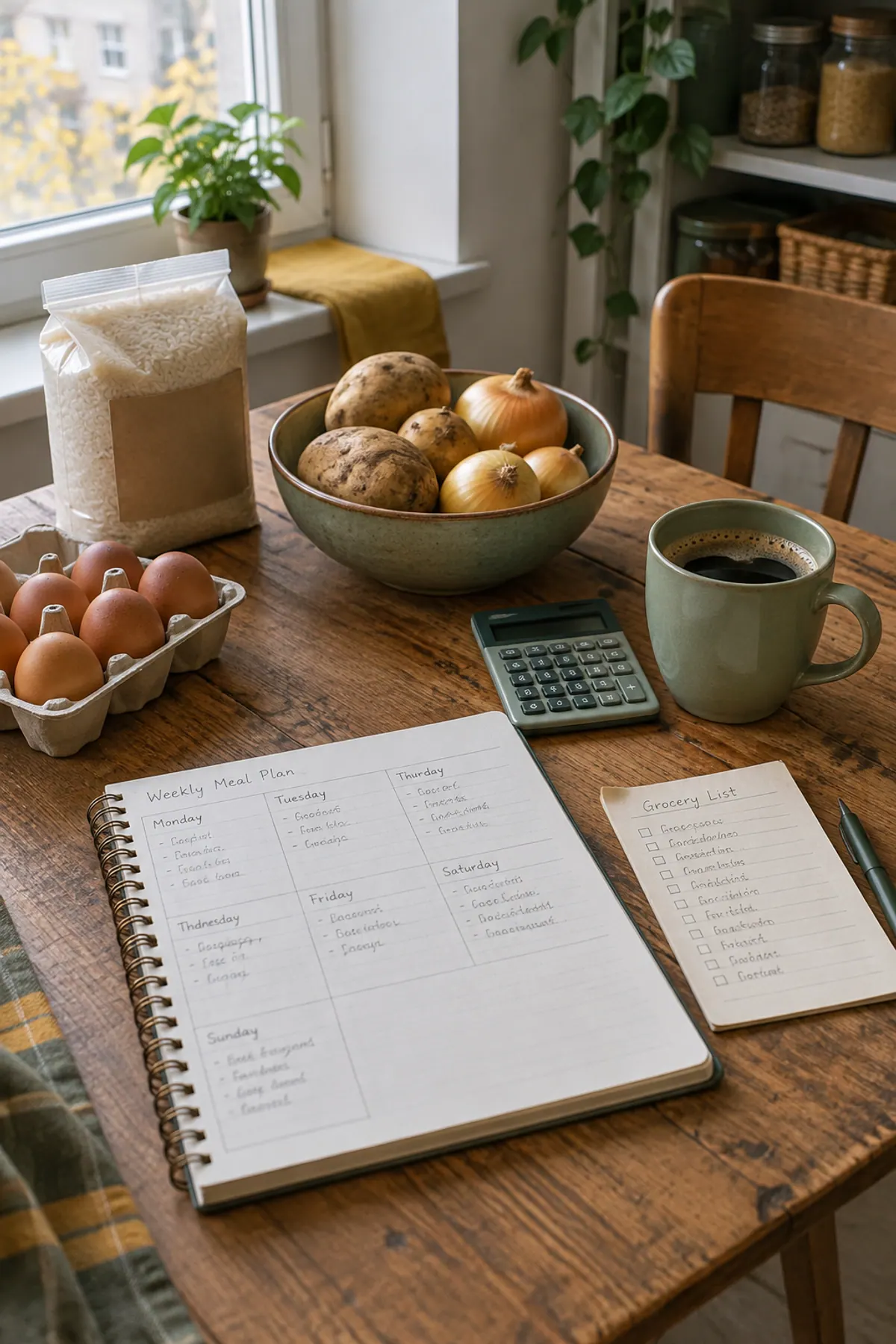
If planning a whole week feels like a lot, the 7-dinner cheap meals plan is built from one short list and shows how the ingredients overlap.
- Effort: medium. Payoff: high. Sale proteins often run 20% to 40% under the regular shelf price (example range, check your own ad).
4Write the list by store section and treat it as the whole trip
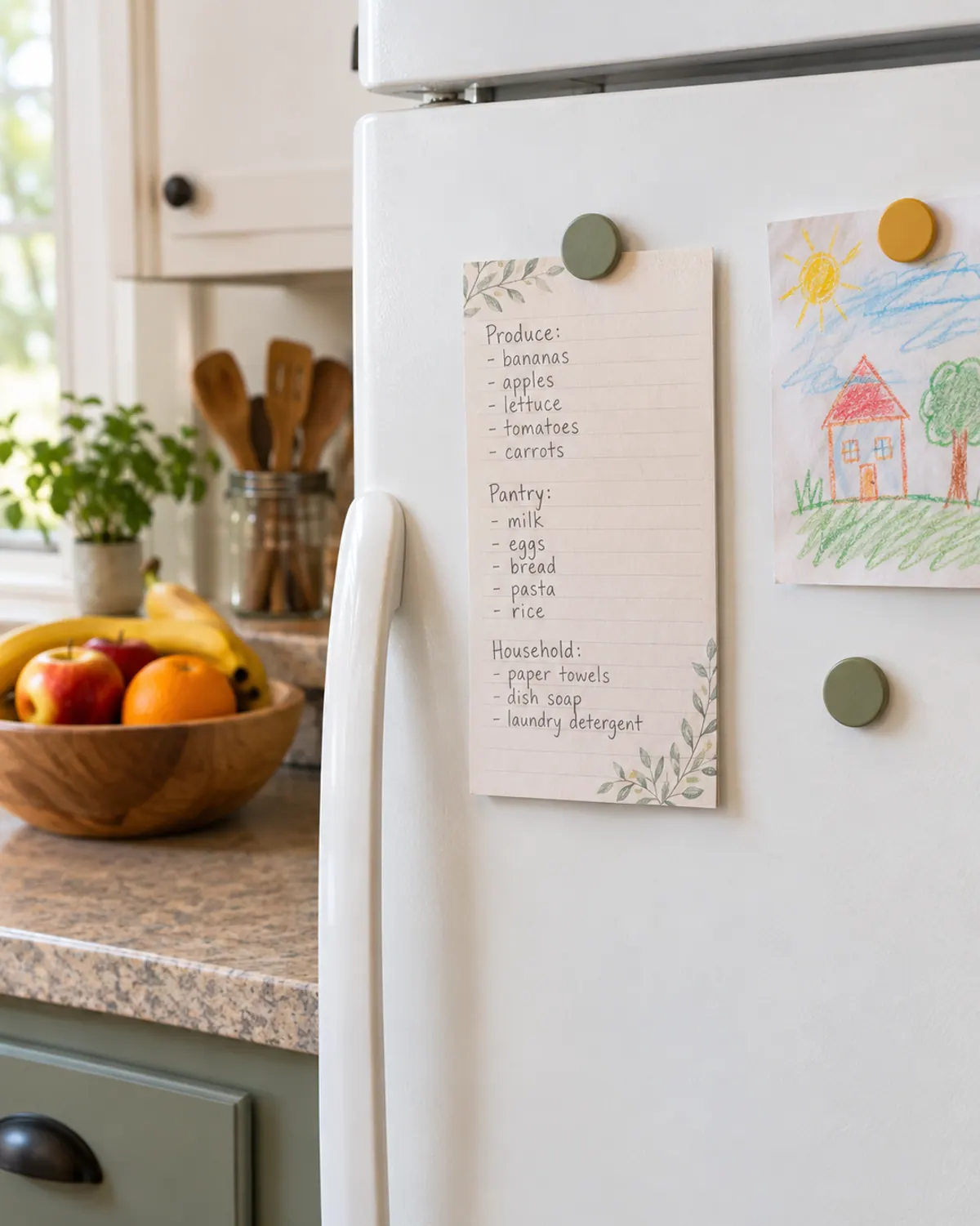
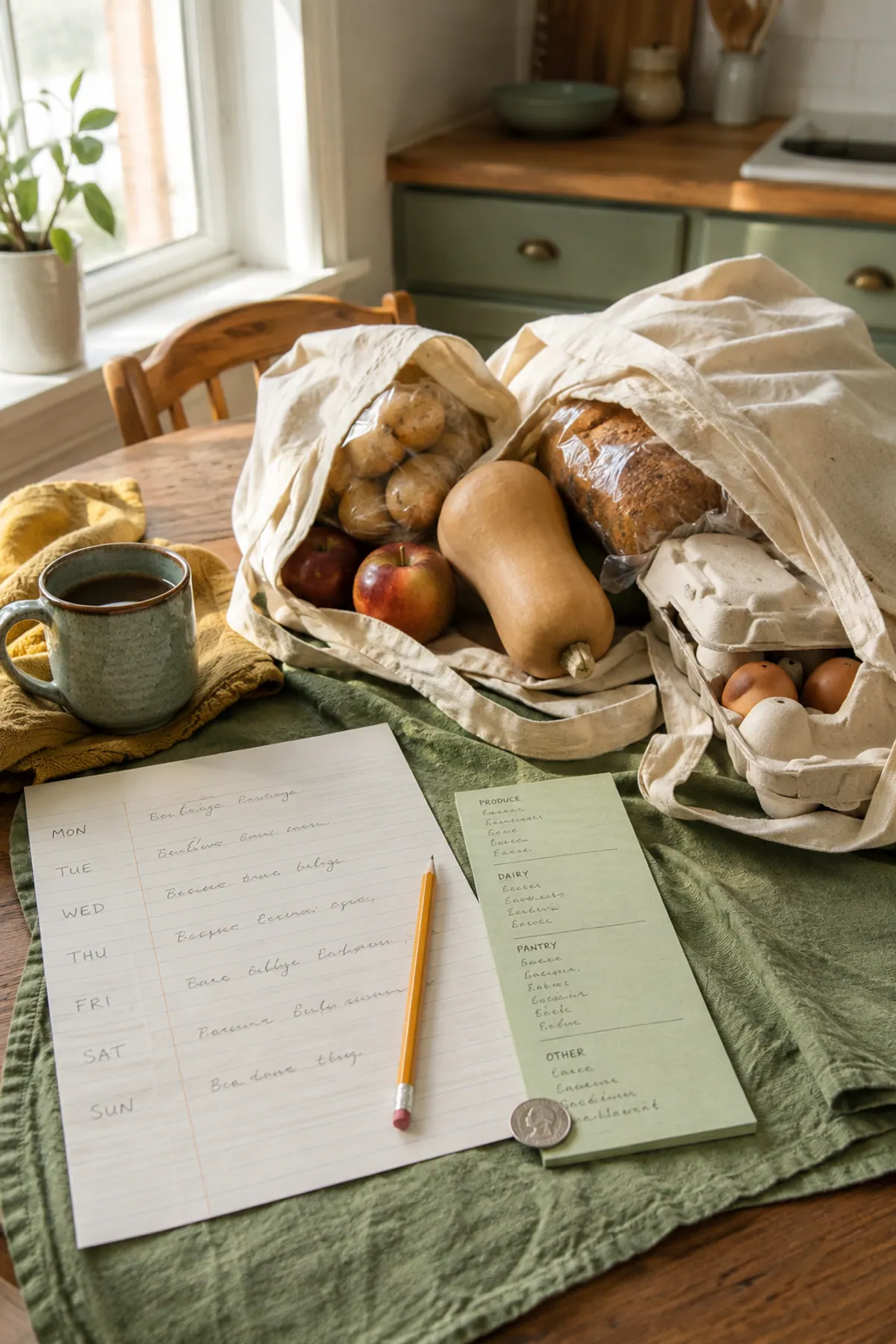
A list grouped by produce, meat, dairy, pantry and frozen gets you through the store in one pass. Fewer laps means fewer "while I'm here" grabs.
Keep a running list on the fridge all week so nothing gets forgotten and nothing gets added in the aisle. The free $50 staples list is a good starting template.
- Effort: low. Payoff: medium. Impulse items in the cart often add $10 to $30 a trip (example).
Lives on the fridge, so the list builds itself all week and nobody shops from memory.
5Shop once a week, after a meal
Every extra trip is a chance to spend $20 on things that were not on the list. One weekly trip, with a small mid-week top-up only for milk or produce if you must, keeps the total honest.
Shopping hungry is the old advice, and it still holds. Eat first, bring the list, and leave the cart in the car for a "basket-only" top-up trip.
- Effort: low. Payoff: medium. Cutting from three trips to one is an easy habit to measure with your receipts.
6Give leftovers a job before you cook
Decide where tonight's extras go: tomorrow's lunch, Thursday's soup or the freezer. Food with a plan gets eaten; food without one gets thrown out two weeks later.
This is the simplest way to turn one grocery dollar into two meals. The $75 week meal-planning method shows the full planning routine if you want the step-by-step version.
- Effort: low. Payoff: medium. Planned leftovers replace a bought lunch, and those run $8 to $15 each (example).
Easy Ways to Save Money on Groceries at the Store (No Coupons Needed)
You do not need a coupon binder to spend less in the aisle. These six are swaps you can make on your very next trip, and most of them are invisible to the family.
7Switch plain staples to the store brand
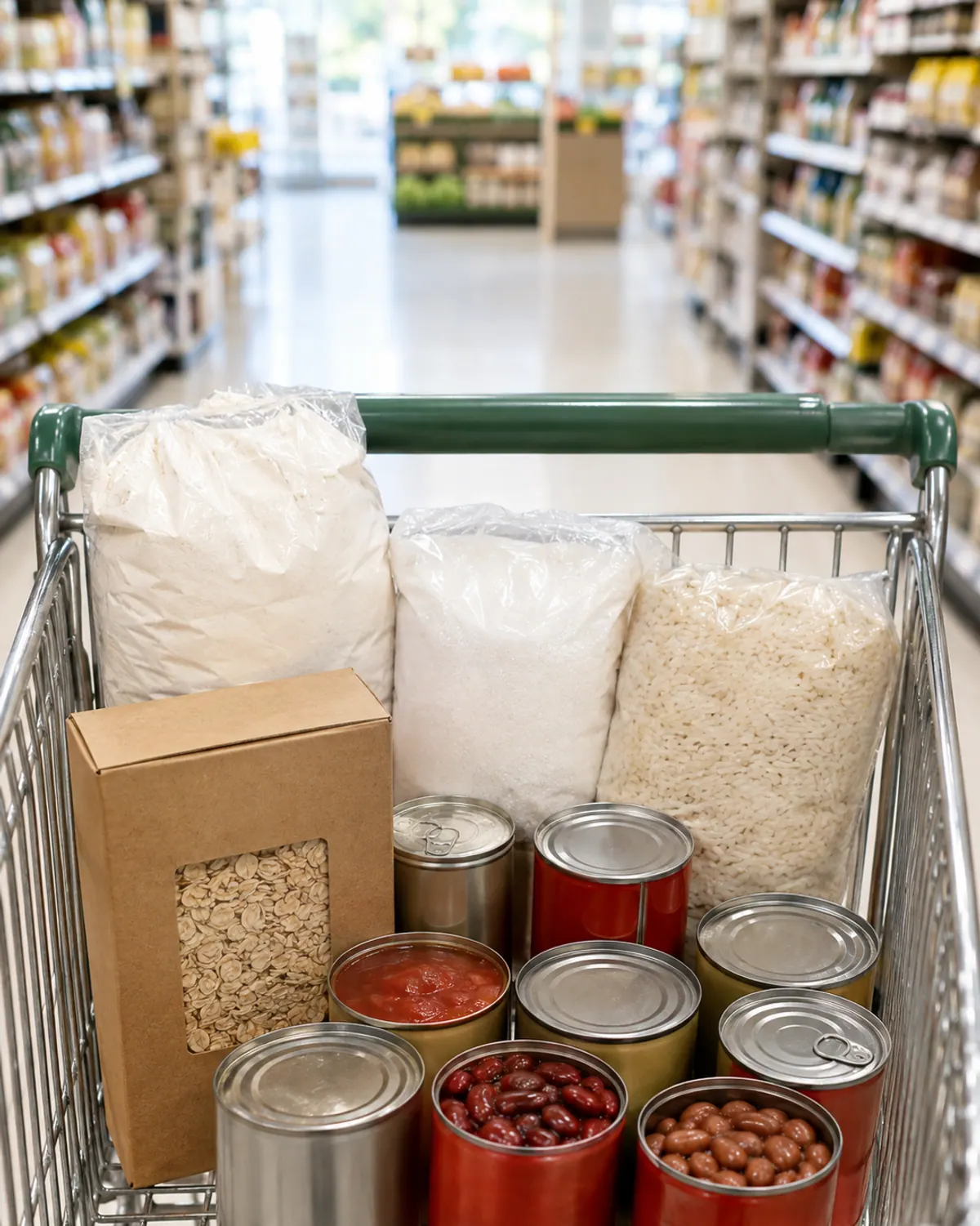
Flour, sugar, rice, oats, canned tomatoes, beans, butter, milk, cheese and frozen vegetables are the easy ones. The store version often comes from the same kind of plant, and nobody at dinner can tell.
Start with the ten staples you buy every single week. That is where the swap adds up fastest.
- Effort: low. Payoff: medium to high. Store brands commonly run 15% to 30% under the name brand (example range; compare the shelf tags at your store).
8Read the unit price, not the shelf price
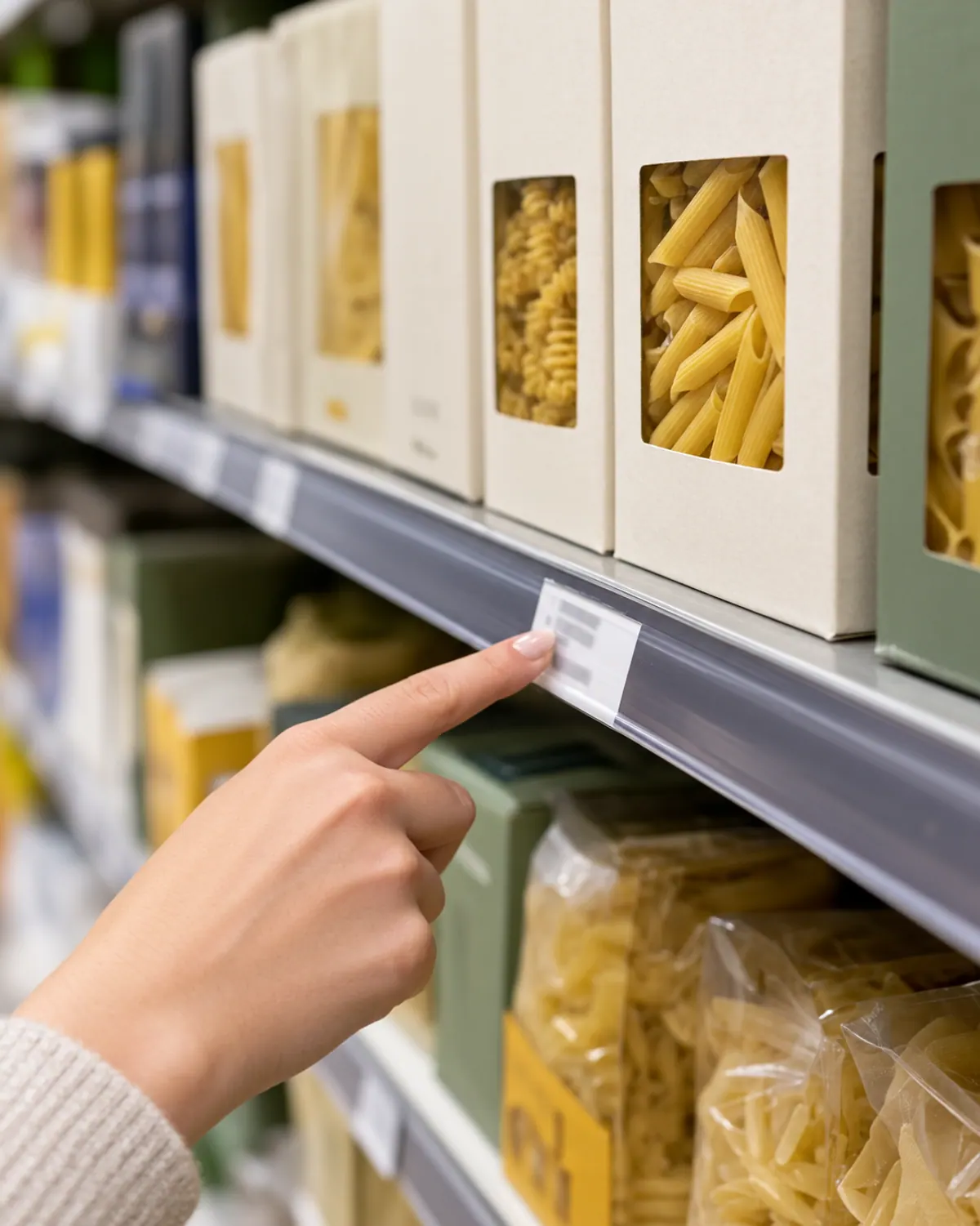
The small "per ounce" or "per pound" number on the shelf tag is the only fair comparison between sizes and brands. The bigger box is not always cheaper per ounce, and the sale tag is not always the lowest unit price on the shelf.
It takes three seconds per item and it ends the guessing.
- Effort: low. Payoff: medium. Common on cereal, coffee, cheese and paper goods, where sizes vary the most.
9Look low and high on the shelf
Eye-level shelf space is the most expensive real estate in the store, so the name brands pay for it. The cheaper store brands and bulk bags tend to sit on the bottom shelf or the top one.
Make it a habit to scan the whole shelf before you reach.
- Effort: low. Payoff: low to medium. A small habit, but it stacks with the unit-price check.
10Buy whole, not pre-cut or pre-shredded
A block of cheese, a whole carrot bag, a head of lettuce and a whole chicken cost less per pound than their chopped, shredded or portioned versions. You are paying someone else for ten minutes of knife work.
If the ten minutes is the thing stopping you, do it the day you shop and store it ready to use.
- Effort: low to medium. Payoff: medium. Shredded cheese and cut fruit are often the biggest per-pound markups in the store (example; compare your shelf tags).
11Skip snack-size packaging and portion at home
Single-serve chips, yogurt cups, cheese sticks and juice boxes cost far more per ounce than the family size. Buy the big one and portion into small containers for lunches.
Kids rarely care which package it came from. They care that it is in the lunchbox.
- Effort: medium. Payoff: medium. Ten minutes on Sunday covers a week of lunches.
One set replaces a year of single-serve packaging for school lunches.
12Use the store's free loyalty card and the digital coupons that clip themselves
This is as close to coupons as this list gets. Most chains now have a free card or app with member prices that apply at checkout with no clipping.
Open the app once a week when you plan, tap anything on your list, and ignore the rest. Do not add an item just because it has an offer.
- Effort: low. Payoff: medium. Member prices on staples like eggs, chicken and coffee are the ones worth a tap.
Aldi, Walmart or Your Regular Store? When Switching Stores Pays
The honest answer is that no one store wins on everything. What matters is which store is cheapest on the 10 to 15 items you buy every week, and whether getting there costs you gas and an hour.
13Run a one-time 10-item price check
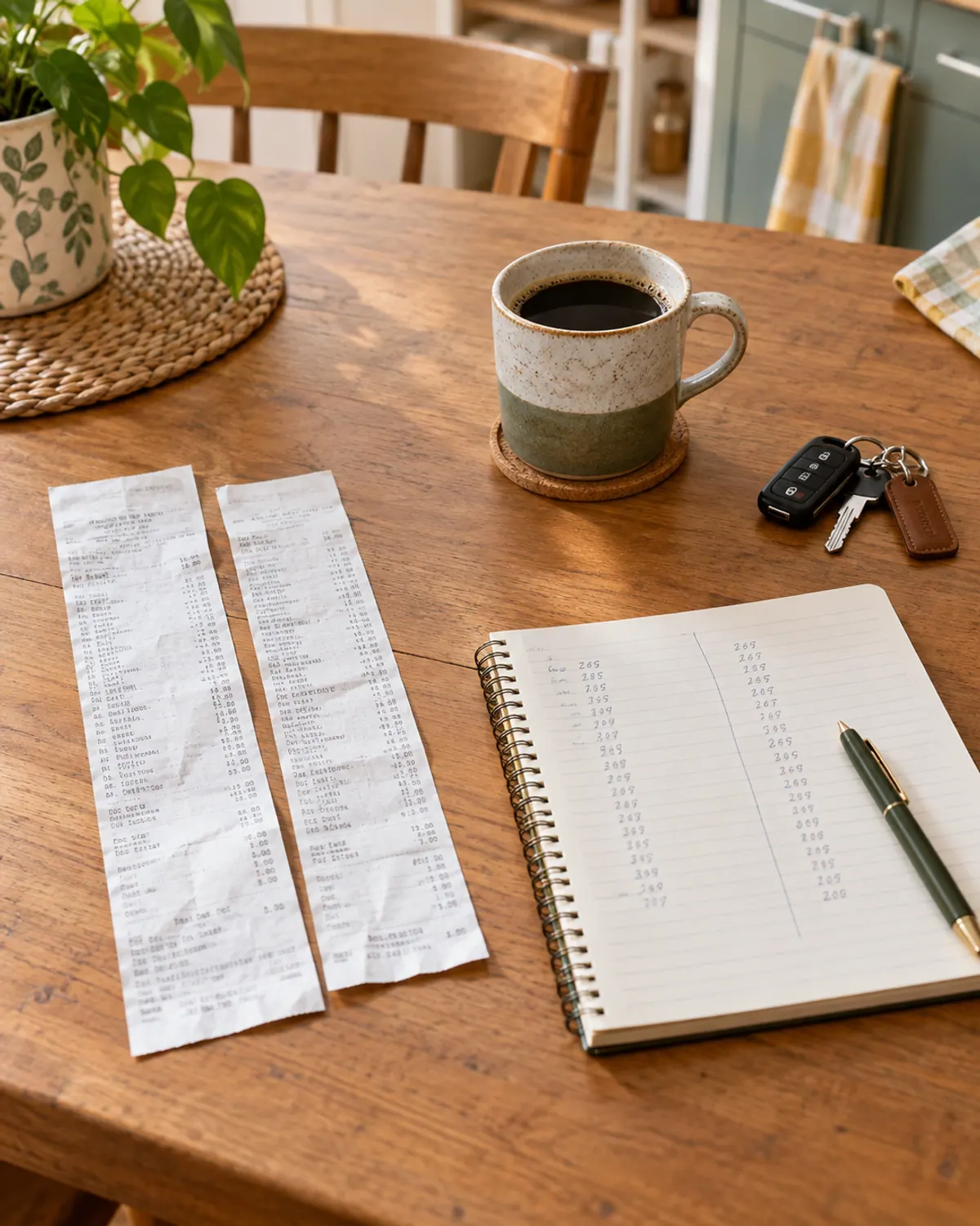
Write your ten most-bought staples on one page. Note the price at your regular store, then at Aldi or Walmart on your next errand. Thirty minutes once tells you whether a switch is worth it.
Fall 2026 is a good time to check. Aldi said on September 23, 2026 it is lowering prices on about a third of the products it regularly stocks through at least November 3, including produce like apples, potatoes and squash, with family packs of chicken breast at $1.99 a pound.
- Effort: medium (once). Payoff: high if your regular store loses. The 7-day Aldi meal plan is built around those cut items.
14Split the trip only if both stores are on your route
If the cheaper store wins on produce and staples but not on the few specialty items you love, buy those elsewhere once a month. Do not drive across town weekly to save $6; the gas and the extra trip eat it.
One primary store, one monthly stock-up elsewhere, is the pattern that holds up over a year.
- Effort: medium. Payoff: low to medium. Count the gas. A 20-mile round trip is not free.
Grocery Hacks for Meat, Produce and Dairy (the Expensive Aisles)
Meat, fresh produce and dairy are where most of a family's grocery money goes, so this is where a small habit change shows up fastest on the receipt.
15Buy family packs of meat and split them into freezer portions the same day
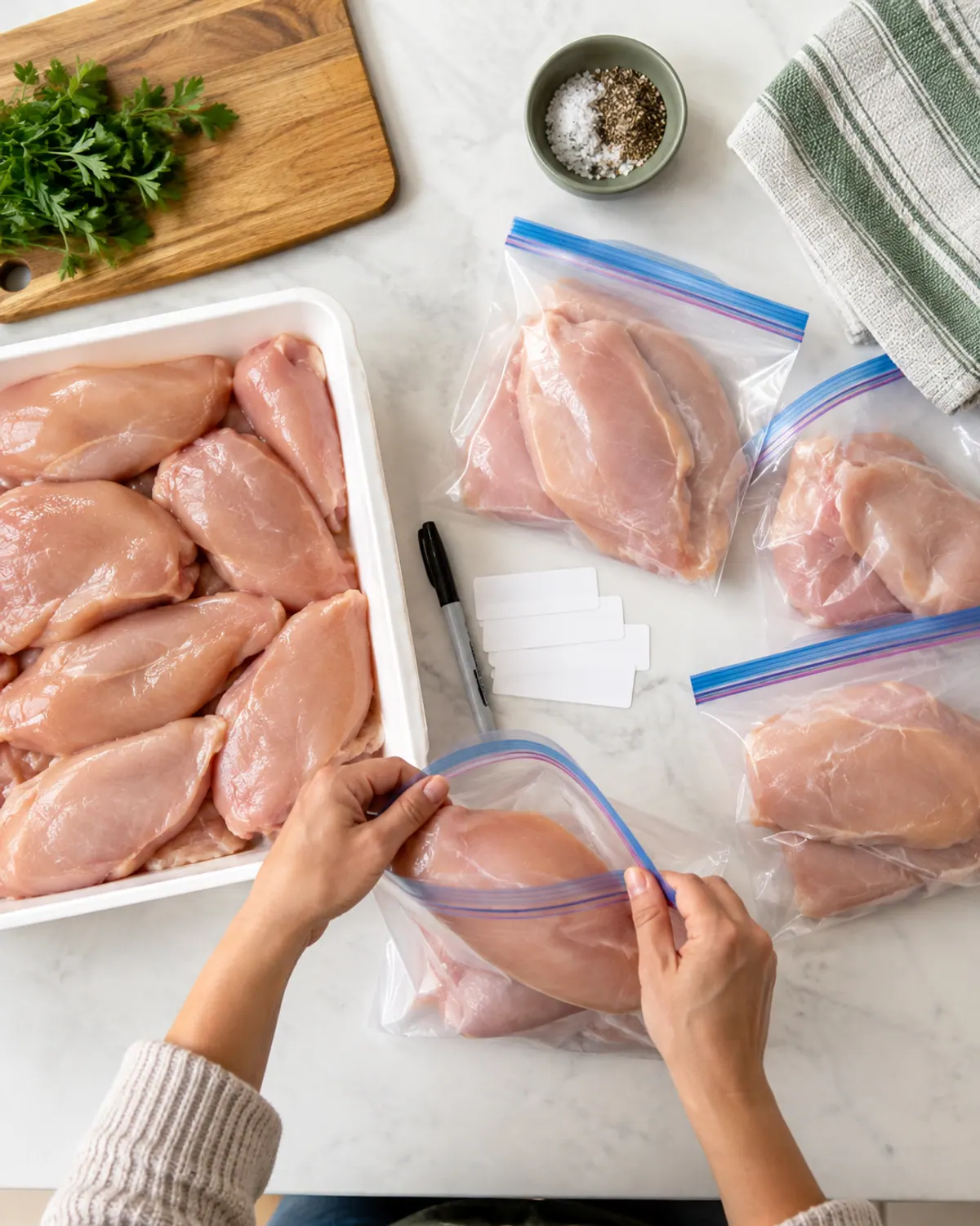
The per-pound price on a family pack is usually the lowest in the meat case. Portion it into dinner-size bags, label them with the date, and freeze flat so they stack.
The Aldi chicken breast price above ($1.99 a pound through at least November 3, 2026, per KCTV5) is a current example of why this matters: a 5-pound pack becomes three or four dinners.
- Effort: medium. Payoff: high. Pair it with a markdown sticker and it beats almost any coupon.
Keeps portioned meat from freezer burn for months, so family packs actually get used.
16Stretch meat with beans, lentils and eggs
Two meatless dinners a week is the single biggest grocery lever for most families. Chili with half the beef and double the beans, egg-and-potato hash, lentil soup, bean burritos: all of them cost a fraction of a meat-centered plate.
Nobody has to go vegetarian. The goal is a smaller meat line on the receipt, not a different family.
- Effort: low. Payoff: high. Example: replacing one pound of ground beef with a can of beans twice a week is roughly $8 to $12 a week back.
17Buy produce in season, and frozen the rest of the year
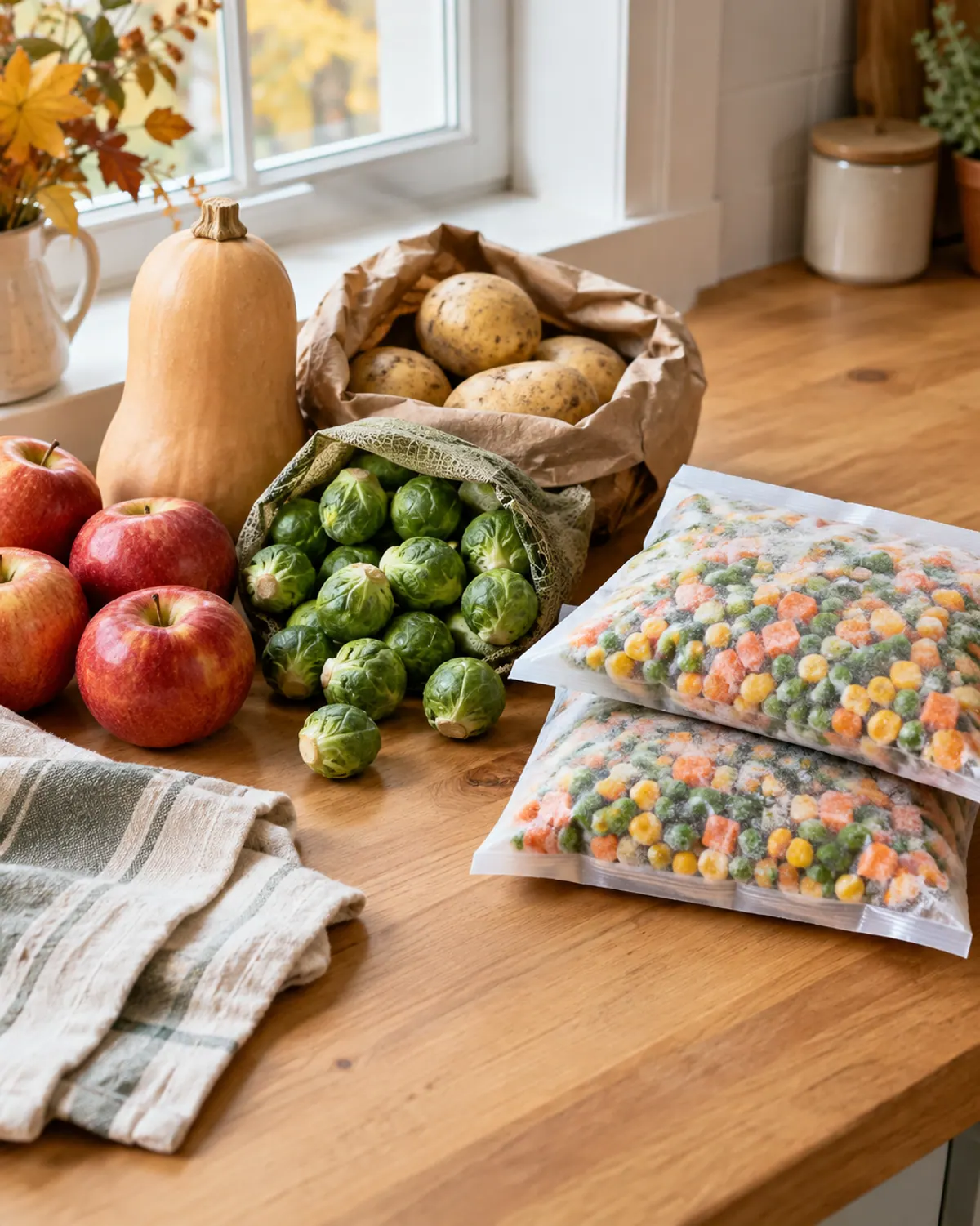
In-season produce is cheaper and tastes better, and this fall that means apples, pears, squash, potatoes and Brussels sprouts. Out of season, frozen vegetables and fruit are often the lower price per pound and nothing goes slimy in the drawer.
Canned tomatoes and beans belong on the same list: cheap, shelf-stable and never wasted.
- Effort: low. Payoff: medium. Frozen vegetables are also the easiest way to keep the "vegetable side" on the plate on a tired night.
18Buy block cheese, bigger milk and plain yogurt
Dairy has some of the widest per-ounce gaps in the store. A block of cheese versus shredded, a gallon versus two half-gallons, a large tub of plain yogurt versus flavored cups: the plain, bigger option wins almost every time.
Add fruit or a spoon of jam at home and the kids get the "flavored" version anyway.
- Effort: low. Payoff: medium. Check the shelf date on the bigger container so it does not outrun your family.
19Shop the markdown rack for same-day or freezer cooking
Most stores mark down meat, bakery and produce a day or two before the sell-by date. Those items are safe and cheap if you cook or freeze them today.
Ask a staff member when markdowns go out at your store. It is often early morning or late evening, and it changes which day you shop.
- Effort: low. Payoff: medium. Only buy a markdown if it fits a meal already on the plan; a cheap thing you throw out is not cheap.
Cut Food Waste: Storage and Leftover Habits That Keep Money in the Fridge
Food you throw out is the most expensive food you buy. These four habits cost nothing and they are the ones most families skip.
20Keep an "eat first" bin and do a 5-minute fridge check before shopping
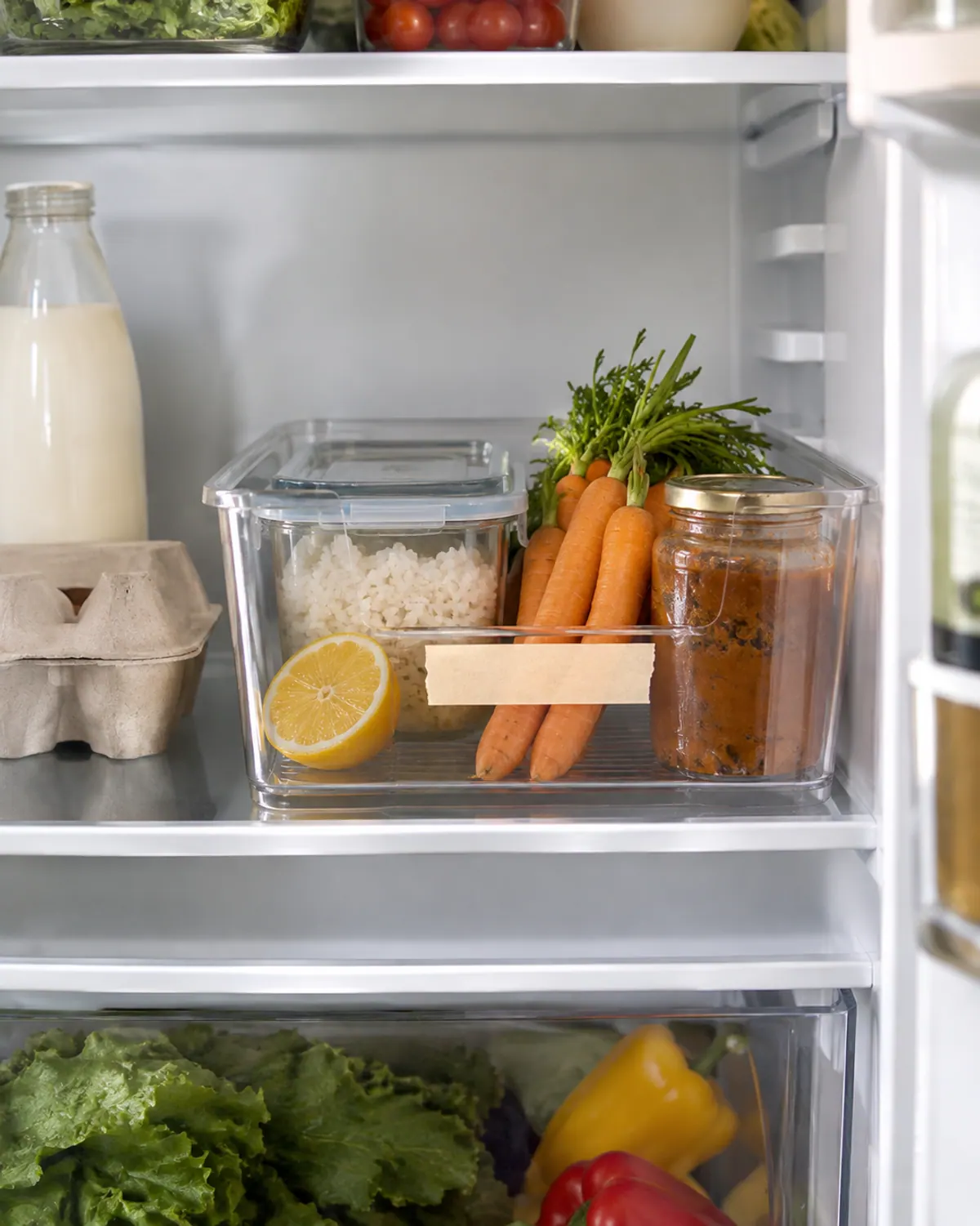
One clear bin at eye level holds everything that needs to go first: the open salsa, the half onion, Tuesday's leftovers. Everyone in the house knows to look there before opening anything new.
Before you write the list, check the bin and plan one dinner around it. That is tip 2 and tip 6 doing their job every single week.
- Effort: low. Payoff: medium to high. The USDA has long reported that a large share of household food goes uneaten; your own trash can is the only number that matters.
21Store produce the way it wants to be stored
Greens last longer with a paper towel in the bag, herbs stand in a jar of water, onions and potatoes live apart in a dark cupboard, and berries wait unwashed until you eat them. Tomatoes stay on the counter.
Ten seconds of putting things away right adds days to their life, and days are dollars.
- Effort: low. Payoff: medium. Soft lettuce and moldy berries are the two most common "threw it out" items in most homes.
Vented lids and a raised tray keep berries and greens crisp for several extra days.
22Freeze it before it turns
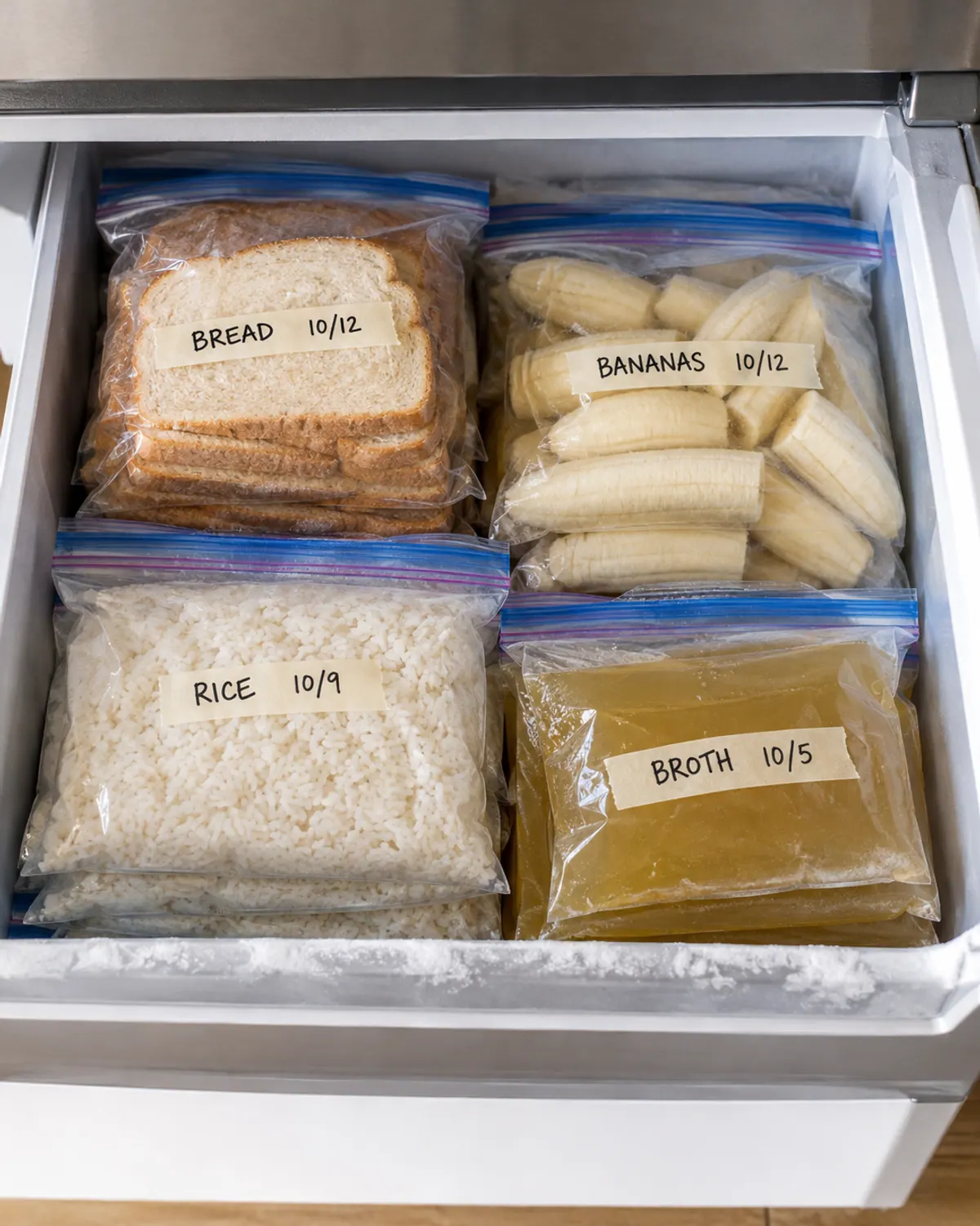
Bread, bananas, cooked rice, broth, tortillas, shredded cheese, chopped peppers and fresh herbs all freeze well. When something is two days from the bin, freeze it instead.
Label with the date. An unlabeled freezer becomes a graveyard, and a labeled one becomes a second pantry.
- Effort: low. Payoff: medium. Frozen bananas and bread ends alone cover a lot of breakfasts.
They wash off in the sink, so containers get reused without the sticky residue.
23Cook once, eat twice (double the cheap dinners)
Soup, chili, pasta sauce, rice and roasted vegetables cost almost nothing extra to double, and the second batch becomes lunches or next week's freezer dinner. Doubling uses the same pan, the same oven and the same 40 minutes.
The 4-week frugal meal plan uses this on purpose: its week 4 is built from the extras of weeks 1 to 3.
- Effort: low. Payoff: high. Every doubled dinner replaces a takeout night or a bought lunch somewhere in the week.
Cash Back and Loyalty Apps: What They Actually Return
You will see these pushed everywhere, so here is the honest version. Receipt-scanning and cashback apps give back a small amount on things you already buy, and they are worth it only if they do not change what you buy.
24Scan receipts with a cashback app, but never shop for the offer
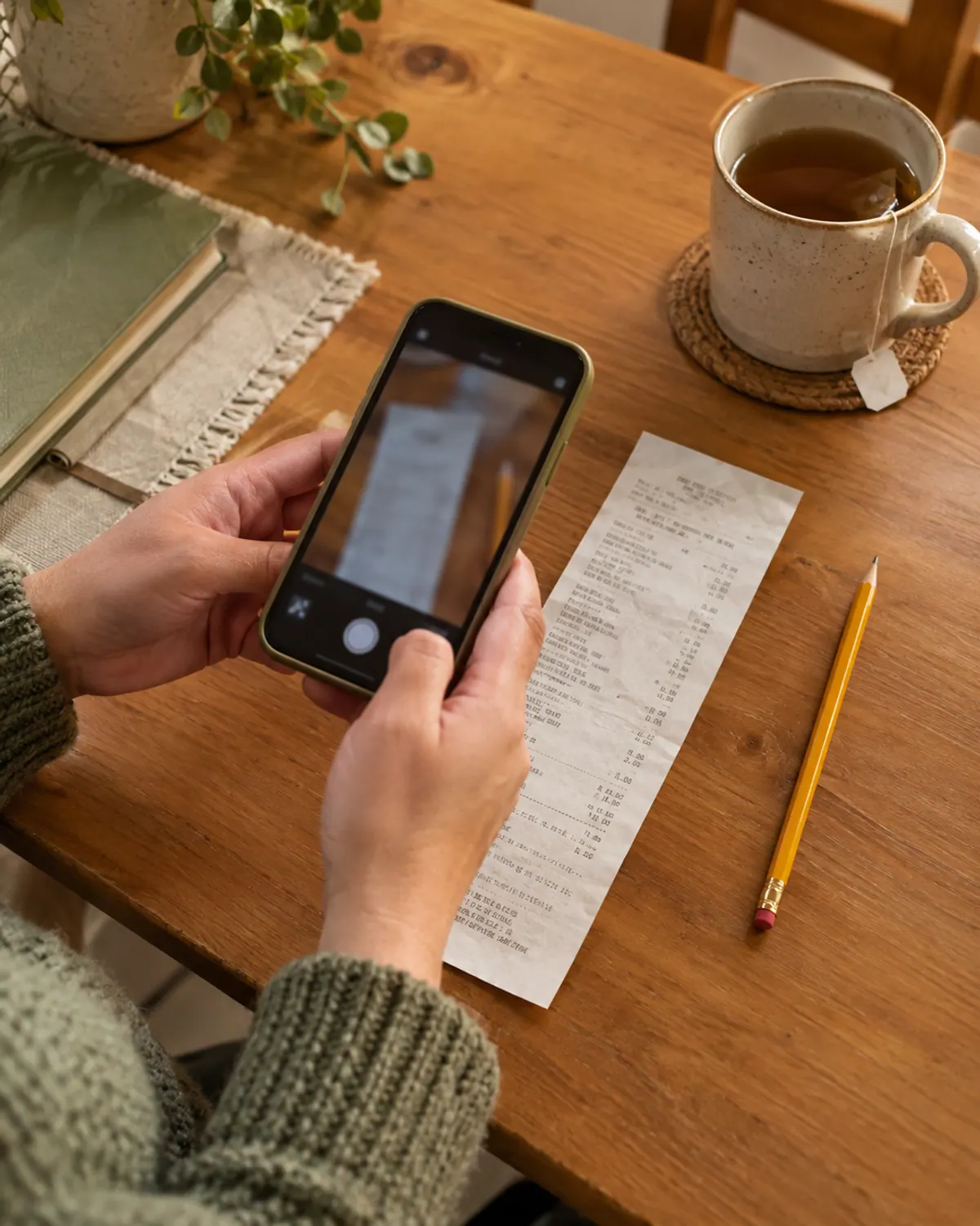
Apps like Ibotta and Fetch pay small rebates or points for receipts and selected items. Over a month, families commonly see a few dollars, sometimes more if the offers line up with their staples.
The trap is buying a brand you would not otherwise buy to "earn" 50 cents. Scan what you already bought, cash out when it adds up, and stop there. Payouts and offers change often; check the app's current terms.
- Effort: low. Payoff: low. Think of it as a tip jar, not a plan. Scanning takes 30 seconds per receipt.
25Keep every receipt for 30 days and write the totals down
This is the tip that makes the other 24 real. Keep the receipts in an envelope, write the total on the outside each week, and add them up at the end of the month.
You will see which habits moved the number and which did not. Then you keep the ones that worked and drop the rest.
- Effort: low. Payoff: high. The grocery page in the planner below is built for exactly this.
Grocery Shopping Mistakes That Quietly Cost a Family Every Month
Most families are not overspending because of one big thing. It is a handful of small, repeated habits. Here are the common ones and the tip above that fixes each.
| Mistake | What it tends to cost (example) | Fix |
|---|---|---|
| Shopping without a weekly number | $20 to $50 a week of drift | Tip 1: pick the number first |
| Three or four store trips a week | $10 to $20 of add-ons per trip | Tip 5: one trip, after a meal |
| Buying meat at full price, shelf by shelf | A large share of the meat line | Tips 15 and 16: family packs and two meatless nights |
| Pre-cut, pre-shredded, snack-size | A markup on every package | Tips 10 and 11: buy whole, portion at home |
| No plan for leftovers | Thrown-out food, plus bought lunches | Tips 6, 20 and 23: give extras a job |
A 30-Day Grocery Savings Plan: Which Tips to Start With
Do not try all 25 at once. Here is the order we would start in, ranked by effort against payoff, with one new habit each week.
| Rank | Tip | Effort | Payoff |
|---|---|---|---|
| 1 | Pick a weekly number (1) | Low | High |
| 2 | Pantry and freezer inventory (2) | Low | High |
| 3 | Two meatless dinners (16) | Low | High |
| 4 | Keep receipts 30 days (25) | Low | High |
| 5 | Cook once, eat twice (23) | Low | High |
| 6 | Plan around the ad (3) | Medium | High |
| 7 | Family packs, portioned (15) | Medium | High |
| 8 | Store-brand staples (7) | Low | Medium to high |
| 9 | Eat-first bin (20) | Low | Medium to high |
| 10 | Unit price check (8) | Low | Medium |
| 11 | One trip a week (5) | Low | Medium |
| 12 | Leftovers get a job (6) | Low | Medium |
| 13 | List by section (4) | Low | Medium |
| 14 | Buy whole (10) | Low to medium | Medium |
| 15 | Block cheese, bigger milk (18) | Low | Medium |
| 16 | Seasonal and frozen produce (17) | Low | Medium |
| 17 | Freeze before it turns (22) | Low | Medium |
| 18 | Store produce right (21) | Low | Medium |
| 19 | Loyalty card, digital offers (12) | Low | Medium |
| 20 | Markdown rack (19) | Low | Medium |
| 21 | Portion snacks at home (11) | Medium | Medium |
| 22 | 10-item store price check (13) | Medium, once | High if you switch |
| 23 | Split the trip (14) | Medium | Low to medium |
| 24 | Look low and high (9) | Low | Low to medium |
| 25 | Cashback apps (24) | Low | Low |
Your first 30 days
Track It: Your Grocery Budget Page (Cozy Budget Planner 2027)
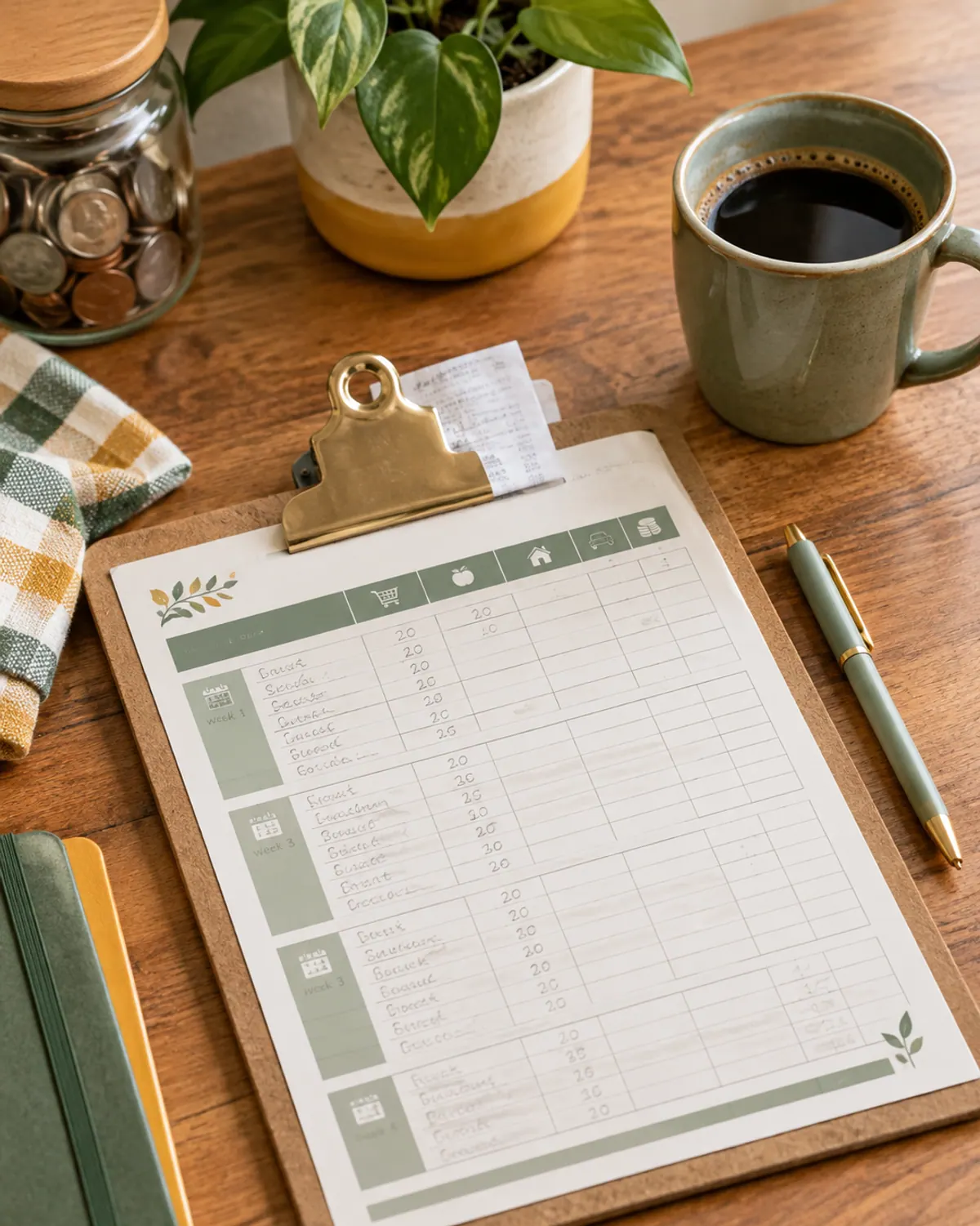
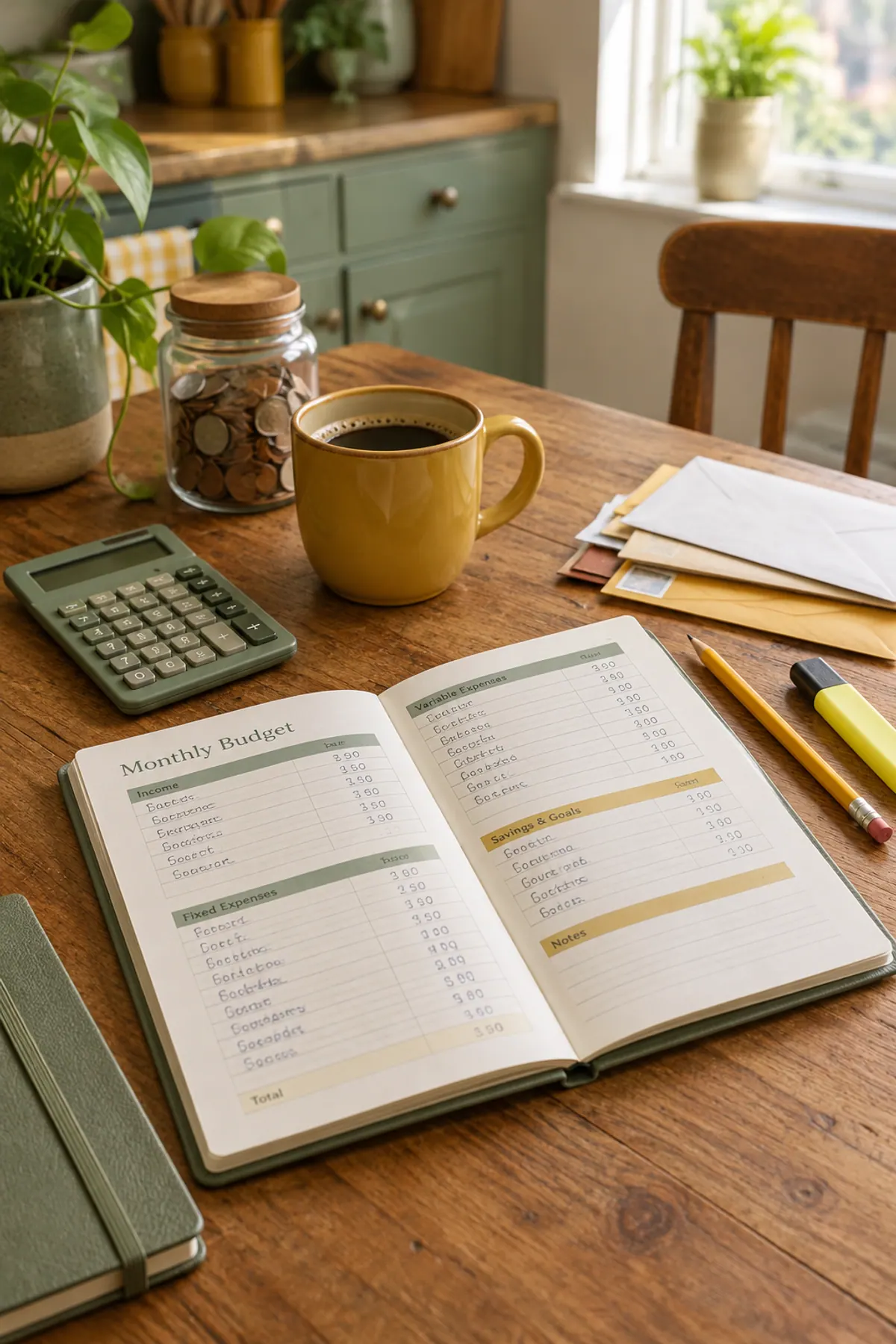
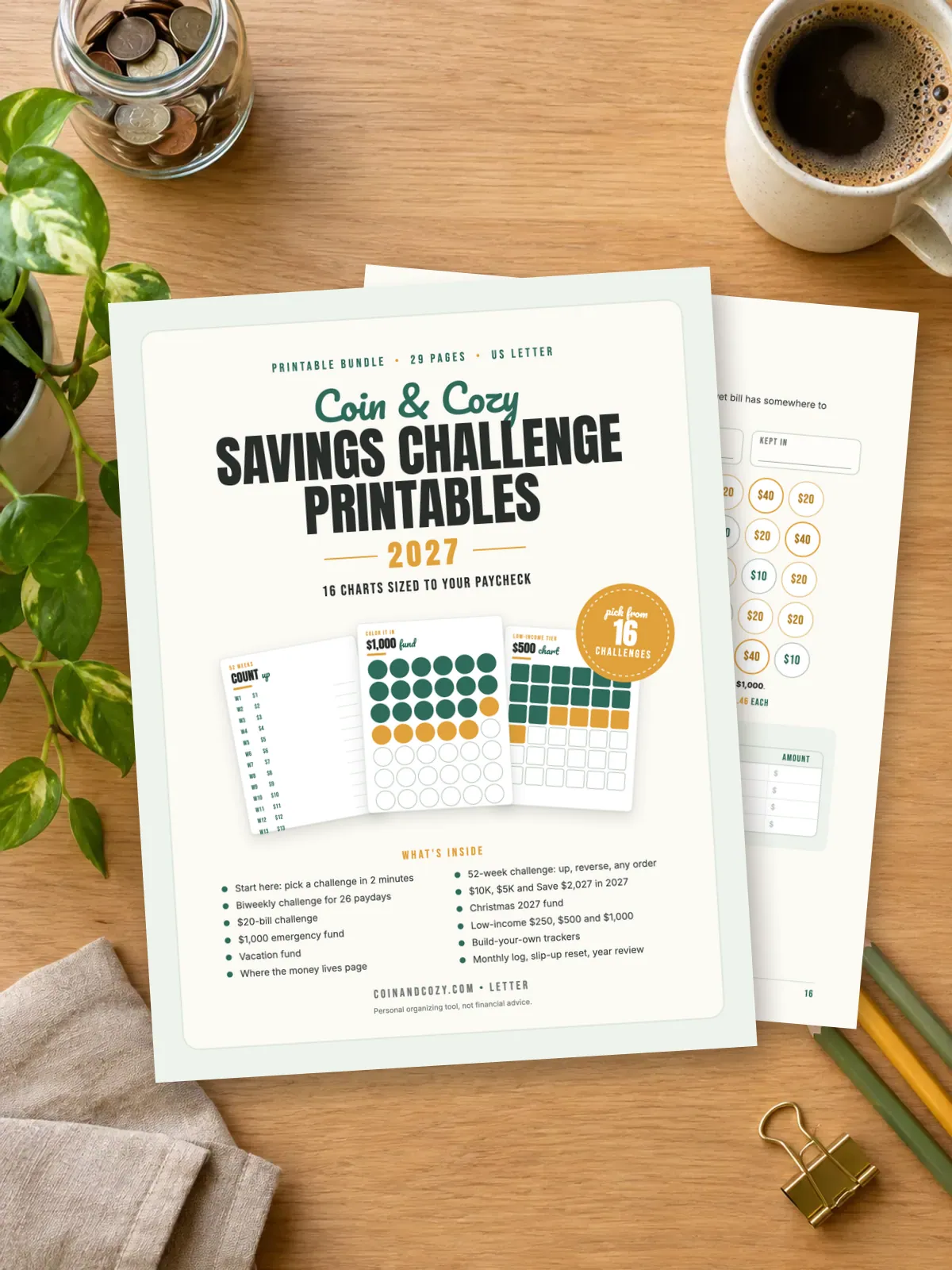
Tip 25 is easier with a page made for it. The Cozy Budget Planner 2027 has a monthly budget page with a groceries line, a spending tracker for every receipt and a short end-of-month check, so the number you picked in tip 1 gets compared to what actually happened.
If you are starting your first budget from scratch, read how to build a monthly budget as a beginner first, then use the planner to keep it going through 2027.
Small tools that make these habits stick
-
Magnetic grocery list pad
Typically $5 to $15
The list builds itself on the fridge all week (tip 4).
Check price on Amazon for Magnetic grocery list pad -
Glass food storage set
Typically $20 to $40
Planned leftovers go straight from fridge to microwave (tips 6 and 23).
Check price on Amazon for Glass food storage set -
Produce saver containers
Typically $15 to $30
Greens and berries last days longer (tip 21).
Check price on Amazon for Produce saver containers -
Vacuum sealer with bags
Typically $30 to $80
Family packs of meat keep for months without freezer burn (tip 15).
Check price on Amazon for Vacuum sealer with bags -
Dissolvable freezer labels
Typically $6 to $12
Dates on everything, no sticky residue (tip 22).
Check price on Amazon for Dissolvable freezer labels
Numbers in this article are examples or carry a dated source, and prices change by store and region. This is a frugal-living guide, not financial advice.
Frequently asked questions
How can I cut my grocery bill in half?
Most families can't halve it overnight, and anyone promising that is guessing. The habits with the biggest payoff are a weekly number, a pantry inventory, two meatless dinners, family-pack meat portioned at home and planned leftovers. Track 30 days of receipts and you'll see how far those five move your own total.
What is the cheapest way to buy groceries?
Plan dinners around the weekly ad, buy store-brand staples, choose whole over pre-cut, and buy meat in family packs to freeze. Shopping once a week from a list by section keeps impulse buys out of the cart. No single store is cheapest on everything, so a one-time price check on your ten most-bought items tells you where to shop.
How much should a family of 4 spend on groceries a month?
USDA's Thrifty Food Plan for May 2026 put its reference family of four (two adults, children 6 to 8 and 9 to 11) at about $235 a week, or about $1,018 a month, assuming meals are cooked at home. Treat that as a yardstick, not a target; your region, store and kids' ages will move it.
Is it cheaper to shop at Aldi or Walmart?
It depends on which items you buy most. Aldi said on September 23, 2026 that it is lowering prices on about a third of its regular products through at least November 3, including produce and family-pack chicken breast at $1.99 a pound, so a 10-item price check this fall is worth doing. Count gas and time before switching stores.
Do cash back apps really save money on groceries?
A little. Receipt-scanning apps return small rebates or points on items you already buy, often a few dollars a month. They only help if you never buy something just to earn the offer. Scan what you bought, cash out when it adds up, and spend your planning time on the higher-payoff habits.
How do I save money on groceries without coupons?
Pick a weekly number, plan around what's on sale, swap staples to store brand, read unit prices, buy meat in family packs and freeze it, add two meatless dinners a week and give leftovers a job. None of those needs a coupon, and together they cover most of what coupons would have saved.
Save it for later
Pin this to your Grocery Savings board so it's there when you need it.
Save to Pinterest