Safety first: This is general money education, not personalised financial advice. Please read our financial disclaimer before you start.
Key takeaways
- Pick a holiday savings number and a deadline first, so every small saving has a job.
- The fastest wins are usually subscriptions, takeout, coffee runs and groceries.
- Selling things you don't use and finding forgotten money can add a lump sum quickly.
- Move what you save into a separate place each week, or it tends to disappear.
In this post38 sections
- Ways to Save Money This Week: 8 Quick Wins
- 1. Pick your holiday number and a deadline
- 2. Pause the subscriptions you forgot about
- 3. Read last month's bank statement with a highlighter
- 4. Try a no-spend weekend
- 5. Have a use-it-up week
- 6. Make coffee at home most days
- 7. Pack lunches from dinner leftovers
- 8. Use cash envelopes for weekly spending
- How to Save Money Fast on Food
- 9. Shop from a staples list
- 10. Plan a week of cheap dinners
- 11. Switch plain staples to store brand
- 12. Trade one takeout night for a cozy dinner at home
- 13. Buy holiday baking staples on sale
- 14. Waste less food with a weekly fridge check
- Lower Your Bills Before December
- 15. Call your internet provider
- 16. Compare your phone plan
- 17. Get new insurance quotes
- 18. Turn the heat down and the cozy up
- 19. Wash cold and air dry when you can
- 20. Borrow before you buy
- Find Money You Already Have
- 21. Sell what you don't use
- 22. Roll up the change jar
- 23. Search for unclaimed money
- 24. Return what you won't use
- 25. Use the gift cards and points you forgot
- 26. Pick up a short seasonal side gig
- Ways to Save Money on the Holidays Themselves
- 27. Have the gift talk now
- 28. Give every gift a cap
- 29. Decorate with what you already have
- 30. Plan free traditions
- How Small Savings Add Up by Mid-December
- Where to Put the Money So It's Still There in December
- FAQ
Ways to Save Money This Week: 8 Quick Wins
These ideas take an evening or less to set up. Start with two or three, not all eight.
1Pick your holiday number and a deadline
Decide how much you want saved and by when, for example $300 by December 12. Divide by the weeks left: about ten weeks from early October means $30 a week. A clear number turns vague cutting back into a goal you can actually check off.
- Write the weekly amount on a sticky note and put it on your fridge or bathroom mirror.
2Pause the subscriptions you forgot about

Streaming, apps, boxes and memberships renew quietly every month. Go through your phone's subscription settings and your card statement, then pause or cancel anything you haven't used lately. For example, pausing two $15 services for two months frees up $60 right when you need it.
- Many streaming services let you pause or rejoin anytime, so you can bring one back in January.
3Read last month's bank statement with a highlighter
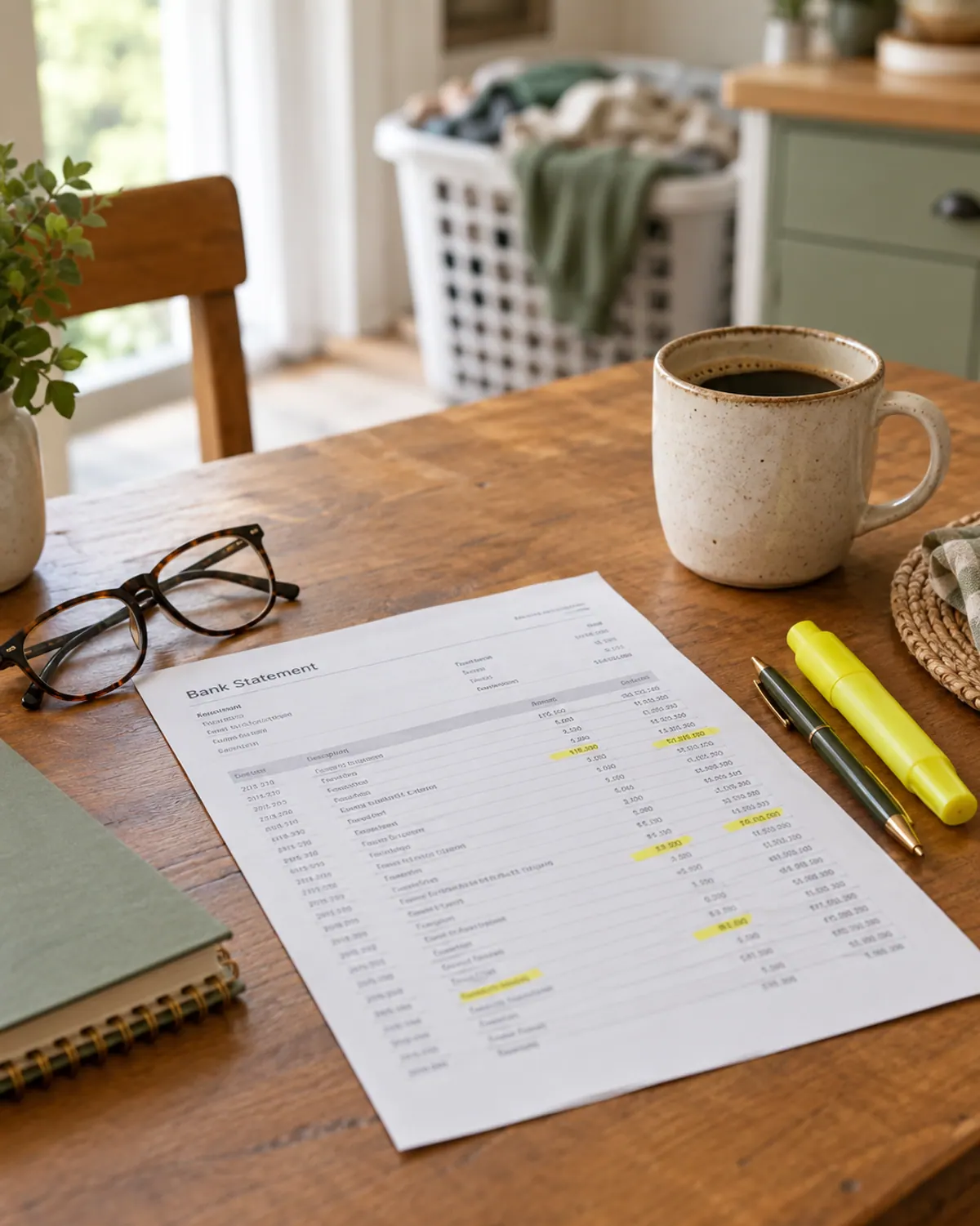
Print or open last month's statement and highlight anything that surprised you. Most people find a few small repeat charges, like delivery fees or snacks on the way home. You're not judging yourself here, just finding where money slips out so you can choose what to keep.
- Use one color for needs and another for nice-to-haves to see the split at a glance.
4Try a no-spend weekend

Pick one weekend where you spend only on things you decided ahead of time, like gas and planned groceries. Fill it with free plans: a park, a library movie, a board game night. If you usually spend $60 to $80 on a weekend, that's money you can move straight into your holiday fund.
- Plan Saturday's free activity on Friday night, so boredom doesn't turn into a store trip.
5Have a use-it-up week
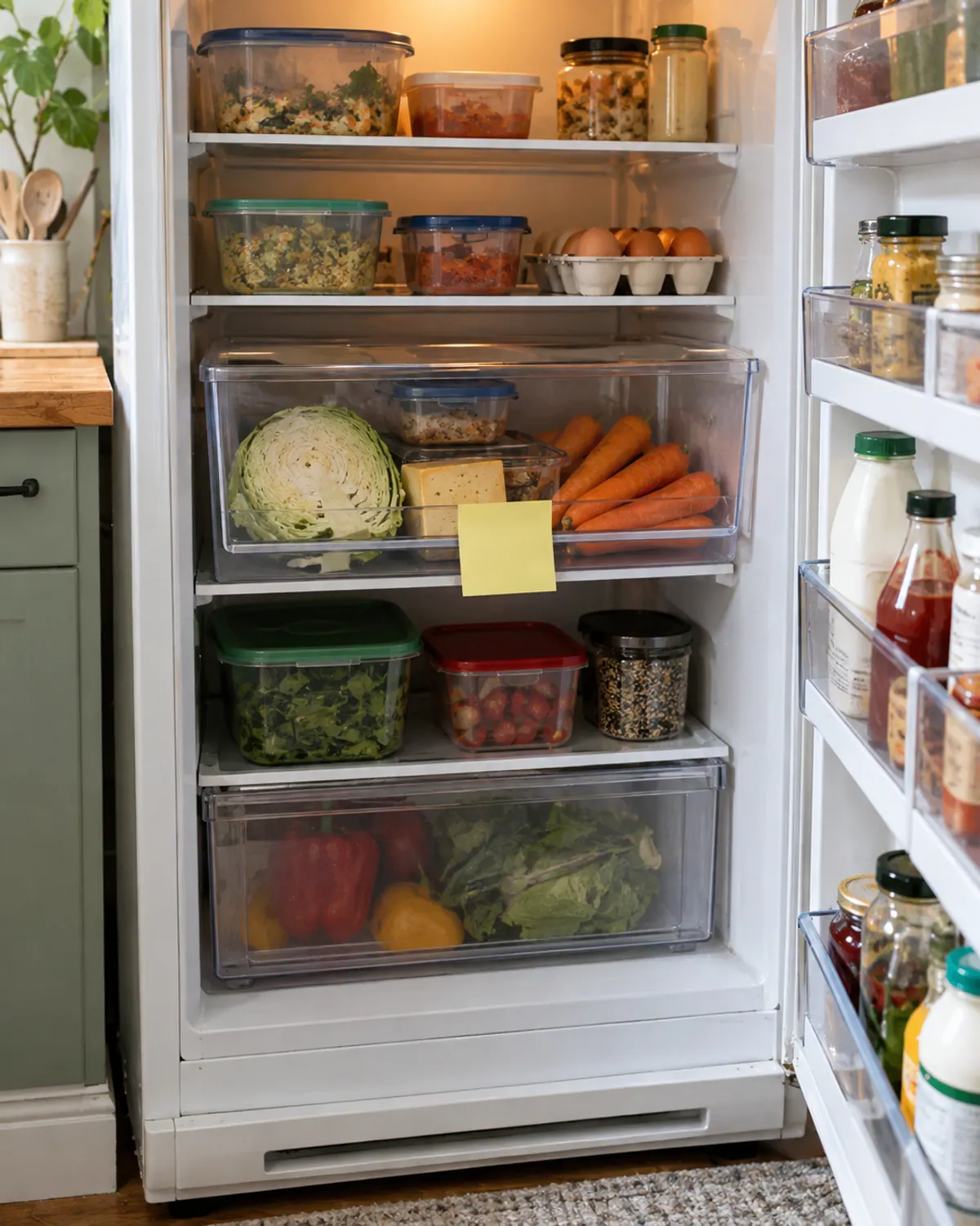
Before your next big shop, cook from what's already in the fridge, freezer and pantry. Make an eat-this-first bin at the front of the fridge so nothing hides. Buy only the few fresh items that pull meals together, like milk, bread or an onion.
- Write what's in the freezer on a list taped to the door, so you remember what's there.
6Make coffee at home most days
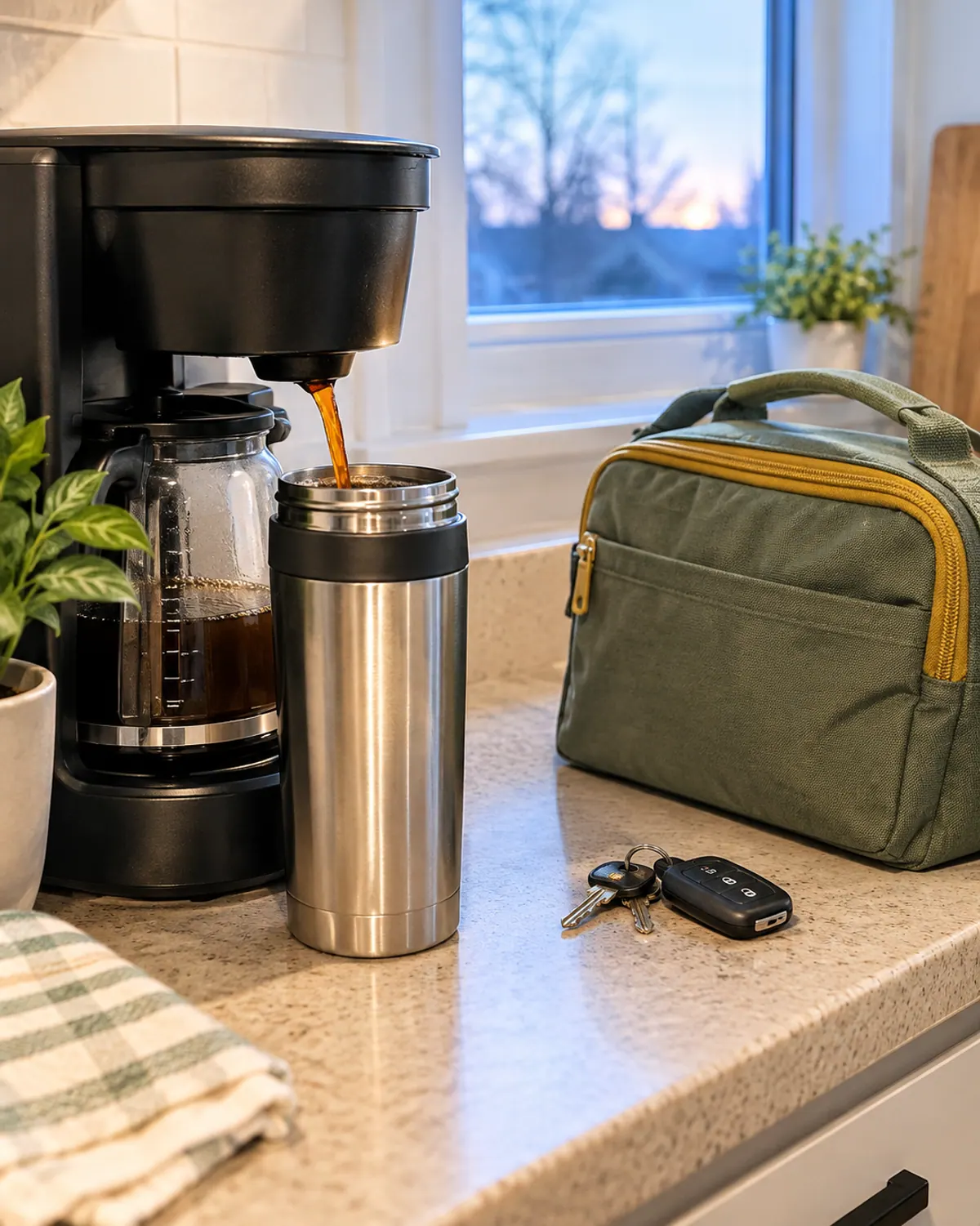
Coffee shop drinks add up because they're small and frequent. If you buy a $4 drink three times a week, brewing at home instead could save about $12 a week, or about $120 over ten weeks, minus the cost of coffee and milk at home. Keep one coffee shop visit as a treat if it matters to you.
- Set out the thermos and mug the night before, so the home option is the easy one.
7Pack lunches from dinner leftovers
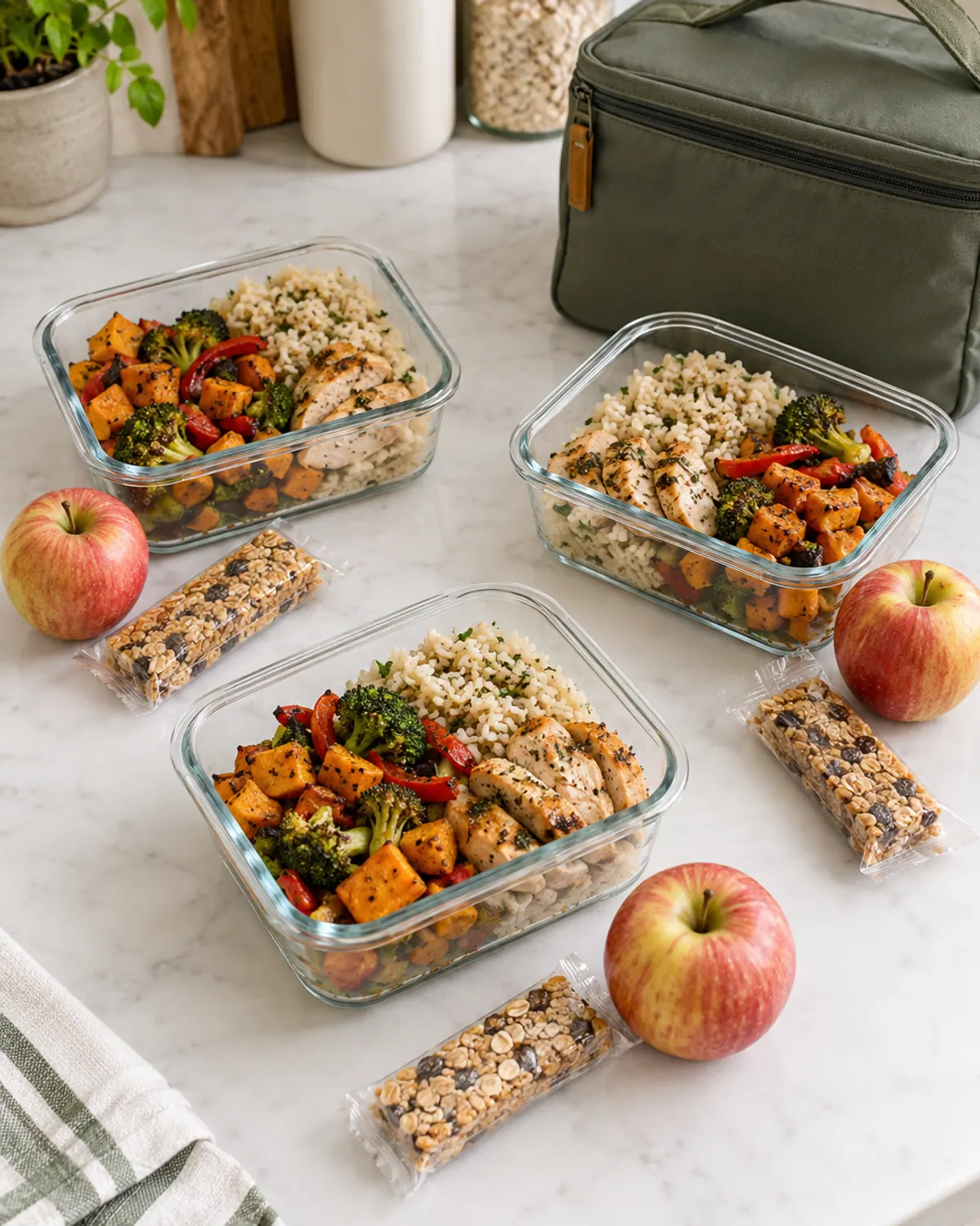
Cook a little extra at dinner and pack it straight into containers before you sit down to eat. No extra cooking, no morning rush. Replacing a $12 lunch out three days a week with leftovers can free up about $30 a week, depending on what you'd normally buy.
- Pack lunches while you clear the table, before the leftovers get eaten as seconds.
8Use cash envelopes for weekly spending
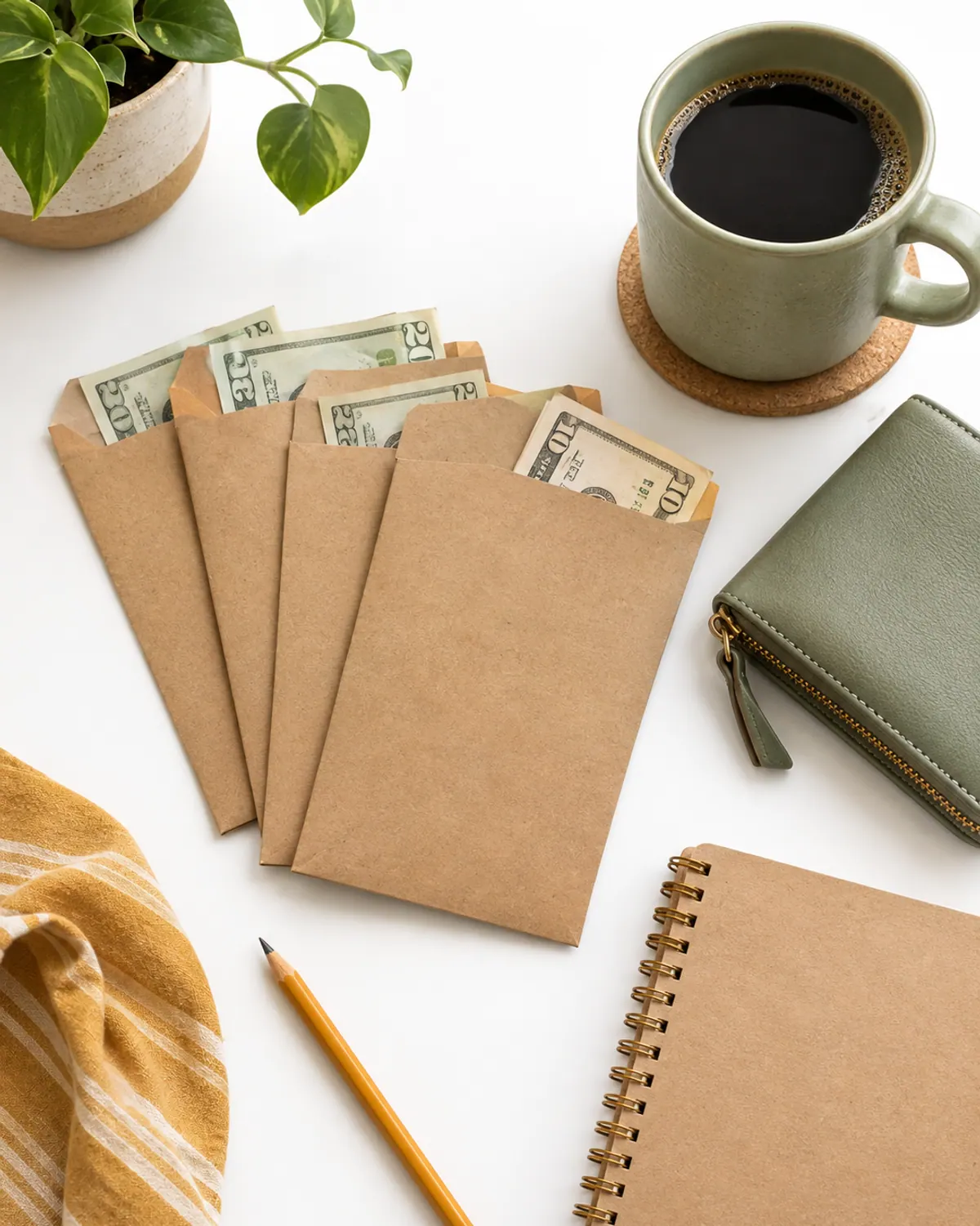
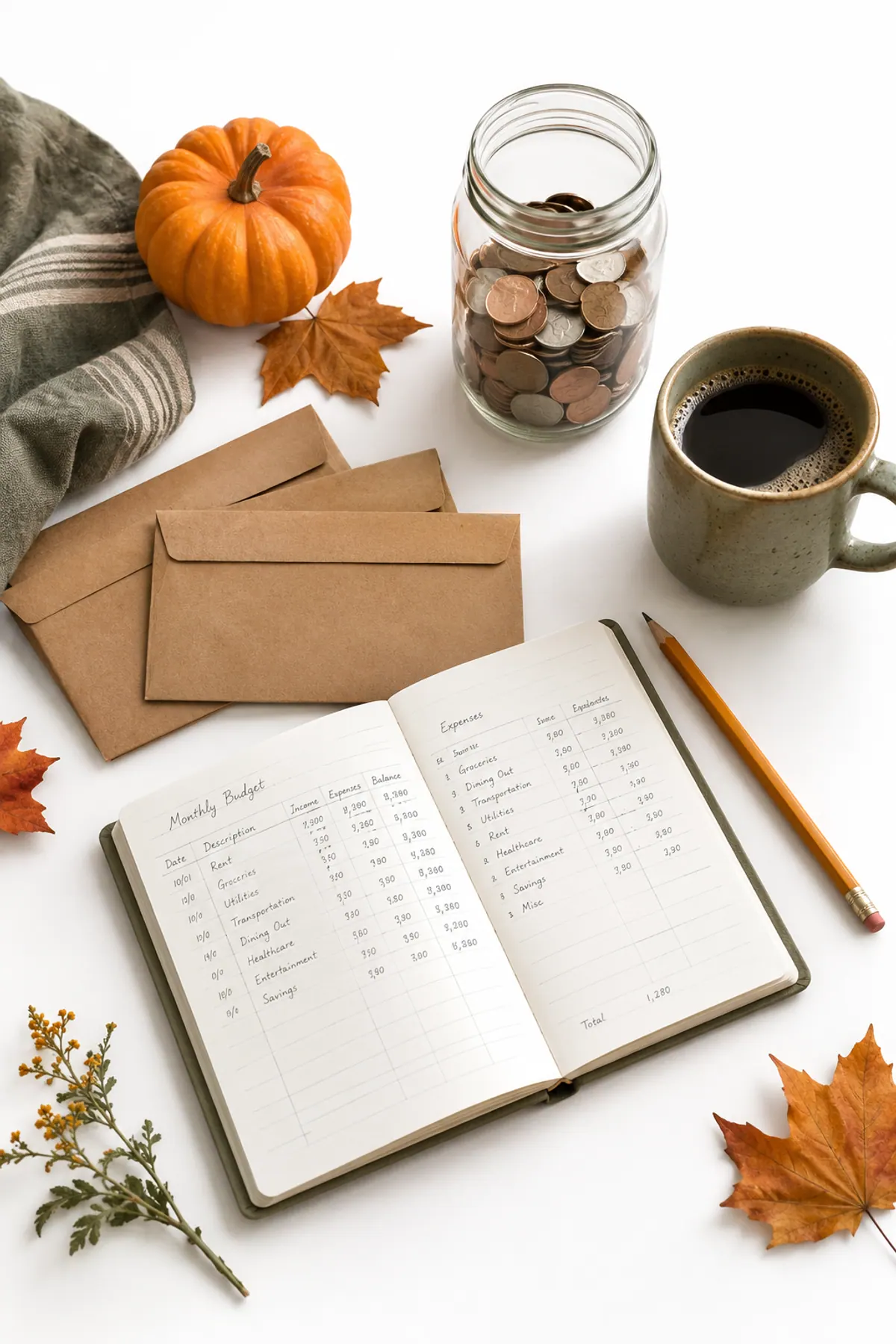
Take out a set amount for groceries, gas and fun money each week and put each in its own envelope. When an envelope is empty, that category is done until next week. It's simple, and many people find that handing over cash feels more real than tapping a card.
- Any cash left on Sunday goes into the holiday envelope, not back into next week.
How to Save Money Fast on Food
Food is one of the few big costs you can change this week, without calling anyone or signing anything.
9Shop from a staples list
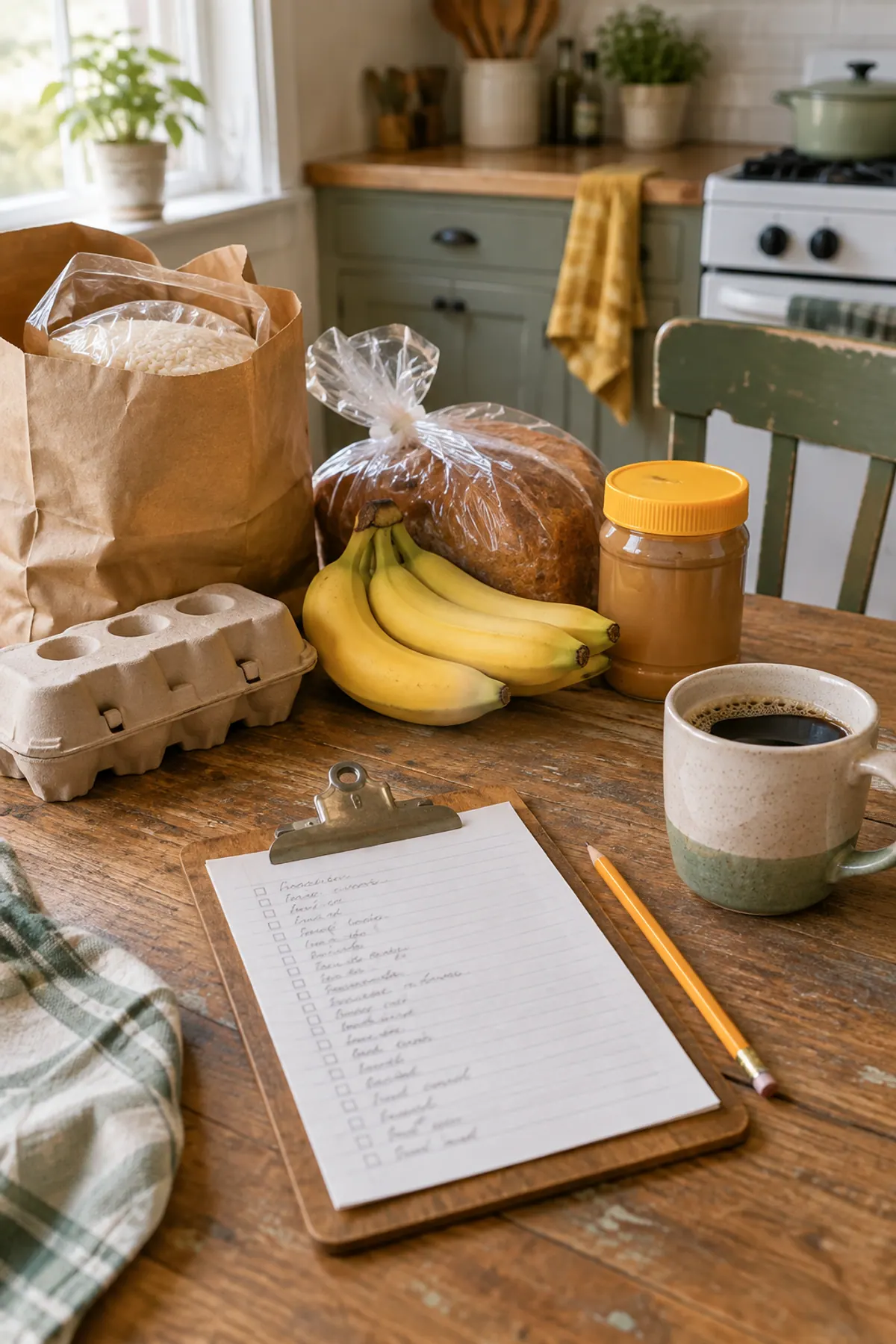
A short list of flexible staples like eggs, rice, potatoes, frozen vegetables and canned beans keeps the cart focused. Our $50 a week grocery list on a budget has 18 core staples with example price ranges you can print and cross off.
- Shop with a full stomach and a written list, never a mental one.
10Plan a week of cheap dinners
Deciding dinners ahead stops the 5 pm takeout call. Choose five or six simple dinners that share ingredients, so one bag of rice or a head of cabbage gets used three times. Our cheap meals on a budget plan shows a full week built from one grocery list.
- Leave one night open for leftovers so nothing goes to waste.
11Switch plain staples to store brand
Rice, flour, oats, canned tomatoes, frozen vegetables and cereal are easy swaps. Check the unit price on the shelf tag to compare fairly. If you don't like one swap, go back to the old brand for that item and keep the rest.
- Swap one category at a time so the change barely registers at home.
12Trade one takeout night for a cozy dinner at home
If a family takeout night costs $30 and a simple home version like homemade pizza or breakfast-for-dinner costs about $10, that's $20 a week. Over ten weeks it adds up to roughly $200. Keep the fun part: same night, same movie, just a different dinner.
- Make it a tradition with a name, like Friday Pizza Night, so it feels like a treat.
13Buy holiday baking staples on sale
Flour, sugar, butter and chocolate chips are often marked down in November and December. Buy what you'll actually use for holiday baking when it's on sale, and skip the specialty items you'll use once.
- Butter freezes well, so a sale in November can cover December baking.
14Waste less food with a weekly fridge check
Food that spoils is money in the trash. Once a week, before you shop, move older food to the front and plan the next meal around it. Wilting vegetables can go into soup, fried rice or the freezer.
- Freeze bread, bananas and cooked rice before they go bad.
Lower Your Bills Before December
15Call your internet provider
Ask if there's a cheaper plan, a current promotion or a lower speed that still fits your household. Be polite and specific: "I'm trying to lower my bill. What options do you have?" If the answer is no, you've lost ten minutes.
- Check what competitors charge at your address before you call.
16Compare your phone plan
Many prepaid carriers run on the big networks and cost less per line. Look at how much data you actually used over the last three months, then compare plans that match it. Switching can take an afternoon, but the savings repeat every month.
- Check that your phone works on the new network and isn't carrier-locked before you switch.
17Get new insurance quotes
Car and renters insurance prices can change at renewal. Getting a few quotes for the same coverage takes an hour or two, and you can ask your current insurer about discounts you might qualify for. Compare coverage carefully, not just price.
- Put your renewal date in your calendar a month ahead so you have time to shop.
18Turn the heat down and the cozy up

The US Department of Energy says you can save as much as 10% a year on heating and cooling by turning your thermostat back 7 to 10 degrees for 8 hours a day. Overnight and while you're at work are the easy times. Wool socks, a throw blanket and a warm drink make it feel like a choice, not a sacrifice.
- Close curtains at dusk to keep warmth in.
19Wash cold and air dry when you can

Most of the energy a washer uses goes to heating water, so washing in cold helps. A folding drying rack handles towels, kids' clothes and sheets without running the dryer. Small changes, but they repeat every single week.
- Run full loads instead of half loads whenever you can.
20Borrow before you buy
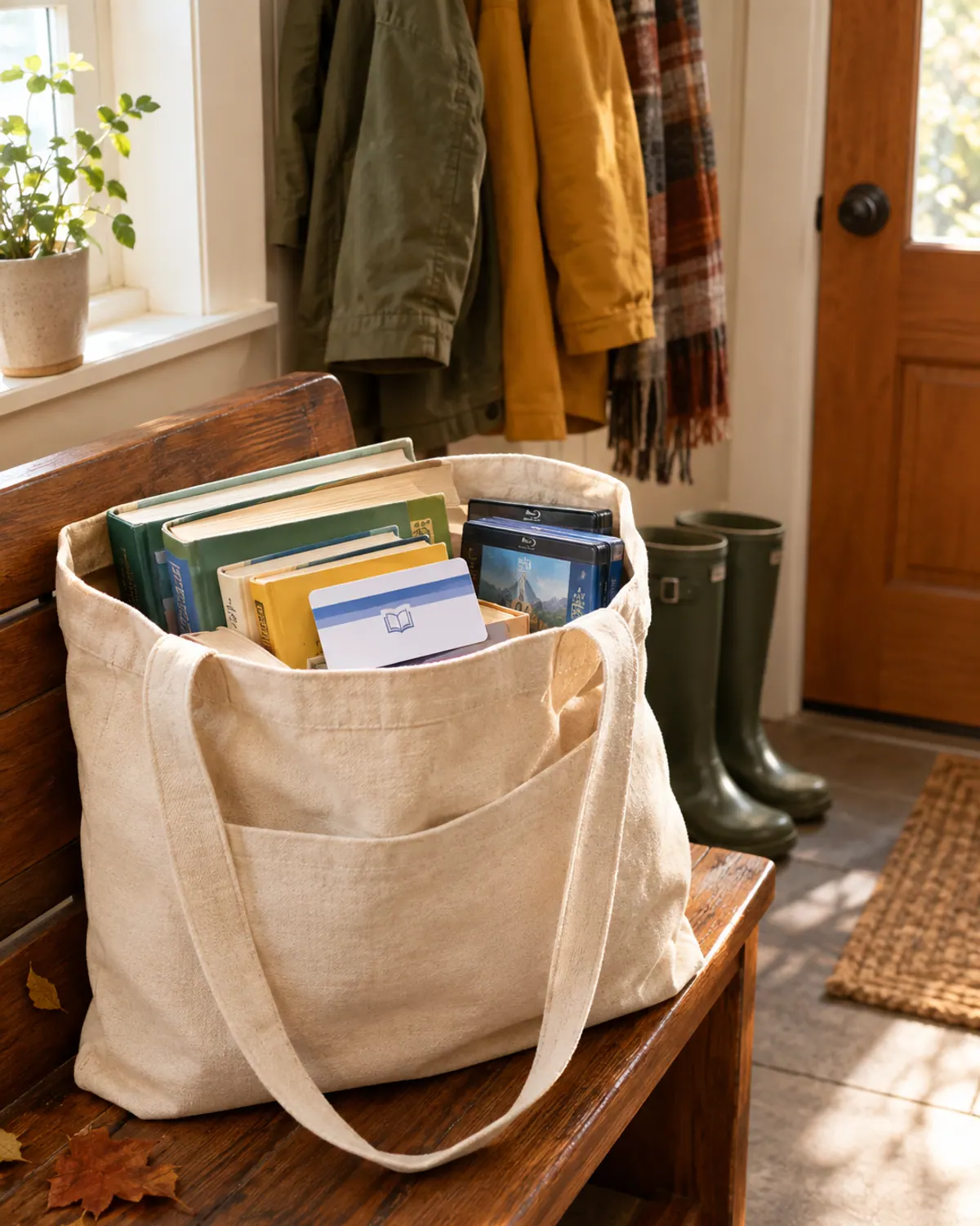
Libraries often lend more than books: movies, audiobooks, magazines, museum passes and sometimes tools or kitchen gadgets. Before buying something you'll use once, ask a neighbor or check a local Buy Nothing group.
- Download your library's app for free ebooks and audiobooks.
Find Money You Already Have
21Sell what you don't use
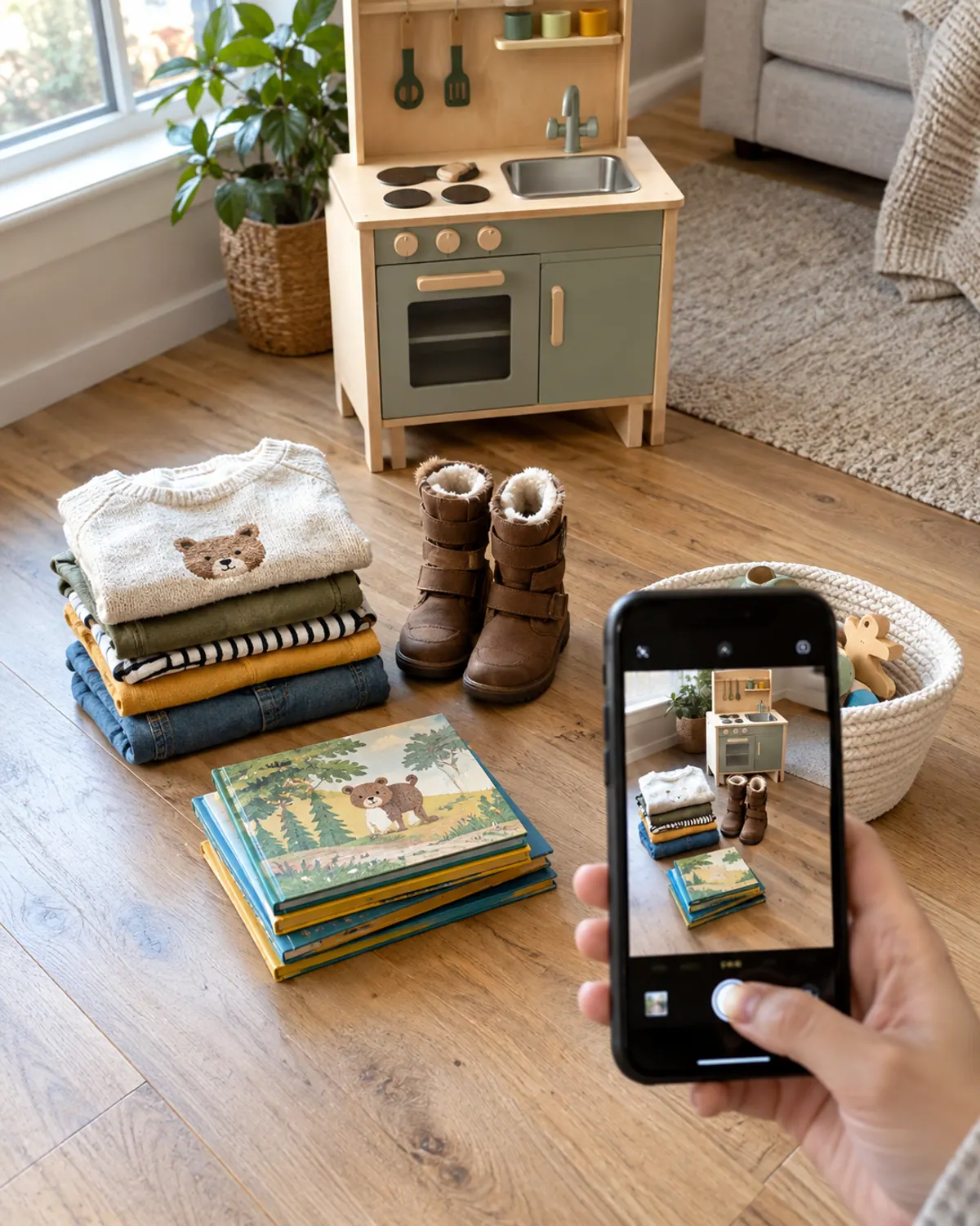
Outgrown kids' clothes, baby gear, furniture and small appliances can sell well in fall, when families are clearing space before the holidays. Take bright photos by a window, price a little under similar listings and meet buyers in a public place.
- Bundle small kids' clothes by size and season to sell them faster.
22Roll up the change jar
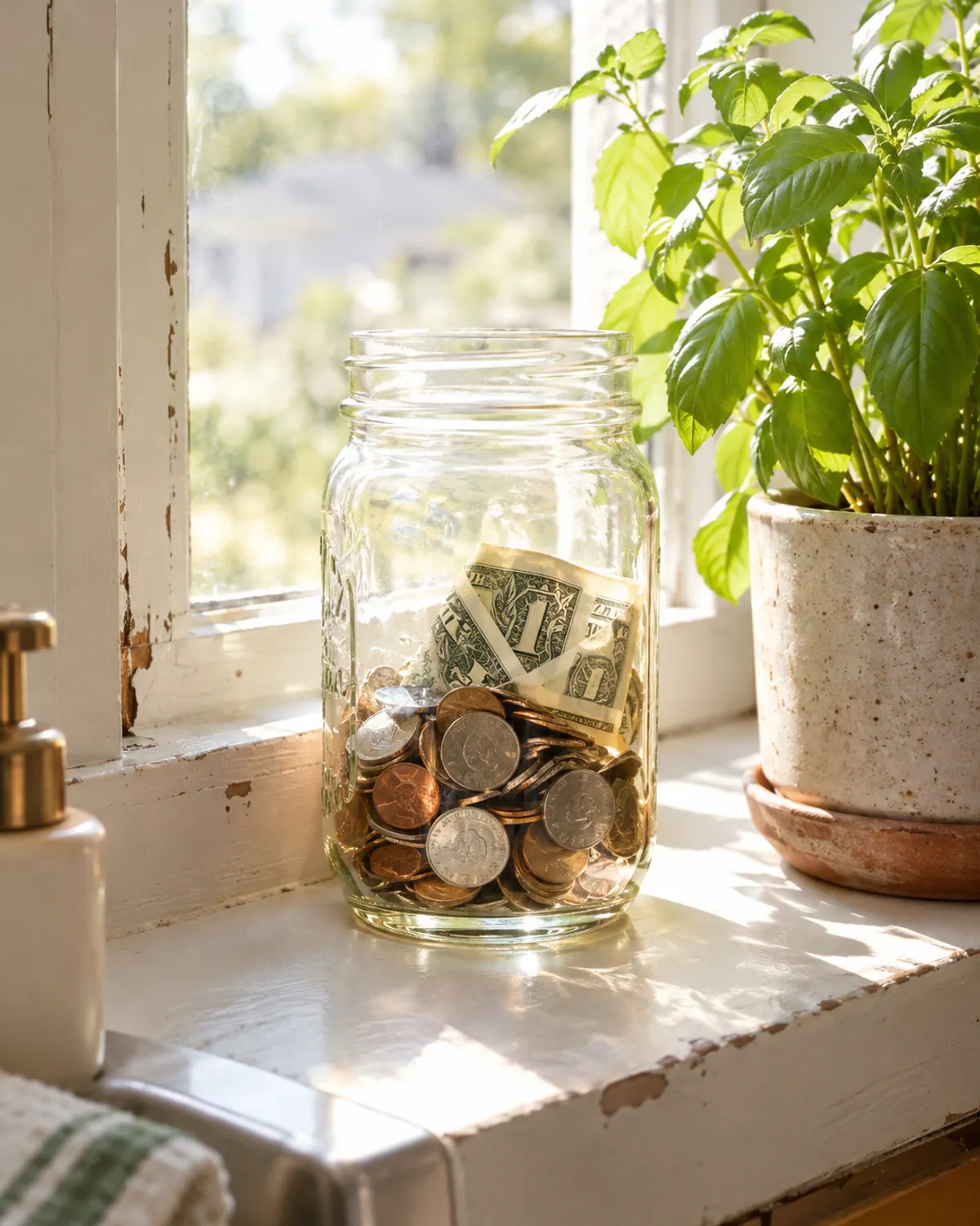
Gather loose coins from jars, drawers, car cup holders and coat pockets. Many banks and credit unions will take rolled coins for deposit, and some count them free for customers. Ask before you go, since coin-counting kiosks often charge a fee.
- Keep the jar going and empty it into savings every month.
23Search for unclaimed money
States hold money from forgotten accounts, old deposits and uncashed checks. Search your name for free on your state's official unclaimed property site or at MissingMoney.com, run by the National Association of Unclaimed Property Administrators. You never need to pay a company to search for you.
- Search old addresses and maiden names, too.
24Return what you won't use
Check closets and car trunks for purchases still in their bags. If they're within the return window, take them back. A $40 sweater you never wore is $40 toward the holidays.
- Keep receipts in one envelope so returns are easy.
25Use the gift cards and points you forgot
Gather every gift card, store credit and rewards balance in one place. Use them for groceries, household basics or holiday gifts you'd buy anyway. It's money that's already yours, sitting in a drawer.
- Check balances online and write each one on the card with a marker.
26Pick up a short seasonal side gig
Holiday retail, pet sitting during travel season, babysitting for holiday parties and gift wrapping can bring in a few extra paychecks. Earnings vary a lot by area and hours, so treat any number you see online as an example. Our side hustles section looks at realistic options.
- Set aside part of side income for taxes if no tax is withheld.
Ways to Save Money on the Holidays Themselves
27Have the gift talk now
October is a kind time to suggest a name draw, a price cap or kids-only gifts for a big family. Most people are relieved someone said it first. Our Christmas on a budget plan walks through the gift list method step by step.
- Suggest one specific plan, so the talk is about fun rather than money worries.
28Give every gift a cap
Write every name, give each person a dollar limit and record what you actually spend. For example, $30 for close family, $15 for friends and $5 for teacher gifts. When one gift runs over, another comes down.
- Count wrapping, cards and shipping in your total, too.
29Decorate with what you already have
Shop your own bins, closets and backyard before any store. Pine branches, paper stars and one strand of lights do a lot of cozy work. Our Christmas decor on a budget ideas show 25 looks under $25.
- Make a list of what's missing and buy only that, if possible after Christmas sales.
30Plan free traditions
A lights walk with cocoa, a library movie night or a paper snowflake evening costs little or nothing. These are often the moments kids remember most, and they keep December from turning into a string of paid outings.
- Write three free traditions on the calendar now so they actually happen.
How Small Savings Add Up by Mid-December
Here's an example of how a few of these ideas could add up over about ten weeks. Your numbers will be different, and that's fine.
| Idea | Example math | Example total |
|---|---|---|
| Coffee at home 3 days a week | $4 x 3 days x 10 weeks | $120 |
| Pause two subscriptions | $15 x 2 services x 2 months | $60 |
| One takeout night swapped for dinner at home | $20 saved x 10 weeks | $200 |
| Sell 10 unused items | about $5 each x 10 | $50 |
| Total | $430 |

Where to Put the Money So It's Still There in December
Here's the part most lists skip: money you save but leave in checking tends to get spent. Give it a separate home the same day you save it.
A separate savings account at your bank, labeled "Holidays," works well because you can see it grow but it isn't on your debit card. If cash feels better, a sealed envelope in a safe spot at home works too, though cash at home can be lost or stolen.
Start this week
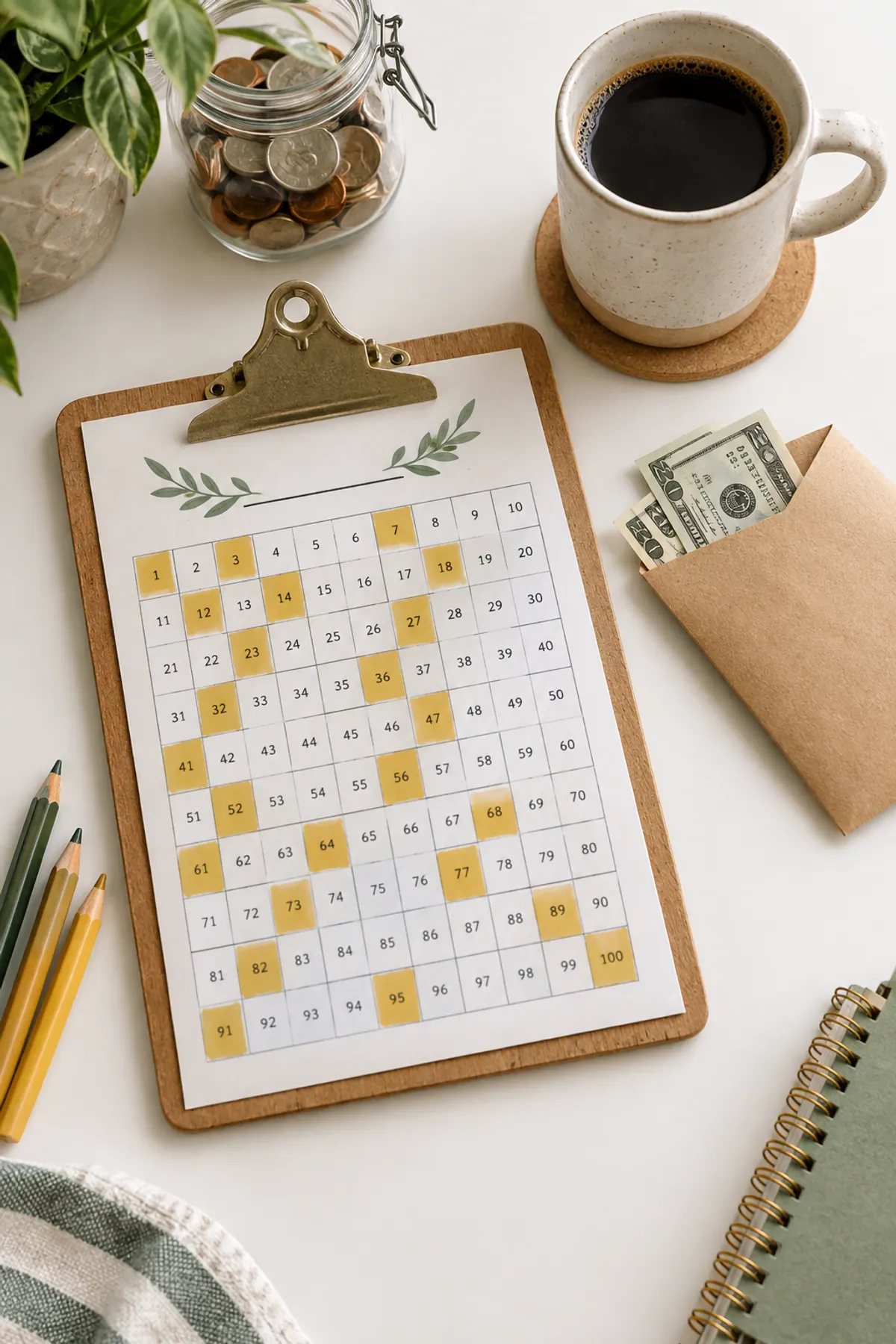
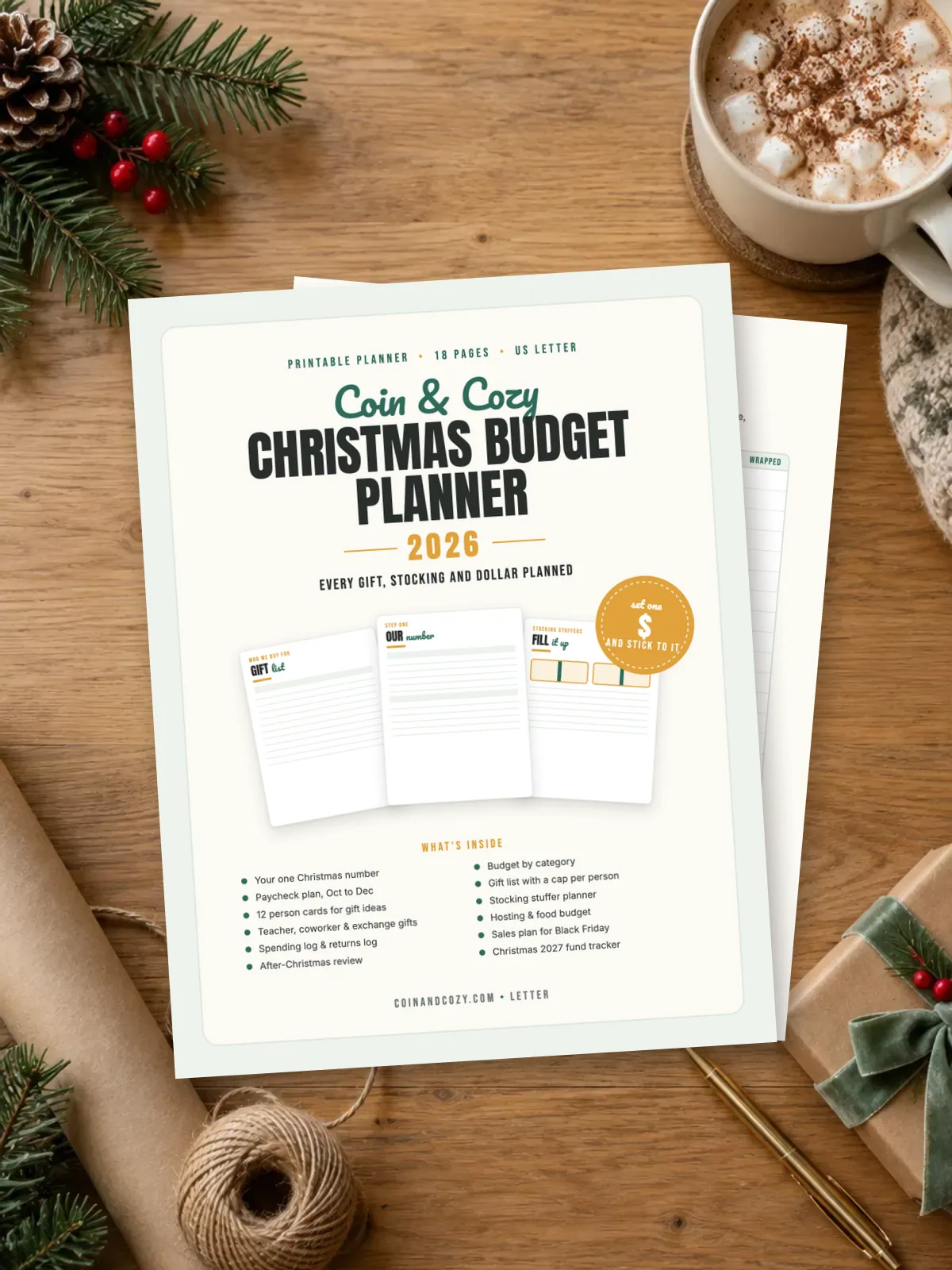
If you want a visual way to track it, our savings challenge printables turn each deposit into a box to color in. And if you'd like one calm place to plan all of next year's money, the planner below includes a monthly budget, sinking funds and a Christmas 2027 budget page.
These ideas are general education, not financial advice. If you're behind on bills or carrying debt that worries you, our financial disclaimer lists free and low-cost places to get personal help.
Frequently asked questions
What is the fastest way to save money?
Usually it's cutting repeat spending you barely notice, like unused subscriptions, takeout and coffee runs, plus selling things you don't use. These can free up money within a week or two, without waiting on anyone else.
How can I save $500 before Christmas?
Break it into weekly pieces. With about ten weeks left from early October, $500 is $50 a week. That could come from swapping one takeout night, making coffee at home, pausing subscriptions and selling a few unused items. These are examples, so mix ideas that fit your life.
How do I save money when I live paycheck to paycheck?
Start very small and specific, like $5 or $10 a paycheck moved to a separate account the day you're paid. Then look for one recurring cost to lower, like a phone plan or subscription. Small amounts still build the habit.
Where should I keep my holiday savings?
Somewhere separate from your everyday spending, like a labeled savings account at your bank. Cash envelopes work too if you keep them somewhere safe, though cash at home can be lost or stolen.
What should I stop buying to save money?
Look at your own bank statement first, since everyone's leaks are different. Common ones are subscriptions you don't use, delivery fees, convenience snacks, single-serve drinks and impulse buys during quick store runs.
Save it for later
Pin this to your Frugal Living Tips board so it's there when you need it.
Save to Pinterest