This post contains affiliate links. As an Amazon Associate we earn from qualifying purchases, at no extra cost to you. Read our disclosure.
Safety first: This is general money education, not personalised financial advice. Please read our financial disclaimer before you start.
Key takeaways
- Seven dinners share about 20 grocery items, and most ingredients show up in two or three meals.
- Cook once, eat twice: Day 1 chicken, Day 2 rice and Day 4 potatoes each set up a later dinner.
- About an hour of Sunday prep makes the busy nights faster.
- Shop your kitchen first, compare unit prices and use frozen vegetables to cut waste.
In this post17 sections
- How This Cheap Meals on a Budget Plan Works
- Your 7-Day Cheap Dinner Plan at a Glance
- The 7 Budget Friendly Meals, Night by Night
- 1. Day 1: Sheet-Pan Chicken Thighs, Potatoes and Carrots
- 2. Day 2: Black Bean Chili With Rice and Cabbage Slaw
- 3. Day 3: Chicken Fried Rice With Eggs and Frozen Veggies
- 4. Day 4: Loaded Baked Potato Bar
- 5. Day 5: Tortilla Pizza Night
- 6. Day 6: Chicken and Vegetable Noodle Soup
- 7. Day 7: Breakfast for Dinner, Potato and Cabbage Hash With Eggs
- The Ingredient Overlap Strategy Behind Cheap Meals
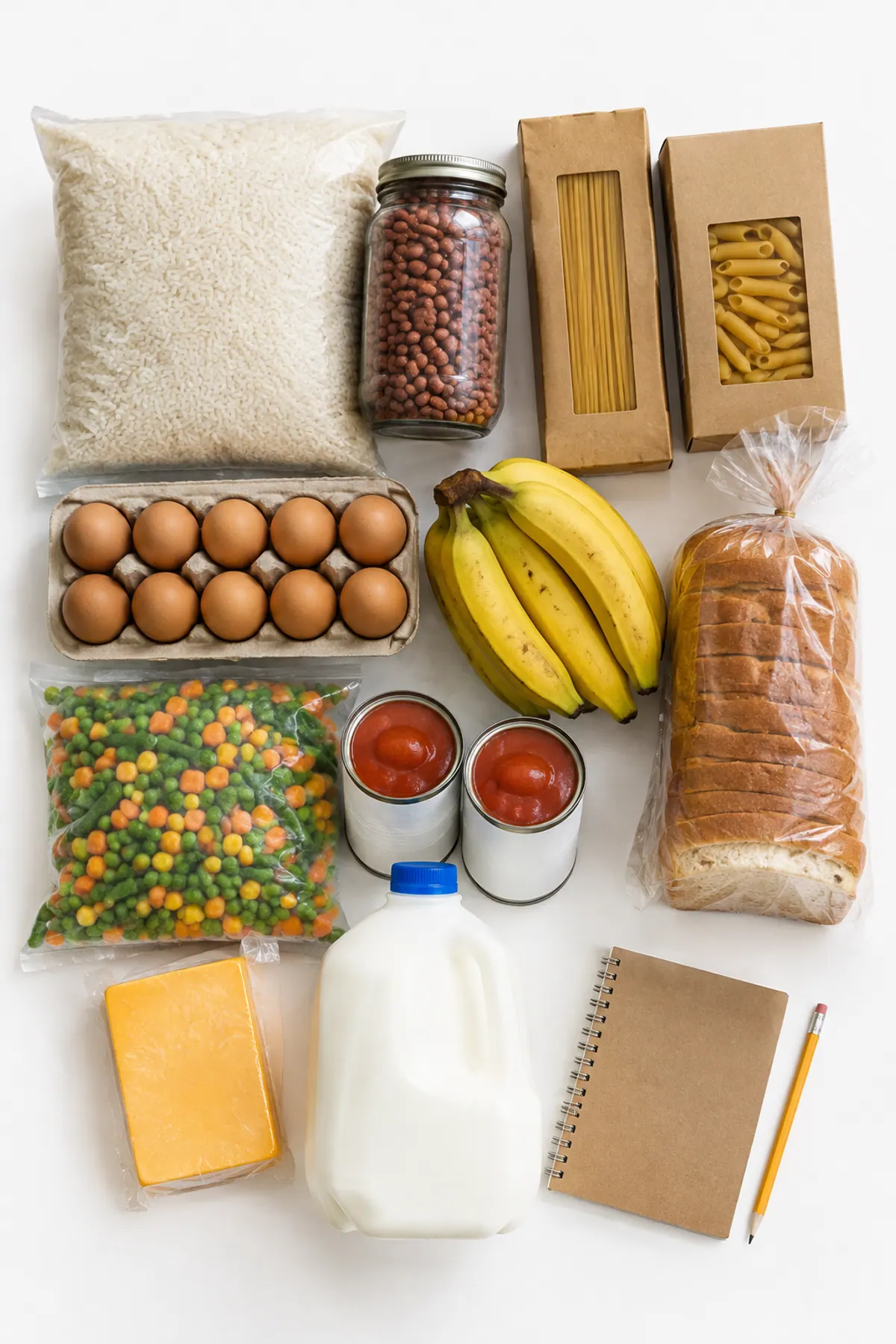
- Your Grocery List on a Budget for the Week
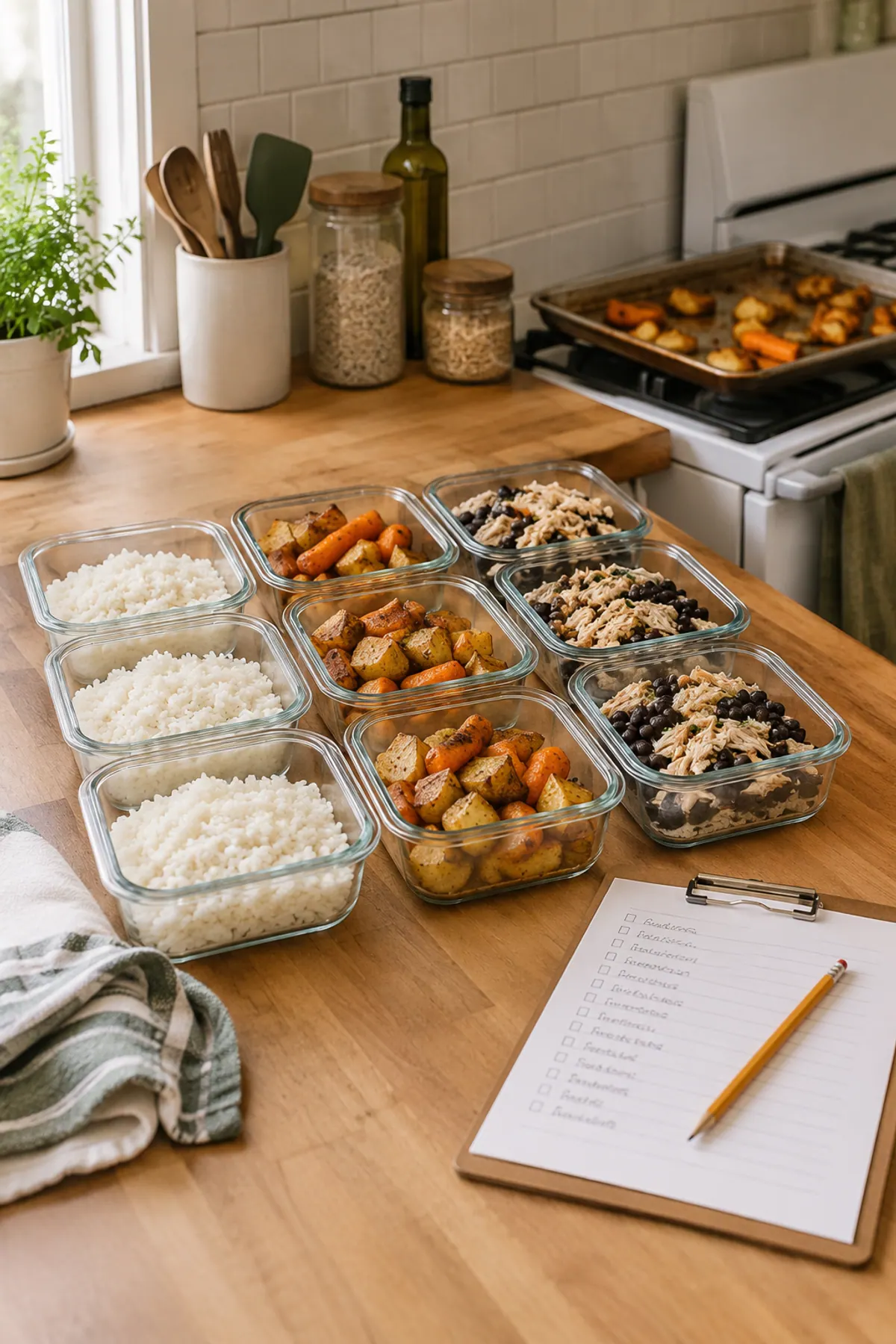
- The Sunday Prep-Ahead Plan (About an Hour)
- 9 Money-Saving Shopping Tactics That Keep Cheap Meals Cheap
- Ways to Swap and Stretch the Plan
- When Cheap Meals Still Feel Like Too Much
- FAQ
How This Cheap Meals on a Budget Plan Works
Grocery money usually leaks in two places: ingredients bought for one meal only, and food that spoils before you get to it. This plan fixes both, because every dinner borrows from the night before or sets up the night after.
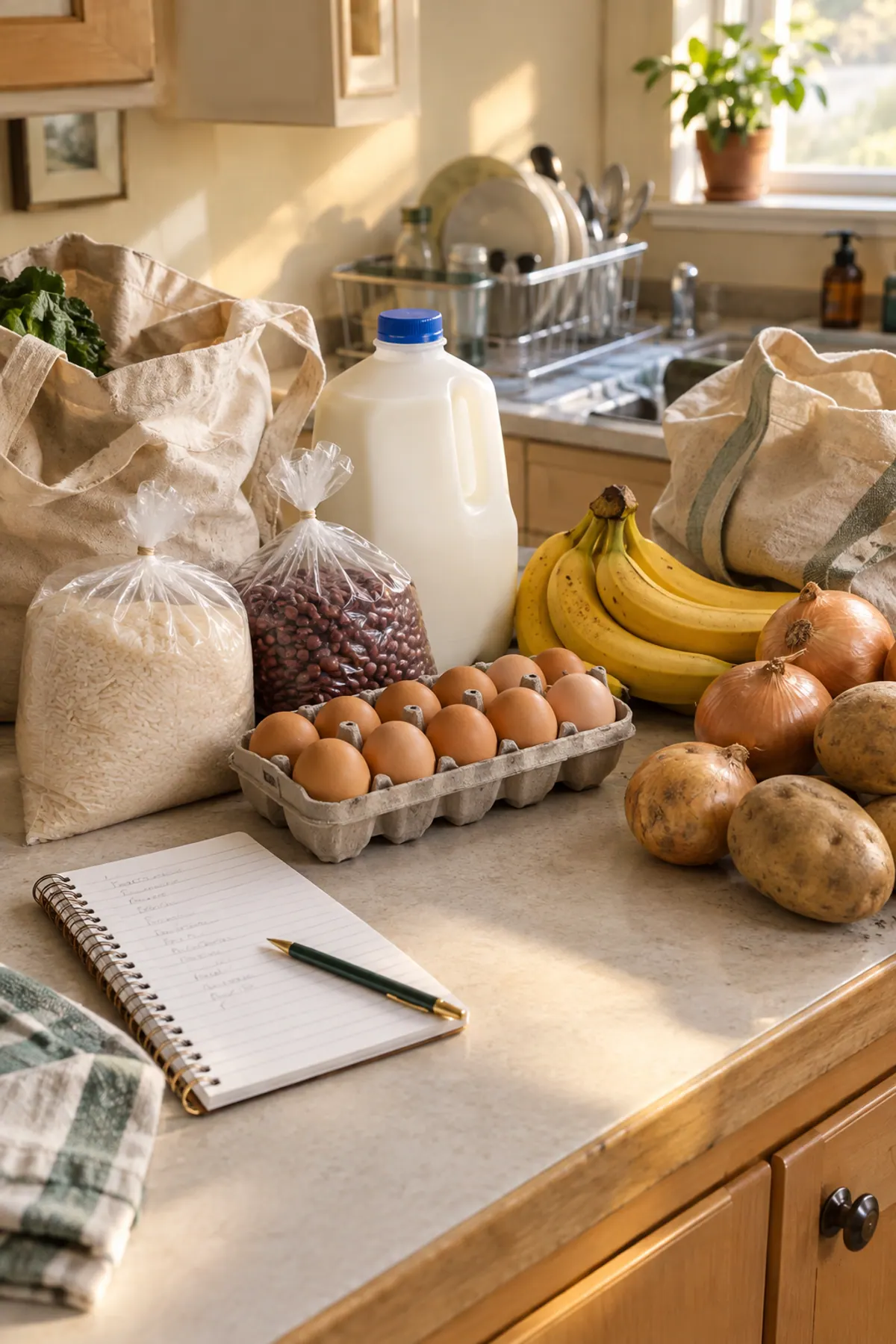
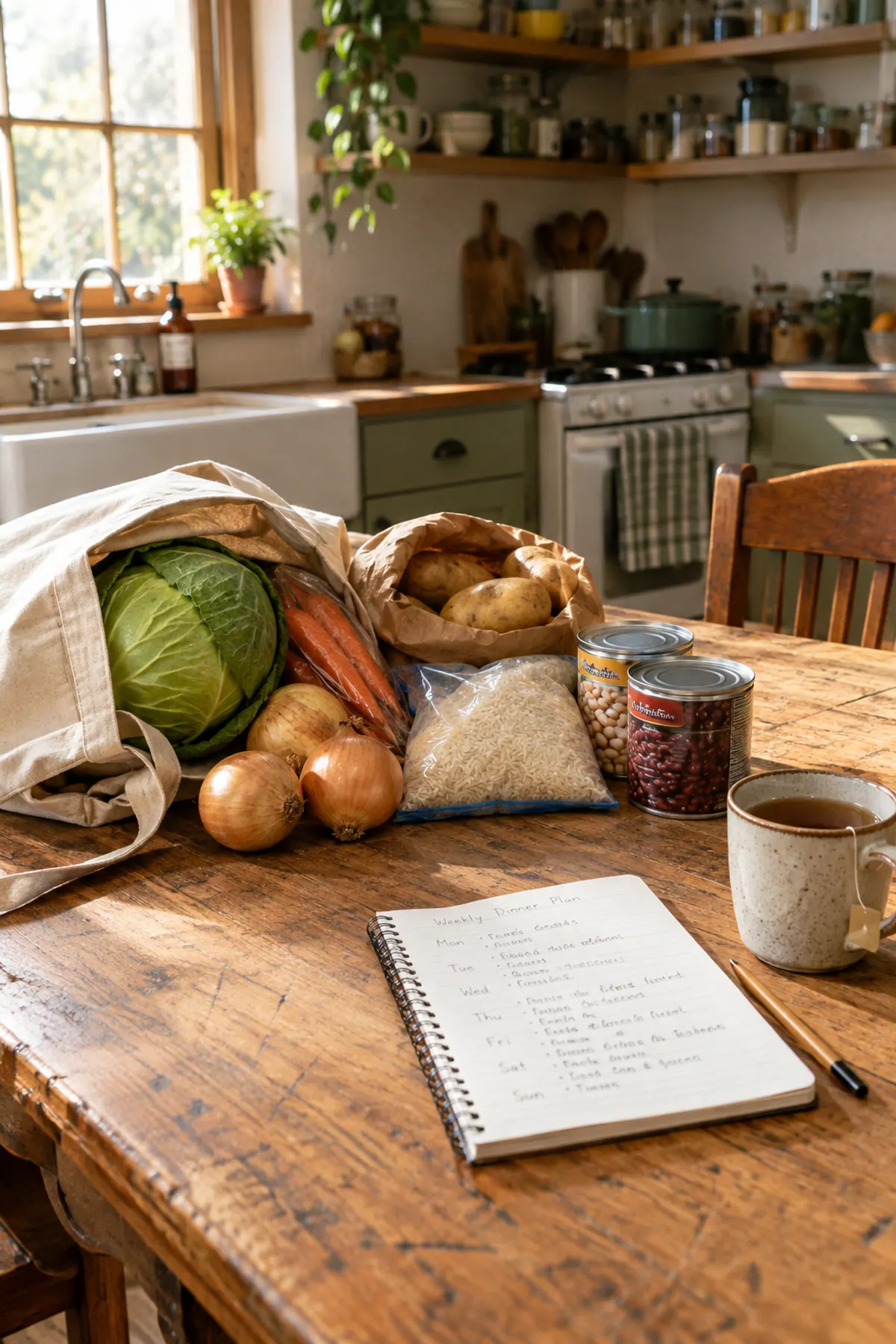
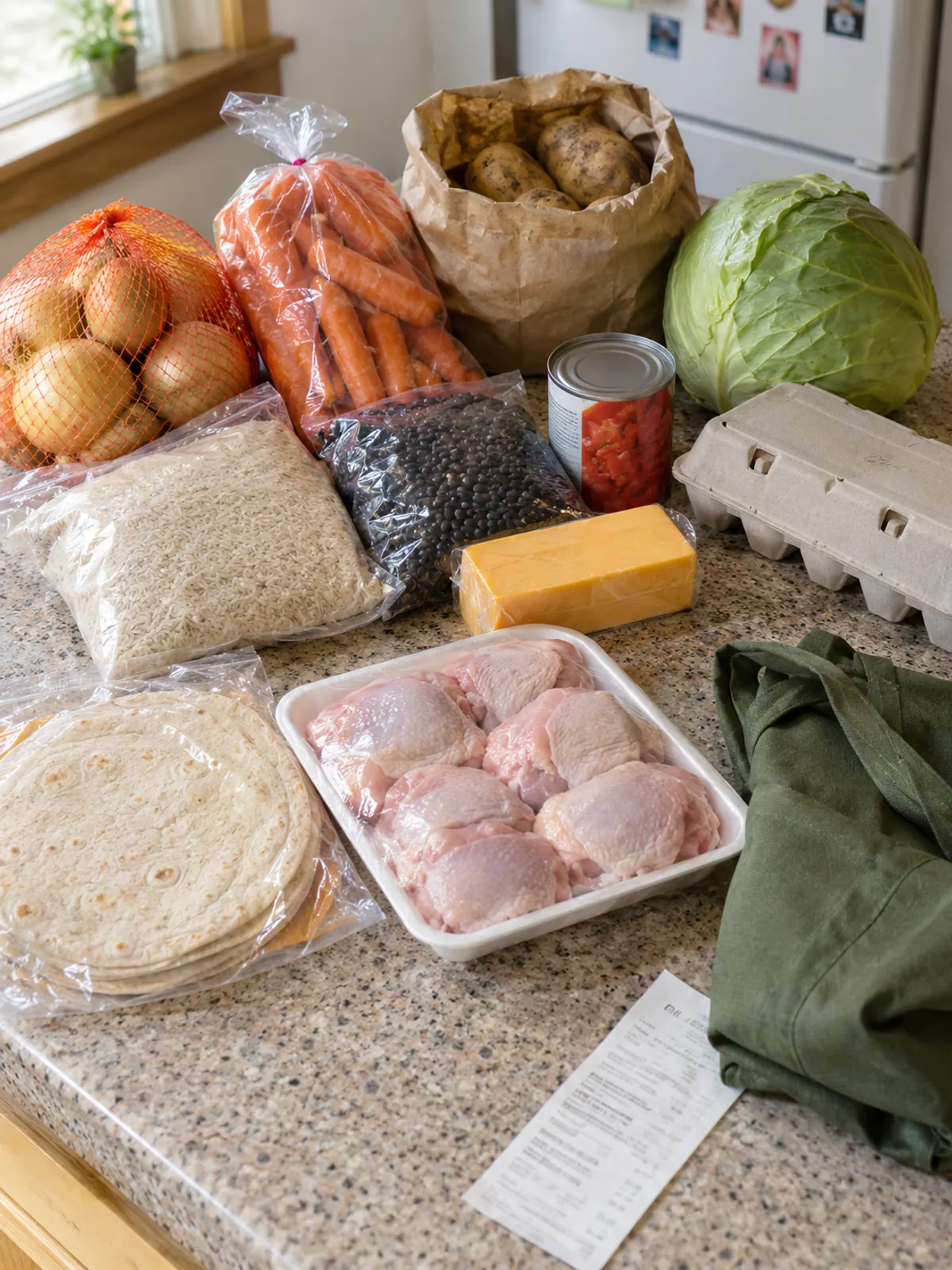
The list leans on sturdy, low-cost staples like potatoes, rice, beans, cabbage, carrots, onions, eggs and bone-in chicken. These keep well for a week, and nothing needs special equipment.
Our rough math using common US store prices puts this week of dinners for four around $40 to $85, depending on your store, region and pantry. That's an example range to check against your own receipts, not a promise.
Your 7-Day Cheap Dinner Plan at a Glance
Here's the whole week in one view. Read across each row to see what a dinner uses up and what it sets up for later in the week.
| Day | Dinner | Uses up | Sets up |
|---|---|---|---|
| Day 1 | Sheet-pan chicken thighs, potatoes and carrots | Fresh groceries | Extra chicken and bones for broth |
| Day 2 | Black bean chili with rice and cabbage slaw | Pantry beans and tomatoes | Extra rice and a container of chili |
| Day 3 | Chicken fried rice | Rice, chicken, cabbage | Nothing new to buy |
| Day 4 | Baked potato bar | Chili, cheddar, frozen broccoli | Extra baked potatoes |
| Day 5 | Tortilla pizza night | Cheese, sauce, odds and ends | A fun night without delivery |
| Day 6 | Chicken and vegetable noodle soup | Bones, last chicken, carrots | Freezer lunches |
| Day 7 | Potato and cabbage hash with eggs | Potatoes, cabbage, onion | An empty fridge, ready to shop |
Swap the days around to fit your calendar, but keep the order of Days 1 to 3 and Days 4 to 7. Those pairs are where the leftovers do their work.
The 7 Budget Friendly Meals, Night by Night
These are meal ideas, not recipes. Make each one the way your family likes it, and use whatever seasonings you already own.
1Day 1: Sheet-Pan Chicken Thighs, Potatoes and Carrots
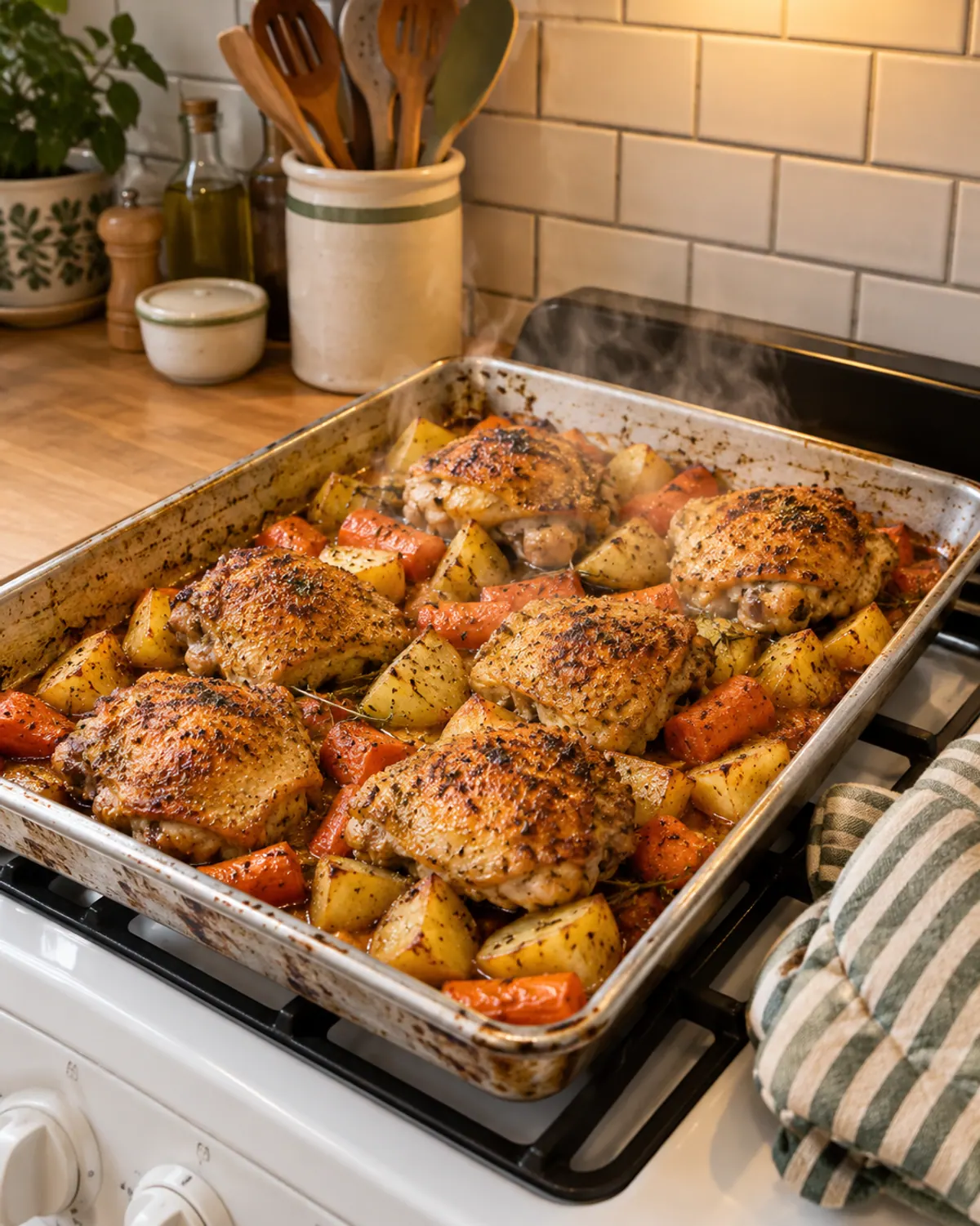
Bone-in chicken thighs roast next to chunky potatoes and carrots on one pan, so cleanup stays simple. Thighs often cost less per pound than boneless breasts and stay juicy if dinner runs late.
The trick is to roast more thighs than you'll eat tonight. Save the extra meat for Day 3 and freeze the bones for Day 6.
- Why it's cheap: bone-in thighs, potatoes and carrots are some of the lowest cost-per-serving basics in most stores.
One pan covers Day 1 dinner and the tortilla pizzas, and a second pan helps with bigger batches.
2Day 2: Black Bean Chili With Rice and Cabbage Slaw
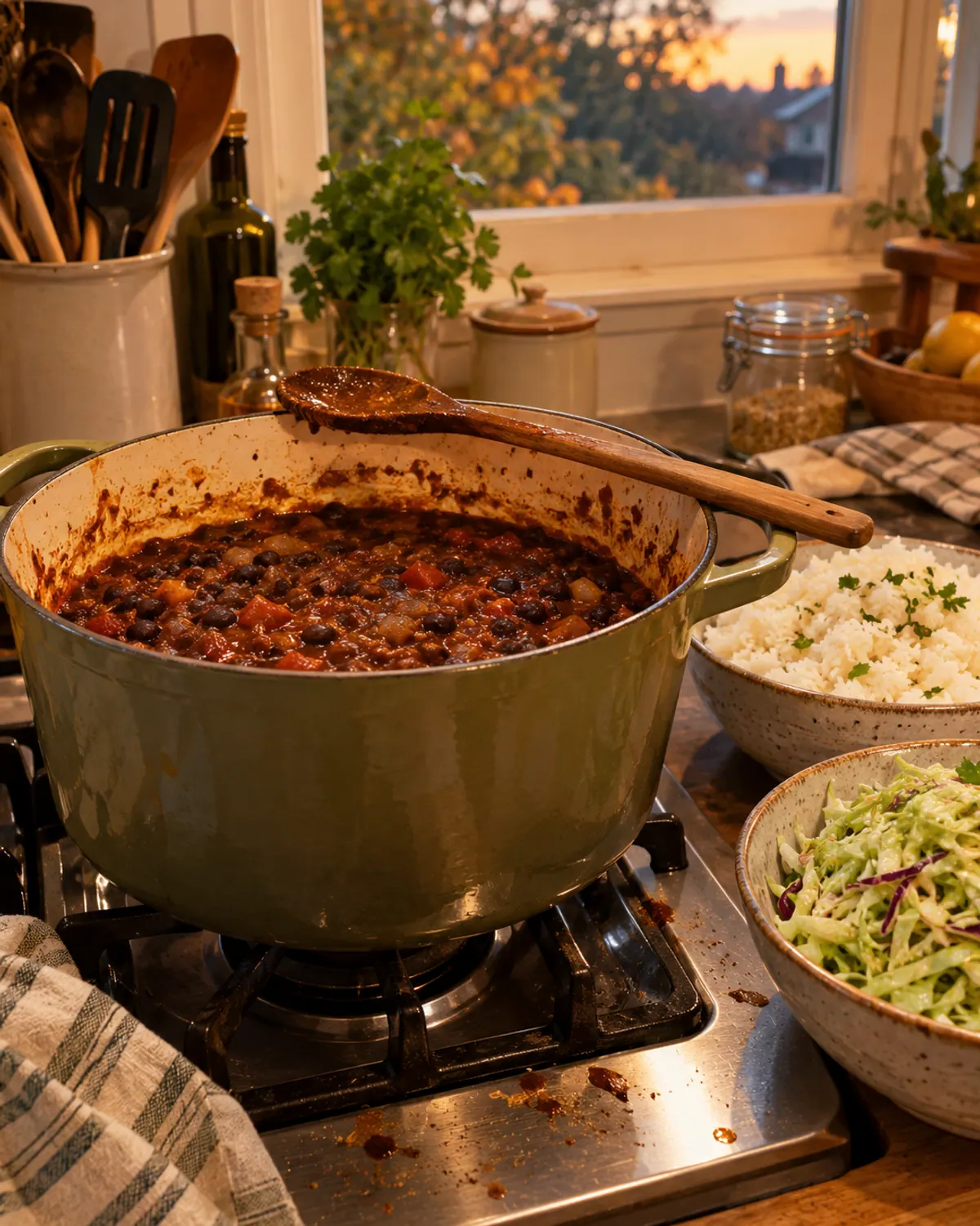
A big pot of black bean chili makes the most of pantry staples: beans, canned tomatoes, onion and chili spices. Serve it over rice with a crunchy cabbage slaw on top.
Make a double batch of rice tonight, since half of it becomes tomorrow's fried rice. Set aside a container of chili for the potato bar on Day 4, too.
- Why it's cheap: beans stand in for meat, and dried beans usually cost less per serving than canned if you have time to soak them.
3Day 3: Chicken Fried Rice With Eggs and Frozen Veggies
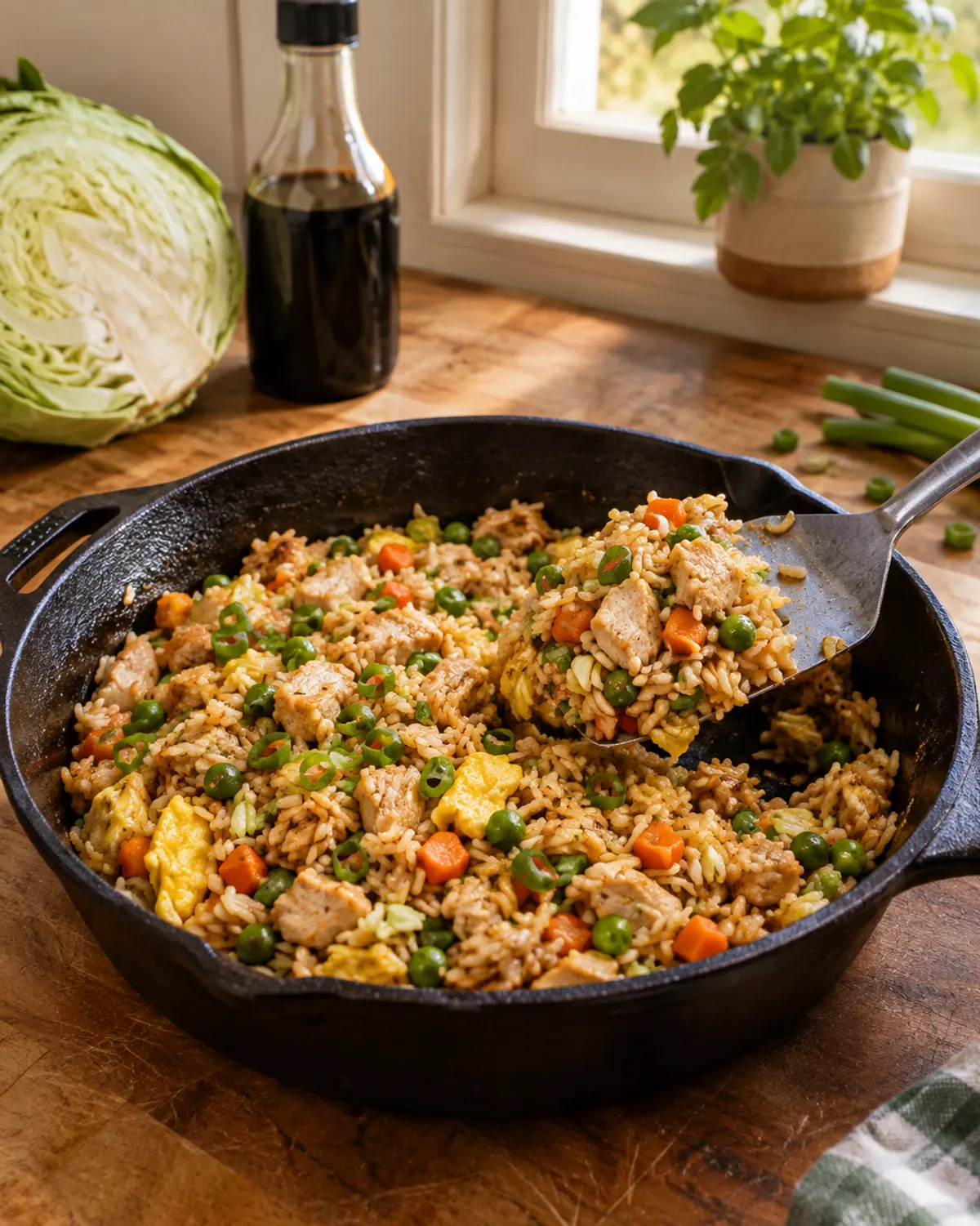
Tonight uses three leftovers at once: Day 2's rice, Day 1's chicken and some of the cabbage. Scrambled eggs and a bag of frozen peas and carrots fill it out.
Fried rice is a forgiving home for half an onion or odd vegetables hiding in the crisper. It also comes together fast, which helps when takeout starts to sound good.
- Why it's cheap: almost nothing new gets bought for this meal, because it's built from food that's already cooked.
4Day 4: Loaded Baked Potato Bar
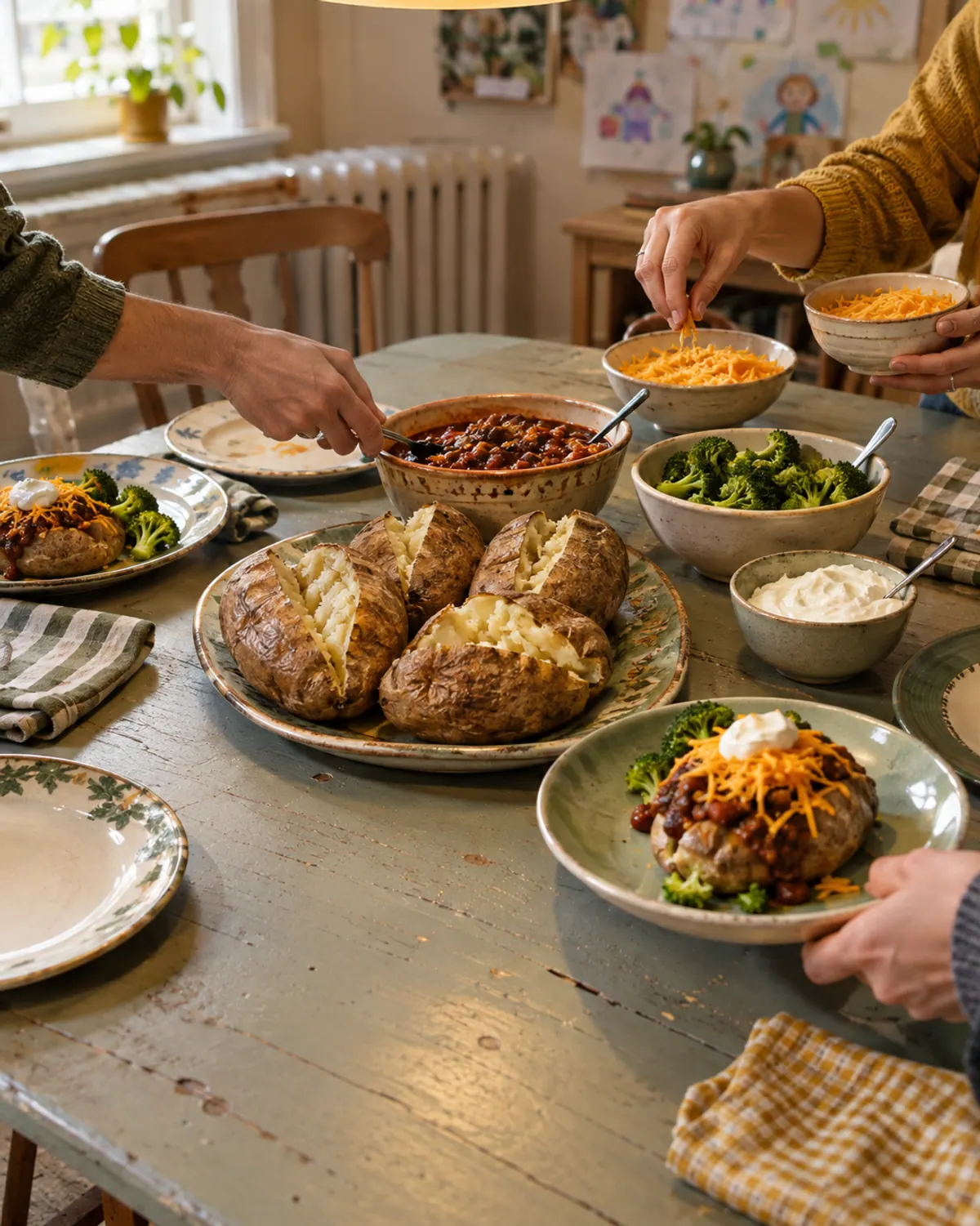
Bake a tray of potatoes and set out toppings so everyone builds their own plate: leftover chili, shredded cheddar, steamed frozen broccoli and anything else that needs using up.
A topping bar turns small amounts of leftovers into a full, filling dinner. Bake a few extra potatoes and keep them in the fridge for Day 7.
- Why it's cheap: potatoes are one of the most filling foods for the money, and most of the toppings are leftovers.
5Day 5: Tortilla Pizza Night
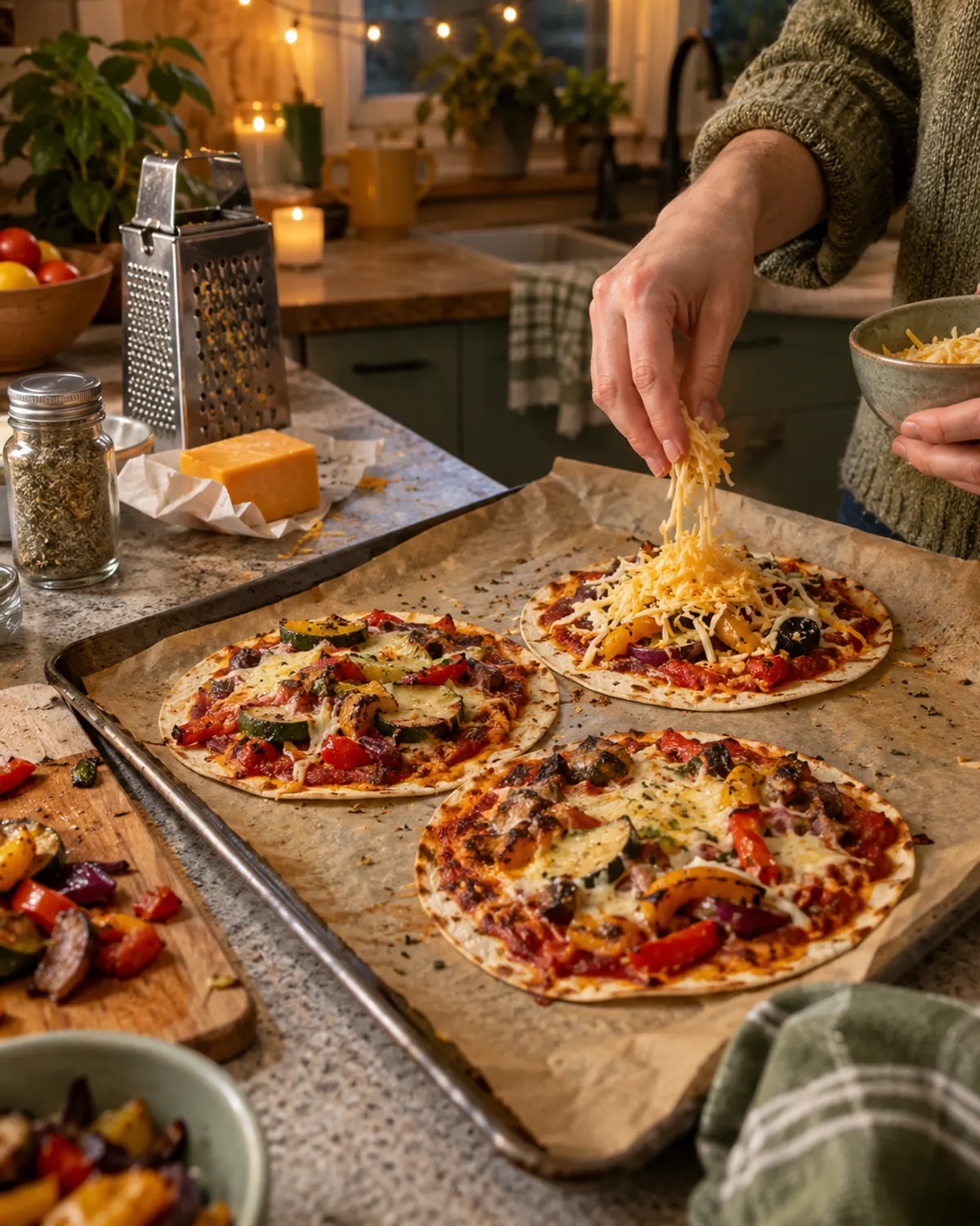
Flour tortillas make thin, crispy pizza crusts with no dough to deal with. Spread on tomato sauce, add cheese and scatter on leftover vegetables or chicken.
Friday is when many food budgets break, because everyone's tired and delivery is one tap away. A homemade pizza night keeps the fun for far less.
- Why it's cheap: the tortillas, sauce and block of cheese stretch across several meals this week, not just this one.
6Day 6: Chicken and Vegetable Noodle Soup
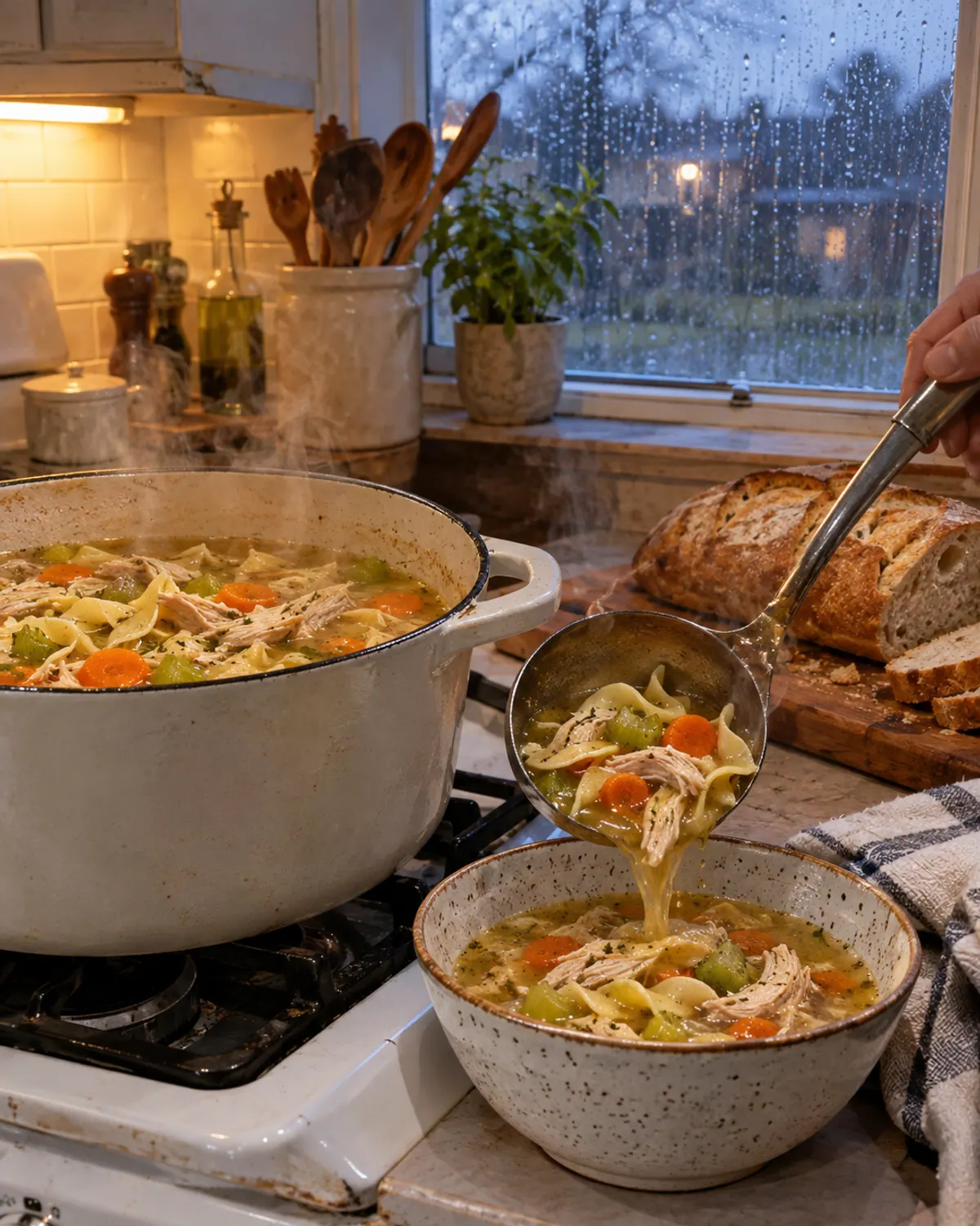
Remember the bones from Day 1? Simmer them with onion and carrot scraps for an easy homemade broth, or use bouillon if time is short. Add the last of the chicken, plus carrots, cabbage and egg noodles.
Almost any vegetable can go in the pot, so soup makes a great end-of-week meal. Freeze any extra for future lunches.
- Why it's cheap: homemade broth comes from bones and scraps you would otherwise throw away.
7Day 7: Breakfast for Dinner, Potato and Cabbage Hash With Eggs
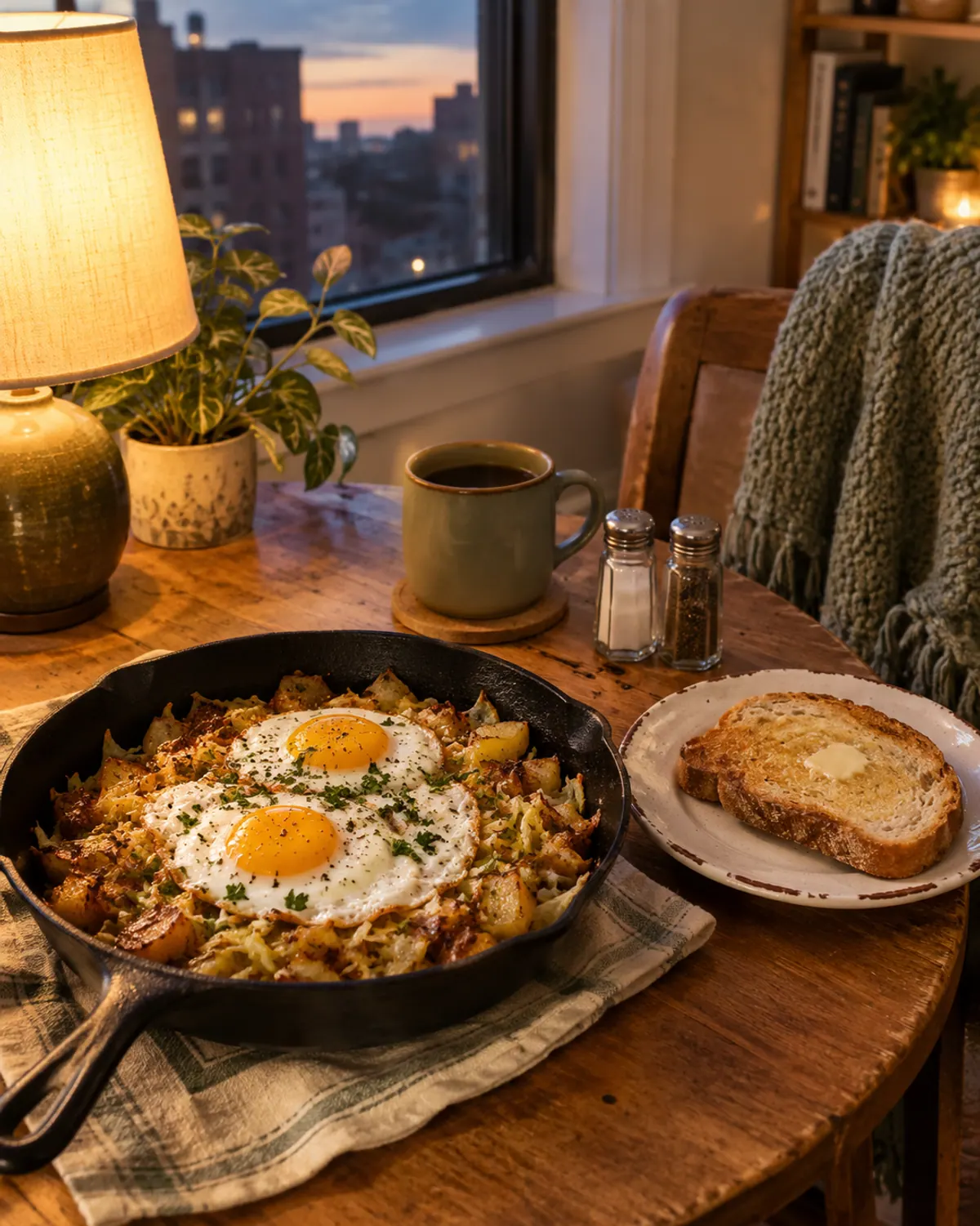
Chop the extra baked potatoes from Day 4 and crisp them in a pan with onion and the last wedge of cabbage. Top each plate with an egg and add toast on the side.
This clean-out-the-fridge dinner closes the week with almost nothing wasted. Eggs are usually a low-cost protein, though their price can swing, so check before you plan around them.
- Why it's cheap: by Day 7, every ingredient is either a leftover or a staple you already bought.
The Ingredient Overlap Strategy Behind Cheap Meals
The whole plan rests on one idea: every ingredient should show up in at least two meals. Cabbage appears in the slaw, the fried rice, the soup and the hash. Chicken thighs feed three dinners, and the bones make broth for a fourth.
To build your own weeks, pick four anchors: one protein, one grain, one sturdy vegetable and one sauce base. Then remix them as a bowl one night, a soup the next and a pan meal after that.
Cabbage, carrots, onions and potatoes can last a week or more when stored well, while leafy greens often don't. For anything delicate, frozen vegetables are a smart backup.
Your Grocery List on a Budget for the Week
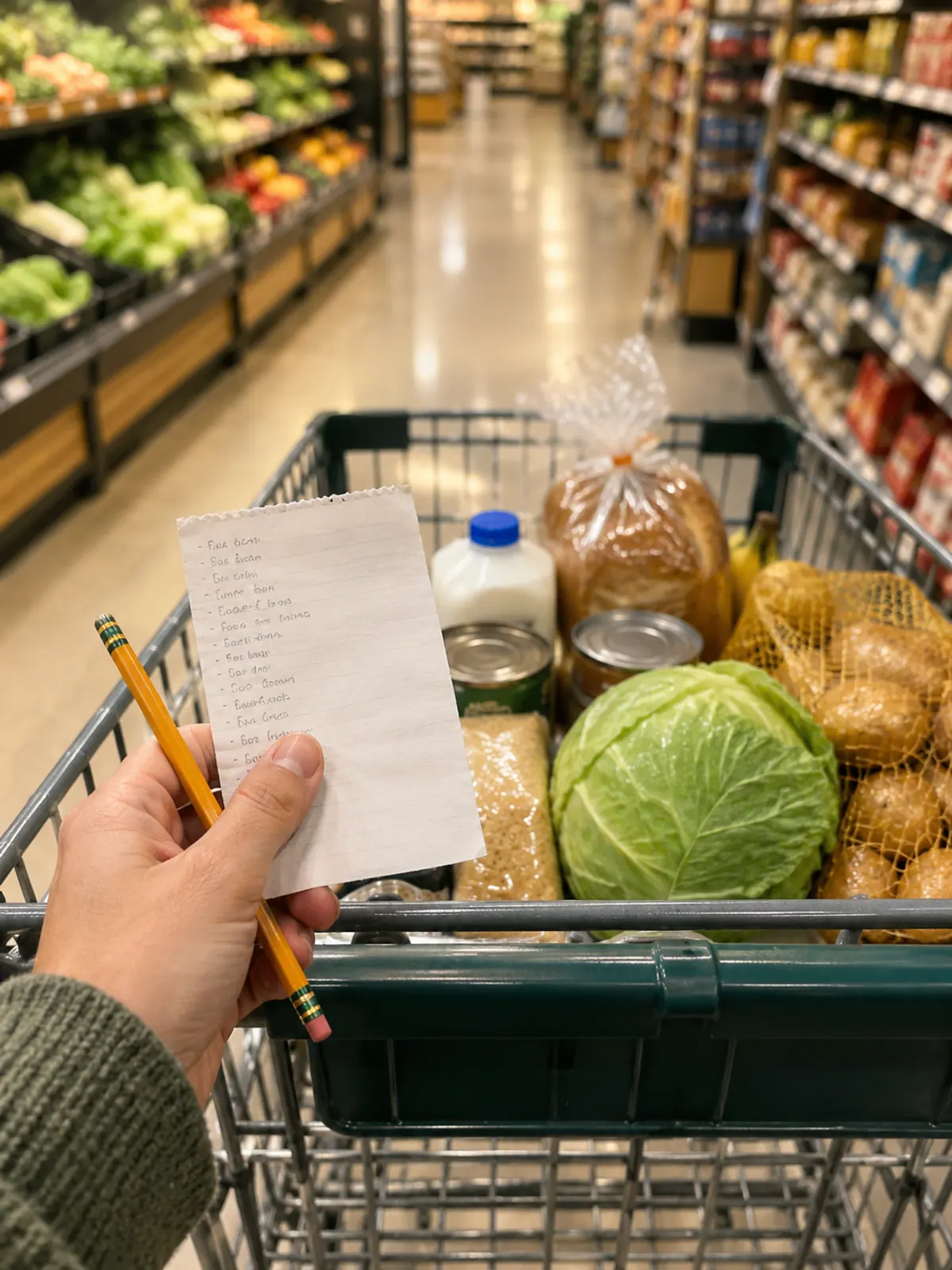
Here's the combined list for all seven dinners. Tick off anything you already have before you shop, since that's the easiest money you'll save all week.
Cheap meals grocery list (7 dinners)
Most of these are among the lowest cost-per-serving foods in a typical US store. As a loose guide, rice and dried beans often run around $1 to $3 a pound, and cabbage is often under $1 a pound. Prices vary a lot by store, region and season, so check your local shelf tags.
The Sunday Prep-Ahead Plan (About an Hour)
You don't need a full meal prep day. About an hour on Sunday, or whatever day starts your week, takes the chopping off busy nights.
Chop the sturdy vegetables. Dice the onions and slice the carrots for the first half of the week, then store them in containers. Shred half the cabbage for slaw and fried rice, and leave the rest whole so it stays crisp.
Start the beans. If you're using dried beans, put them in water to soak so they're ready for chili night. Canned beans skip this step and cost a little more.
Clear a fridge shelf. Make room for the leftovers this plan creates, and label lids with masking tape and the day they're meant for.
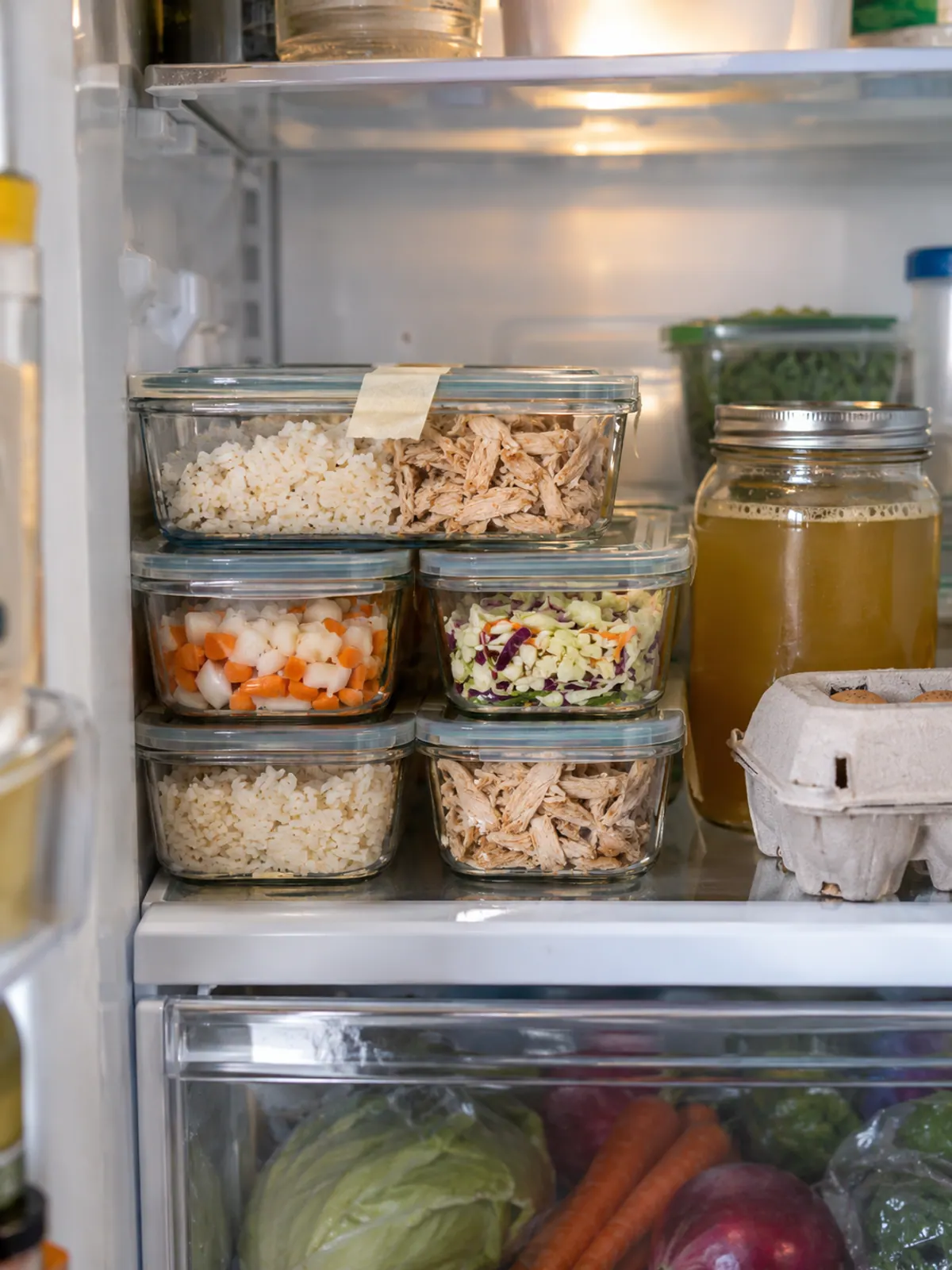
During the week, the plan does its own prep. Day 1 makes the chicken for Day 3, Day 2 makes the rice for Day 3, and Day 4 makes the potatoes for Day 7.
9 Money-Saving Shopping Tactics That Keep Cheap Meals Cheap
1. Shop your kitchen first. Check the pantry, fridge and freezer, and cross off anything you already have. That half bag of rice in the cupboard is money you don't need to spend.
2. Let the sales flyer pick your protein. If drumsticks or a whole chicken are cheaper than thighs this week, swap them in. The plan works with any bone-in chicken.
3. Compare unit prices. The small print on the shelf tag shows the price per ounce or pound, and a bigger package isn't always cheaper. Let that number decide.
4. Try store brands one item at a time. Store brands often cost less for rice, beans, canned tomatoes and frozen vegetables. Keep the swaps your family likes.
5. Buy whole, not prepped. A whole cabbage usually costs less than bagged slaw, and block cheese usually costs less per ounce than pre-shredded. A few minutes with a grater adds up.
6. Go frozen for anything delicate. Frozen peas, carrots and broccoli don't go limp in the crisper. Pour out what you need and the rest waits.
7. Look high and low. Pricier brands often sit at eye level, while lower-cost options hide on the top or bottom shelves. A quick glance up and down can save on almost every staple.
8. Shop once, with a full stomach. Every extra trip is another chance for impulse buys. One planned trip with the list in hand keeps the total close to your plan.
9. Give groceries a set amount. Decide your weekly grocery number before you shop, then track it with cash in an envelope or a running total on your phone. Our budgeting basics guides explain simple ways to set that number.
Ways to Swap and Stretch the Plan
Meatless week: swap the chicken for lentils or a second kind of beans, and make the soup with vegetable scraps or bouillon.
Smaller household: cook the same plan and freeze half of the chili and soup for next week's lunches.
No oven: use a skillet for the chicken, the microwave for the potatoes and a covered pan for the tortilla pizzas.
Helpful tools for cheap meal prep
-
Glass meal prep containers
Sets often around $20 to $40
Oven-safe glass holds leftovers, goes from fridge to microwave and lasts for years.
Check price on Amazon for Glass meal prep containers -
Rimmed half sheet pans
Often around $15 to $30 for two
One pan covers Day 1 dinner and the tortilla pizzas, and a second pan helps with bigger batches.
Check price on Amazon for Rimmed half sheet pans -
Large stockpot
Often around $25 to $50
Big enough for a double batch of chili or a full pot of soup with leftovers to freeze.
Check price on Amazon for Large stockpot -
Cast iron skillet
Often around $20 to $40
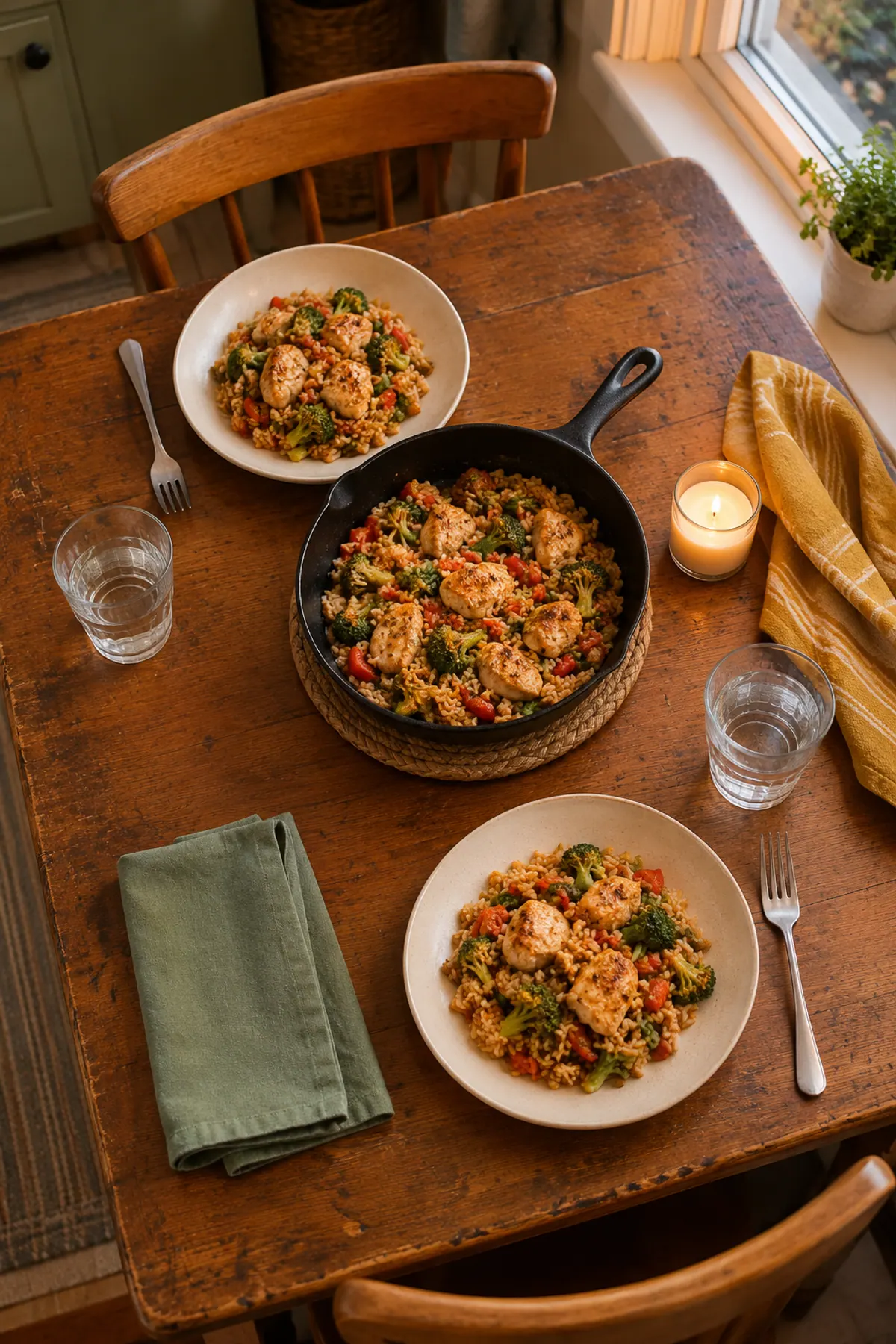
Handles fried rice, hash and stovetop chicken, and it can last decades with basic care.
Check price on Amazon for Cast iron skillet -
Reusable freezer bags
Often around $12 to $25 for a set
Good for freezing bones for broth, extra soup and leftover chili without buying zip bags each week.
Check price on Amazon for Reusable freezer bags
Prices are rough ranges as of October 2026 and change often. You don't need any of these to follow the plan, since the pans you already own are the cheapest option.
When Cheap Meals Still Feel Like Too Much
Sometimes even a careful plan doesn't stretch far enough, and that's not a personal failing. Food prices, rent and paychecks don't always line up, and real help exists for exactly that.
In the US, you can call or text 211 to find local food pantries and assistance programs. Feeding America's website has a food bank locator, and your state's SNAP office can tell you if your household qualifies for grocery benefits. Families with young children may also qualify for WIC.
If money stress goes beyond groceries, our financial disclaimer lists free and low-cost places to get personal help. Our grocery savings section has more ways to trim the weekly bill.
The money this plan frees up can go somewhere that matters to you. If the holidays are next on your list, our Christmas on a budget plan uses the same idea of planning ahead so December doesn't drain January. For more ways to pause spending, browse our no-spend challenge ideas.
Frequently asked questions
What are the cheapest meals to make on a budget?
Meals built on rice, dried beans, potatoes, eggs, cabbage, carrots and onions tend to be the cheapest. Bean chili, fried rice, baked potato bars, soups and egg dinners all use these staples, and they work well with leftovers.
How much should a family of four spend on groceries a week?
It depends on your region, store and family. The USDA publishes monthly food plans at several cost levels that many families use as a reference point.
How do I make a grocery list on a budget?
Plan your meals first, then list every ingredient and cross off what you already have. Group the list by store section, choose ingredients that appear in more than one meal and set a spending number before you shop.
Is it cheaper to buy dried or canned beans?
Dried beans usually cost less per serving than canned. Canned beans save soaking and cooking time, so many budget cooks keep a few cans for busy nights and use dried beans when they can plan ahead.
How do I keep cheap meals from getting boring?
Change the format, not the ingredients. The same chicken, rice and vegetables can become a sheet-pan dinner, a fried rice night and a soup.
Save it for later
Pin this to your Grocery Savings board so it's there when you need it.
Save to Pinterest