This post contains affiliate links. As an Amazon Associate we earn from qualifying purchases, at no extra cost to you. Read our disclosure.
Safety first: This is general money education, not personalised financial advice. Please read our financial disclaimer before you start.
Key takeaways
- Autopilot spending comes from saved cards, prompts, danger hours and forgotten subscriptions, not weak willpower.
- An example of five small leaks adds up to $291 a month, or $3,492 a year.
- In one 2022 survey, people guessed $86 a month on subscriptions, but the real average was $219.
- A 30-day wish list, an eating-out envelope and a subscription audit are quick wins.
- A no spend challenge works best with rules written before day 1.
In this post30 sections
- How to Stop Spending Money on Autopilot
- Ways to Stop Spending Money on Unnecessary Things
- 1. Unsubscribe from sale emails and texts
- 2. Remove saved cards from shopping sites and apps
- 3. Unfollow accounts that sell things to you
- 4. Start a 30-day wish list
- 5. Shop your house first
- Ways to Stop Spending Money on Clothes
- 6. Do a closet inventory
- 7. Use the cost-per-wear check
- 8. Set a quarterly clothing allowance
- 9. Thrift first, then wait for the season end
- Ways to Stop Spending Money on Fast Food
- 10. Know your danger hour
- 11. Keep two backup dinners in the pantry
- 12. Delete delivery apps from your phone
- 13. Set a weekly eating-out cap in cash
- 14. Pack the lunch and the treat
- Ways to Stop Spending Money on Subscriptions
- 15. Run a subscription audit
- 16. Put free-trial end dates in your calendar
- 17. Pause autopay for non-essentials
- 18. Rotate streaming services
- Daily Systems That Keep You From Spending on Autopilot
- 19. Pay yourself first
- 20. Use envelopes for the categories that leak
- 21. Track every purchase for seven days
- A 30-Day No Spend Challenge to Reset Autopilot Spending
- An Impulse Buy Checklist: Ask Before You Pay
- FAQ
Quick note: product links go to Amazon search results or our own shop, and we may earn a small commission if you buy, at no extra cost to you. Dollar amounts are labelled examples, not claims about your money, and nothing here is financial advice.
How to Stop Spending Money on Autopilot
To stop spending money on autopilot, you do not need willpower, you need friction: fewer saved cards, fewer prompts, a wait before every unplanned purchase and a cap on the categories that leak. Below are 21 ways, grouped by where the money tends to go: unnecessary things, clothes, fast food, subscriptions and daily systems. Most take under 10 minutes to set up and save more each month than a one-off sacrifice.

First, see what autopilot costs. Here is an example of five small leaks, with made-up but realistic numbers, so you can run the same math on your own month.
| Leak | Example per month | Example per year |
|---|---|---|
| Coffee run, 15 times at $5 | $75 | $900 |
| Fast food lunch, 8 times at $12 | $96 | $1,152 |
| Three unused subscriptions ($12, $10, $8) | $30 | $360 |
| Add-to-cart extras | $40 | $480 |
| Impulse clothing | $50 | $600 |
| Total | $291 | $3,492 |
These are not claims about you, only a way to see how small leaks add up. If you want a number to aim at, our money saving tips sorted by bill shows where savings usually hide.
Ways to Stop Spending Money on Unnecessary Things
1Unsubscribe from sale emails and texts
Every promotion is a prompt to buy. Spend ten minutes unsubscribing from the five stores that email you most. If you want a deal on something specific, search for it instead.
2Remove saved cards from shopping sites and apps
One-click checkout is built to skip the pause. Delete saved cards and addresses from your most-used stores so buying takes a minute of effort.
3Unfollow accounts that sell things to you
Haul videos and 'must have' posts make unneeded things feel normal. Mute or unfollow the ones that leave you wanting more stuff.
4Start a 30-day wish list
Write down what you want and the date. Wait 30 days, and buy it only if you still want it and there is room in your budget. Most of the list quietly disappears. A shorter 24-hour wait is a common starting point for small items (Money Crashers).
5Shop your house first
Before buying an organizer, a decor piece or a gift, look for something you already own that works. Many 'needs' are already in a closet or drawer.
Ways to Stop Spending Money on Clothes
6Do a closet inventory
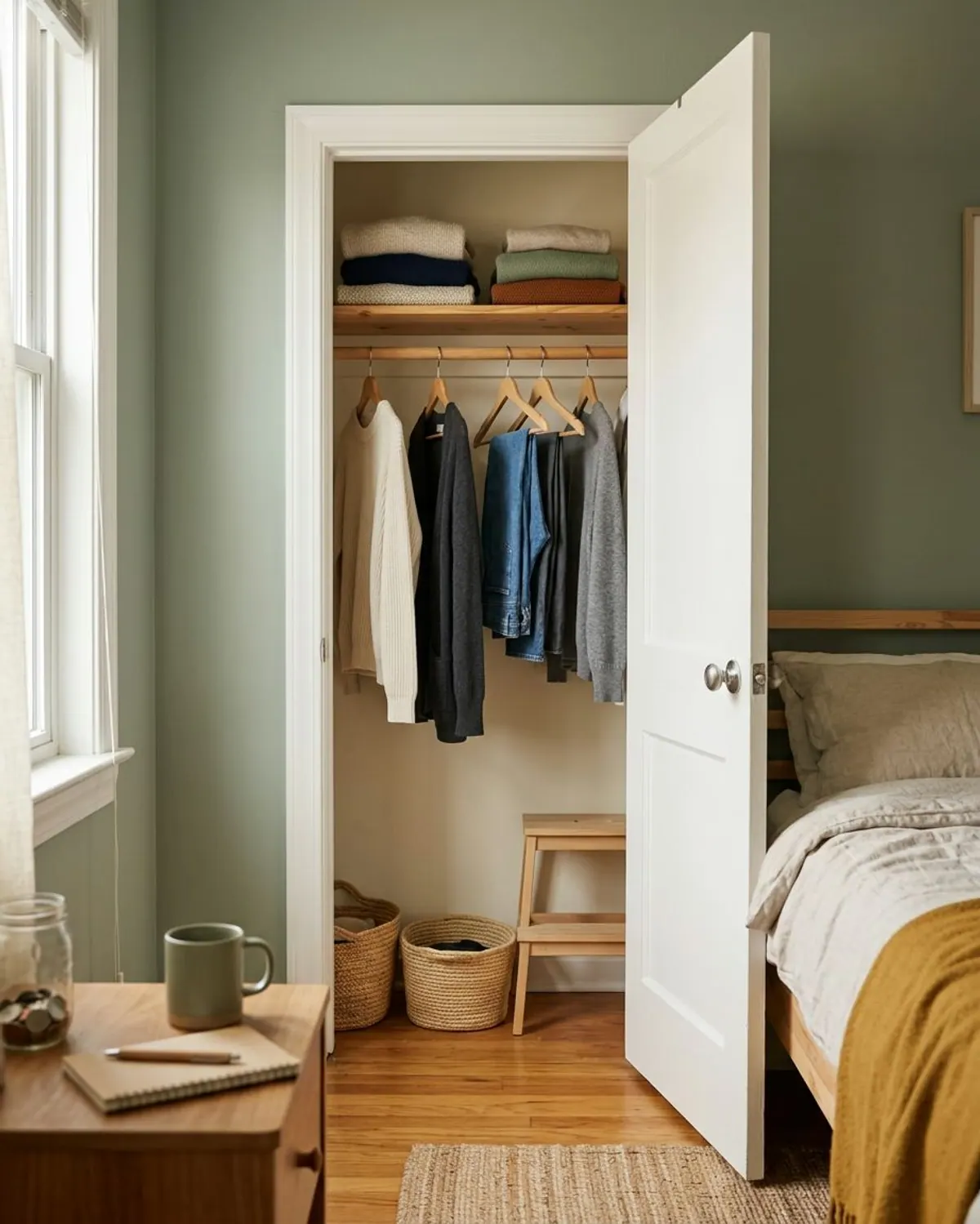
Count what you own and write down the gaps. If you only need one item, you can ignore the other 'must haves'. The U.S. Bureau of Labor Statistics reports average household spending on apparel and services of $2,001 in 2024 (BLS), so even a small cut helps.
7Use the cost-per-wear check
Divide the price by the number of times you will wear it. A $60 coat worn 100 times costs $0.60 per wear. A $20 top worn twice costs $10 per wear. These are example numbers for the method.
8Set a quarterly clothing allowance
Pick an amount, such as $75 per quarter, and keep it in an envelope or sub-account. When it is gone, you wait for the next quarter.
9Thrift first, then wait for the season end
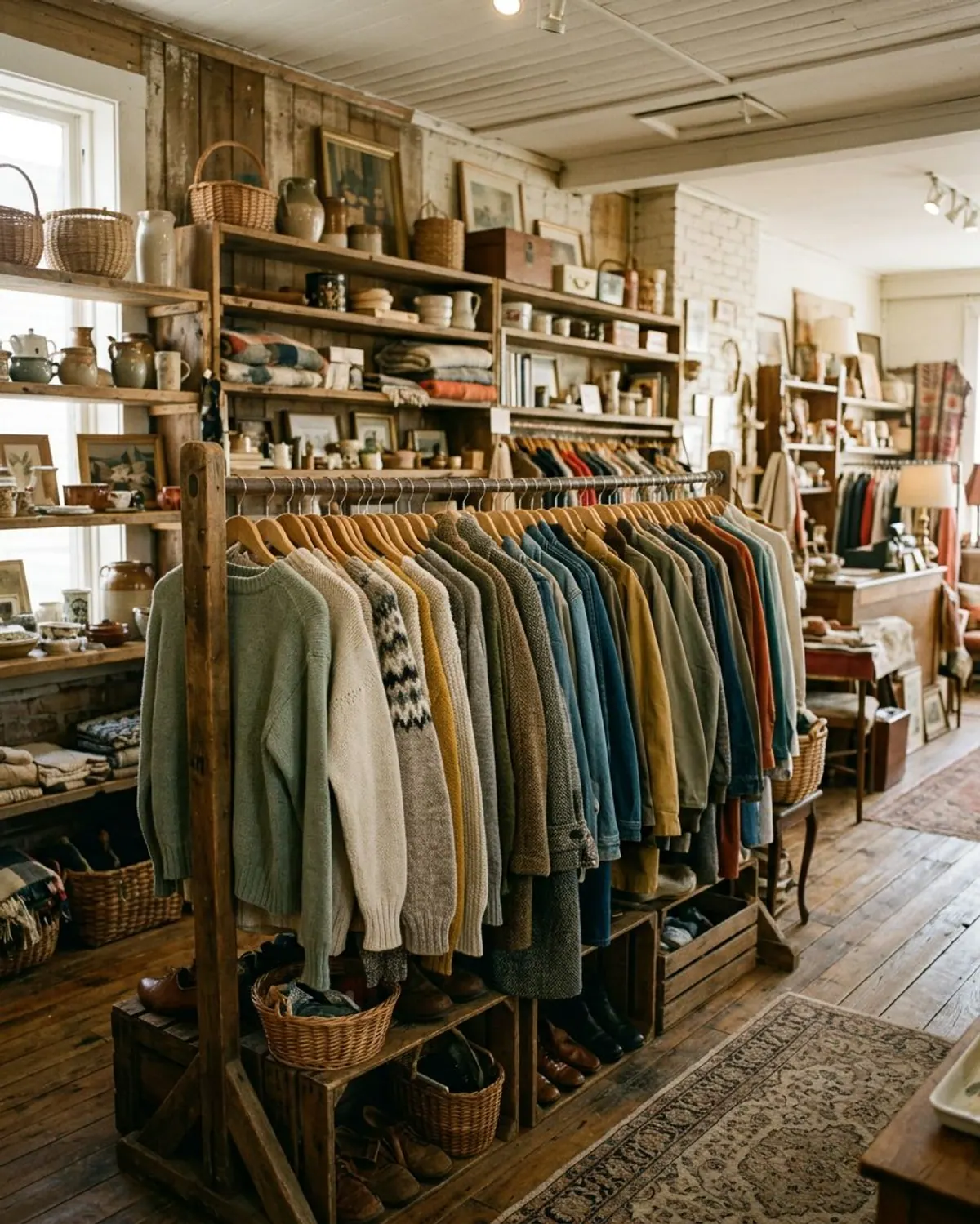
Check secondhand racks and wait until the end of the season before buying full price. Never buy something only because it is on sale.
Ways to Stop Spending Money on Fast Food
10Know your danger hour
Most fast food happens at 5 pm when you are tired and hungry. Plan something for that hour, such as a no-cook dinner or a snack at 4 pm, so the decision is made before you are hungry.
11Keep two backup dinners in the pantry
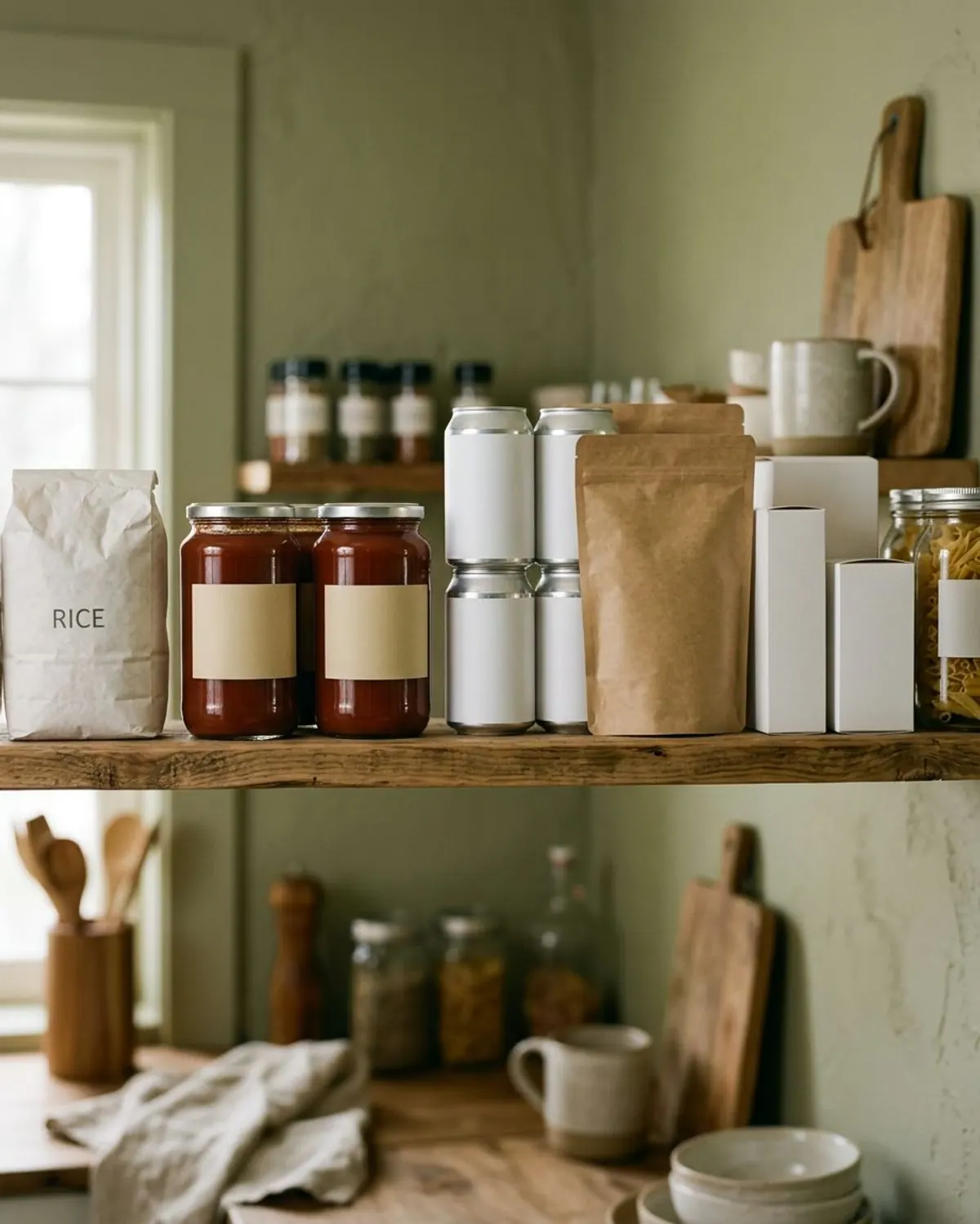
A shelf of pasta, a jar of sauce, a bag of frozen vegetables and some canned beans turns into a meal in 15 minutes. It does not need a recipe, only a backup. Our cheap dinner ideas for two under $10 has plenty of options.
12Delete delivery apps from your phone
Delivery fees and menu markups add up. If you really want delivery, order from a website on a computer. The BLS reports average household spending on food away from home of $3,945 in 2024 (BLS).
13Set a weekly eating-out cap in cash
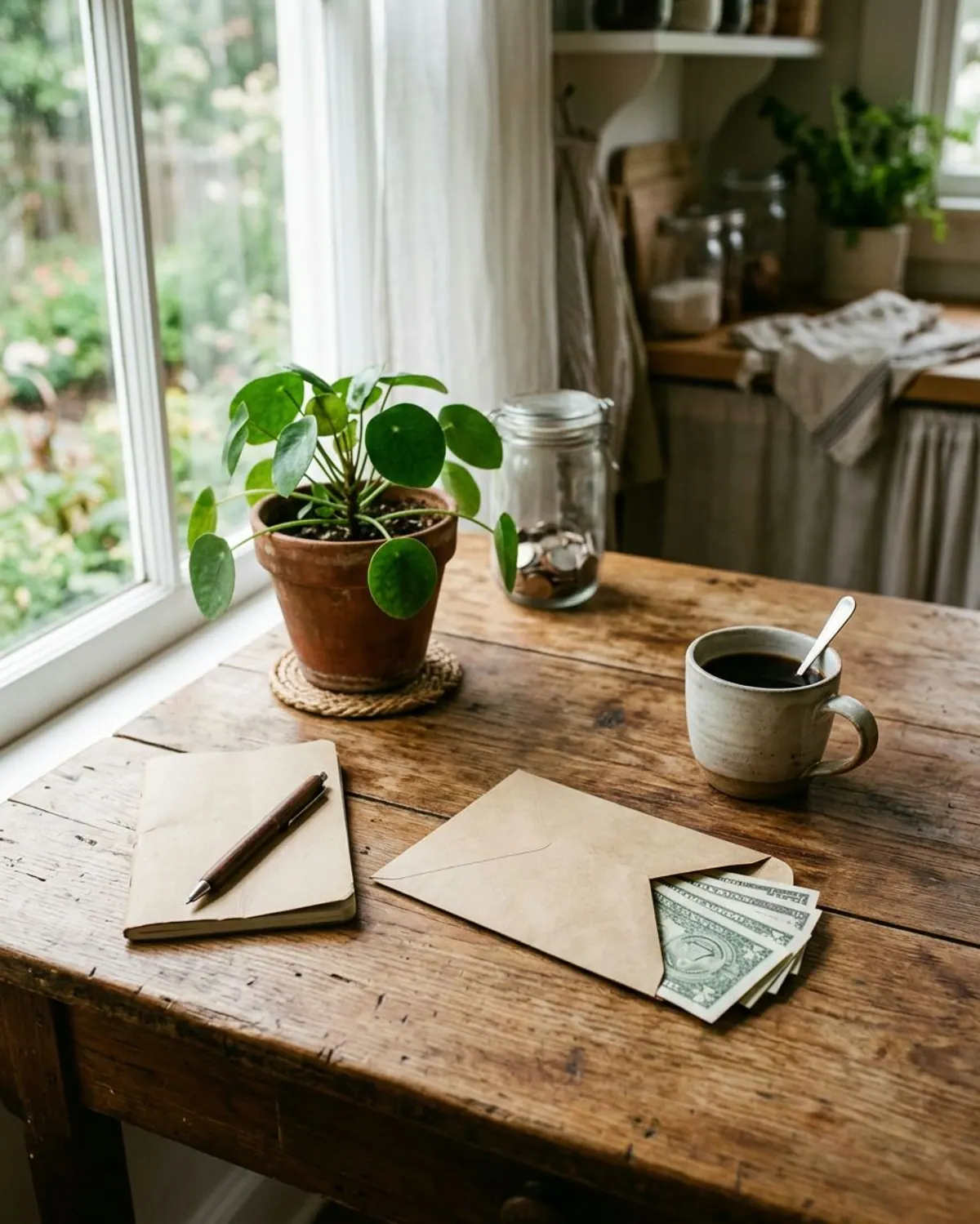
Put the week's eating-out money in an envelope. When it is empty, you eat at home. It makes a vague habit visible.
14Pack the lunch and the treat
Pack lunch and add a small treat, such as a favorite tea or fruit. Having the treat removes the urge to buy a 'reward' at lunchtime.
Ways to Stop Spending Money on Subscriptions
15Run a subscription audit
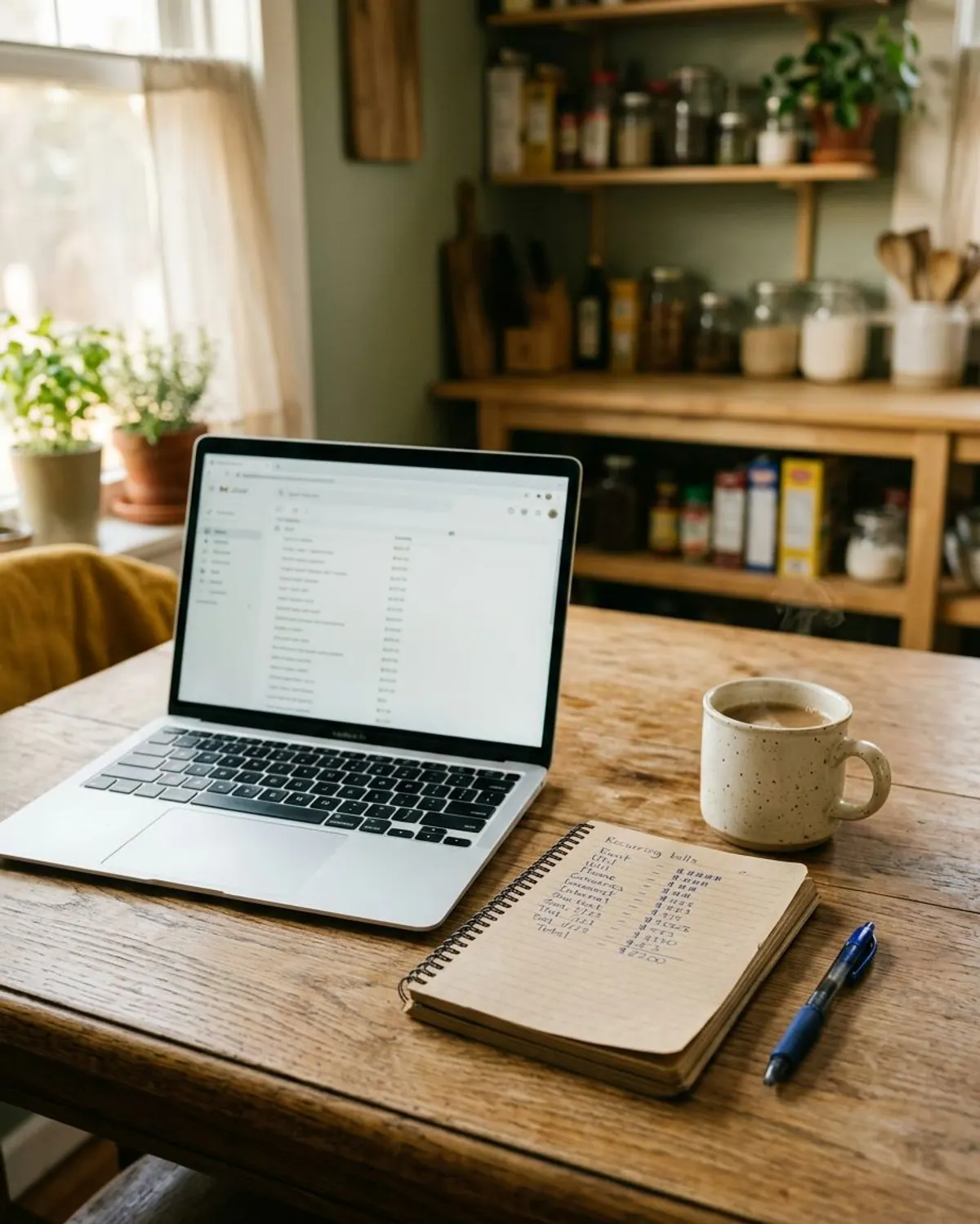
Check your bank and card statements for the last three months and list every recurring charge. In one 2022 C+R Research survey of 1,000 U.S. adults, people guessed they spent $86 a month on subscriptions but the real average was $219, and 42% had forgotten a subscription they no longer used (NBC). Cancel what you do not use.
16Put free-trial end dates in your calendar
Set a reminder two days before a trial ends. If you have not used the service, cancel it.
17Pause autopay for non-essentials
Keep autopay for rent, utilities and minimum payments, and switch off autopay for optional services so you see each charge.
18Rotate streaming services
Keep one service at a time and swap monthly. Many services let you cancel and rejoin later.
Daily Systems That Keep You From Spending on Autopilot
19Pay yourself first

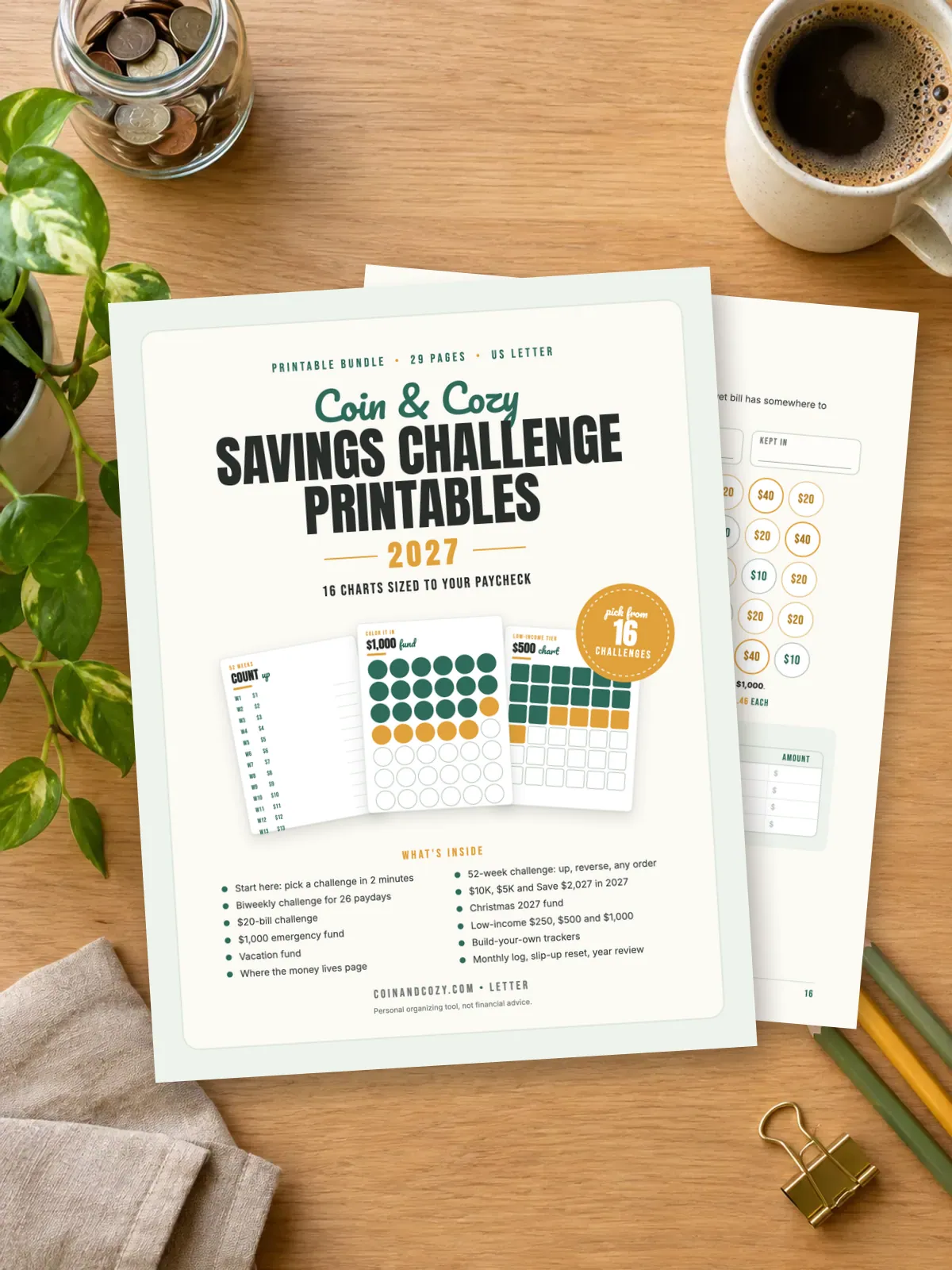
Move money to savings on payday, before you spend. What you do not see is harder to spend. Our savings challenge printables give you a number to move each paycheck.
20Use envelopes for the categories that leak
Pick two categories, such as eating out and shopping, and give them each an envelope. See how to start the cash envelope system.
21Track every purchase for seven days

Write each purchase in a notebook for one week, without judging. Patterns show up quickly, and so does what you did not need.
A 30-Day No Spend Challenge to Reset Autopilot Spending
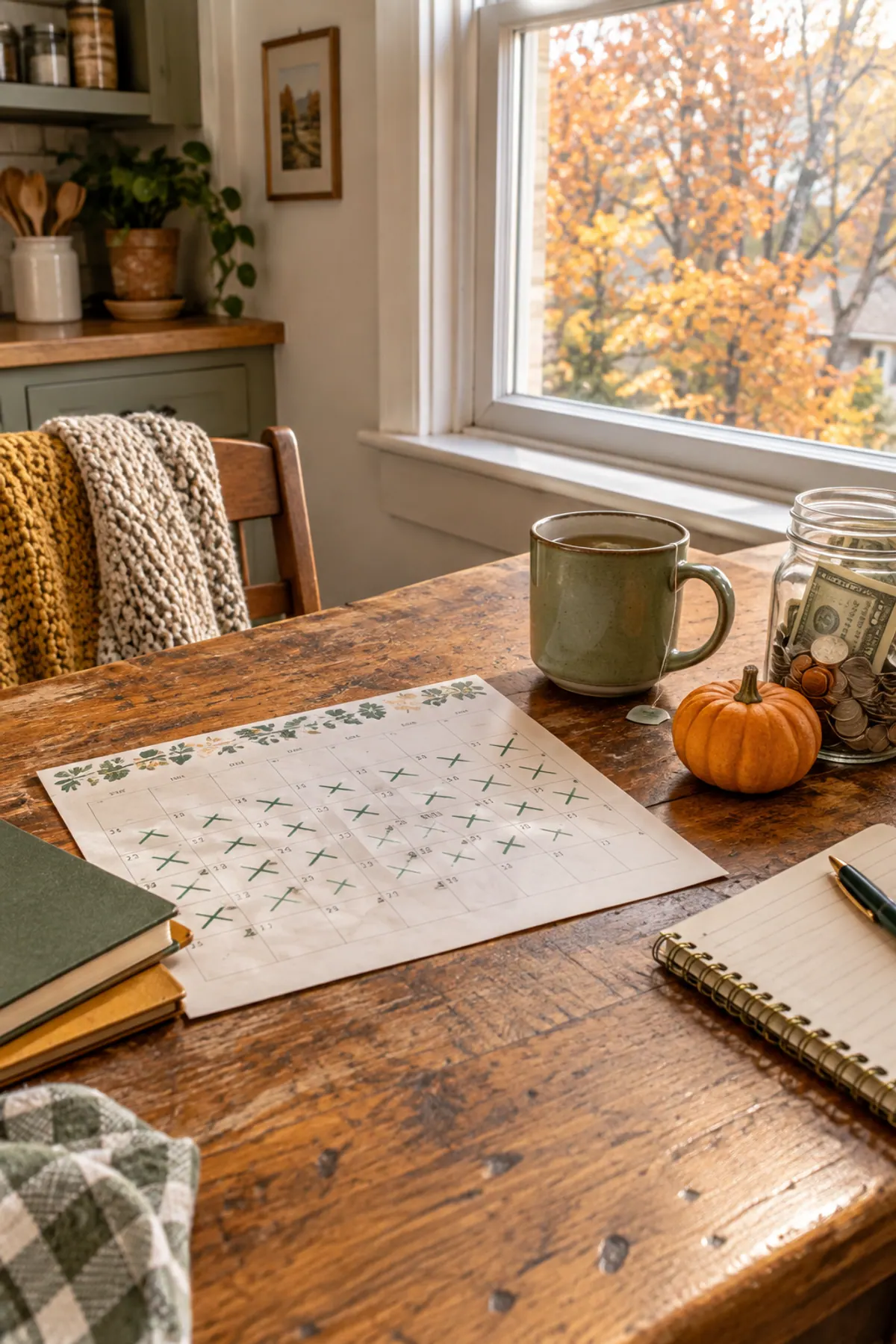
A no spend challenge is a month where you spend only on essentials: rent, utilities, groceries, medicine, transport to work and minimum debt payments. Write your rules before day 1, including what counts as an essential and what happens if you slip. Our No Spend November rules and tracker and low spend month rules walk through the gray areas.
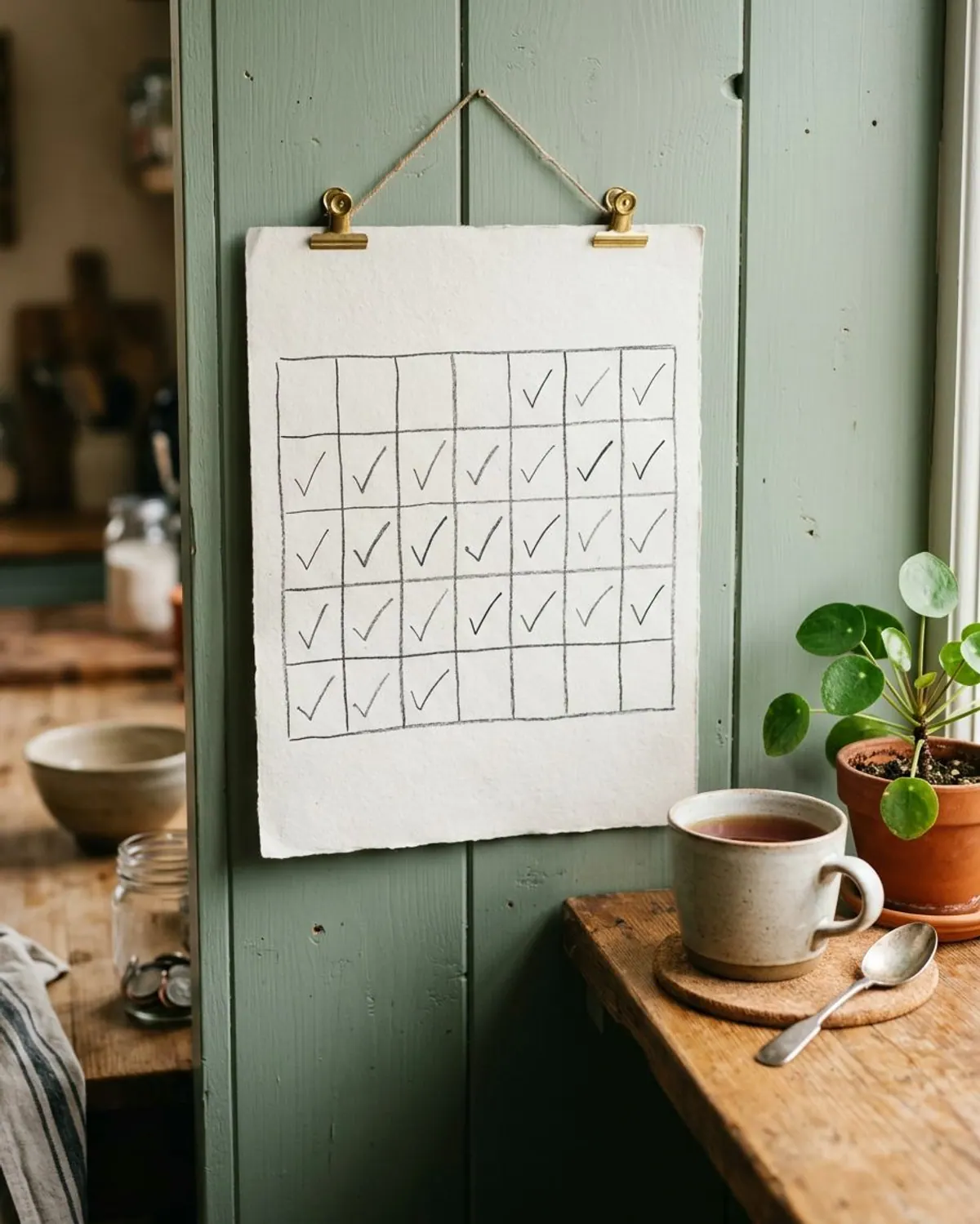
Your 30-day no spend setup
An Impulse Buy Checklist: Ask Before You Pay
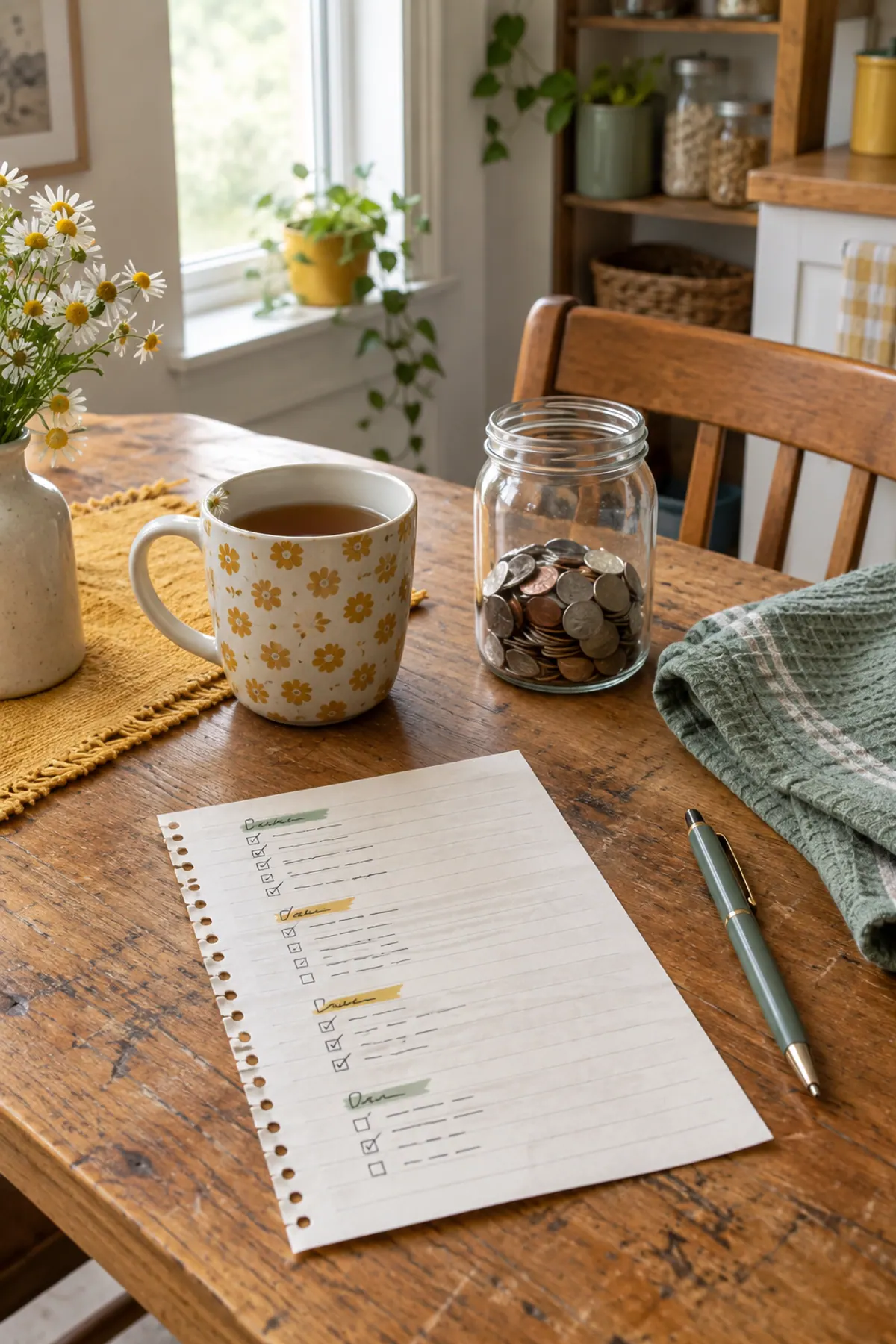
Use this checklist at the register or before you click buy. If you answer no to more than two, put it on the wish list and wait.
Impulse buy checklist
Simple tools to slow down spending
-
Cash envelopes, 12 pack
Typically $6 to $12
Makes eating-out and shopping caps visible.
Check price on Amazon for Cash envelopes, 12 pack -
Small notebook and pen set
Typically $5 to $12
For the wish list and a seven-day spending diary.
Check price on Amazon for Small notebook and pen set -
Wall calendar
Typically $6 to $14
Check off each no-spend day.
Check price on Amazon for Wall calendar
Spending less is not about doing without. It is about choosing on purpose.
Frequently asked questions
How do I stop spending money on things I do not need?
Add friction: unsubscribe from sale emails, delete saved cards, use a 30-day wish list and ask the impulse checklist before you pay.
How do I stop spending money on fast food?
Plan for your danger hour, keep two backup dinners in the pantry, delete delivery apps and put an eating-out cap in an envelope.
How do I stop wasting money on clothes?
Do a closet inventory, set a quarterly clothing allowance, check cost per wear and thrift first. Never buy only because of a sale.
How do I stop paying for subscriptions I forgot about?
Run an audit of three months of statements, calendar your free-trial end dates, pause autopay for non-essentials and cancel what you do not use.
How long should a no spend challenge last?
A common length is 30 days, but a weekend or a week works to start. Write your essentials and exceptions before you begin.
Save it for later
Pin this to your No-Spend Challenges board so it's there when you need it.
Save to Pinterest