Safety first: This is general money education, not personalised financial advice. Please read our financial disclaimer before you start.
Key takeaways
- $1,000 in 30 days is about $33 a day, or about $250 a week for four weeks.
- Split the goal into buckets. Our example: cut $300, sell $300, earn $250 and redirect $150.
- Move money out of checking the same day you find it, so it doesn't drift back into spending.
- If $1,000 isn't realistic this month, $250 or $500 with the same plan is still real progress.
In this post8 sections
How Much to Save Each Day and Week to Reach $1,000 in 30 Days
Start with the math so the goal feels concrete. $1,000 over 30 days is about $33 a day. Over four weeks, it's $250 a week, with two spare days at the end to catch up.
| Goal | Per day | Per week (4 weeks) | Per biweekly paycheck (2 checks) |
|---|---|---|---|
| $250 | about $8 | about $63 | $125 |
| $500 | about $17 | $125 | $250 |
| $1,000 | about $33 | $250 | $500 |

Very few people can pull $500 out of one paycheck. That's why this plan doesn't rely on one source. It splits the goal into four buckets, so cutting does part of the work, selling does part and a little extra income does the rest.
| Bucket | Week it starts | Example amount |
|---|---|---|
| Cut: spending you pause for the month | Week 1 | $300 |
| Sell: things you don't use | Week 2 | $300 |
| Earn: a little extra work | Week 3 | $250 |
| Redirect: cash back, refunds, a lower bill | Week 4 | $150 |
| Total | $1,000 |
Week 1: Find the Money (Track and Cut)
Week 1 is about finding money that leaves every month without much thought. Print or open last month's bank statement and highlight anything that wasn't a bill or a planned need.

-
Step 1: Pause subscriptions for 30 days
Streaming, apps, boxes and memberships you won't miss for a month. Two or three of them can add up to $25 to $40 in many households.
-
Step 2: Plan meals before you shop
Groceries and takeout are where most of the cut bucket comes from. Our meal planning on a budget method shows how to give each meal a number and plan from your pantry first.
-
Step 3: Take a month off online shopping
Delete saved cards from shopping apps and unsubscribe from store emails. Anything you "need" goes on a list you look at again on day 31.
-
Step 4: Move the savings every Sunday
Add up what you skipped that week and transfer it right away. Money that sits in checking tends to get spent.
| Cut | Example monthly savings |
|---|---|
| Groceries with a meal plan instead of extra trips | $100 |
| Takeout and delivery, two fewer nights a week | $80 |
| Online shopping paused | $60 |
| Subscriptions paused | $30 |
| Coffee runs and snacks | $30 |
| Total cut bucket | $300 |

Week 2: Sell What You Don't Use
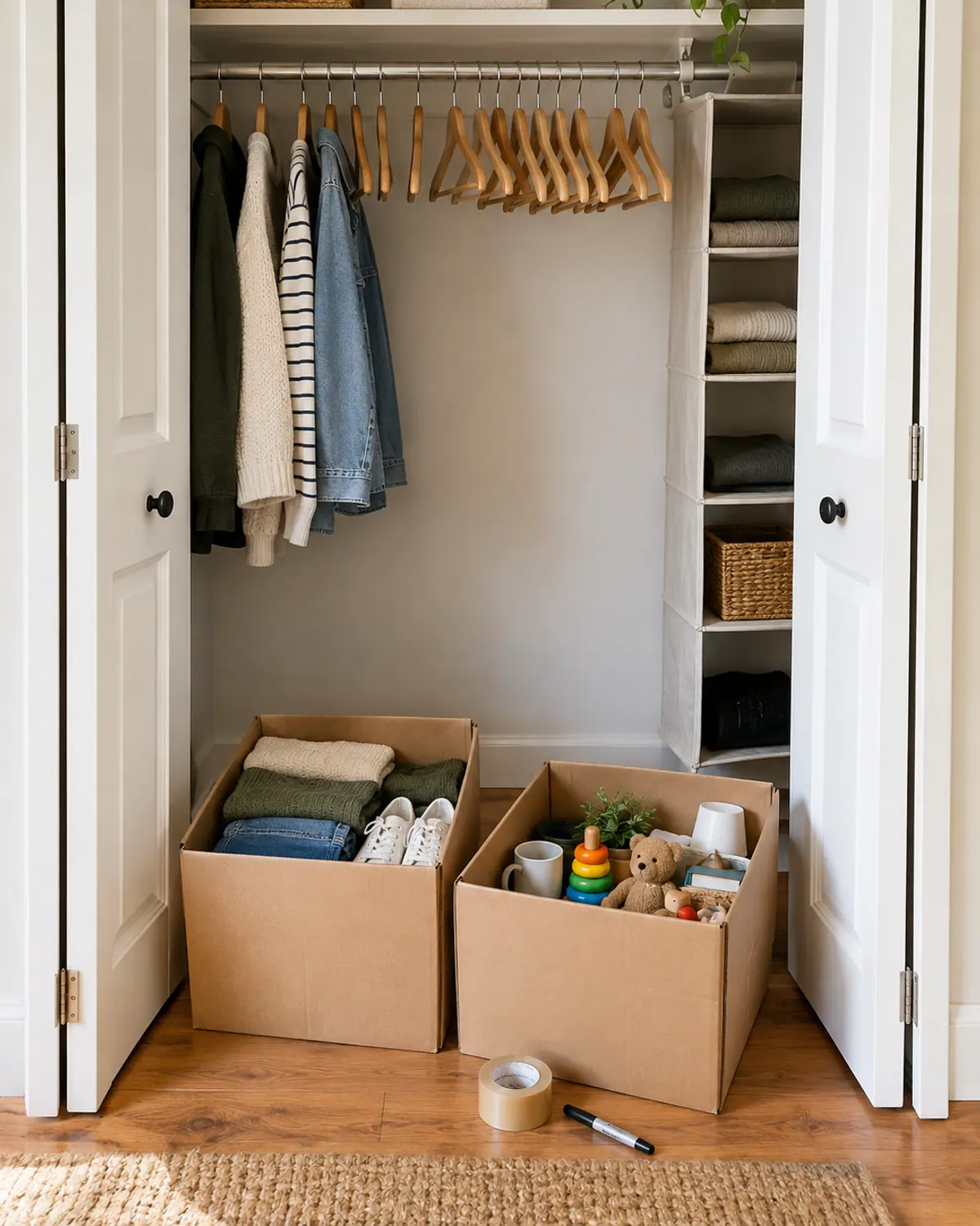
Selling is the fastest bucket because the money already exists in your closet. Walk through one room a day and pull out anything you haven't used in a year.

| Item | Example price |
|---|---|
| A stand mixer you rarely use | $80 |
| An outgrown kids' bike | $60 |
| A side table or bookshelf | $40 |
| A bundle of outgrown kids' clothes | $40 |
| A baby gear piece no longer needed | $50 |
| Board games and books | $30 |
| Total sell bucket | $300 |
Take photos in daylight on a plain background, price a little below similar listings, and meet buyers in a public place. Anything that doesn't sell in a week goes in a donate box, so the clutter leaves either way.
Week 3: Earn a Little Extra
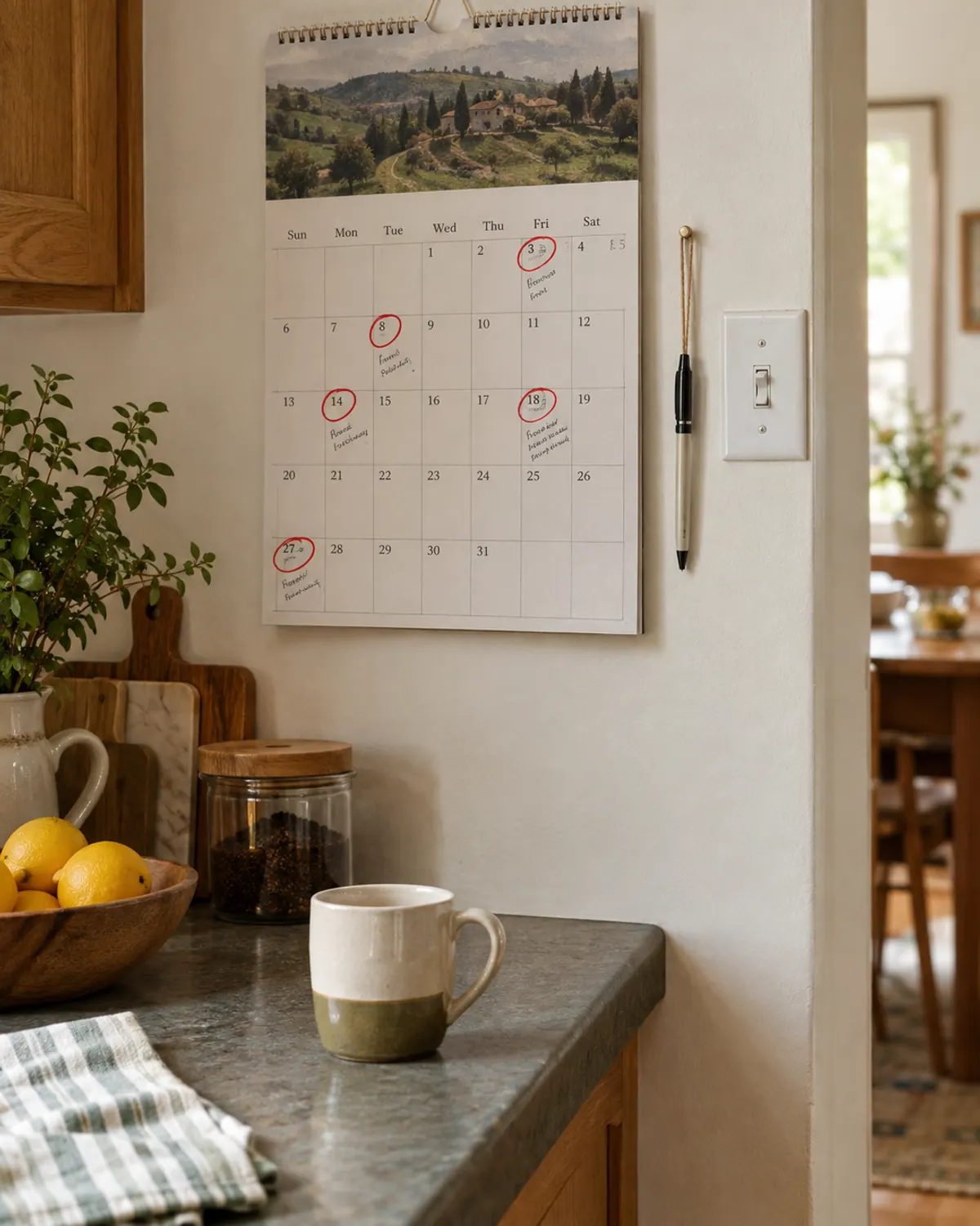
Week 3 adds a small, short-term income boost. It doesn't need to be a business. Pick one or two things you can do this month with skills and time you already have.
Short-term ways to earn extra this month

An example: two weekends of pet sitting for $120, one extra shift worth $90 after taxes and one yard cleanup for $40. That's $250. Set aside part of side income for taxes if it applies to you; the IRS has a page on gig income that explains the basics.
Week 4: Automate and Protect the $1,000
The last week has two jobs: sweep up the small "found" money, and make sure the savings stay saved. Start with the found money.
-
Step 1: Redirect found money
Cash out card rewards or cash-back balances, return anything still in its return window, and call one provider to ask for a lower rate. In our example that's $20 cash back, a $50 return, $30 off a phone or internet bill and $50 from a forgotten gift card: $150.
-
Step 2: Open or name a separate savings account
Keep the $1,000 out of checking. A separate account you don't see every day is easier to leave alone. Check that the bank is FDIC-insured, or NCUA-insured for a credit union.
-
Step 3: Set an automatic transfer for payday
Even $25 a paycheck keeps the habit going after the 30 days end. If you're paid every two weeks, schedule it for the day after payday.
Where to keep it? Many people use a high-yield savings account. As a dated example, a Motley Fool rate roundup on October 5, 2026 listed top rates from 4.20% to 5.00% APY, each with conditions like an intro period, a balance cap or a monthly deposit minimum. Rates change often, so compare the terms yourself.

Save first or pay debt first? Many people keep a small starter emergency fund, then put extra money toward high-interest debt. It depends on your situation. Our debt payoff tracker guide compares the snowball and avalanche methods if debt is your next step.
30 Day $1,000 Savings Challenge Printable (Free)
Tracking is what keeps a 30-day plan alive. Write the four checkpoints below on your fridge, and color in a goal thermometer as the total climbs.
| Week | Days | Bucket focus | Target this week | Checkpoint total |
|---|---|---|---|---|
| 1 | 1 to 7 | Cut | $250 | $250 |
| 2 | 8 to 14 | Sell (cuts keep going) | $250 | $500 |
| 3 | 15 to 21 | Earn (cuts keep going) | $250 | $750 |
| 4 | 22 to 28 | Redirect and automate | $250 | $1,000 |
| Catch-up | 29 to 30 | Fill any gap | Whatever is left | $1,000 |
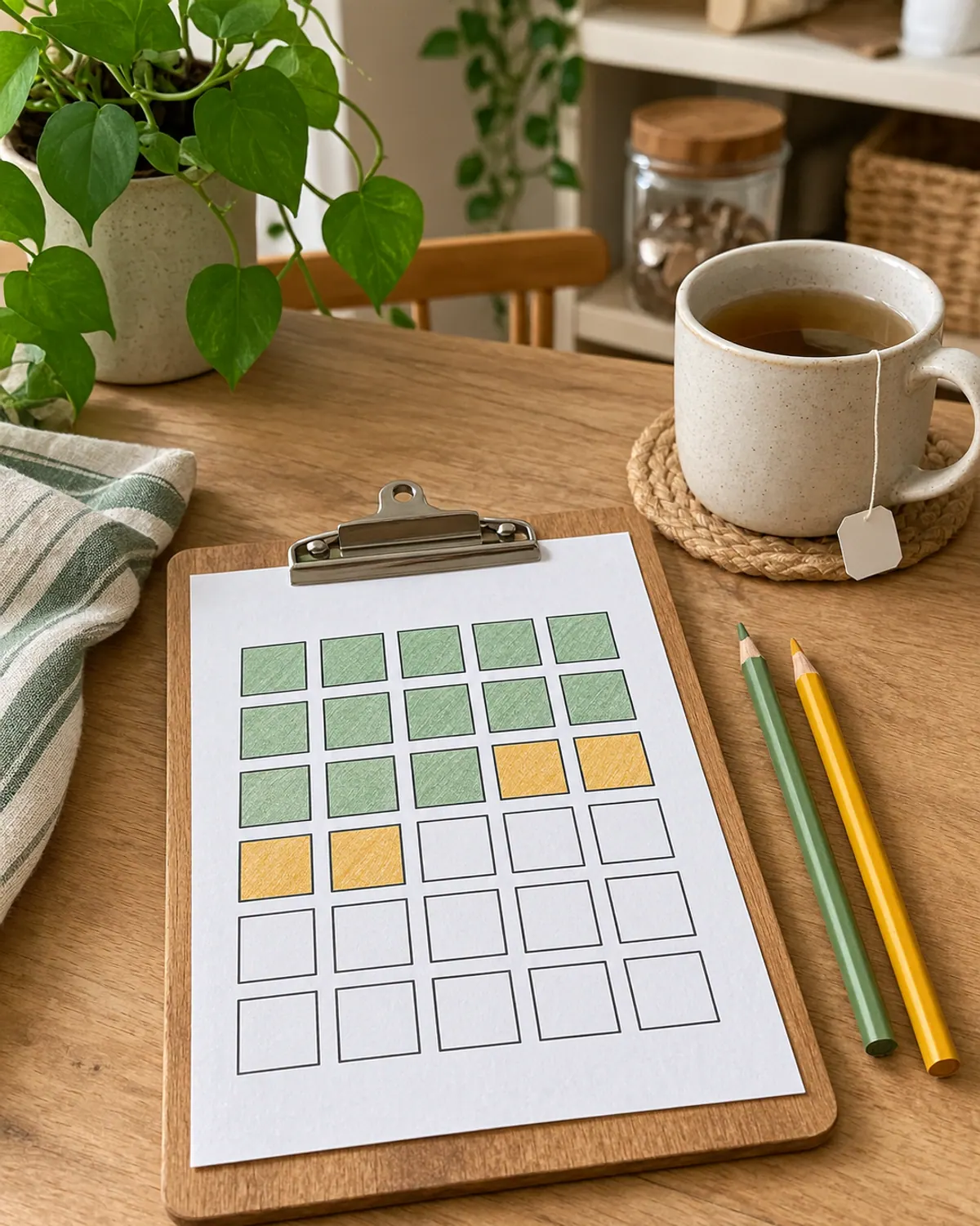
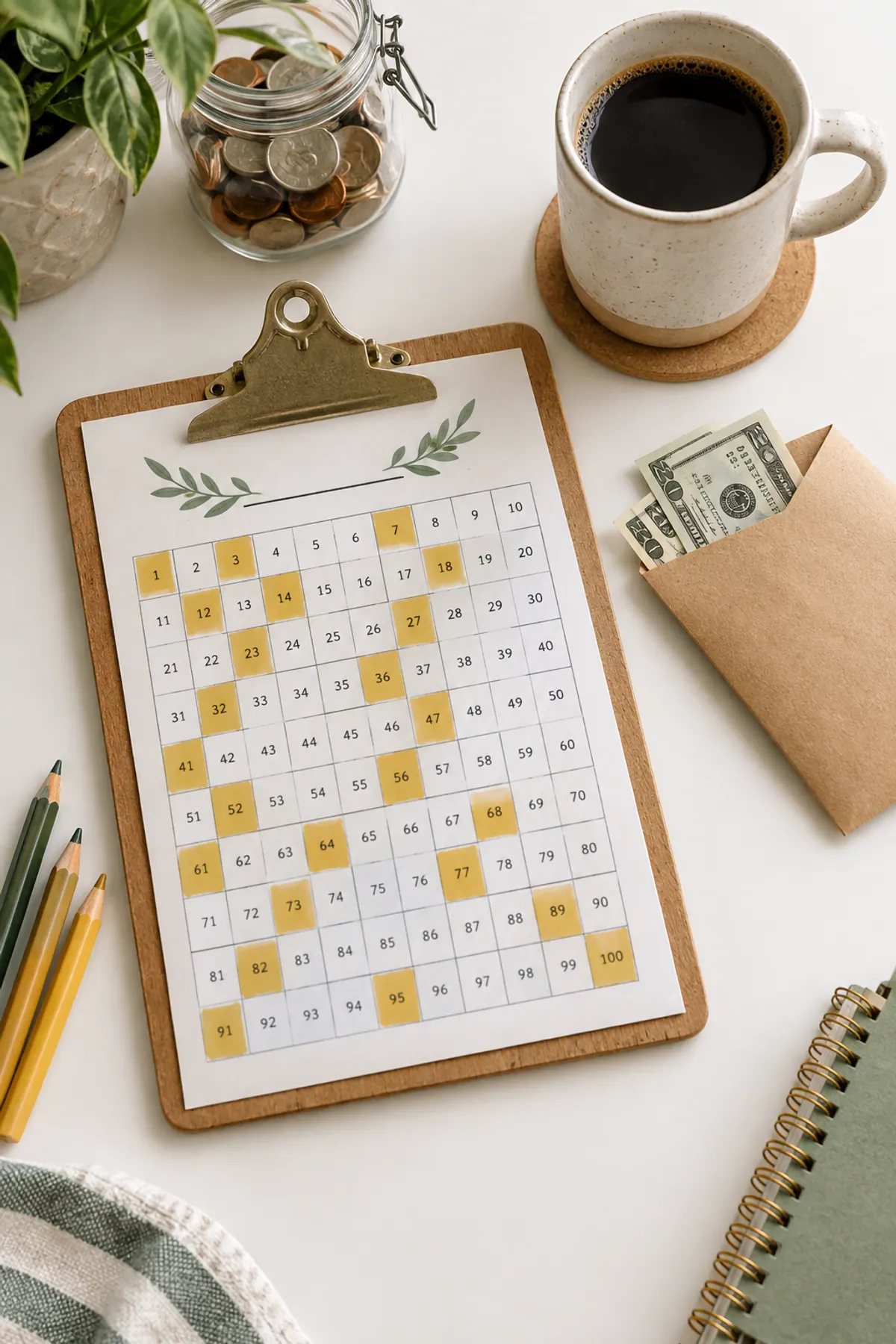
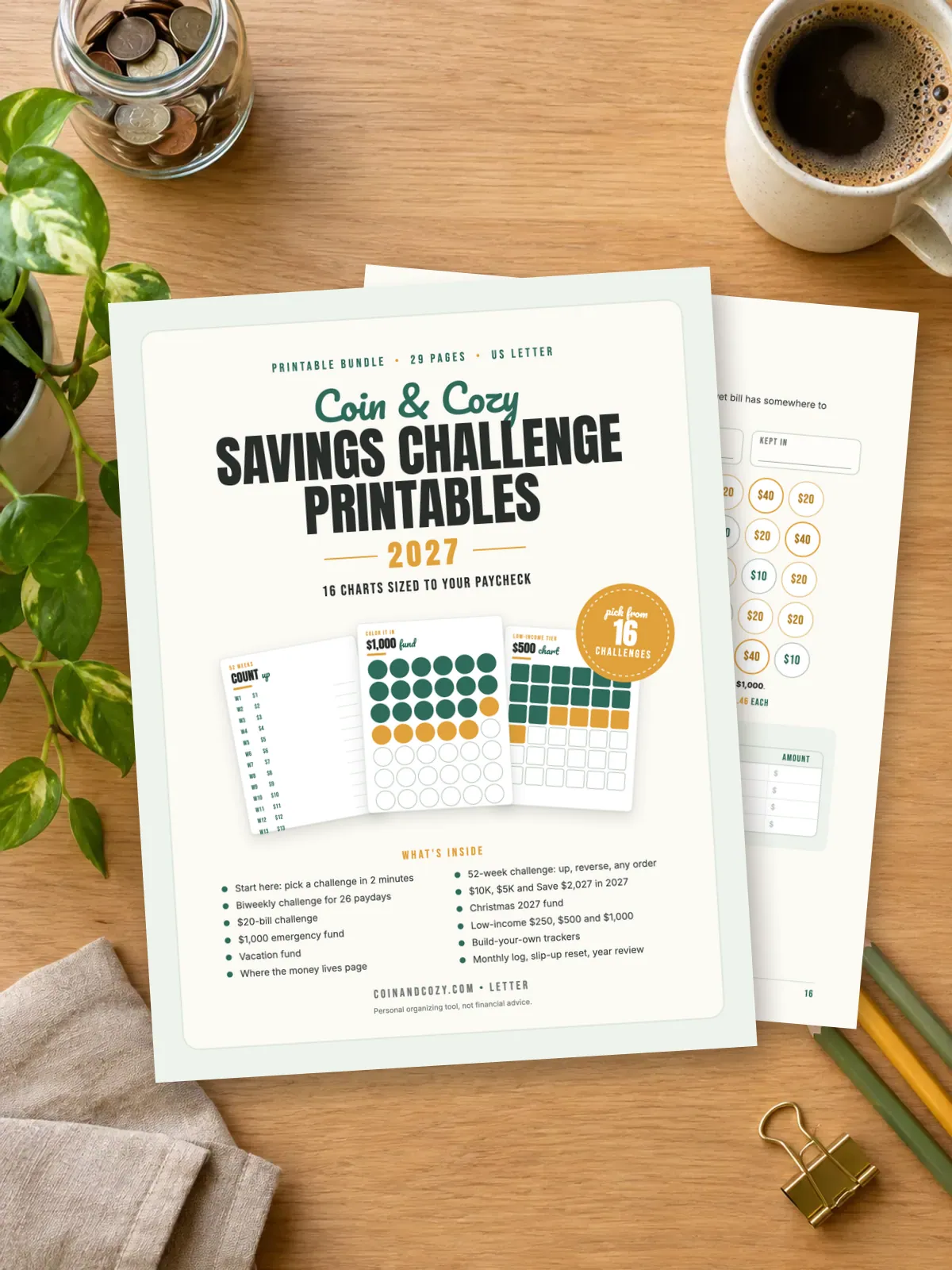
Our free Cozy Savings Challenge Pack includes a goal thermometer you can label $0 to $1,000 and a 30-day no-spend tracker for your Week 1 cuts. If you'd like a longer challenge after this month, our savings challenge printables include 52-week and biweekly charts.
Money Saving Plan Mistakes That Stall Progress
What we like
- A weekly target, not just a monthly one
- Money moved the same day you find it
- Several buckets, not one big cut
- A separate account for the savings
- A smaller goal if $1,000 doesn't fit this month
Keep in mind
- Leaving the saved money in checking
- Cutting groceries so hard you order takeout by Thursday
- Selling things you'll need to buy again next month
- Using a credit card to "save" cash
- Quitting after one bad week instead of resetting
Hitting $600 on a $1,000 plan is still $600 you didn't have last month.
Want more quick ideas to mix in? Our list of 30 ways to save money fast has extra cuts and sell ideas. And to keep the habit going all year, a simple monthly budget gives your savings a line of its own.
Frequently asked questions
How can I save $1,000 in 30 days?
Break it into four weekly targets of about $250 and give each week a job: cut optional spending, sell things you don't use, earn a little extra, then redirect found money and automate. Move the money out of checking as soon as you find it. Results depend on your income and expenses.
How much do I need to save a day to save $1,000 in a month?
About $33 a day over 30 days, or $250 a week over four weeks. If you're paid every two weeks, that's $500 per paycheck, which is why most plans combine cutting, selling and extra income.
What is the 50/30/20 rule?
It's a simple budgeting guideline: about 50% of take-home pay for needs, 30% for wants and 20% for savings and extra debt payments. It's a starting point, not a rule that fits every budget.
Where should I keep my savings?
Many people use a separate high-yield savings account that's FDIC-insured, or NCUA-insured at a credit union. Rates and conditions change often, so compare current terms before you open one.
Is it better to pay off debt or save first?
It depends on your situation. A common approach is to build a small starter emergency fund first, then focus extra money on high-interest debt. This is general information, not financial advice.

Save it for later
Pin this to your Savings Challenges board so it's there when you need it.
Save to Pinterest