This post contains affiliate links. As an Amazon Associate we earn from qualifying purchases, at no extra cost to you. Read our disclosure.
Safety first: This is general money education, not personalised financial advice. Please read our financial disclaimer before you start.
Key takeaways
- A saving money aesthetic board works when every element is something you can do this year, not a luxury photo.
- Soft palettes (sage, blush, cream, mustard) read as calm money goals; keep logos, bank screenshots and faces off the board.
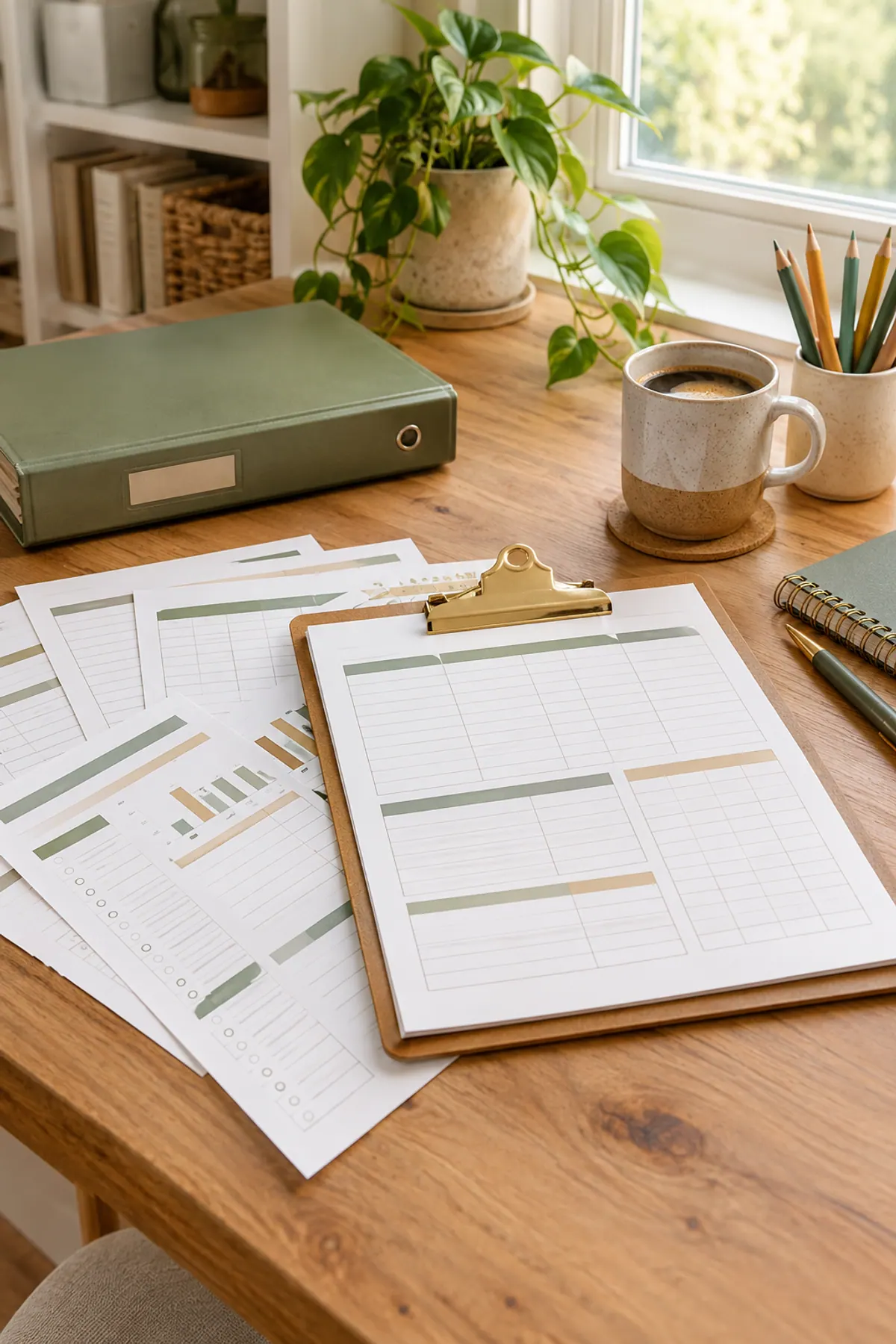
- Tracker pages (envelope grid, no-spend calendar, jar chart) are the most useful board elements, and the free pack has all three.
- Phone wallpaper versions carry the board into the checkout line.
- An example 2027 board holds three goals: a $1,000 emergency fund, a holiday fund and a car fund (example numbers).
In this post31 sections
- Saving Money Aesthetic Vision Board: 21 Cozy Elements for 2027
- Pink and Sage Palettes That Still Read as Money Goals
- 1. A Four-Swatch Palette Strip
- 2. The 2027 Title Card
- 3. A One-Line Goal Card per Fund
- 4. Natural Texture Fillers Instead of Gold
- Piggy Bank, Coin Jar and Cash Envelope Photos (No Luxury Props)
- 5. A Ceramic Piggy Bank on the Windowsill
- 6. The Coin Jar, Half Full
- 7. A Fan of Plain Cash Envelopes
- 8. The First Deposit Photo
- Money Journal Pages to Pin on the Board
- 9. The "Why I Am Saving" Page
- 10. A Monthly Spending Snapshot
- 11. The No-Spend Wins List
- 12. A Quote Card in Your Own Words
- Tracker Pages as Art: Envelope Grid, No-Spend Calendar, Jar Chart
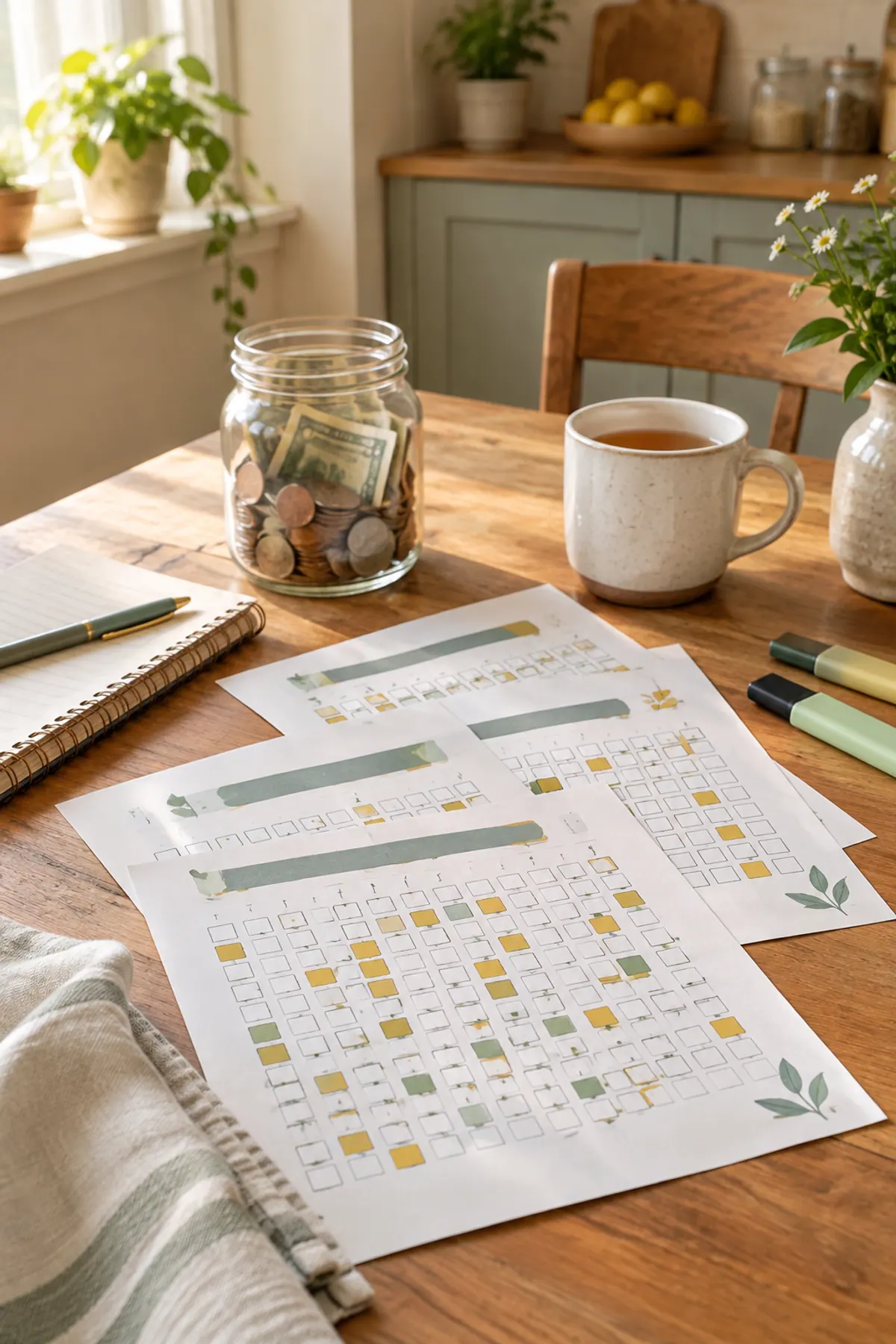
- 13. The 100 Envelope Grid
- 14. The No-Spend January Calendar
- 15. The Goal Thermometer
- 16. A Bi Weekly Chart for the Paycheck Fund
- Phone Wallpaper and Lock Screen Versions
- 17. The Lock Screen Goal Number
- 18. A Photo of the Board as Wallpaper
- 19. The Weekly Check-In Sticky
- A 2027 Example Board: $1,000 Emergency Fund, Holiday Fund, Car Fund
- 20. The Three-Goal Card with Example Math
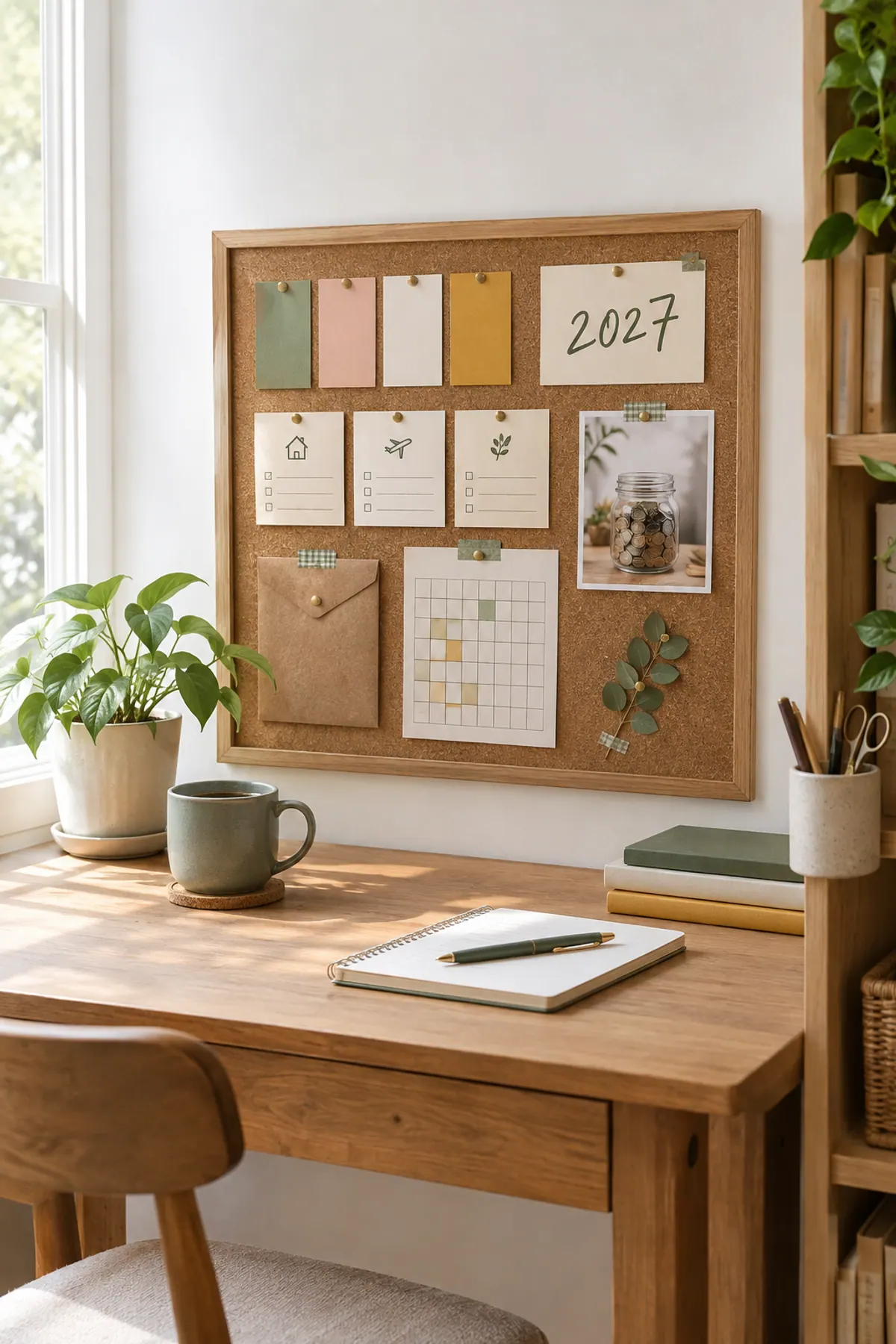
- 21. The Finished Board Layout
- What to Leave Off a Saving Money Vision Board
- Print the Free Cozy Savings Pack for Your Board
- FAQ
Saving Money Aesthetic Vision Board: 21 Cozy Elements for 2027
The board below is split into six groups: palette and title cards, money photos with no luxury props, journal pages, tracker pages as art, phone wallpaper versions and a full example board. Pick eight to twelve elements, not all 21; a board with white space gets looked at, a collage does not.
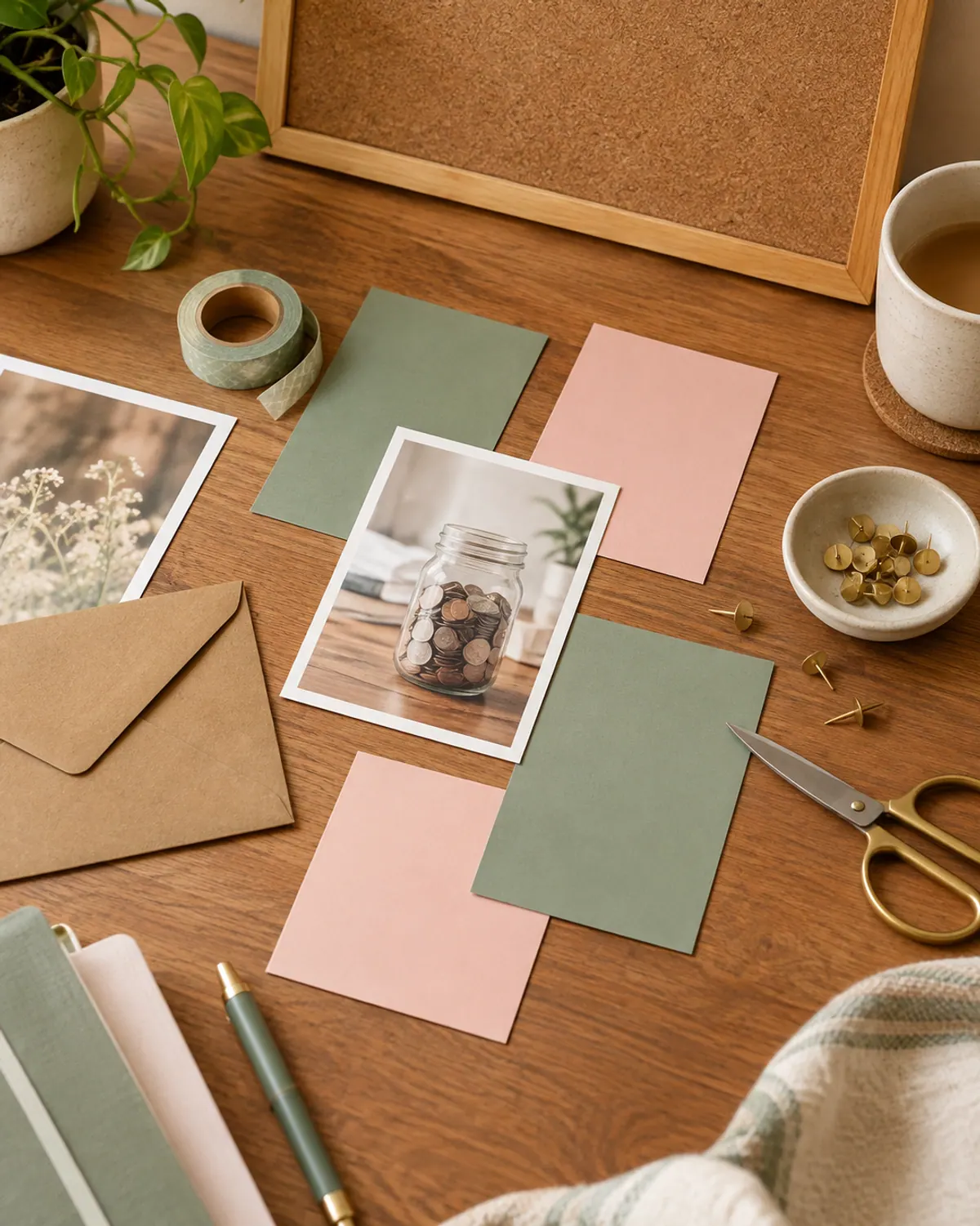
Pink and Sage Palettes That Still Read as Money Goals
1A Four-Swatch Palette Strip
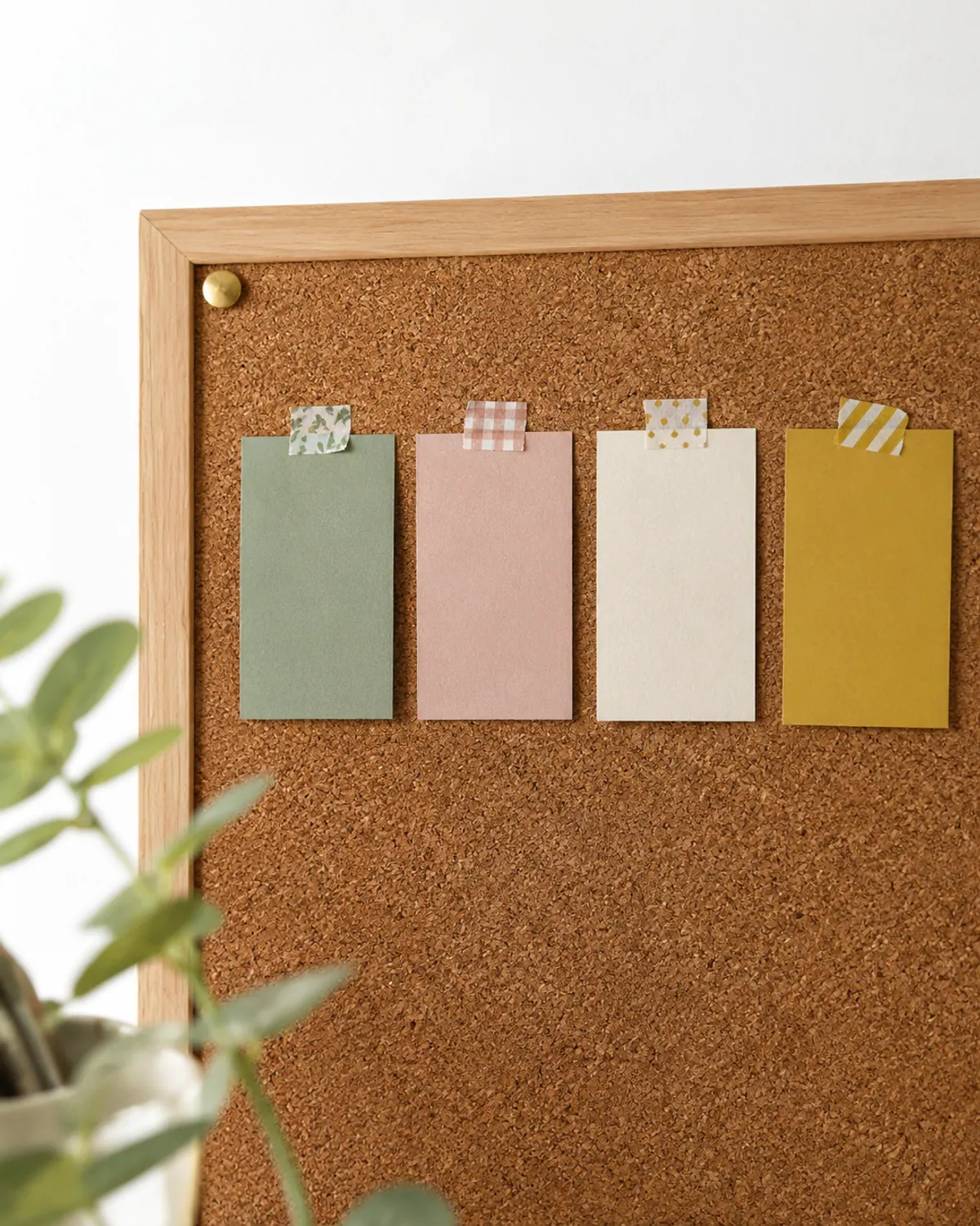
Start with four colors and nothing else: sage, blush, cream and one warm accent like mustard. Cut a swatch of each from cardstock or paint chips and tape them in a row at the top of the board. Every other element follows this strip, which is what makes a homemade board look designed instead of scrapbooked. Blush and sage read as calm, and calm is the point of a savings board.
- Cost: about $3 in cardstock, or free paint chips.
- 2027 tie-in: the accent color becomes your "goal met" marker on every tracker.
One pack covers the swatch strip, the title card and every goal card, so the whole board shares the same four colors.
2The 2027 Title Card
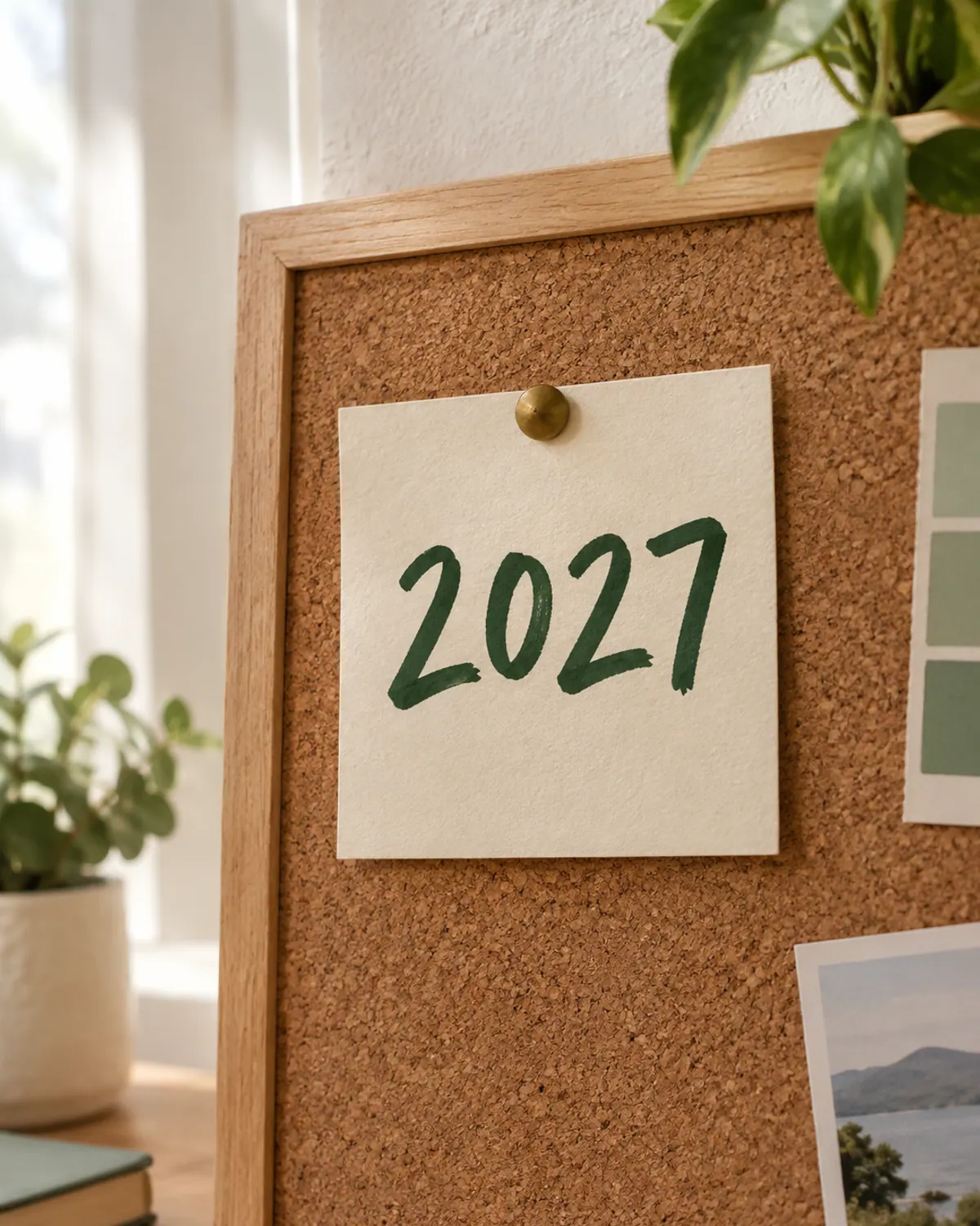
One card, one year, hand-lettered in your accent ink. It sits top center and tells the board what it is for. Keep it to the year and three or four words at most, "2027: the cushion year" or "2027, paid in cash". The restraint is the aesthetic; a title card with a paragraph on it is a to-do list.
- Cost: one sheet of cardstock and a pen.
- 2027 tie-in: the phrase on the card is the one you say when you want to skip a deposit.
3A One-Line Goal Card per Fund
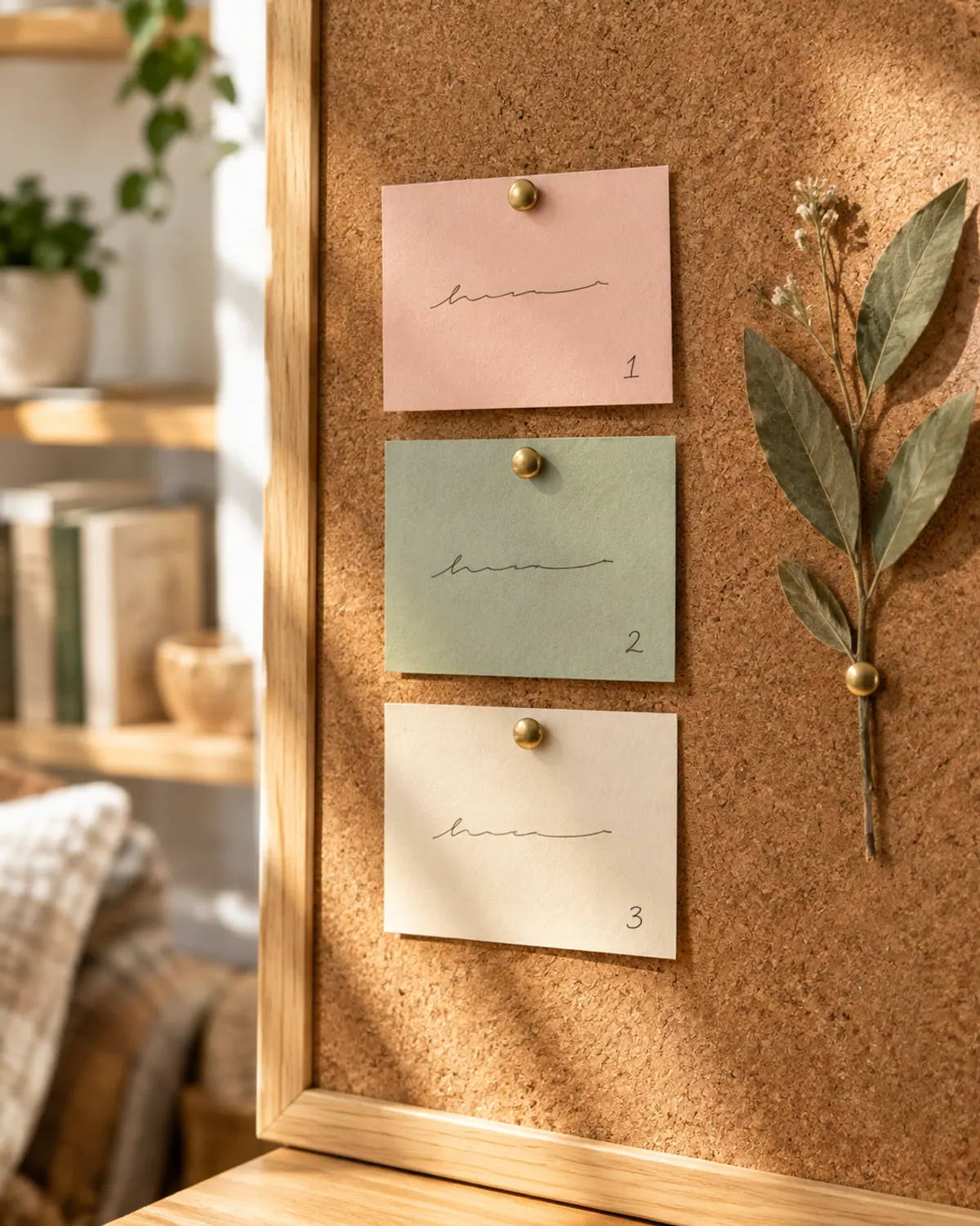
Three small cards, one per fund, each with the fund name and the example target: "Emergency fund, $1,000", "Holiday fund, $600", "Car fund, $1,200". These are examples; write yours. The number is what makes the card a goal instead of a mood. Leave a blank line under each for the running total, which you update once a month.
- Cost: scraps from the cardstock pack.
- 2027 tie-in: one card per fund keeps you from saving for six things at once and finishing none.
4Natural Texture Fillers Instead of Gold
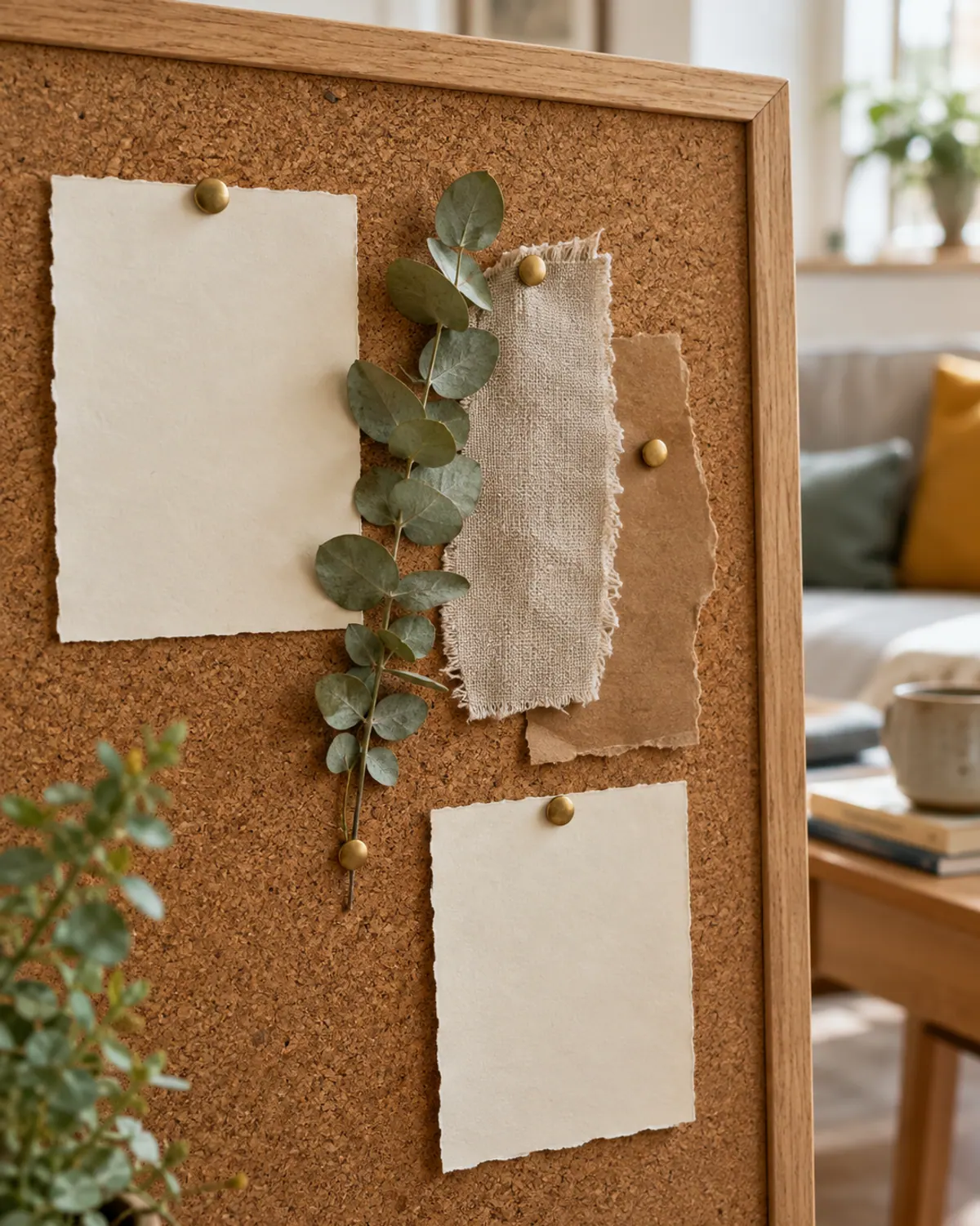
The luxury boards use gold foil and marble. Use what is in the house: a pressed leaf, a scrap of linen, a torn edge of kraft paper, a dried flower from the grocery bouquet. These fillers give the board breathing room and keep the palette in the cozy range. They also cost nothing, which is on-message for a savings board.
- Cost: $0.
- 2027 tie-in: fillers mark the space between goals; when a goal card gets a "done" sticker, move a filler next to it.
Piggy Bank, Coin Jar and Cash Envelope Photos (No Luxury Props)
5A Ceramic Piggy Bank on the Windowsill
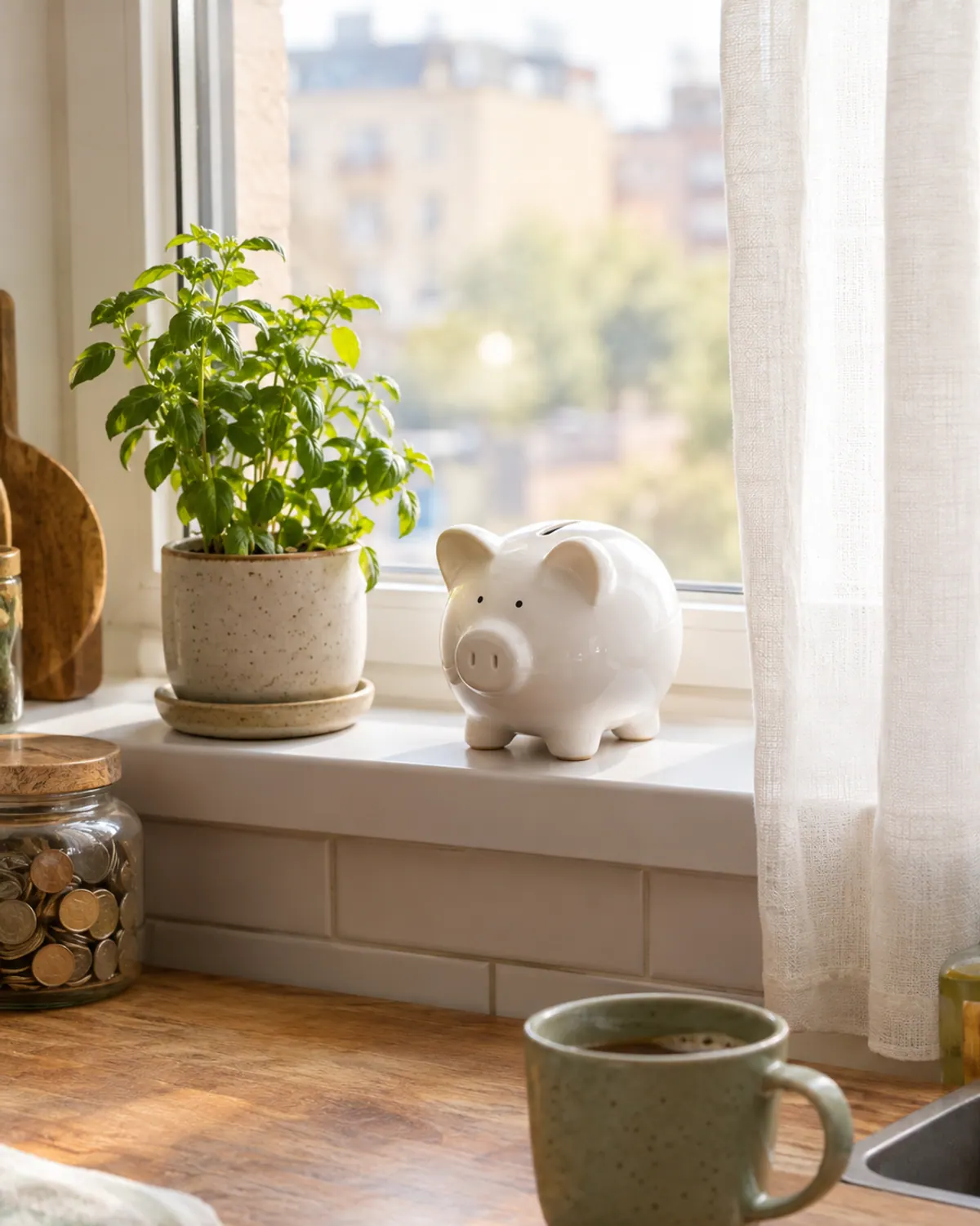
Photograph your own piggy bank in the morning light on a windowsill, print it at 4x6 and pin it. It is the oldest saving money image there is, and on a cozy board it reads as home, not as a bank ad. If you do not own one, a plain white or sage ceramic version is a few dollars and becomes the coin drop for the whole family.
- Cost: a 4x6 print, about $0.25 at a kiosk.
- 2027 tie-in: empty the bank into the jar chart (idea 15) at the end of every month.
6The Coin Jar, Half Full
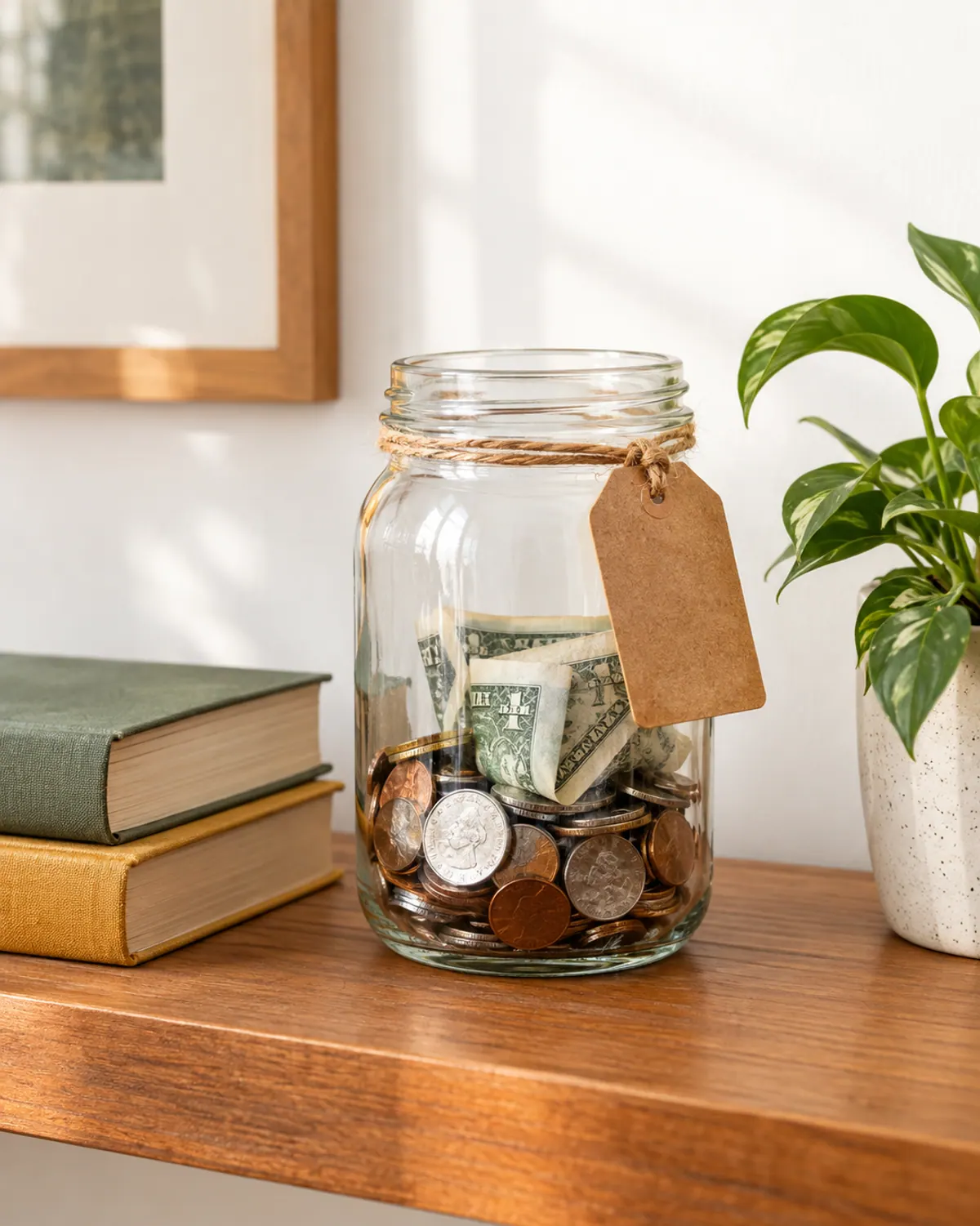
Photograph the jar half full, not full. A full jar is a finish line; a half-full jar is a Tuesday, and Tuesdays are where the saving happens. Tie a blank kraft tag to it so the photo has a spot for the fund name. A clear acrylic or glass jar on the counter is the cheapest tracker in the house, because everyone can see it move.
- Cost: a jar you already own, plus the print.
- 2027 tie-in: the jar is the car fund in the example board; coins and $1 bills only.
A clear jar on the counter is the one tracker the whole household updates without being asked.
7A Fan of Plain Cash Envelopes
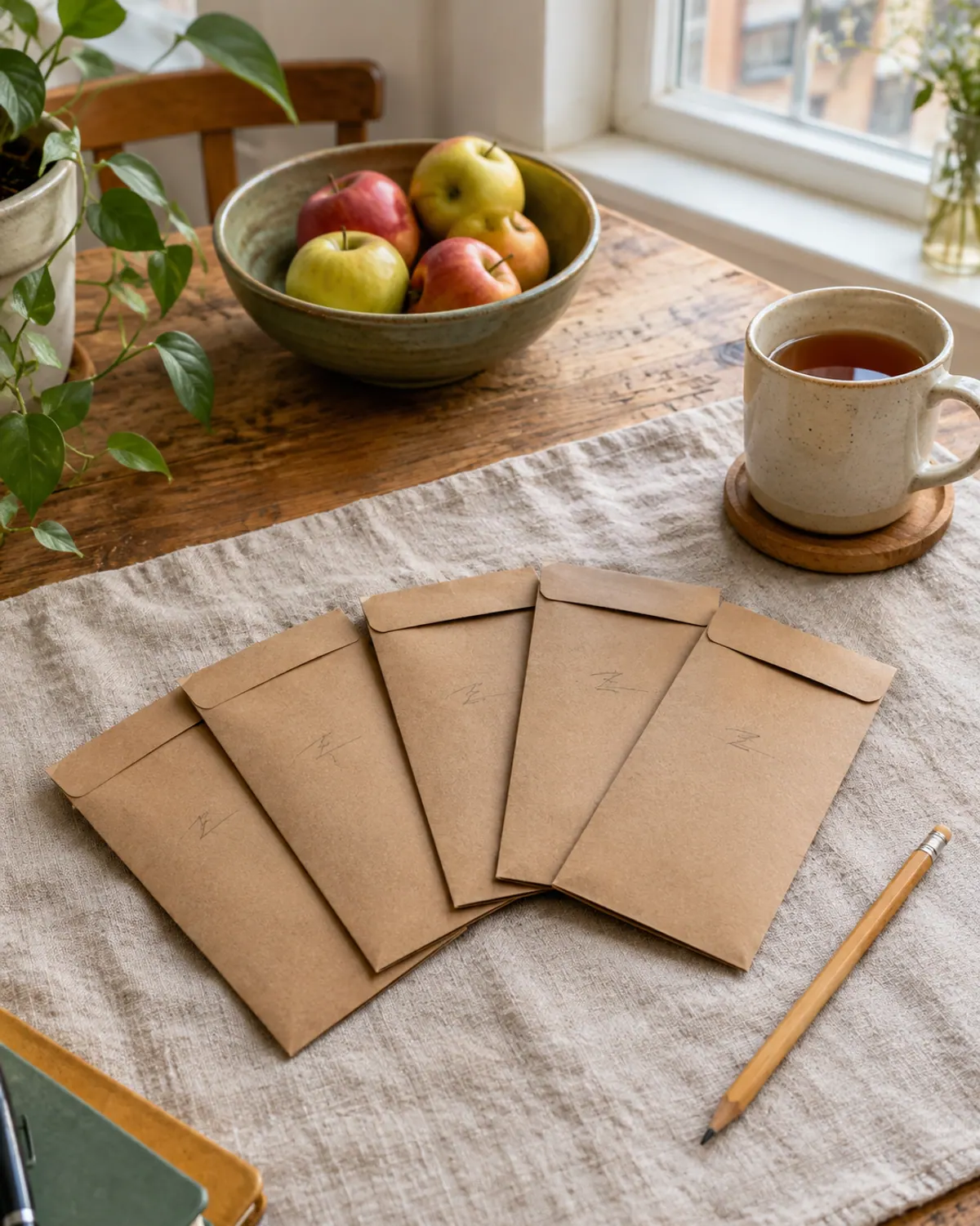
Fan out five kraft envelopes with hand-written labels (groceries, gas, fun, gifts, car) and photograph them on a linen cloth. This is the cash envelope system as a picture, and it belongs on the board because it is the method behind most of the numbers. Plain kraft photographs better than printed designs and matches the palette strip without trying.
- Cost: a pack of kraft envelopes, about $5.
- 2027 tie-in: the grocery envelope is the first one most families actually use; the free pack below is built around it.
Once the envelopes are a photo on the board, a wallet with labeled pockets is what carries them to the store.
8The First Deposit Photo
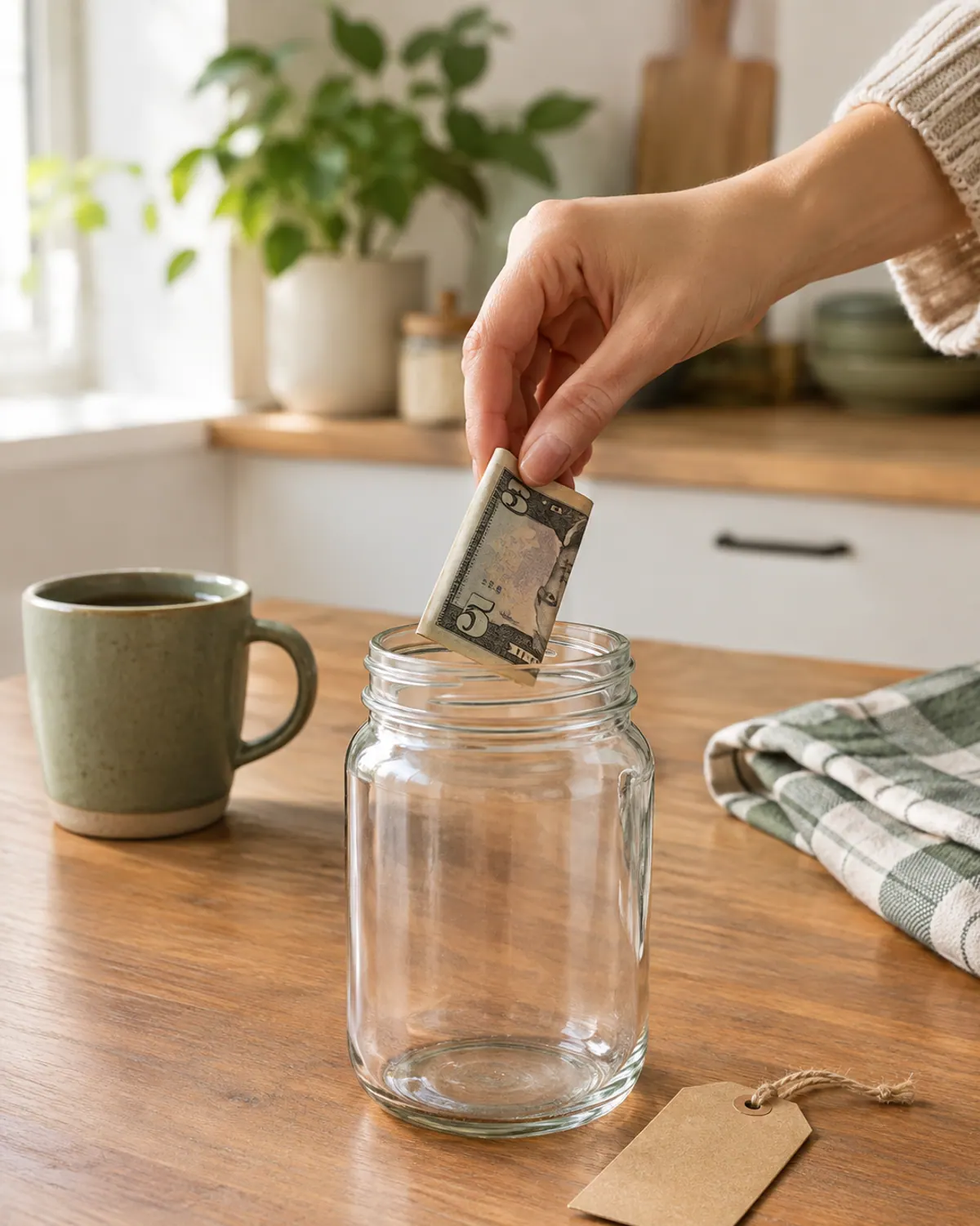
On January 1, photograph the first deposit going into the jar: one folded bill, an otherwise empty jar. Print it and pin it next to the goal card it belongs to. It is the least glamorous photo on the board and the one that matters most, because it proves the goal started. Every board needs one piece of evidence.
- Cost: the print.
- 2027 tie-in: take the same photo on July 1 with the jar half full and swap it in.
Money Journal Pages to Pin on the Board
9The "Why I Am Saving" Page

Write one paragraph in your own handwriting about why the money matters this year: the car that keeps failing inspection, the Christmas that went on a card, the month with no cushion. Tear the page out or photocopy it and pin it at eye level. Your own words in your own hand beat any quote you could print, and they do not need a palette.
- Cost: one journal page.
- 2027 tie-in: reread it before any purchase over $50.
A sage or mustard fine-tip pen keeps the handwritten pages in the board's palette without any design work.
10A Monthly Spending Snapshot
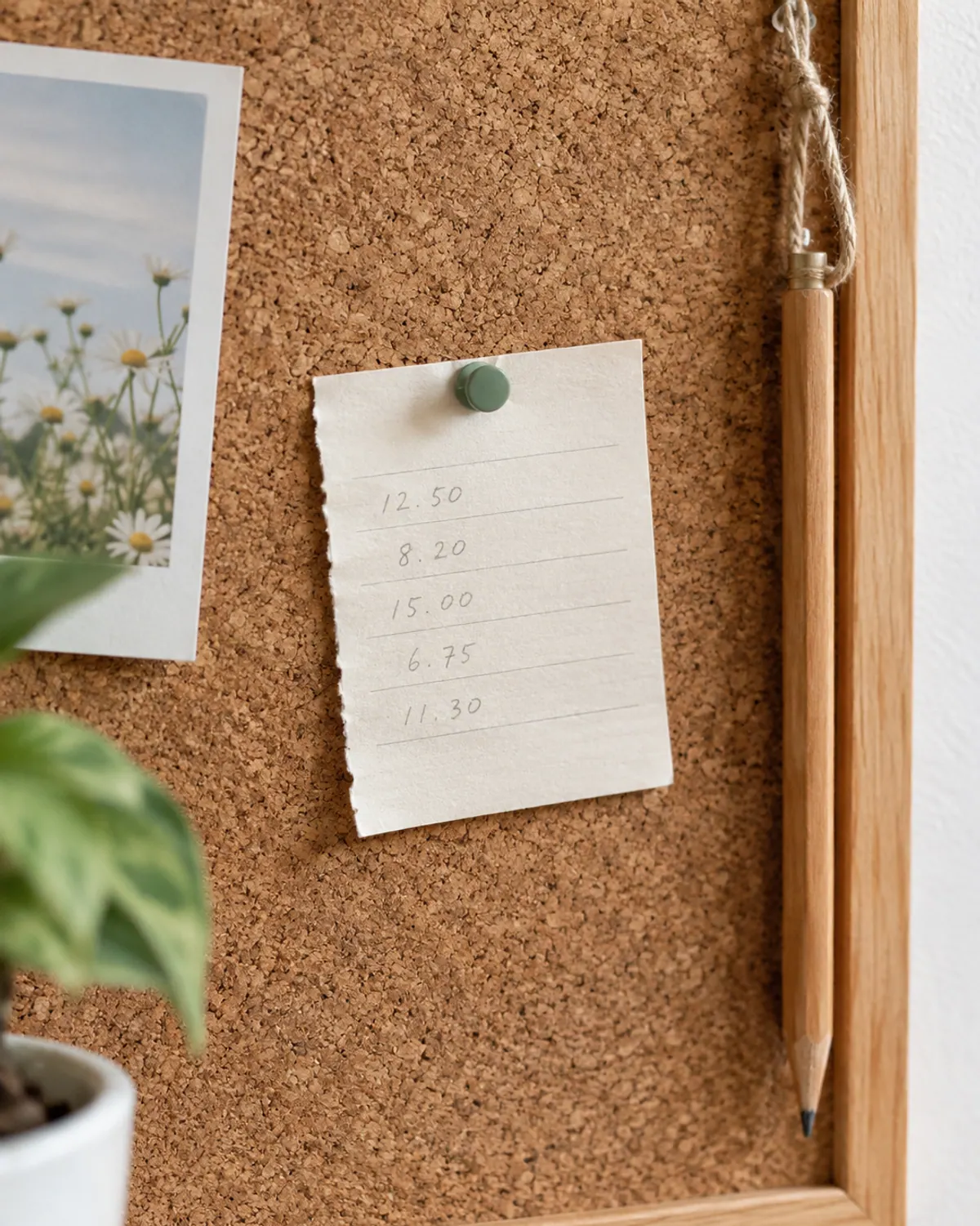
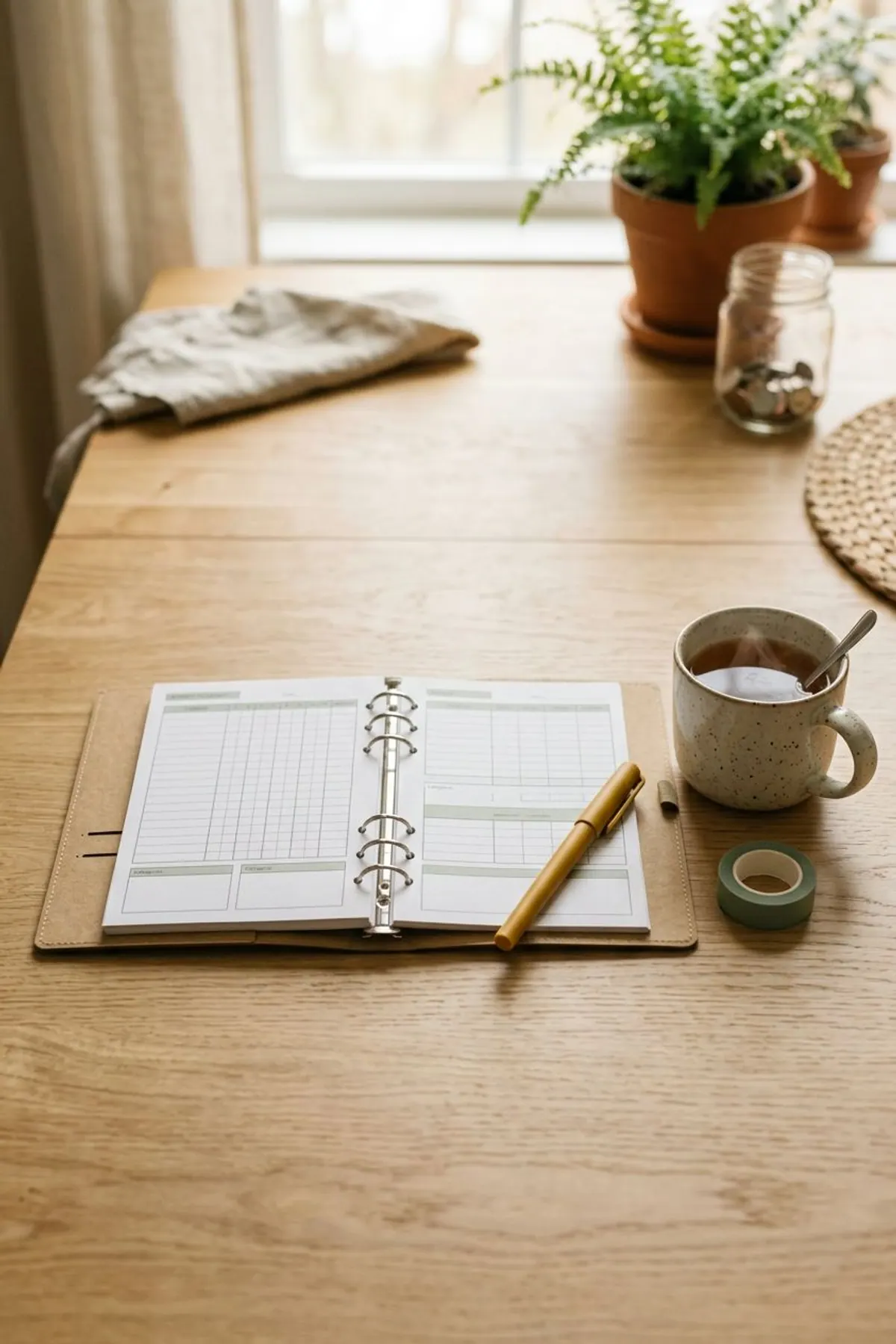
Five lines, hand-drawn: groceries, gas, eating out, fun, saved. Fill it in on the last day of the month and pin it over last month's page. By March you have a visible stack that shows the trend, and the "saved" line creeping up is the most motivating thing on the board. Keep it to five lines; the full budget lives on the monthly budget sheet, not the board.
- Cost: scrap paper.
- 2027 tie-in: the stack of twelve pages is the year's story by December.
11The No-Spend Wins List
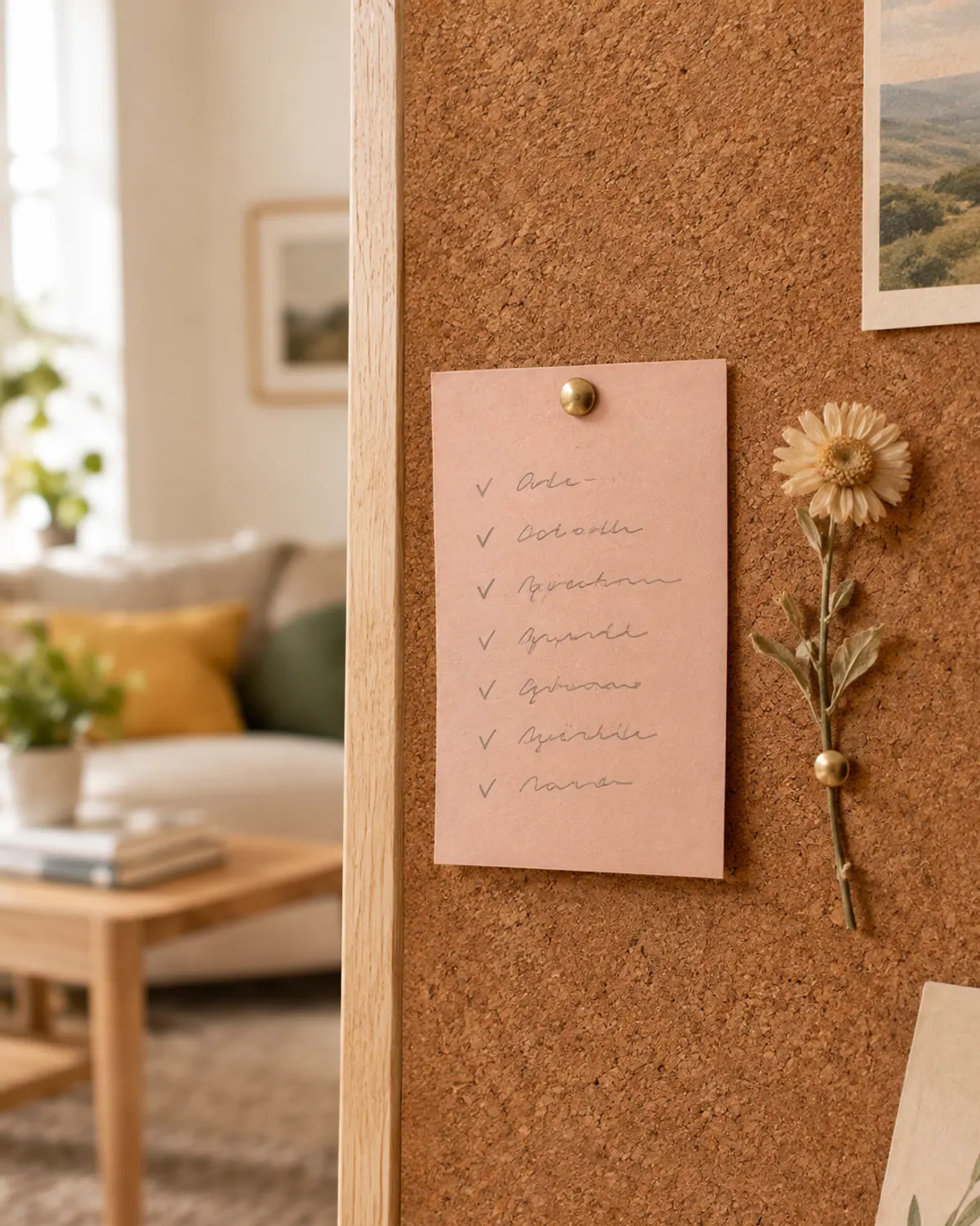
A running list of the times you did not spend: packed lunch instead of takeout, borrowed the drill, skipped the second coffee. Each line gets a tick. It flips the board from "things I want" to "things I already did", which is the only version of a vision board that holds up in February. Start it during a no-spend month and keep it going.
- Cost: one card.
- 2027 tie-in: pair it with the no spend January rules and the list fills itself.
12A Quote Card in Your Own Words
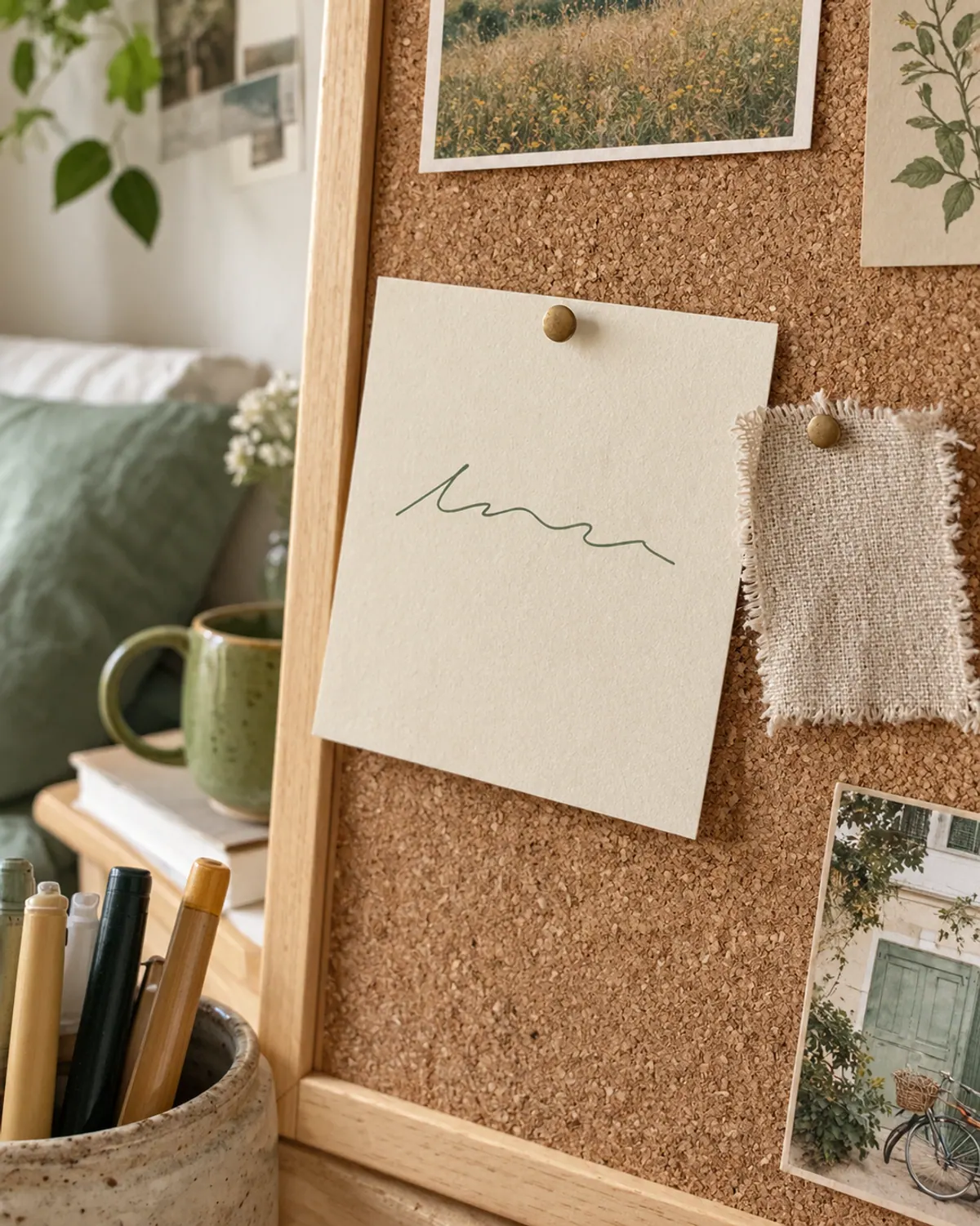
Skip the printed quotes. Write the sentence you actually say to yourself when the budget holds: "Cash first, then decide" or "The jar before the cart". One sentence, your handwriting, accent ink. It is the only text on the board besides the goal cards, so it carries more weight than a wall of affirmations ever would.
- Cost: one card.
- 2027 tie-in: rewrite it in July if it stopped working.
Tracker Pages as Art: Envelope Grid, No-Spend Calendar, Jar Chart
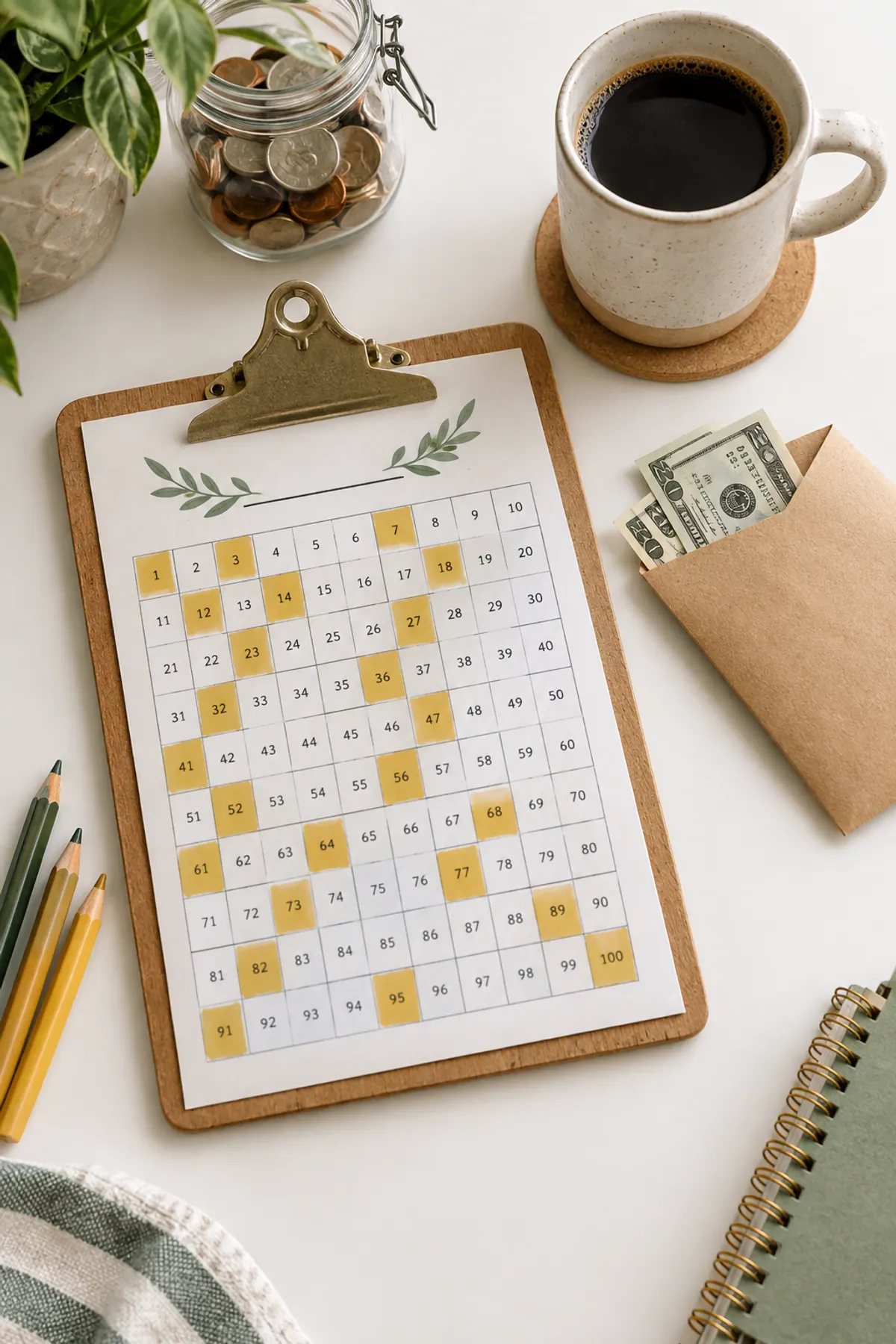
13The 100 Envelope Grid
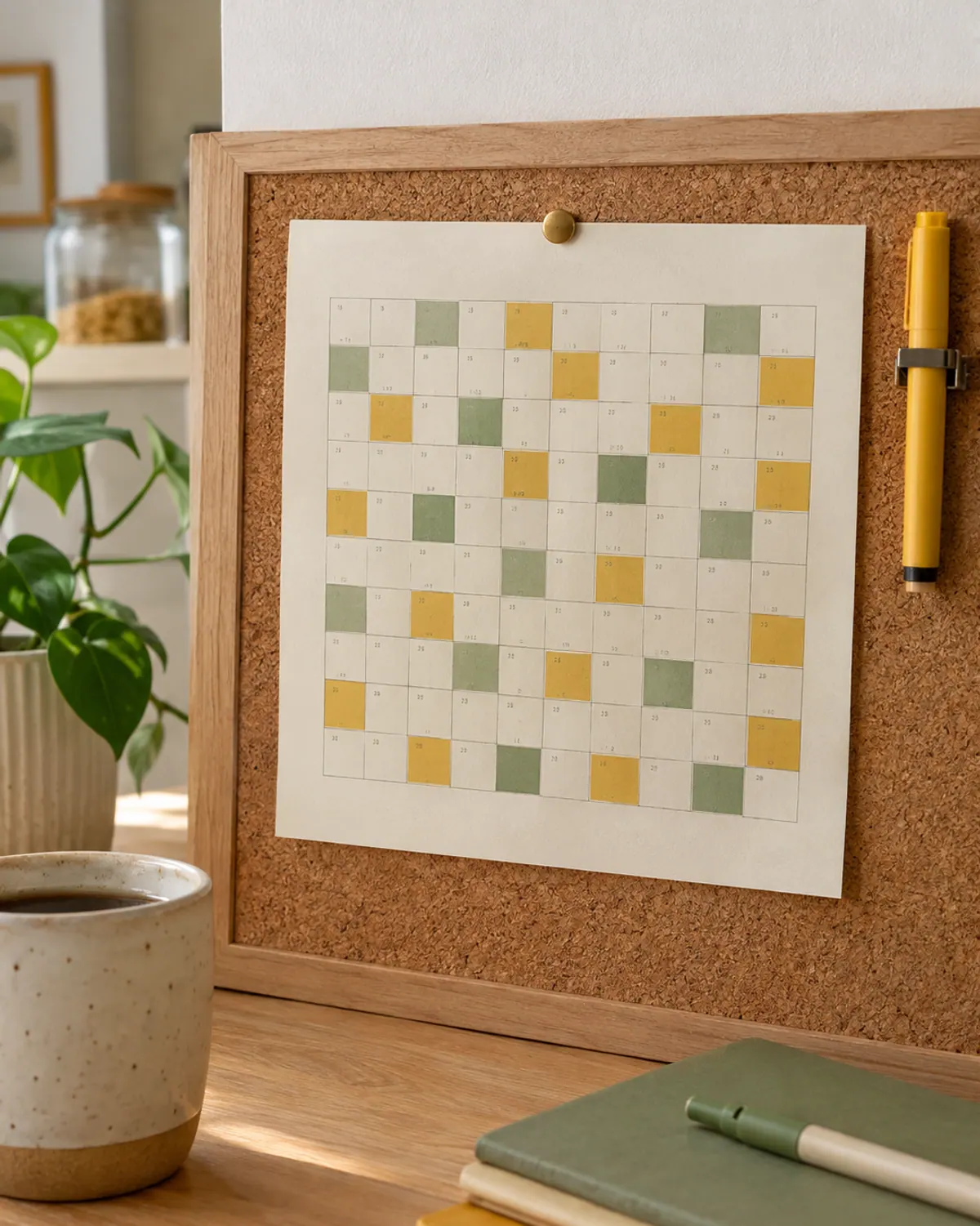
A 100-square grid, each square an envelope number from 1 to 100, colored in as you fill them. Finished, it is $5,050 (example math: the numbers 1 through 100 added together). On the board it is the biggest tracker and the most satisfying, because a third of it colored in looks like progress from across the room. The free Cozy Savings Challenge Pack has this grid plus a 50-envelope version ($1,275) for a smaller year.
- Cost: free; print the pack below.
- 2027 tie-in: color with the accent swatch color so the grid matches the palette strip.
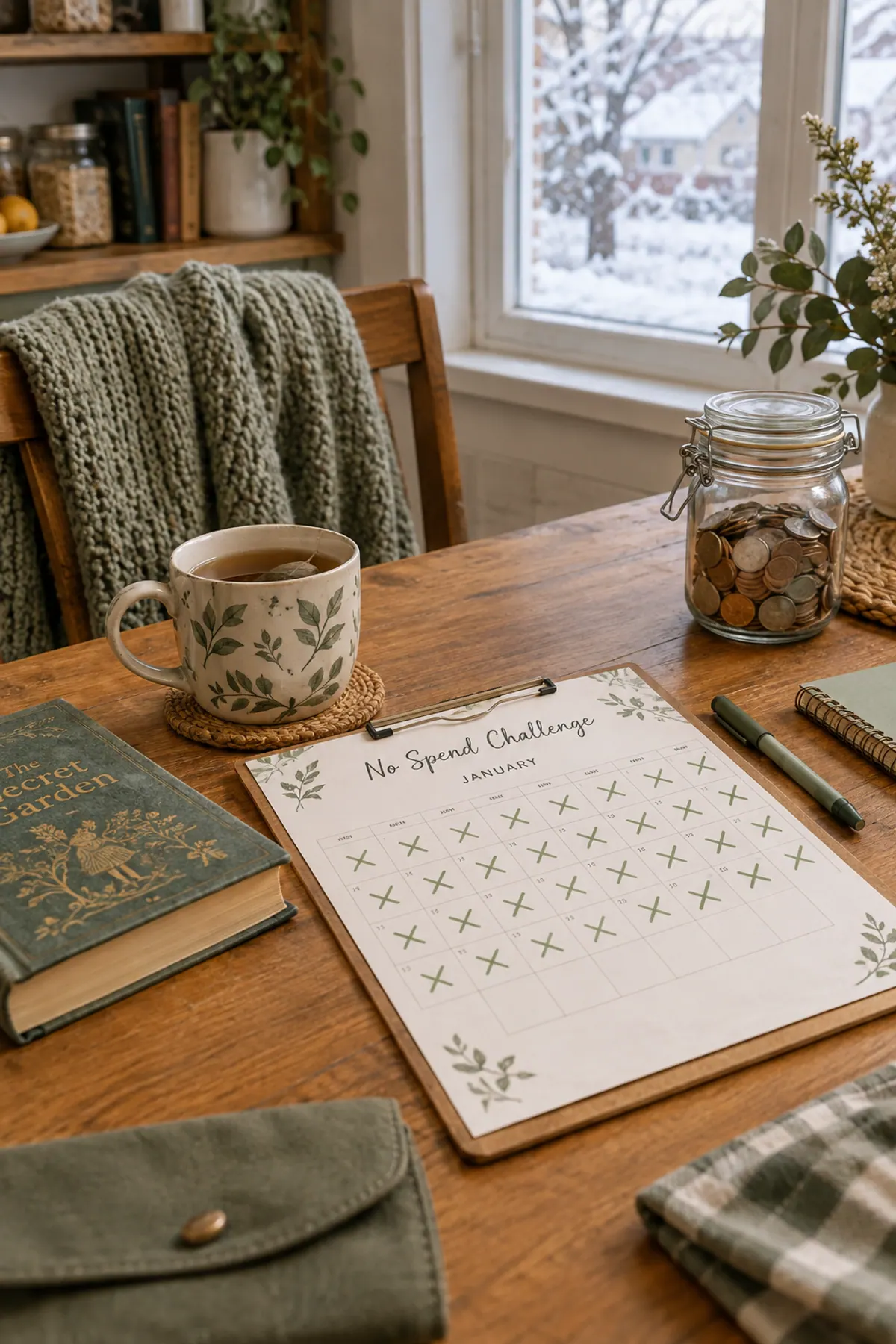
14The No-Spend January Calendar
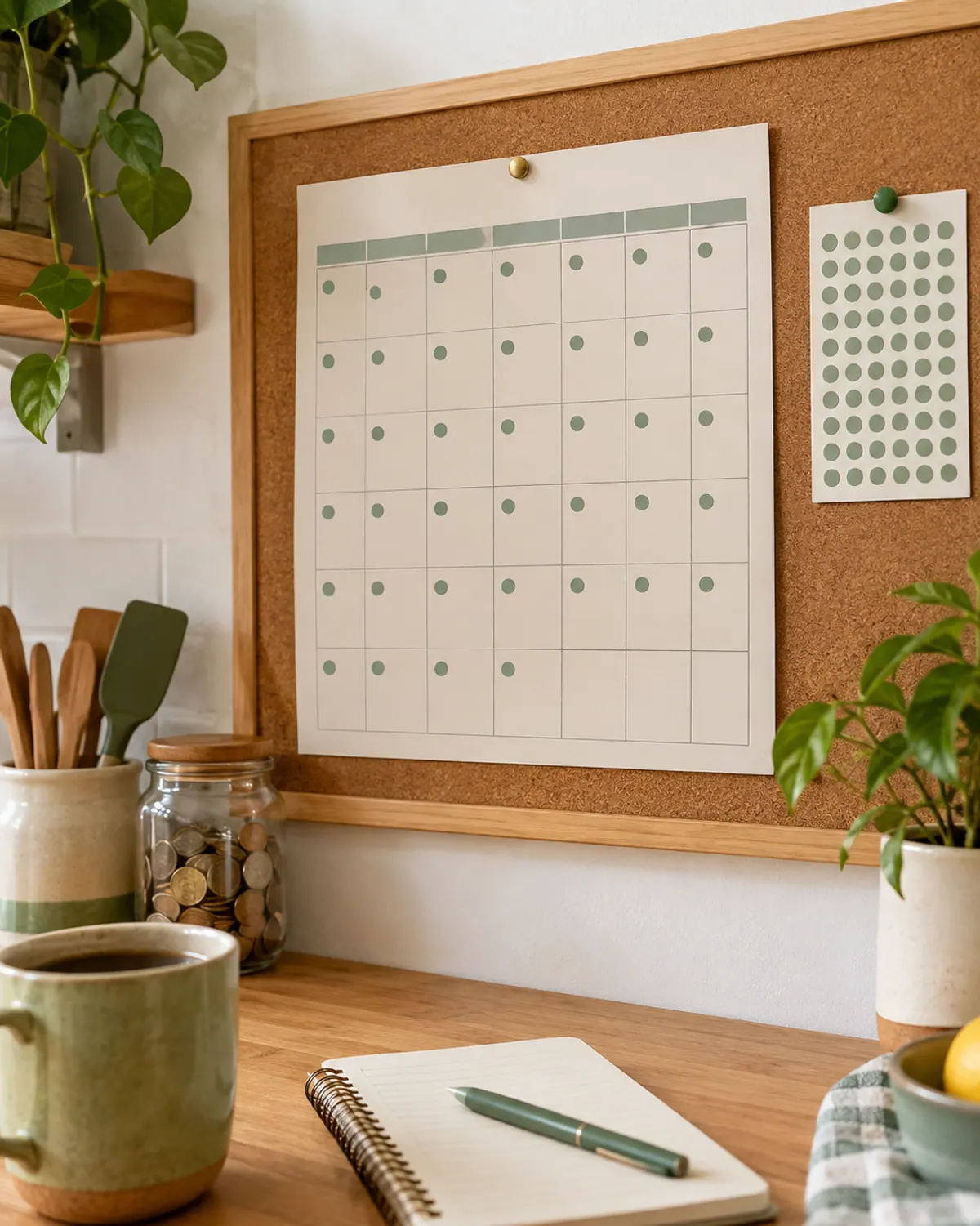
A month grid with a dot sticker on every no-spend day. It is the January element of the board: the first 31 days of the year, visible, with the pattern of dots telling the truth about the weekends. The 30-day tracker in the free pack works for this, and it comes down in February to make room for the next month's snapshot.
- Cost: a sheet of dot stickers, about $4.
- 2027 tie-in: every blank day is a line on the no-spend wins list the next day.
Dots are faster than coloring, match any palette, and make the no-spend calendar readable from the doorway.
15The Goal Thermometer
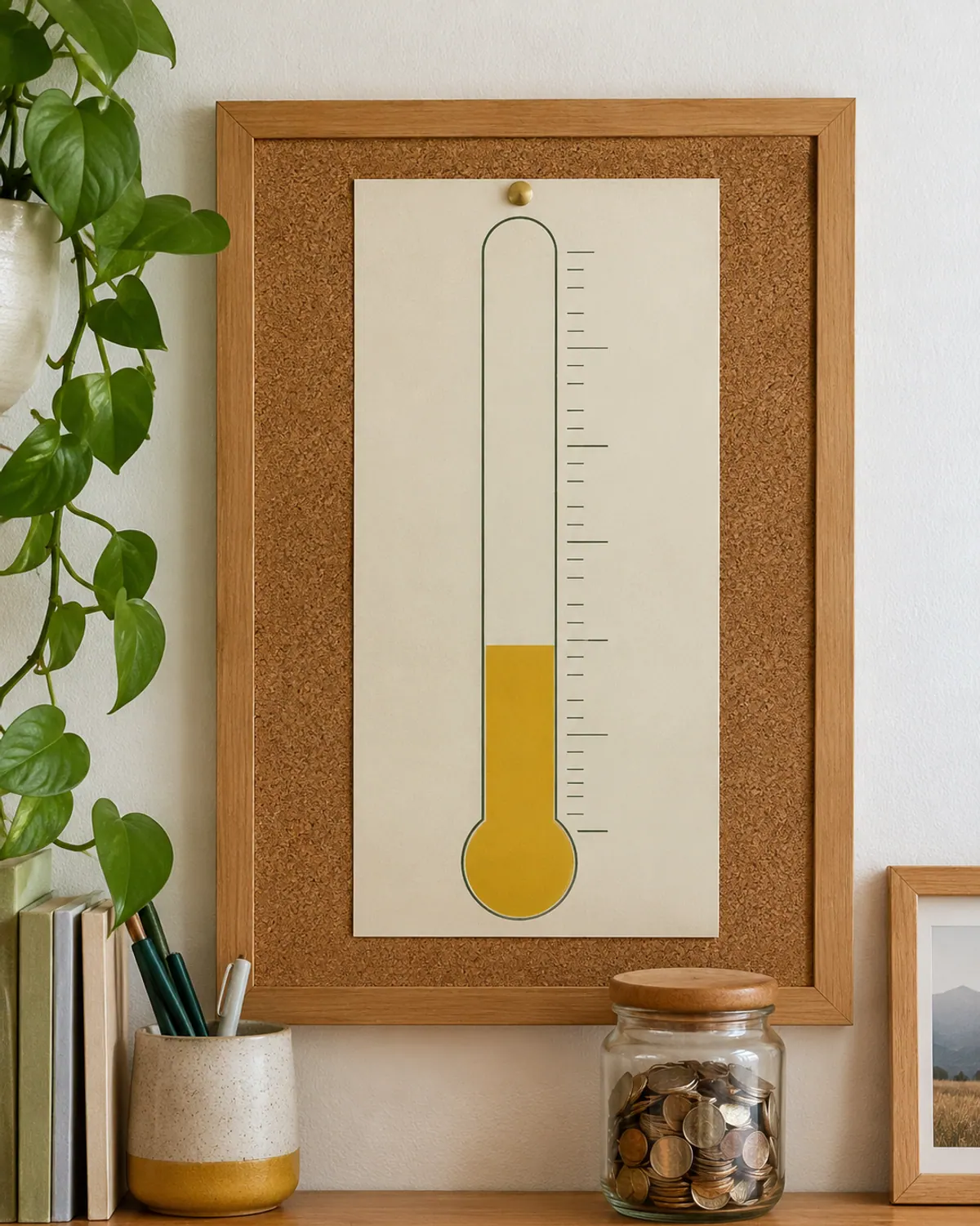
One tall thermometer per fund, colored up as the total grows. It is the simplest chart in the free pack and the one kids understand without explanation. Pin it next to the matching goal card, and color it on the first of the month when you count the jar. Three thermometers in a row for three funds is a whole board on its own.
- Cost: free; in the pack.
- 2027 tie-in: mark the halfway line in pencil so July has a target.
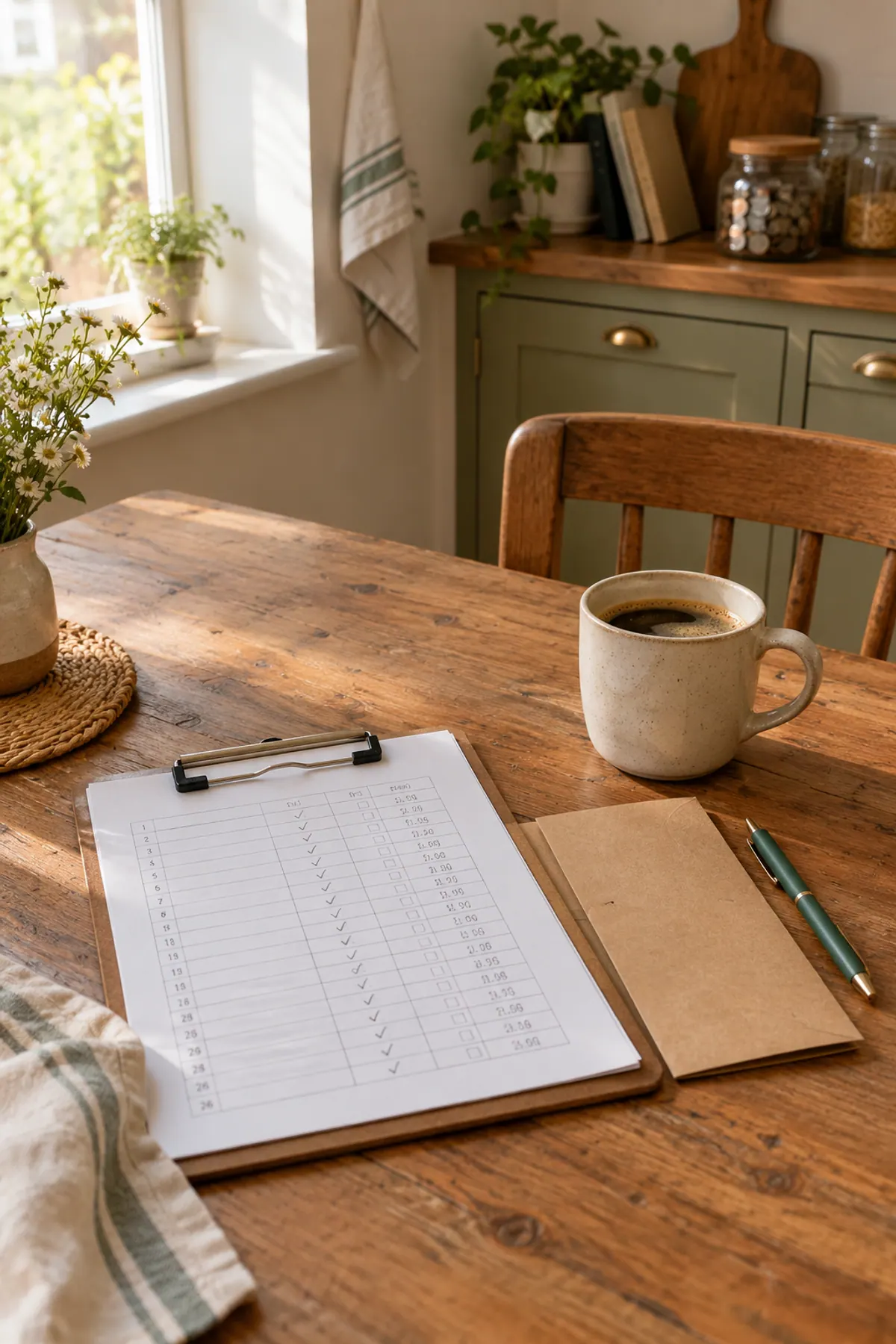
16A Bi Weekly Chart for the Paycheck Fund
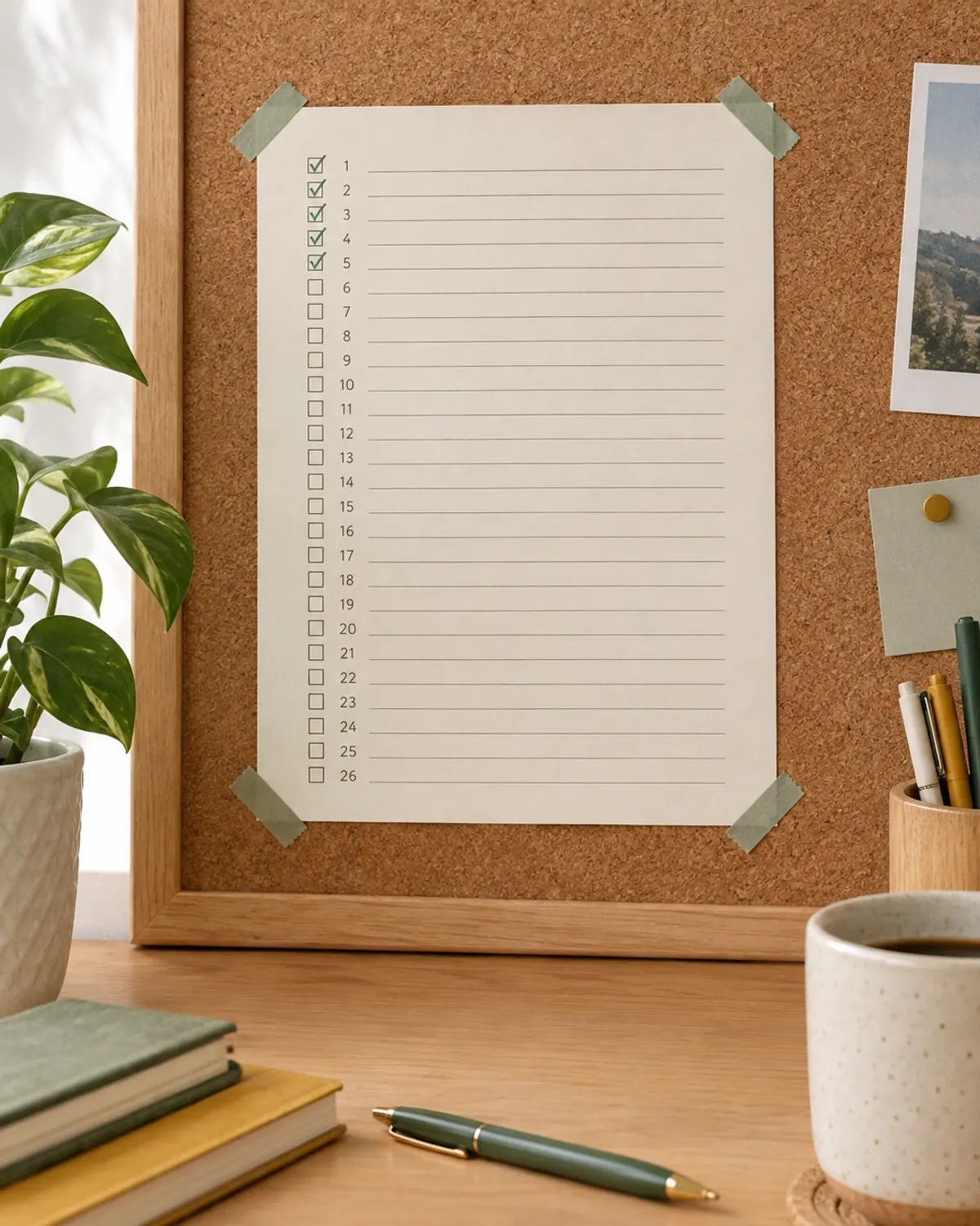
For the fund that gets paid on payday, pin a 26-row chart with a row per paycheck and tick it every other Friday. It turns the board into a payday habit instead of a January one. The bi weekly savings challenge charts are free in five sizes, from $5 a payday to $400, with the running totals already worked out.
- Cost: free; print the chart.
- 2027 tie-in: the $1,000 chart ($40 a payday, example) is the emergency fund on the example board.
Phone Wallpaper and Lock Screen Versions
17The Lock Screen Goal Number
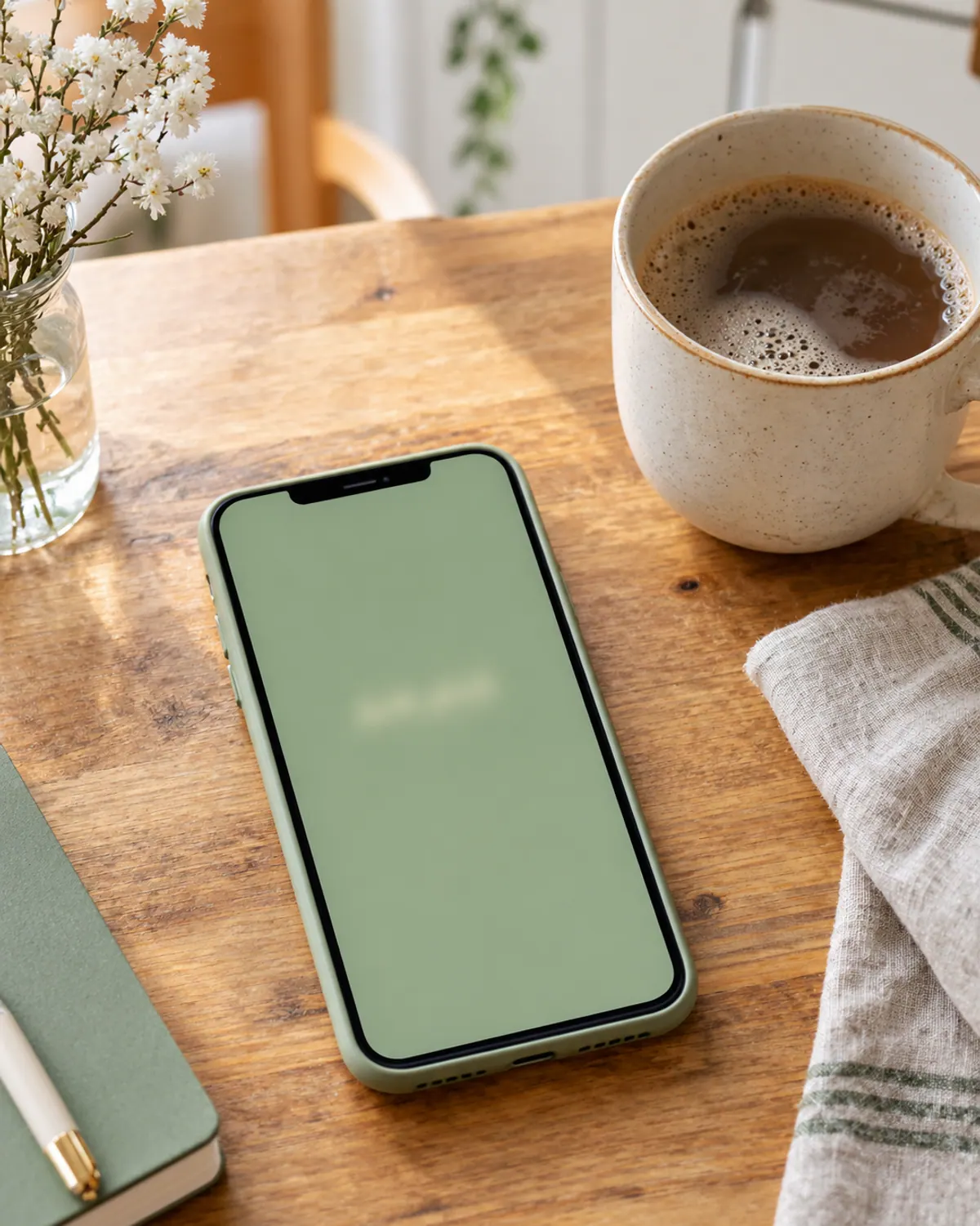
Make a plain sage image in any photo app, type the fund name and the example target in cream text, and set it as the lock screen. You see it forty times a day, including in the checkout line, which is where the board cannot follow you. Keep it to one goal; three numbers on a lock screen become noise within a week.
- Cost: free, five minutes.
- 2027 tie-in: change the number to the running total on the first of each month.
18A Photo of the Board as Wallpaper
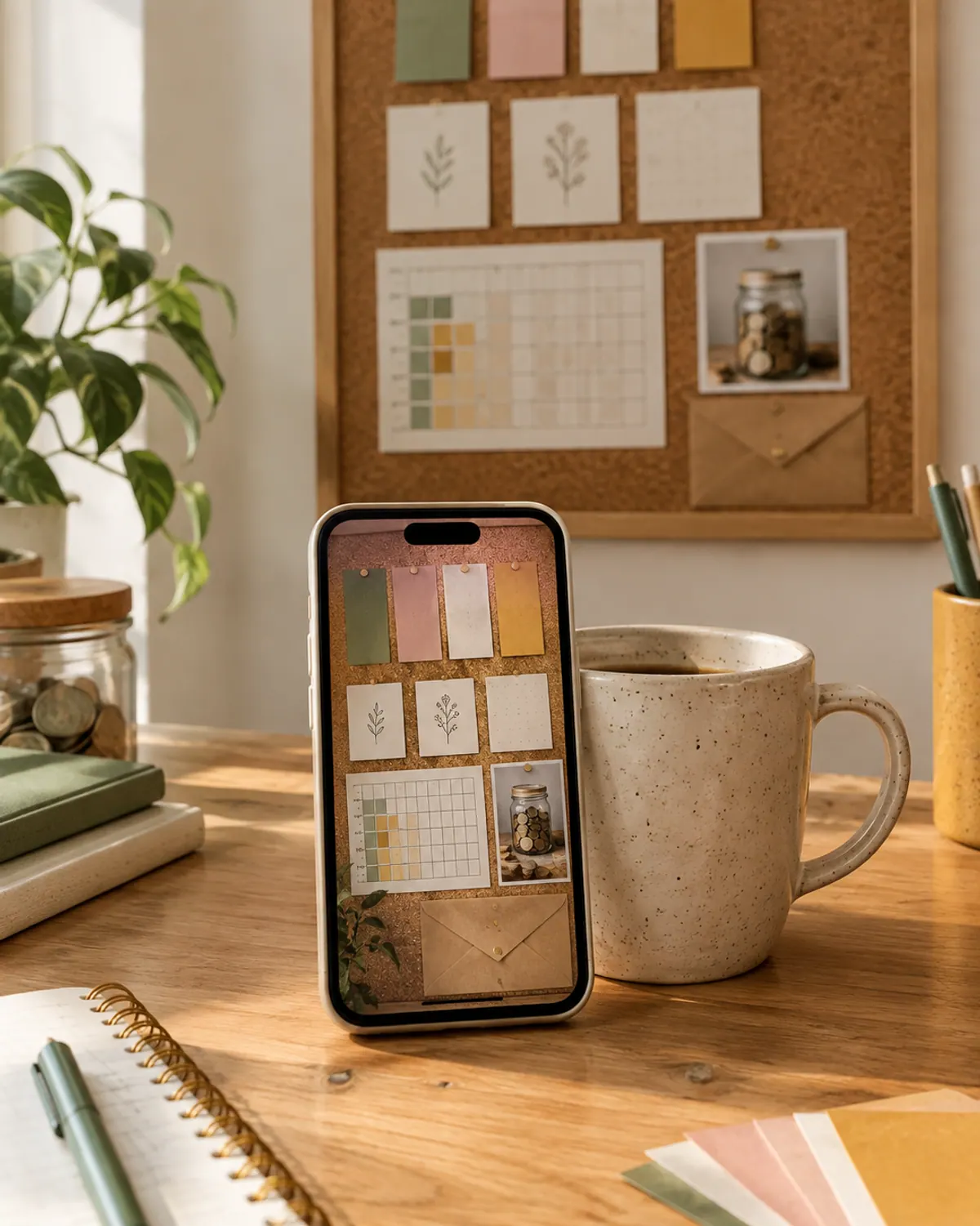
Once the board is done, photograph it straight on in daylight and set the photo as the home screen. The whole point of the physical board is that it lives in one room; the photo takes it everywhere. Re-shoot it each time a goal card gets its done sticker, so the phone version keeps up with the wall version.
- Cost: free.
- 2027 tie-in: the December photo and the January photo side by side are the year's before-and-after.
19The Weekly Check-In Sticky
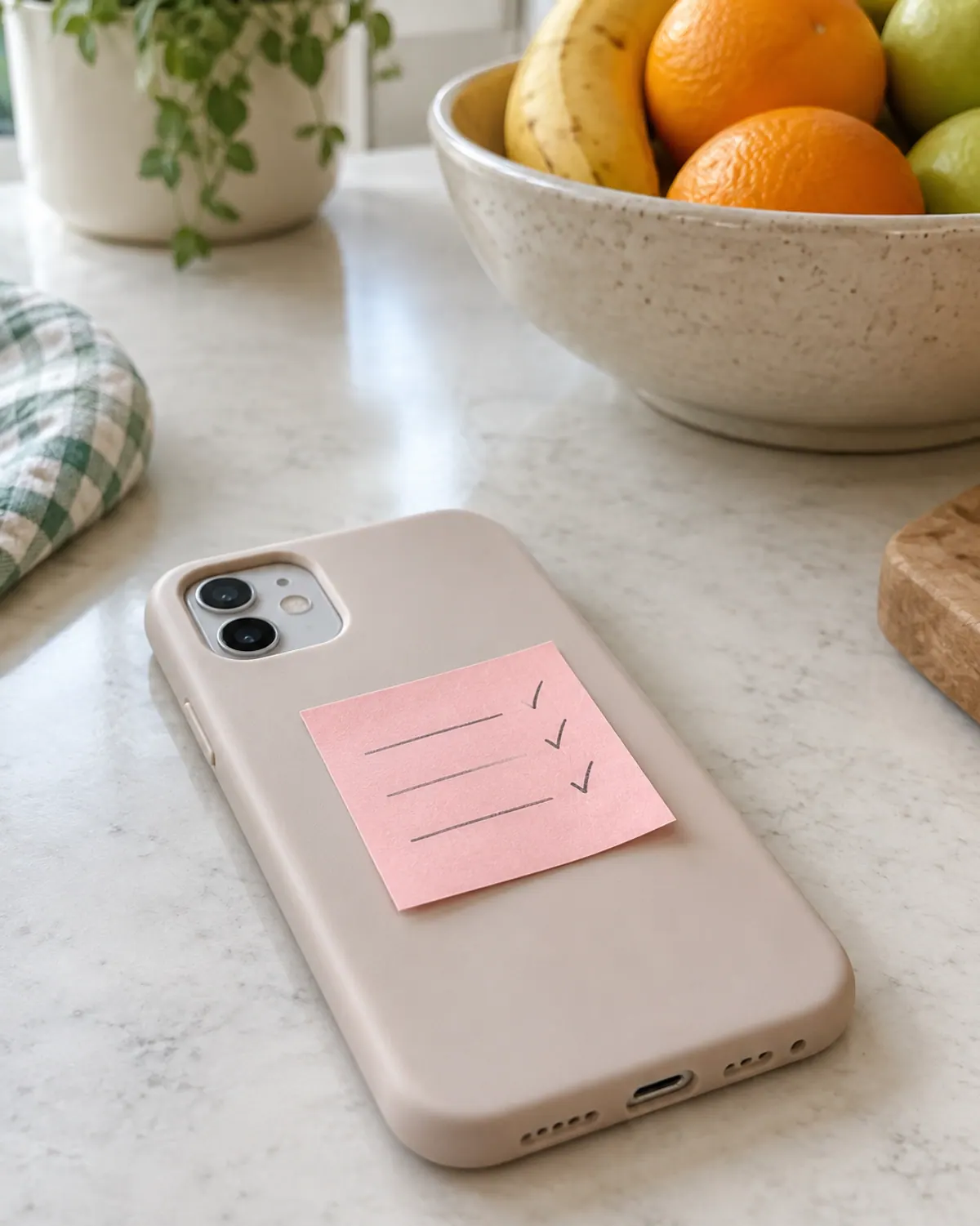
A sticky note on the back of the phone case with three lines: jar counted, chart ticked, snapshot filled. Tick them on Sunday night and replace the note. It is the lowest-tech item on the list and the one that keeps the other twenty from going stale. The aesthetic here is honesty, not pink.
- Cost: a pad of sticky notes.
- 2027 tie-in: four ticks a month is the whole maintenance plan for the board.
A 2027 Example Board: $1,000 Emergency Fund, Holiday Fund, Car Fund
20The Three-Goal Card with Example Math
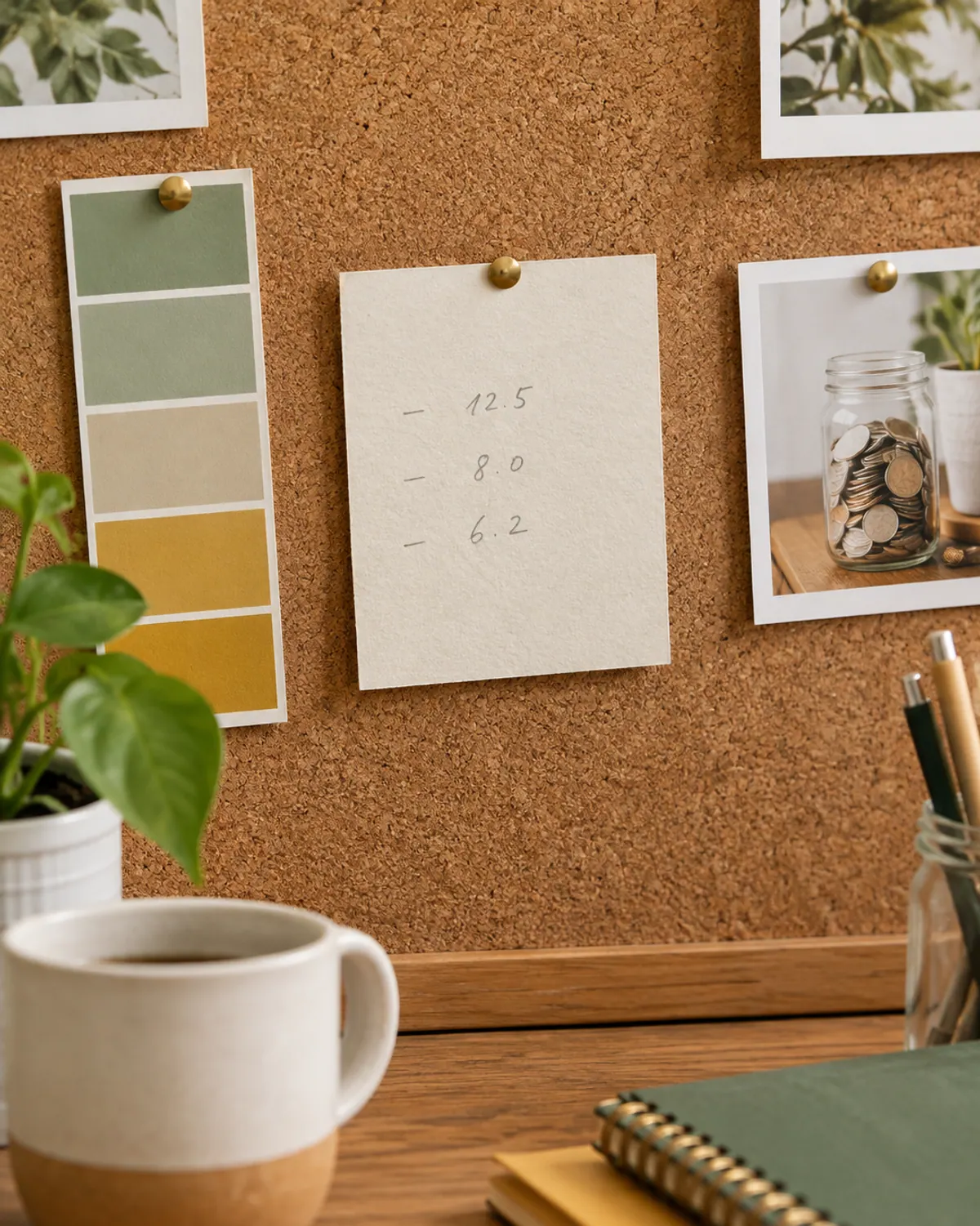
One card that shows how the three funds fit a month, with example numbers: emergency fund $40 a paycheck ($1,040 a year on 26 checks), holiday fund $50 a month ($600 by December), car fund the coin jar plus $25 a month (about $500 in a year). That is around $165 a month in total, which is the honest size of a frugal family's first saving year. Your numbers will differ; write yours on the card.
- Cost: one card.
- 2027 tie-in: this is the board's budget line; it goes on the savings block of the monthly sheet.
21The Finished Board Layout
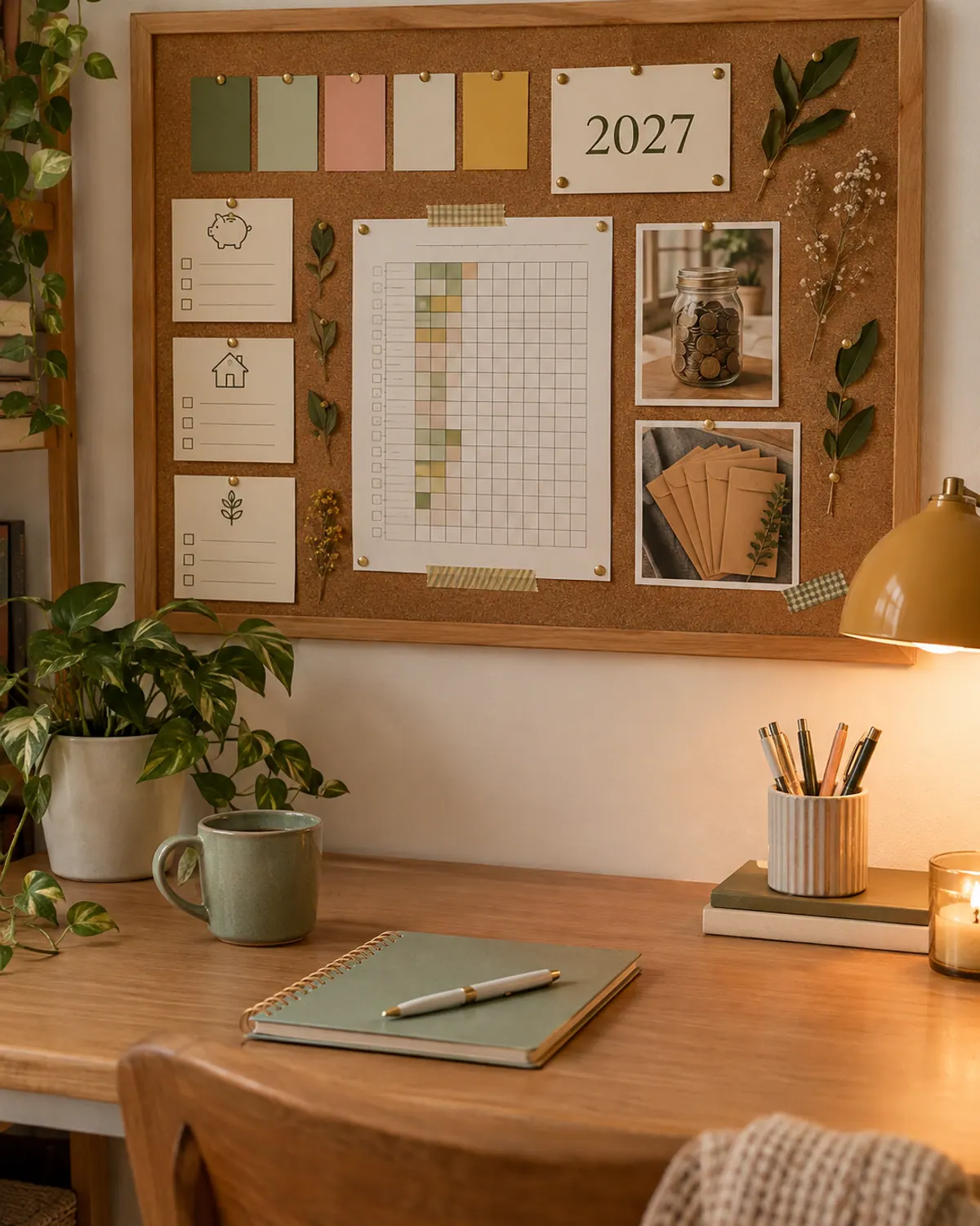
Top row: the swatch strip and the 2027 title card. Left column: the three goal cards with their thermometers. Center: the envelope grid, the biggest element. Right: the coin jar photo, the envelope fan and the first deposit photo. Bottom: the why page and the spending snapshot stack. Fillers in the gaps. Hang it where you stand on payday, which for most of us is the kitchen.
- Cost: a cork or magnetic board, $12 to $30, plus pins or washi tape.
- 2027 tie-in: the board is finished when every goal card has a done sticker, not when it looks nice.
Big enough for three goal columns and the envelope grid, small enough to hang on a kitchen wall near the budget binder.
| Fund | How it is saved | Example total by December | Board element |
|---|---|---|---|
| Emergency fund | $40 every paycheck, 26 checks | $1,040 | Bi weekly chart (idea 16) + thermometer |
| Holiday fund | $50 a month, January to December | $600 | Goal card + no-spend wins list |
| Car fund | Coin jar plus $25 a month | About $500 | Coin jar photo + thermometer |
What to Leave Off a Saving Money Vision Board
Three things make a money board worse, and all three are on most of the boards Pinterest shows you.
Other people's numbers. A bank balance screenshot, even a blurred one, sets a target that has nothing to do with your income. Your goal cards, with your example numbers, are the only numbers the board needs.
Luxury props. Designer bags, sports cars and marble counters tell the board you are saving to spend. A cozy board is saving for a cushion, and the images should look like the life you already have, slightly calmer.
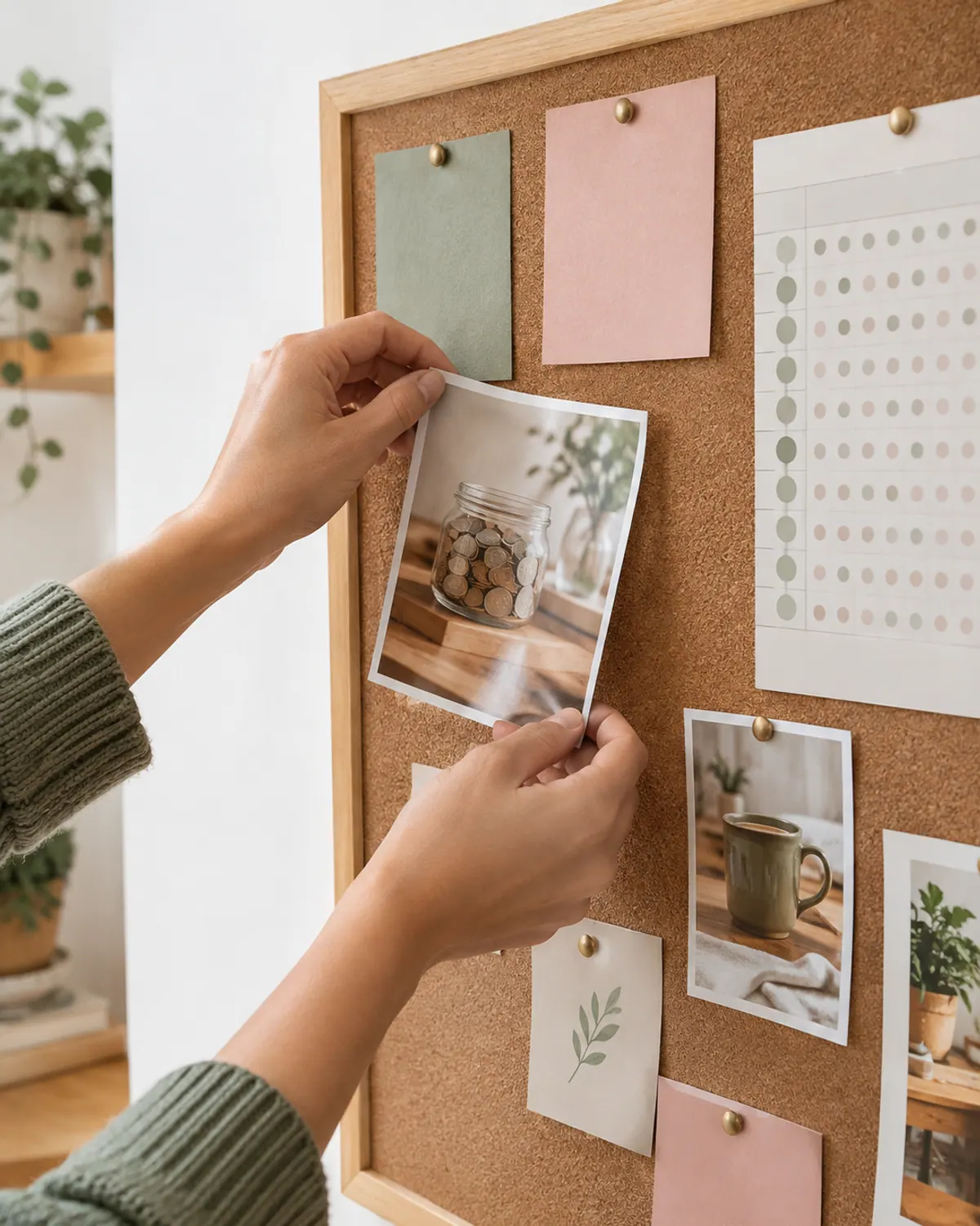
Promises. Affirmation cards about wealth arriving are not trackers. Nothing on this board claims the money will come; every element is a place to record that you moved it yourself. That is the difference between a vision board that gets taken down in March and one that gets a done sticker in December.
Build-the-board checklist
Board supplies that stay in the palette
-
Cork board with wood frame, 17 x 23 inches
Typically $12 to $30
Big enough for three goal columns and the envelope grid, small enough to hang on a kitchen wall near the budget binder.
Check price on Amazon for Cork board with wood frame, 17 x 23 inches -
Sage and blush cardstock pack
Typically $6 to $15
One pack covers the swatch strip, the title card and every goal card, so the whole board shares the same four colors.
Check price on Amazon for Sage and blush cardstock pack -
Washi tape and sticker pack in muted tones
Typically $6 to $15
Tape corners instead of pins for the photos, and a done sticker for every finished goal card.
Check price on Amazon for Washi tape and sticker pack in muted tones -
Cash envelope wallet with labeled pockets
Typically $10 to $25
Once the envelopes are a photo on the board, a wallet with labeled pockets is what carries them to the store.
Check price on Amazon for Cash envelope wallet with labeled pockets -
Clear acrylic coin jar with lid
Typically $10 to $20
A clear jar on the counter is the one tracker the whole household updates without being asked.
Check price on Amazon for Clear acrylic coin jar with lid -
Fine-tip pen set in muted colors
Typically $8 to $18
A sage or mustard fine-tip pen keeps the handwritten pages in the board's palette without any design work.
Check price on Amazon for Fine-tip pen set in muted colors -
Colored dot sticker sheets
Typically $4 to $8
Dots are faster than coloring, match any palette, and make the no-spend calendar readable from the doorway.
Check price on Amazon for Colored dot sticker sheets
Print the Free Cozy Savings Pack for Your Board
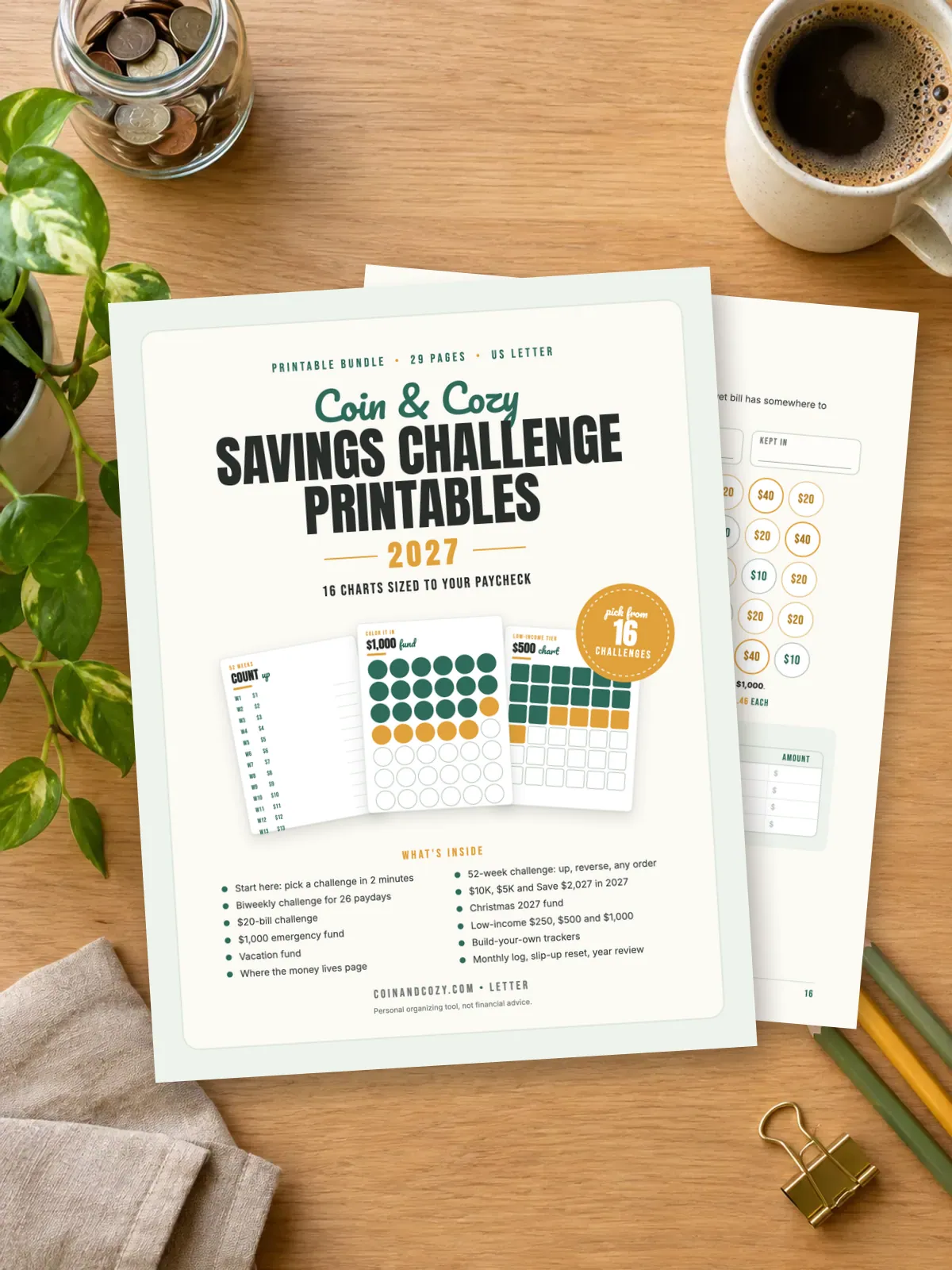
The three tracker pages on the example board, the 100 envelope grid, the 30-day no-spend tracker and the goal thermometer, are all in the free Cozy Savings Challenge Pack, along with a 50 envelope version and a blank chart for a goal of your own. The savings challenge printables post has the 52 week and $10K charts if the board needs a bigger element.
If you want the whole year behind the board, the Cozy Budget Planner 2027 has a monthly budget, a paycheck page and savings trackers for every month, with a January reset section that matches the board's three funds. The standing code COZY20 takes 20% off.
Pick eight elements, hang the board tonight, and make the first deposit before you make it pretty.
Frequently asked questions
What do you put on a money vision board?
Goal cards with your own example targets, photos of the tools you use (a coin jar, cash envelopes, a piggy bank), tracker pages you color in (an envelope grid, a no-spend calendar, a thermometer), and one or two journal pages in your own handwriting. Leave off bank screenshots, luxury props and other people's numbers.
How do I make a savings vision board?
Pick four palette colors, write a title card for the year and one card per fund with an example target, add two or three photos of your jar and envelopes, print the tracker pages, and pin it all on a cork board with white space between elements. Hang it where you stand on payday and update the trackers monthly.
What colors represent saving money on a vision board?
Any palette you will keep looking at. Sage green, blush, cream and a mustard accent read as calm and cozy, which suits a board about building a cushion. Gold and black read as wealth and tend to pull the board toward spending images.
Does a vision board help you save money?
A board on its own does not move money. A board with trackers on it that you update on payday can, because it keeps the goal visible and makes each deposit a thing you record. Treat it as a reminder and a scoreboard, not a promise.
What is a financial vision board?
A board, physical or on your phone, that shows your money goals for a set period, usually a year, along with the habits and trackers that get you there. The cozy version on this page uses example targets like a $1,000 emergency fund and a holiday fund rather than wealth imagery.
How do you make a money vision board on your phone?
Photograph the finished physical board in daylight and set it as your home screen, then make a plain lock screen with one fund name and its running total in your accent color. Update the number on the first of each month. It takes about five minutes with any photo app.
Save it for later
Pin this to your Budget Printables board so it's there when you need it.
Save to Pinterest