This post contains affiliate links. As an Amazon Associate we earn from qualifying purchases, at no extra cost to you. Read our disclosure.
Safety first: This is general money education, not personalised financial advice. Please read our financial disclaimer before you start.
Key takeaways
- Set rules and a small fresh-food budget before day 1.
- Inventory the pantry, fridge and freezer, grouped by type.
- Toss bulging, leaking or deeply dented cans; most dates are about quality.
- Plan meals as base + protein + vegetable, starting with a use-first bin.
- Move the money you saved to a goal the same day.
In this post11 sections
- What You'll Need
- Step 1: Set Your Pantry Challenge Rules
- Step 2: Take Inventory of the Pantry, Fridge and Freezer
- Step 3: Check What's Safe, Then Make a Use-First Shelf
- Step 4: Turn What You Have Into Meal Ideas
- Step 5: Plan All 14 Days on One Page
- Step 6: Shop Only the Gaps
- Step 7: Track What You Saved and Give It a Job
- Pantry Challenge Mistakes to Avoid
- Variations: One Week, Families and Freezer-Only
- FAQ
What You'll Need
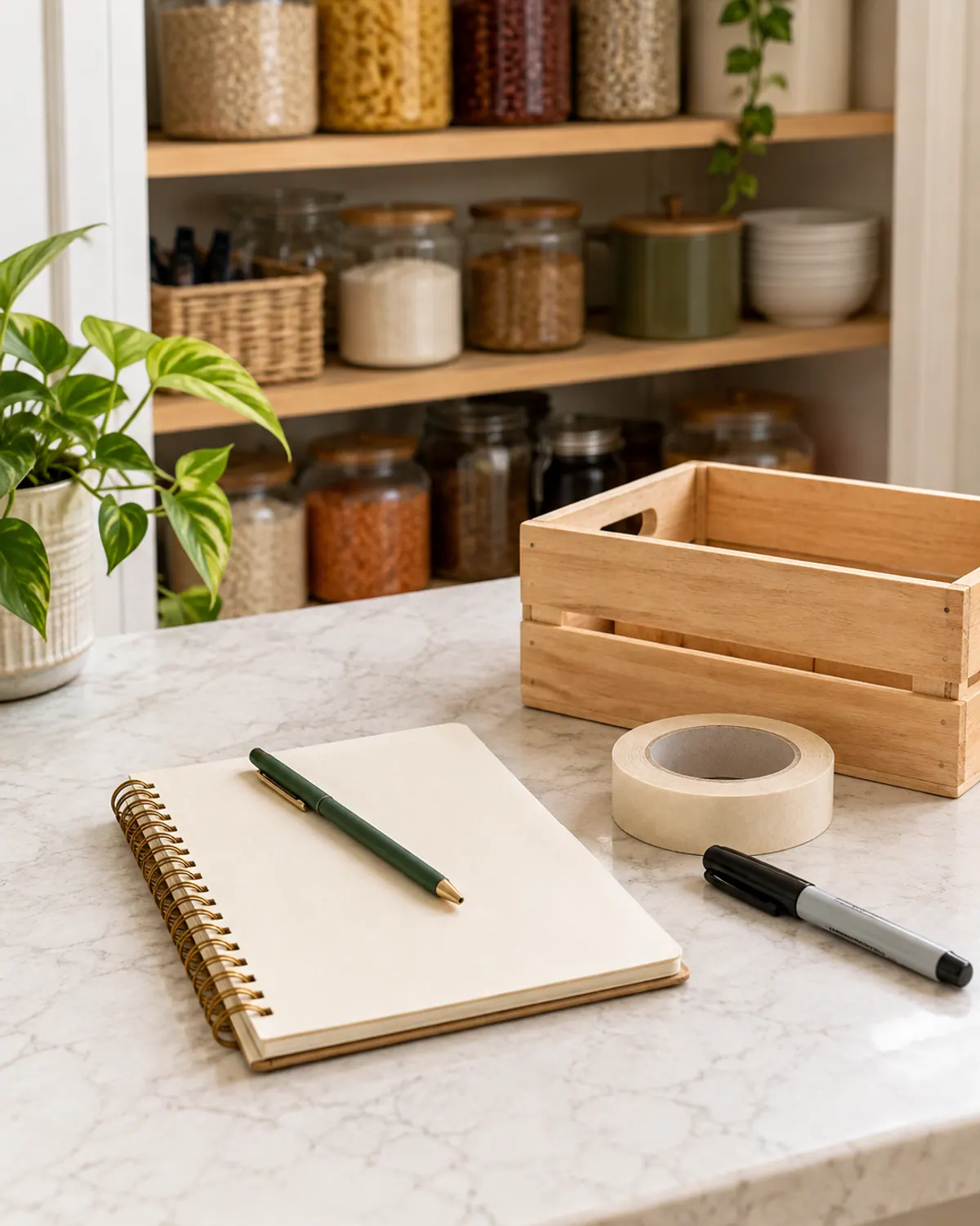
Gather these before day 1 (about 45 minutes)
You don't need anything new to start. If you'd like a printed page, our free monthly budget sheet (PDF, 3 pages) has room to log grocery spending. No sign-up needed.
Step 1: Set Your Pantry Challenge Rules
A pantry challenge works best with a few simple rules written down before you start. Without them, "just one quick trip" turns into a full cart by day four.
| Rule | Example |
|---|---|
| Length | 14 days |
| Fresh-food budget | $35 a week for milk, eggs, bread and produce |
| Allowed always | Baby needs, medicine, pet food, anything needed for a medical diet |
| Not allowed | Takeout, snacks you don't need, "stock-up" deals |
| Exception rule | If a meal truly can't be made, buy one item, not a cart |
The fresh-food budget is what keeps this doable. It covers the short-life foods that make pantry meals taste like real meals. These are example amounts; pick a number that fits your family.
Step 2: Take Inventory of the Pantry, Fridge and Freezer
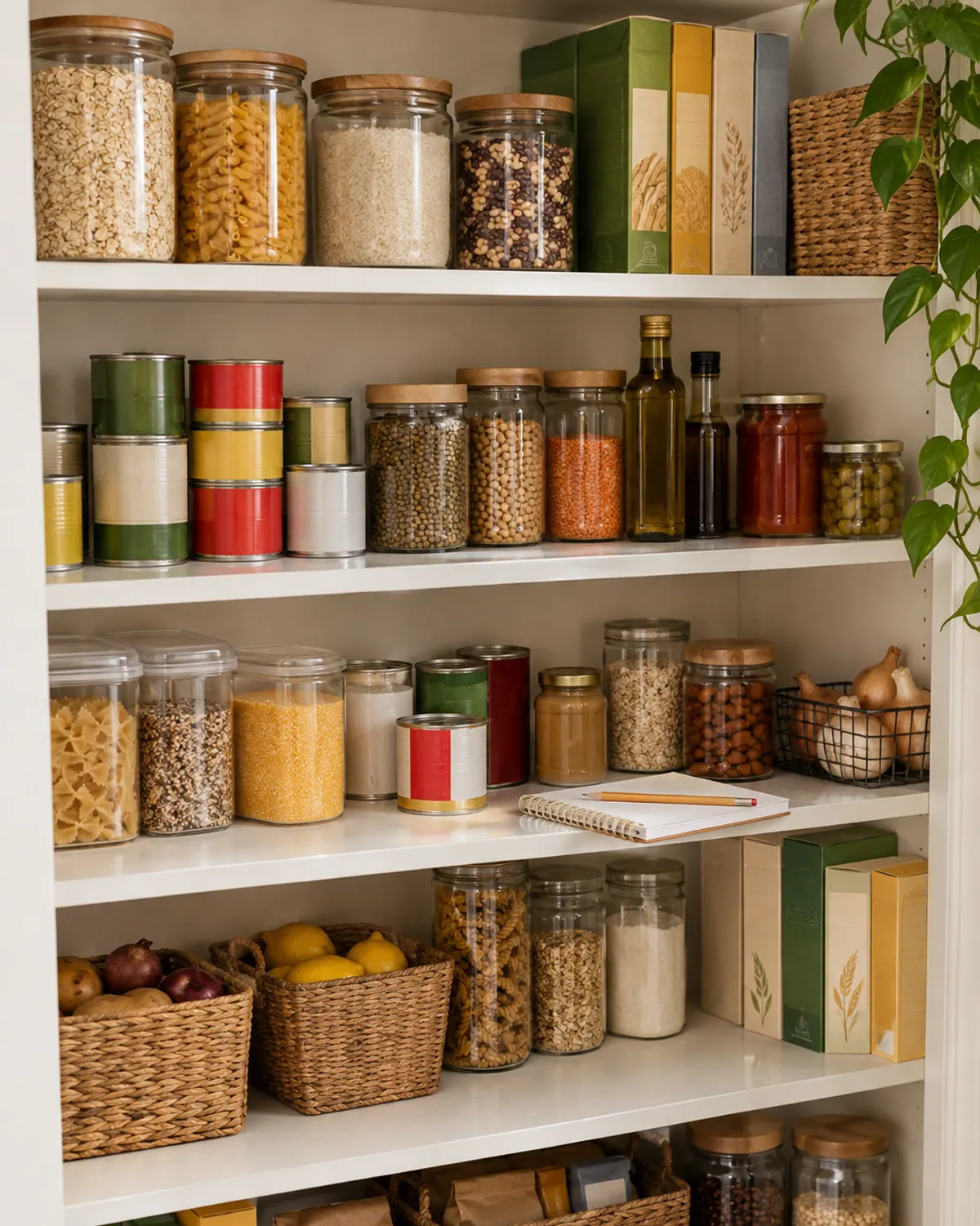
Write down what you have, shelf by shelf. Group it by type so meal planning is faster later: grains, beans, canned vegetables, proteins, sauces, baking items and frozen foods.
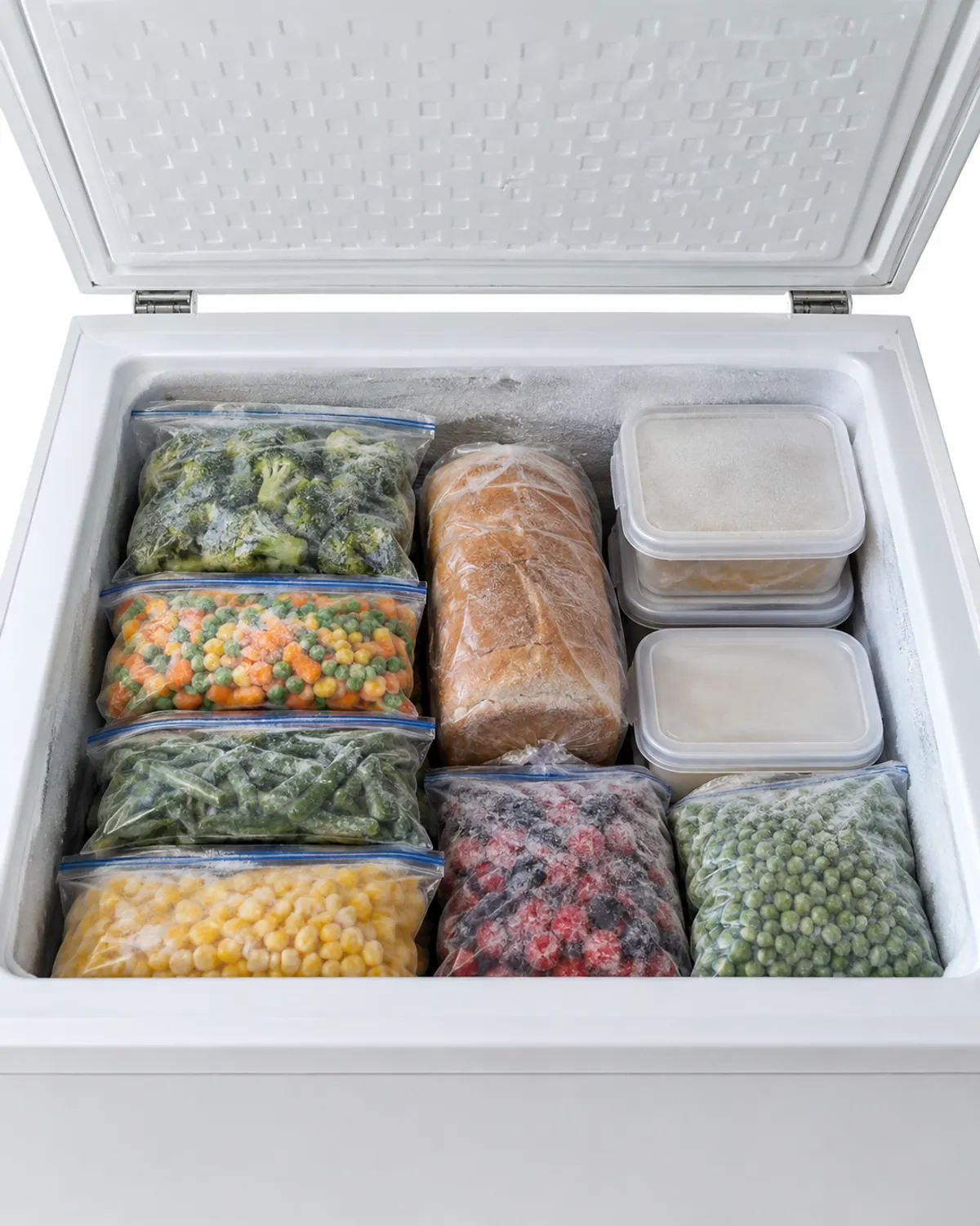
Don't skip the freezer. It's where forgotten bags of vegetables, bread and meat usually hide, and those turn three pantry meals into ten.
Step 3: Check What's Safe, Then Make a Use-First Shelf
Eating from the pantry should never mean eating something unsafe. A few checks before you plan:
Cans: the USDA Food Safety and Inspection Service says to throw out cans that are bulging, leaking, swollen or deeply dented, especially on the seam. A small dent on the side is usually fine.
Dates: "best by" and "use by" dates on most foods are about quality, not safety, according to FSIS food product dating guidance. Infant formula is the exception; follow its date.
Not sure? Look the item up in the free FoodKeeper guide at FoodSafety.gov. When in doubt, throw it out.
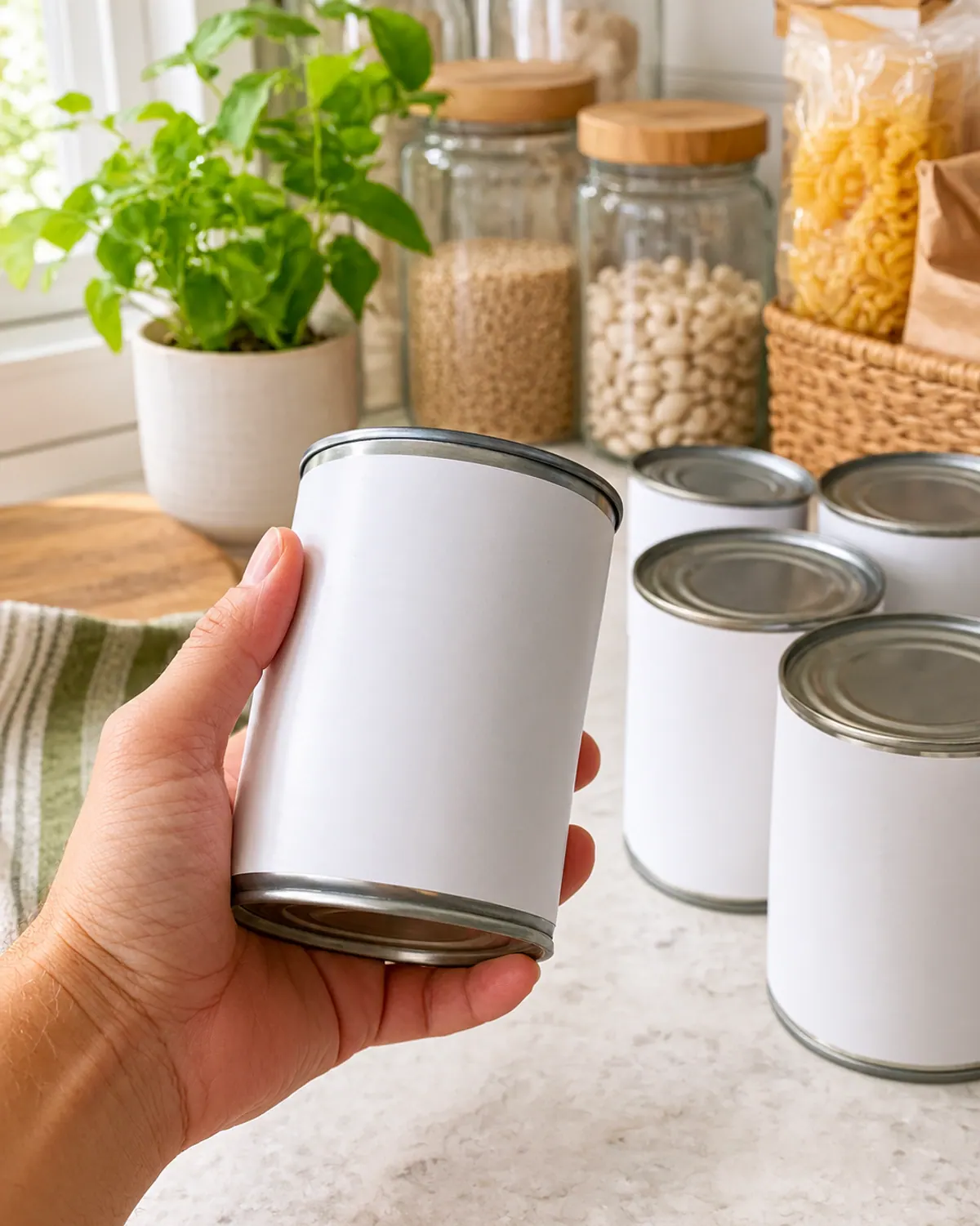
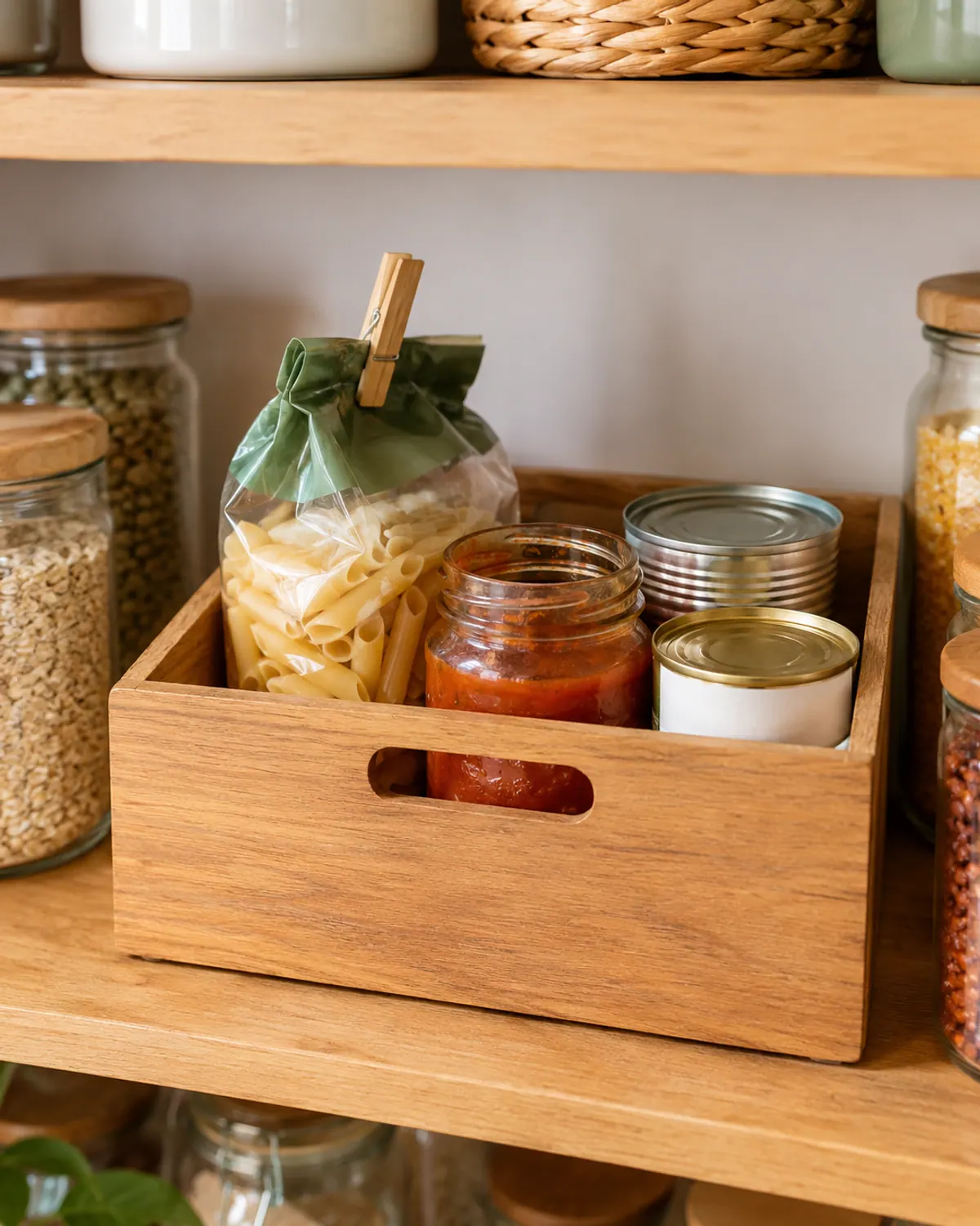
Then put anything opened, close to its date or already half-used into one bin labeled "use first." Plan those into the first few days.
Step 4: Turn What You Have Into Meal Ideas
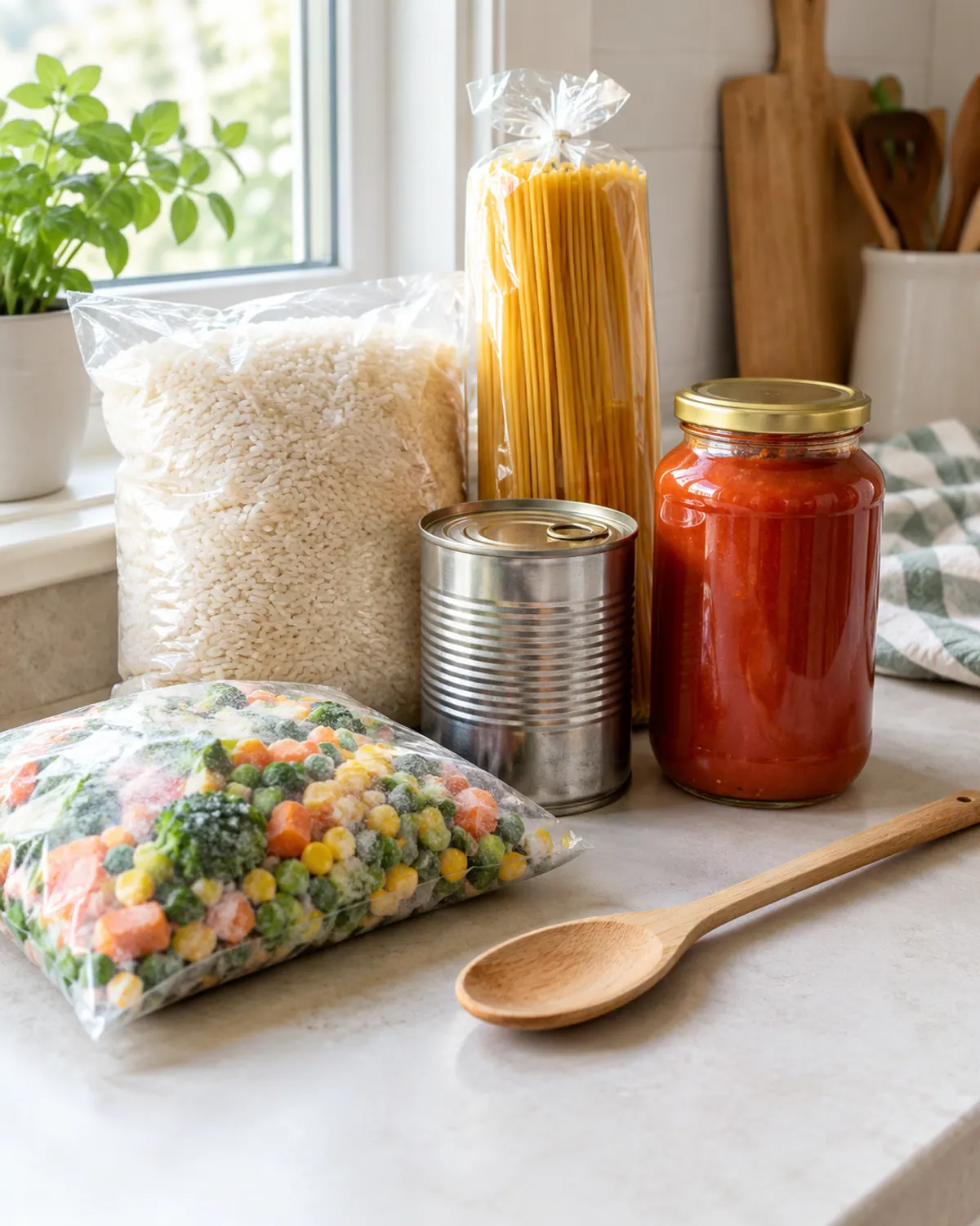
You're not hunting for recipes here. Match one base, one protein and one vegetable or sauce from your list. These meal ideas show the pattern:
| Base | Add | Meal idea |
|---|---|---|
| Pasta | Canned tomatoes, frozen spinach | Tomato pasta with greens |
| Rice | Canned beans, salsa, cheese | Rice and bean bowls |
| Tortillas | Eggs, cheese, frozen peppers | Breakfast tacos for dinner |
| Potatoes | Canned chili or beans | Loaded baked potatoes |
| Broth | Frozen vegetables, rice or noodles | Clean-out-the-freezer soup |
| Oats | Peanut butter, banana or raisins | Breakfast oats all week |
Need more ideas? Our list of cheap meals on a budget is built mostly from pantry staples.
Step 5: Plan All 14 Days on One Page
Write the dinners first, starting with the use-first bin. Then keep breakfasts and lunches simple and repeating, like oats every morning and leftovers for lunch.
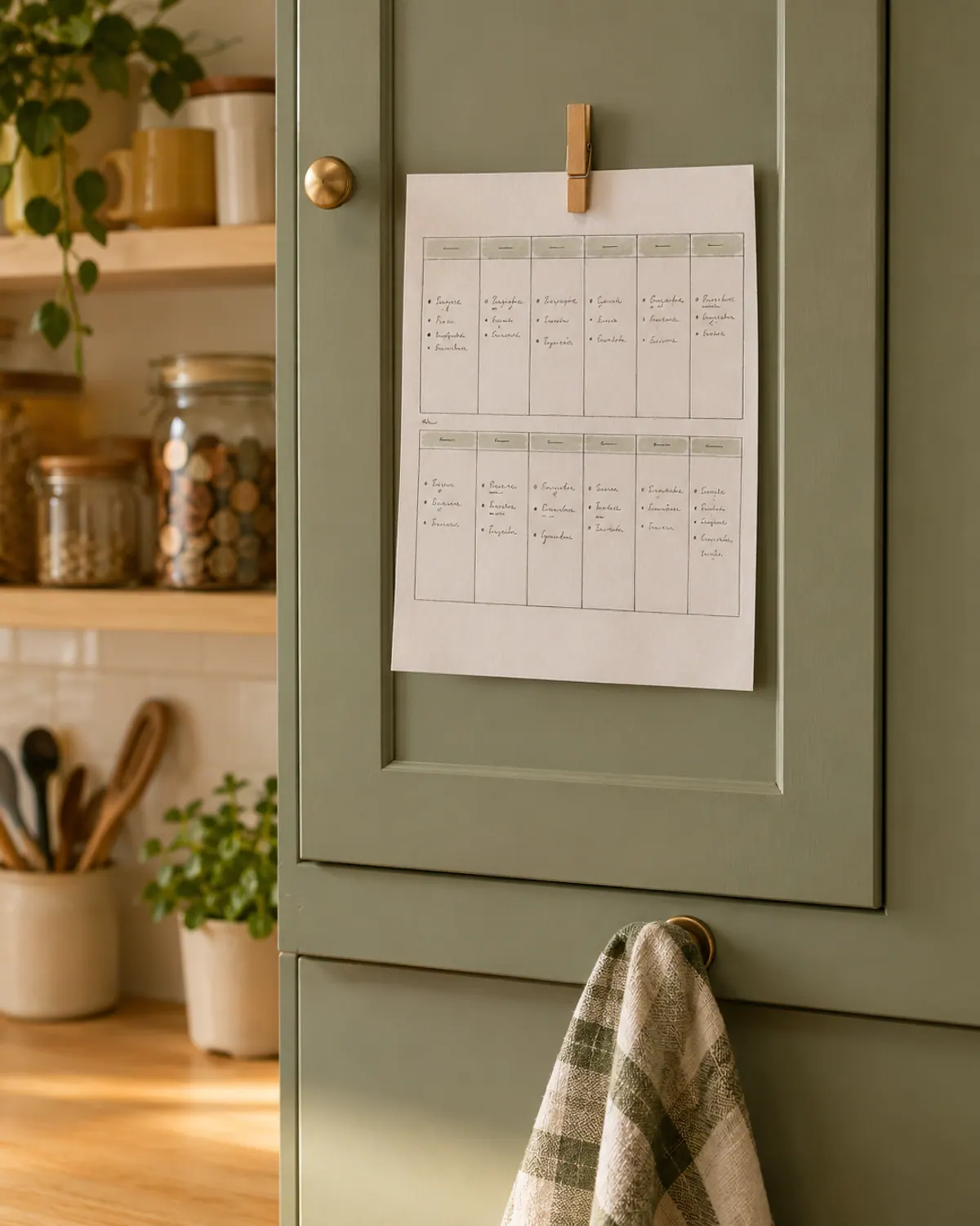
Leave one "leftovers or freezer night" each week. It absorbs the night when plans fall apart and stops a takeout order.
Step 6: Shop Only the Gaps
Look at your 14-day plan and list only what's missing for those exact meals. Spend from your fresh-food budget, and stop when it's gone.
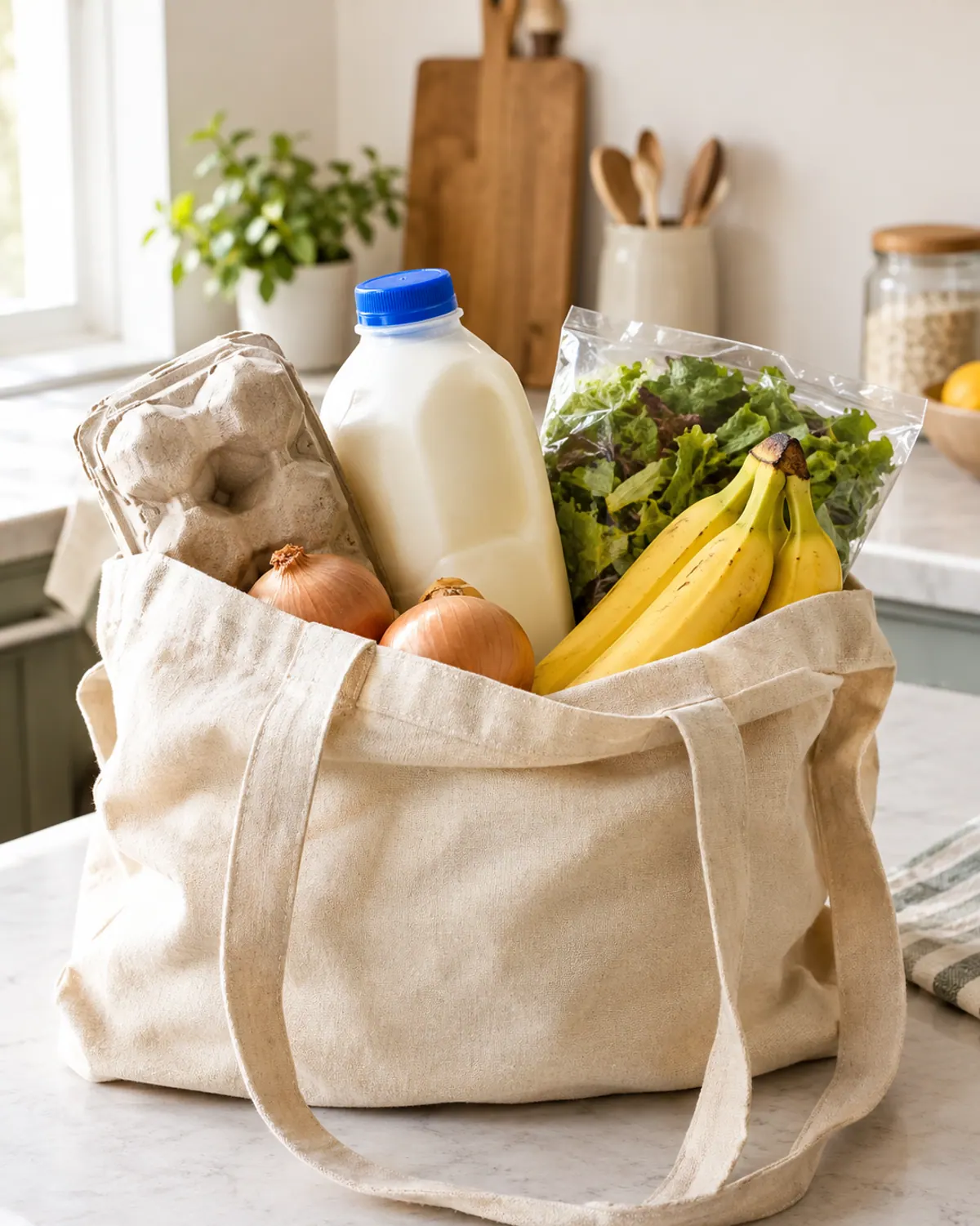
For a $35 week, the list might be milk, eggs, a loaf of bread, bananas, onions and one bag of salad. For more on stretching a small grocery budget, see our $50 a week grocery list.
Step 7: Track What You Saved and Give It a Job
At the end, compare the two weeks to your usual grocery spending. Example: a usual $150 a week minus a $35 fresh-food week = $115 kept, or $230 over two weeks. Your number will be different.
| Usual grocery spend | Fresh-food budget | Kept per week | Kept in 2 weeks |
|---|---|---|---|
| $100 a week | $25 | $75 | $150 |
| $150 a week | $35 | $115 | $230 |
| $200 a week | $45 | $155 | $310 |
Move that money the same day, or it disappears into regular spending. A starter emergency fund or a sinking fund for Christmas are both good homes.
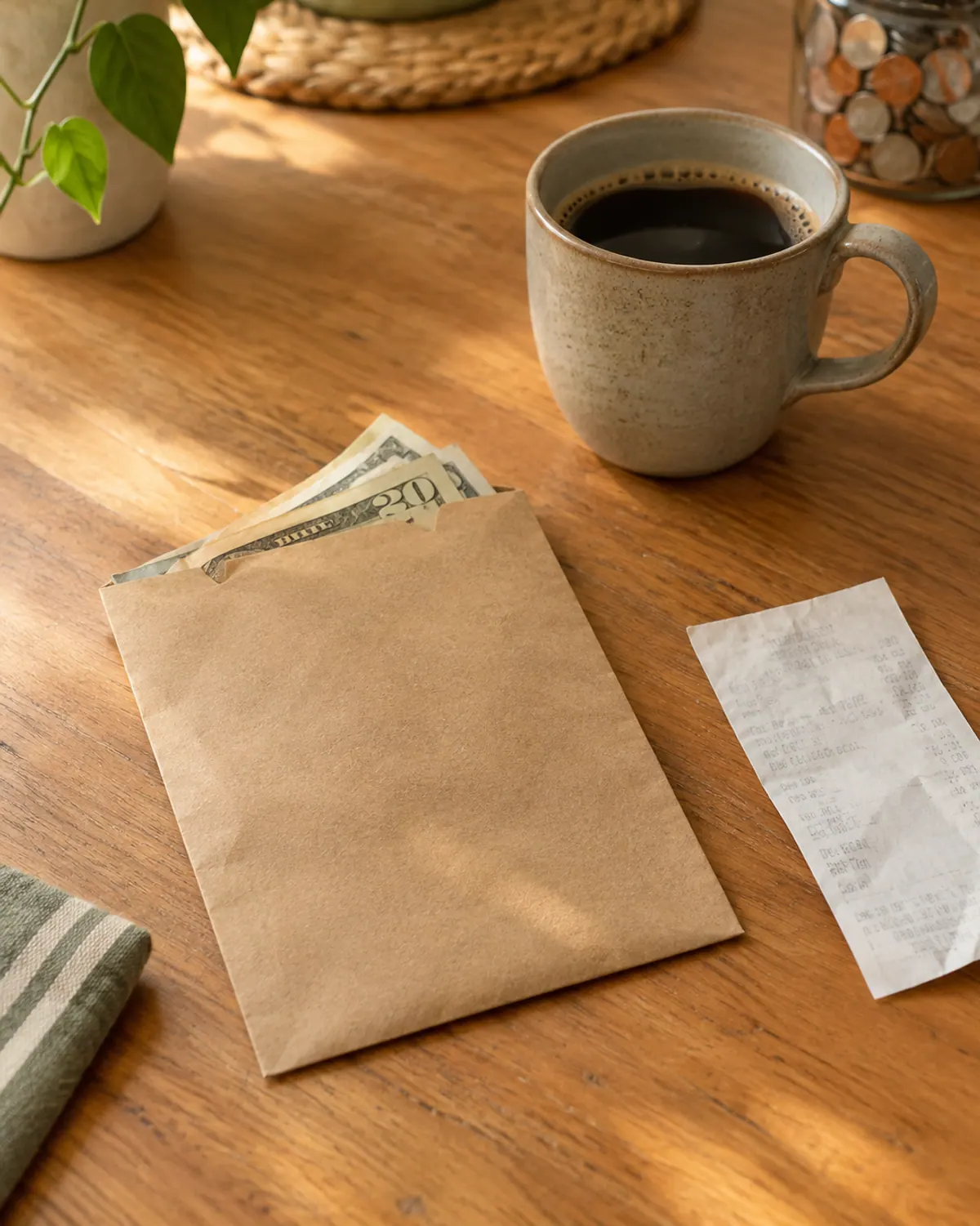
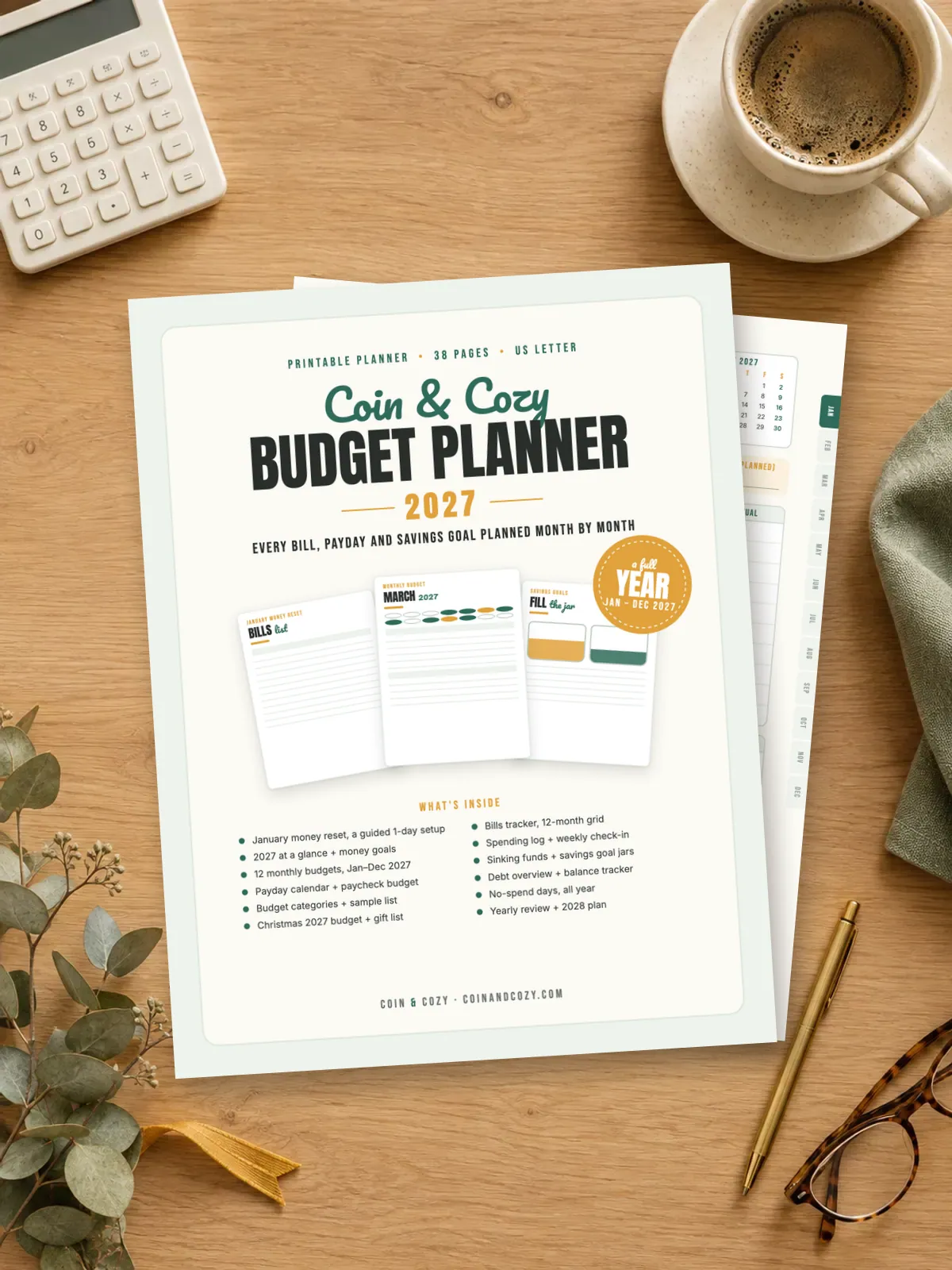
The Cozy Budget Planner 2027 has monthly budget pages, sinking funds and savings goal jars, so the money you save has a place to go and a goal to grow toward.
Pantry Challenge Mistakes to Avoid
Do this
- Write the rules before day 1
- Plan the use-first bin into the first 3 days
- Keep a small fresh-food budget
- Move the money you saved the same day
Skip this
- Starting with an empty fridge and no plan
- Eating cans that are bulging or leaking
- Buying "stock-up" deals during the challenge
- Skipping meals to make the pantry last
A pantry challenge is about using what you already paid for, not going without.
Variations: One Week, Families and Freezer-Only
One-week mini challenge: good for a first try or a tight month. Plan 7 dinners and keep the same rules.
Families: let each person pick one pantry meal for the plan. Kids eat what they helped choose more often, and it keeps everyone on board.
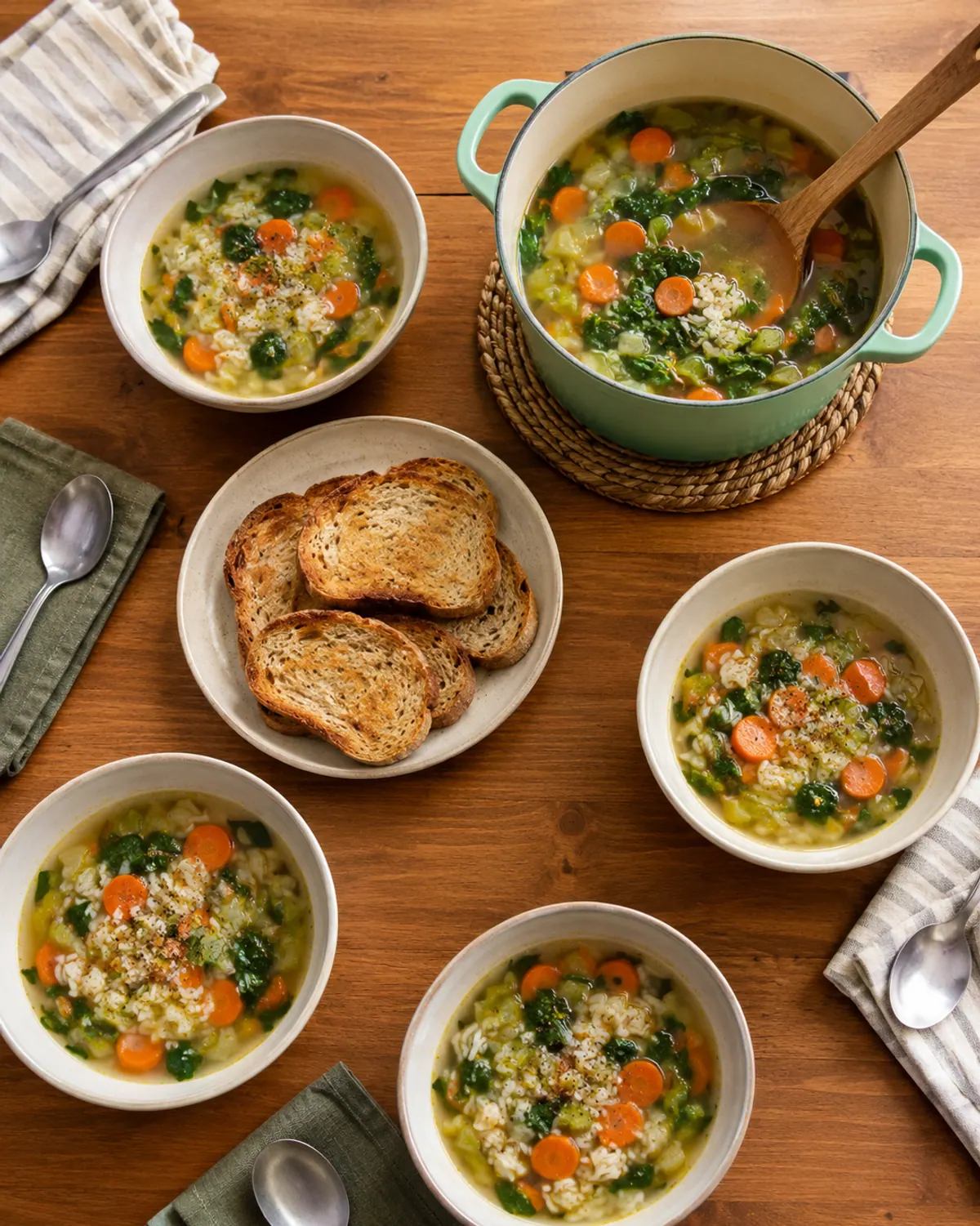
Freezer-only: use up the freezer first. Food kept frozen at a steady 0°F stays safe, though quality can drop over time, per USDA guidance, so start with the oldest bags.
January reset: a pantry challenge pairs well with a no-spend January. The 30-day no-spend tracker in our free Cozy Savings Challenge Pack works for both.
Helpful, not required
-
Clear pantry storage bins
Typically $15 to $30
A use-first bin you can see into keeps opened items from getting lost.
Check price on Amazon for Clear pantry storage bins -
Removable food labels or masking tape
Typically $5 to $12
Date opened items and freezer bags so nothing gets forgotten.
Check price on Amazon for Removable food labels or masking tape -
Airtight food storage canisters
Typically $20 to $35
Keep opened rice, oats and pasta fresh long enough to use up.
Check price on Amazon for Airtight food storage canisters
Want the planner, the savings challenge charts and the Christmas planner together? The Cozy Money Binder bundles all three.
Frequently asked questions
What is a pantry challenge?
A set period, often one to four weeks, where you eat mostly from the food you already have and buy only a few fresh basics. It cuts grocery spending and food waste.
What are the rules of a pantry challenge?
You set them. A common setup is 14 days, a small weekly budget for milk, eggs, bread and produce, and no takeout or stock-up shopping. Medicine, baby needs and health diets are always allowed.
How much can you save with a pantry challenge?
It depends on your usual grocery bill. As an example, a family that normally spends $150 a week and spends $35 on fresh food keeps about $115 a week. These are example numbers, not financial advice.
Is it safe to eat food past the best-by date?
For most foods, best-by dates are about quality, not safety, according to USDA FSIS. Infant formula is the exception. Always toss cans that are bulging, leaking or deeply dented, and anything that smells or looks wrong.
How long should a pantry challenge last?
Two weeks is a good first goal. One week works for a trial, and some people go a full month in January after the holidays.
Save it for later
Pin this to your Grocery Savings board so it's there when you need it.
Save to Pinterest